Layer Palletizing
Automated layer palletizing systems that form complete product layers and place them onto pallets in a single operation, offering high-speed palletizing for standardized products.
Layer Palletizing System
High-speed automated palletizing through complete layer formation and placement
Key Benefits
Understanding Layer Formation Process
The foundation of effective layer palletizing lies in the layer formation process, where products are arranged into predetermined patterns before being transferred to the pallet. Modern layer formation systems utilize sophisticated pattern recognition software that calculates optimal arrangements based on product dimensions, weight distribution, and stacking requirements. This pre-planning ensures each layer maximizes pallet stability while minimizing wasted space.
Automated layer formation stations typically feature multiple infeed conveyors that deliver products to precise positions within the layer pattern. Vision-guided systems verify product placement and orientation, ensuring each item is correctly positioned before the layer is completed. The result is consistently perfect layers that can be transferred to pallets without manual intervention or quality concerns.
High-Speed Layer Transfer Technology
Once layers are formed, specialized layer transfer equipment handles the critical task of moving complete layers from formation areas to target pallets. Vacuum-based layer grippers are commonly employed, featuring arrays of suction cups that can securely hold entire layers regardless of product shape or packaging material. These systems can handle layers weighing several hundred pounds while maintaining precise control throughout the transfer process.
Pneumatic layer pushers offer an alternative approach, particularly effective for products with consistent packaging that allows for side-contact handling. These systems use controlled pushing mechanisms to slide complete layers from formation areas onto pallets, achieving extremely high cycle rates while minimizing mechanical complexity. Force-controlled systems ensure gentle handling even with fragile products.
High-Speed Flexible Layer Palletizer
Vendor: Others
Pattern Optimization and Flexibility
Modern layer palletizing systems incorporate intelligent pattern optimization that adapts to different product mixes and pallet requirements. Dynamic pattern generation allows systems to modify layer configurations based on real-time inventory availability and order requirements. This flexibility enables operations to handle multiple SKUs efficiently while maintaining optimal pallet configurations.
Modular layer formation capabilities allow systems to create different layer patterns simultaneously, supporting mixed-product palletizing when required. Quick-change tooling enables rapid reconfiguration for different product types, minimizing downtime during product changeovers. Advanced systems can store hundreds of layer patterns and automatically select optimal configurations based on current production requirements.
Integration with Warehouse Operations
Layer palletizing systems integrate seamlessly with broader warehouse automation infrastructure to maximize operational efficiency. Conveyor integration ensures smooth product flow from upstream processes directly into layer formation areas. WMS connectivity provides real-time order information and inventory data, enabling systems to optimize layer patterns based on actual demand patterns.
Automated pallet handling systems work in conjunction with layer palletizers to manage empty pallet supply and completed pallet removal. RFID tracking and barcode scanning capabilities ensure complete traceability throughout the palletizing process. Quality control integration automatically verifies layer completeness and pallet stability before releasing completed pallets to downstream operations.
Schneider High-Speed Robotic Layer Palletizer
Vendor: Others
Performance Optimization and Monitoring
Advanced layer palletizing systems incorporate comprehensive performance monitoring capabilities that track key operational metrics in real-time. Throughput analysis identifies bottlenecks and optimization opportunities, while quality metrics ensure consistent pallet standards. Predictive maintenance systems monitor equipment health and schedule maintenance activities to minimize unplanned downtime.
Energy efficiency optimization features adjust system operation based on production demands, reducing power consumption during low-volume periods. Remote monitoring capabilities enable operators to oversee multiple palletizing lines from centralized control stations. Data analytics provide insights into operational trends and support continuous improvement initiatives.
Applications and Industry Benefits
Layer palletizing excels in industries with standardized products and high-volume requirements. Food and beverage operations benefit from the high-speed capabilities and hygienic design features of modern layer palletizing systems. Consumer goods manufacturing leverages the consistency and efficiency advantages for products with uniform packaging dimensions.
Pharmaceutical and chemical industries utilize layer palletizing for products requiring precise handling and complete traceability. The gentle handling characteristics of vacuum-based systems make them ideal for fragile products, while the high throughput capabilities support demanding production schedules. Automotive parts distribution benefits from the ability to handle diverse product shapes while maintaining optimal pallet configurations.
Related Technologies (6)
High-Speed Flexible Layer Palletizer
byOthers
Schneider High-Speed Robotic Layer Palletizer
byOthers
PalLinear: High-Speed Inline Layer Palletizer
byOthers
Robotic Palletizing Systems for Diverse Packaging
byOthers
Intralogistics Innovation Center: Integrated Solutions Showcase
byDaifuku
Industrial Robotic Palletizing System for Bulk Bags
byColumbia/Okura LLC
Related Packing Topics
depalletizing
Mixed Case Palletizing
Advanced palletizing systems designed to handle diverse product configurations, optimizing pallet stability and space utilization through intelligent case arrangement and stacking algorithms.
Robotic Palletizer
Advanced robotic palletizing systems that combine industrial robotics with intelligent software to provide flexible, precise, and efficient automated palletizing solutions for diverse product types and packaging requirements.
About This Topic
Related Projects(6)
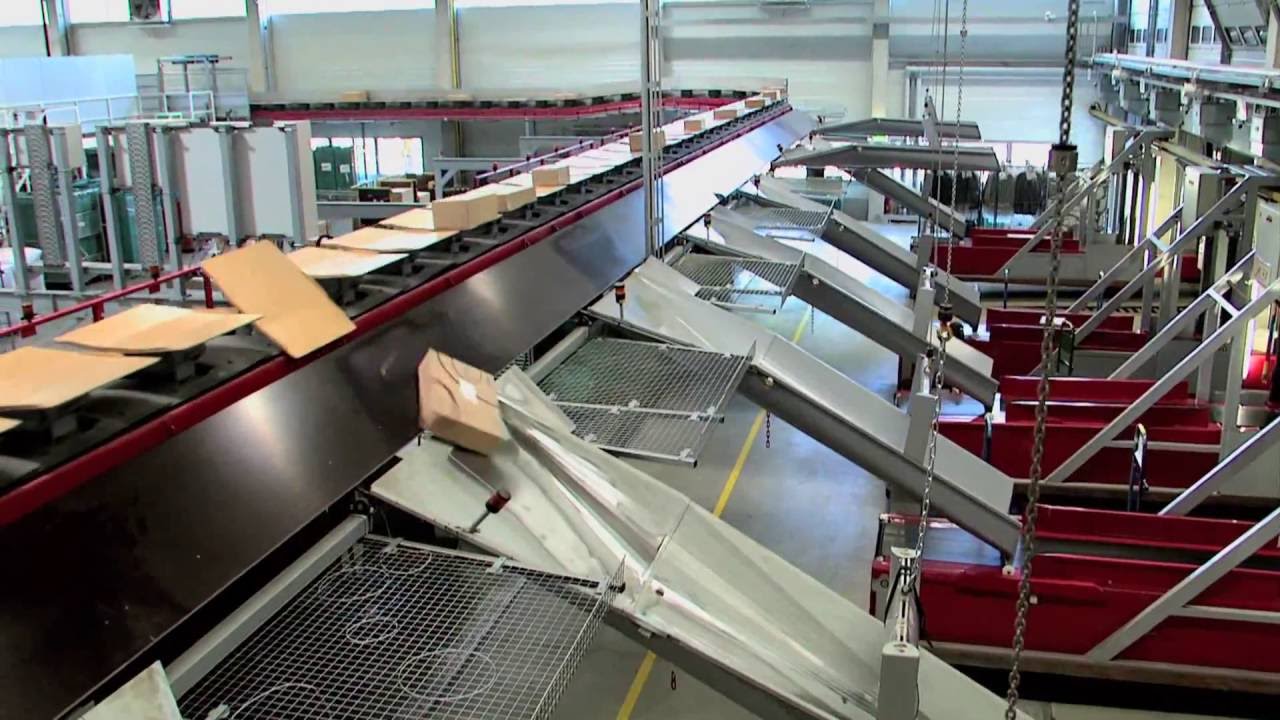
Witt-Gruppe Weiden Distribution Center
Beumer Group

L.L.Bean - Freeport Maine Distribution Center Sortation Modernization
Beumer Group
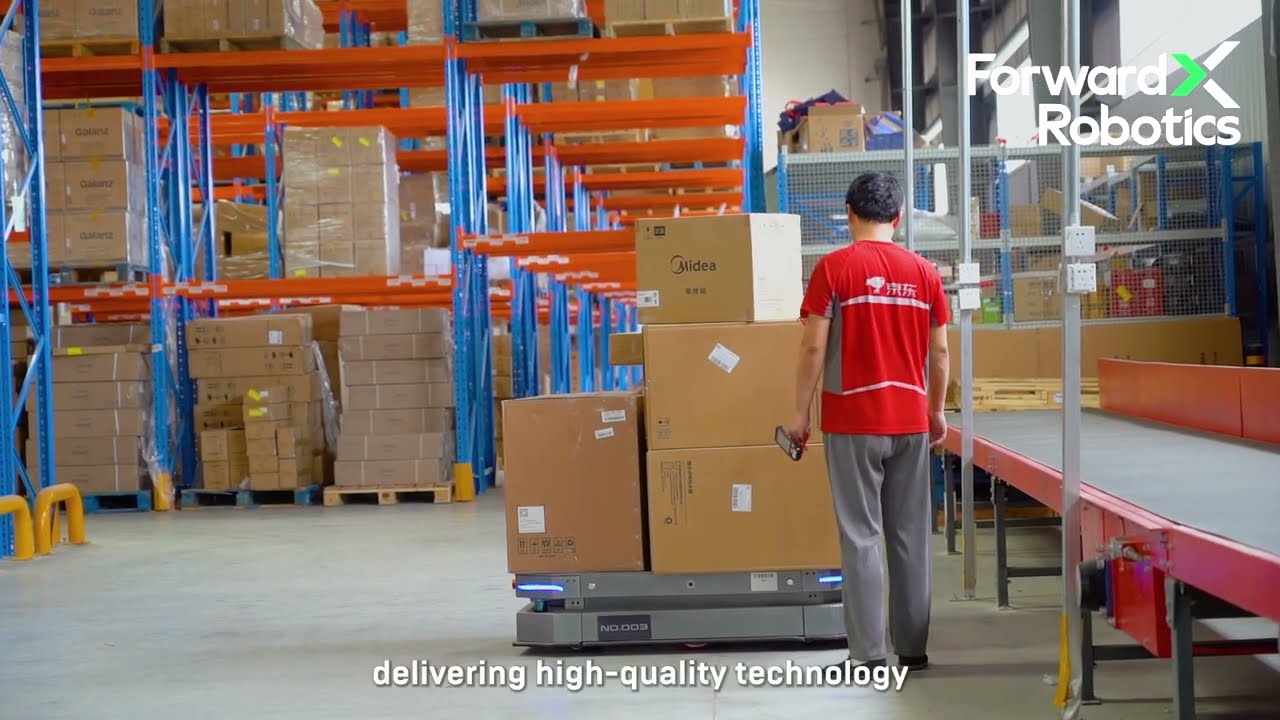
JD.com - Flexible Case Picking Automation with ForwardX Robotics AMRs
ForwardX Robotics
Element Logic Ireland Warehouse Automation Solutions
Element Logic

Sengkang General Hospital Singapore Central Sterile Supply Unit
Daifuku
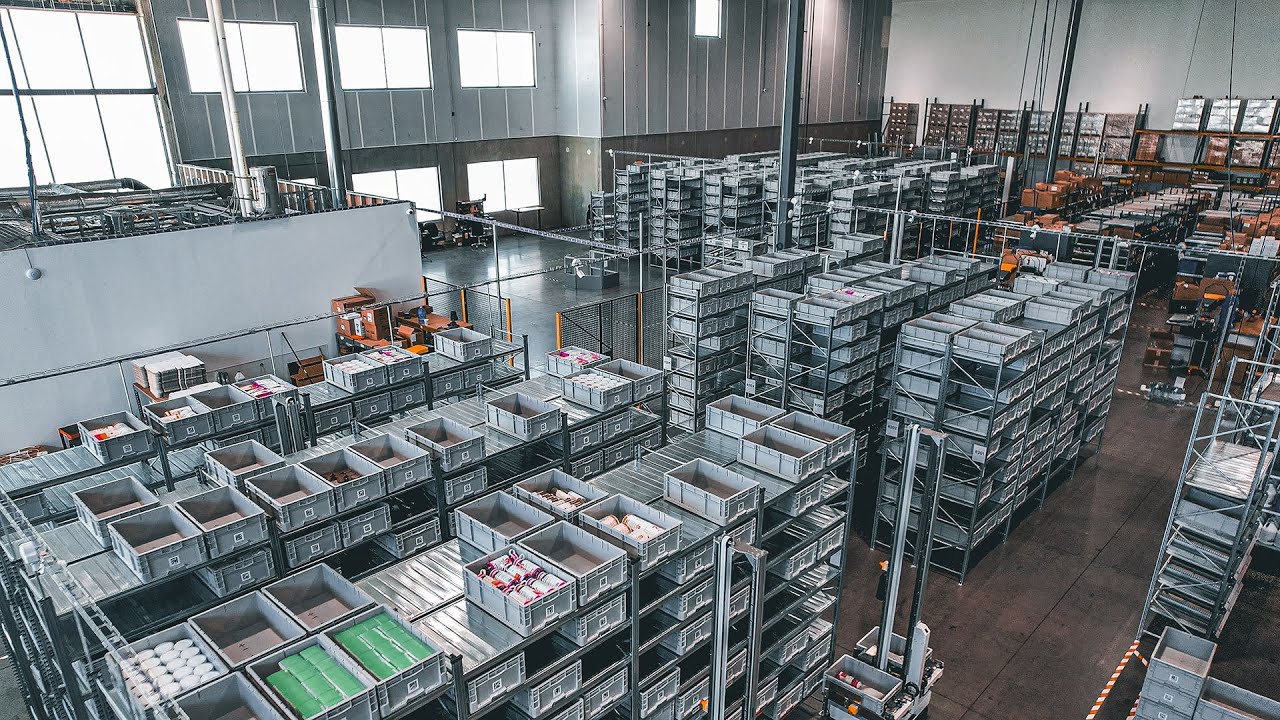
Netrush Kentucky E-commerce Fulfillment Warehouse
Brightpick
Related Suppliers(3)

Universal Robots
Pioneer and global leader in collaborative robotics (cobots) with user-friendly robotic arms for industrial automation.

Addverb
Warehouse Automation that delivers value!

Bastian Solutions
A Toyota Advanced Logistics Company