Schneider High-Speed Robotic Layer Palletizer
Quick Facts
Technology Performance Metrics
⭐Key Features
Benefits
Applications
Detailed Information
Technology Overview
Schneider's High-Speed Robotic Layer Palletizer is designed for manufacturing and distribution facilities that demand maximum throughput in their end-of-line packaging operations. This system specializes in palletizing uniform cases at exceptionally high speeds, leveraging advanced robotic layer forming technology. The core of the system is a two-stage robotic process that separates the tasks of forming a perfect layer of products and placing that layer onto the pallet. This decoupled approach allows for continuous, uninterrupted operation, pushing palletizing speeds to industry-leading levels of up to 100 cases per minute. It is engineered for applications where product consistency, speed, and precision are paramount.
How It Works
Core Principles
The system operates on a two-stage principle. The first stage involves a dedicated robotic layer forming tool that rapidly and precisely arranges incoming cases into a complete, tight layer pattern on a staging platform. The second stage involves transferring this pre-formed layer as a single unit onto the waiting pallet. This separation allows the layer forming to occur in parallel with the pallet indexing and layer placement, creating a continuous flow.
Key Features & Capabilities
High-Speed Robotic Layer Forming: The proprietary layer forming tools are the engine of this system, capable of arranging up to 100 cases per minute into accurate layers. This speed is critical for matching fast upstream production lines.
Two-Stage Continuous Process: This design is a key feature for eliminating interruptions. While one layer is being placed on the pallet, the next layer is being formed. This parallel processing is what enables the system to achieve such high overall throughput.
Precision and Soft-Touch Handling: The advanced robotics ensure each case is placed in the layer with high accuracy, which is essential for stable pallet builds. The "soft-touch" capability indicates the system can handle lightweight or fragile products without damage, despite the high speed.
Advantages & Benefits
The foremost advantage is dramatically increased productivity through speeds of up to 100 cases per minute, which can significantly reduce the number of palletizing lines required. The continuous workflow eliminates stops and starts, enhancing overall equipment effectiveness (OEE). The robotic precision minimizes misaligned cases and unstable loads, reducing product damage and downstream handling issues. The ability to handle complex pack patterns at high speed provides flexibility within its high-volume application domain.
Implementation Considerations
This system is optimized for high-volume, uniform case sizes. Significant product mix or size variation could challenge the layer forming process. The high-speed nature demands an equally reliable and speedy upstream case packing and conveying system to avoid bottlenecks. The two-stage robotic coordination requires sophisticated control software and precise calibration.
Use Cases & Applications
Ideal For
This palletizer is ideal for beverage plants (bottles, cans), high-speed food packaging lines (cereal boxes, frozen food), and consumer goods manufacturers where production lines output a large volume of uniformly sized cases.
Conclusion
Schneider's High-Speed Robotic Layer Palletizer represents a top-tier solution for operations where palletizing throughput is a critical bottleneck. By employing an innovative two-stage robotic process, it achieves remarkable speeds while maintaining precision and product safety. For facilities with consistent, high-volume case output, this system can deliver a substantial return on investment through labor savings, space efficiency (fewer machines needed), and increased line uptime. Its suitability is best for environments with standardized packaging; operations with high product diversity may need to consider more flexible, albeit slower, mixed-case robotic solutions.
Related Knowledge
Robotic Case Picking
Advanced robotic case picking systems that combine industrial robotics with intelligent vision systems to automate the handling of full cases and cartons, delivering exceptional speed, precision, and reliability in high-volume distribution operations.
Robotic Piece Picking
Advanced robotic systems that use AI and computer vision to automatically select and pick individual items from diverse inventory, revolutionizing warehouse fulfillment operations with human-like dexterity and intelligence.
Voice Picking Systems
Voice picking systems revolutionize warehouse operations by enabling hands-free, eyes-free order fulfillment through speech recognition technology. Workers receive spoken instructions through wireless headsets and confirm actions verbally, dramatically improving productivity, accuracy, and safety while reducing training time.
Vendor
OthersRelated Technologies
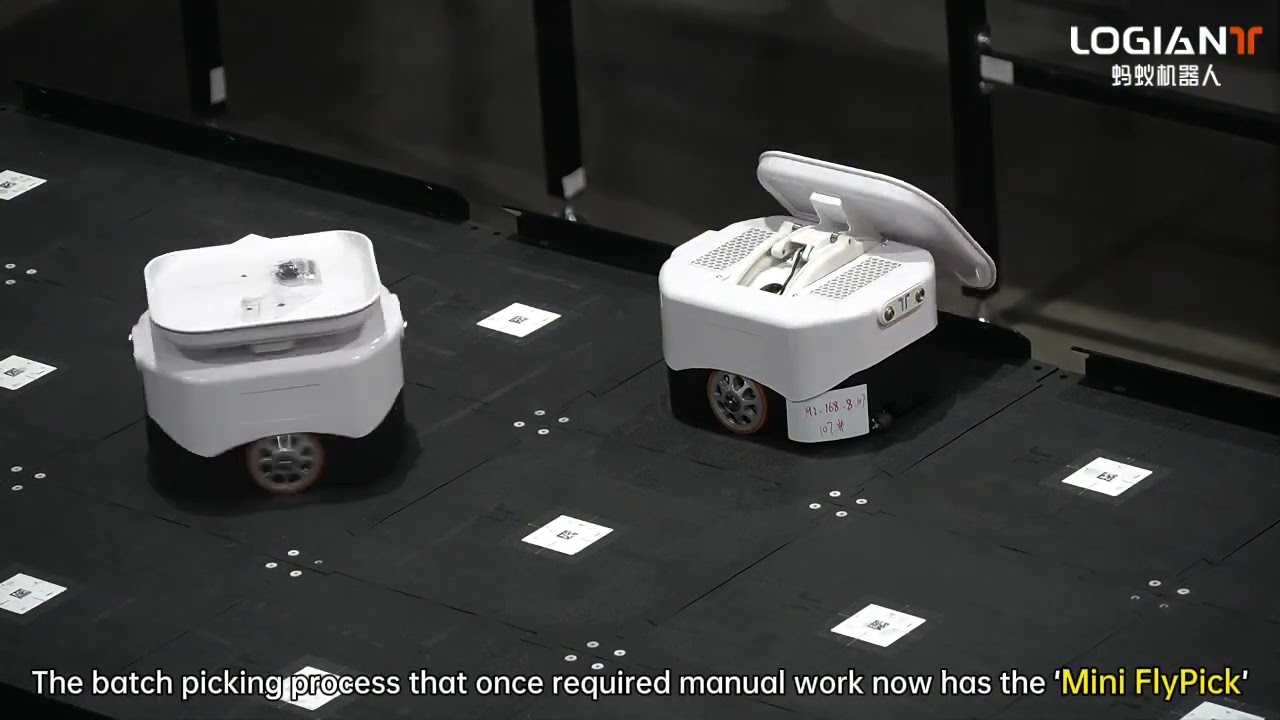
Mini FlyPick Robot: Compact High-Speed Sorting AMR
Others

Split Tray (Bomb Bay) Sorter Compilation: Versatile High-Speed Sortation
Others
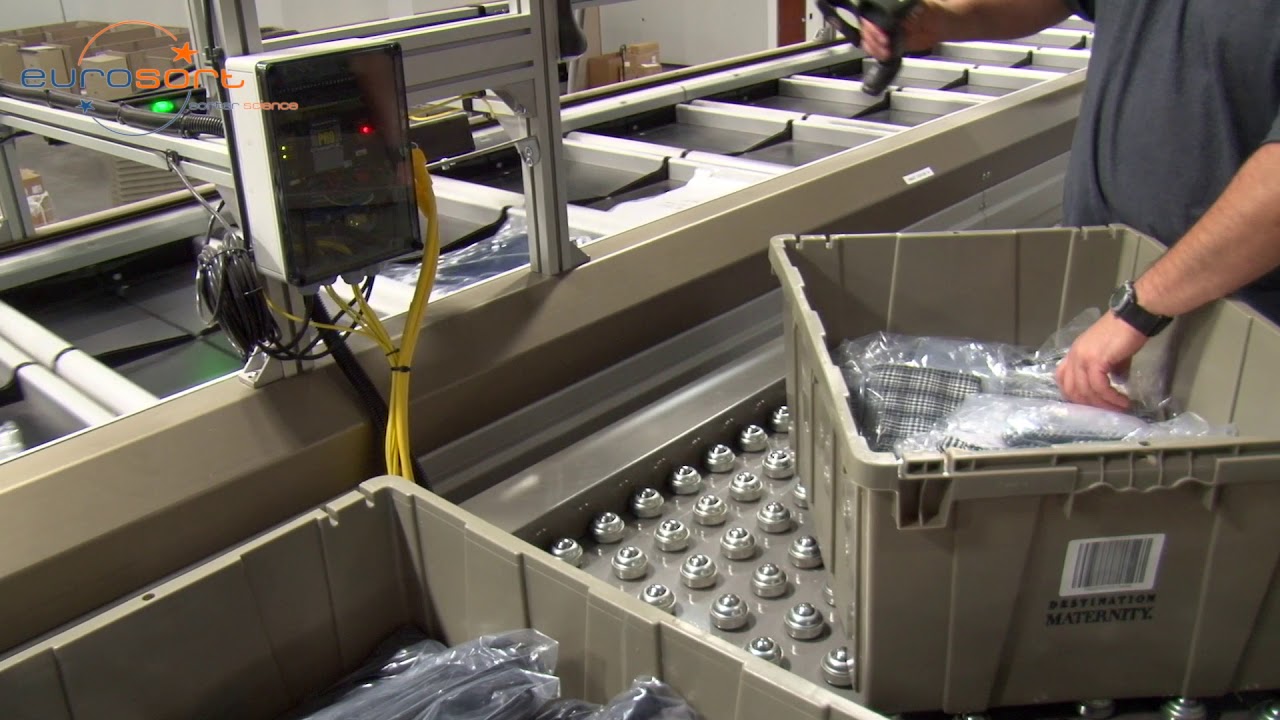
Patented Dual Split Tray (Bomb Bay) Sorter with Batch Induction
Others