Parcel & Express Delivery
Parcel and express delivery operations handle millions of small packages daily with strict time commitments, requiring high-speed sortation, automated tracking, and efficient last-mile delivery coordination to meet customer expectations for speed and reliability.
Parcel Distribution Ecosystem
Operations Profile
- •Ultra-high volume operations
🌐 Industry Overview
Parcel and express delivery operations form the backbone of e-commerce and time-sensitive shipping, processing millions of packages daily through networks of hubs, sortation centers, and delivery stations. This sector is characterized by extreme volumes, tight time windows, and customer expectations for real-time tracking and reliable delivery. Major players include global integrators (UPS, FedEx, DHL), national postal services, and regional carriers, all competing on speed, reliability, and cost.
The industry operates on hub-and-spoke networks where packages are collected, sorted multiple times through regional and national hubs, and delivered to final destinations—all within 24-48 hours for standard service or same-day for premium offerings. This requires precise orchestration of transportation, sortation, and delivery operations across vast geographic areas. E-commerce growth has driven unprecedented volume increases, forcing continuous capacity expansion and automation investment.
🏭 Warehouse Operations Characteristics
Parcel hubs operate 24/7 with multiple daily sort cycles timed to transportation schedules. Inbound packages arrive in waves from collection routes or connecting hubs, are sorted by destination, and loaded onto outbound trucks or aircraft within tight windows—often 2-4 hours from arrival to departure. This creates intense peaks of activity followed by relative quiet, requiring flexible labor models and automation that can handle surge volumes.
Package diversity is extreme. A single sort may include envelopes, small boxes, large packages, and irregular items weighing from grams to 70+ kilograms. Dimensions vary from documents to furniture. All must be tracked individually, sorted accurately, and handled without damage. Automation must accommodate this variability while maintaining high throughput—major hubs process 100,000-500,000+ packages per hour.
Tracking and visibility are critical. Every package is scanned multiple times throughout its journey, providing customers with real-time status updates. This data also drives operational decisions—routing optimization, capacity planning, and service recovery when exceptions occur. The IT infrastructure supporting parcel operations is as important as physical automation.
⚠️ Key Challenges
Volume volatility creates capacity planning challenges. Peak seasons (holidays, promotional events) can double or triple normal volumes. Daily patterns show extreme peaks around sort times. Weather events, flight delays, or transportation disruptions create unexpected surges. Facilities must handle peak volumes without excessive investment in capacity used only occasionally. Flexible automation and scalable labor models are essential.
Speed requirements leave no room for delays. Packages must move through the network on schedule to meet service commitments. Any sortation error, equipment failure, or process delay cascades through the system, potentially causing missed deliveries and service failures. This demands highly reliable automation, redundant systems for critical functions, and rapid problem resolution capabilities.
Last-mile delivery economics remain challenging. The final delivery to the customer's door is the most expensive part of the journey, yet customers resist paying premium prices. Dense urban areas enable efficient multi-stop routes, but suburban and rural deliveries are costly. Innovations like delivery lockers, pickup points, and crowd-sourced delivery attempt to address this, but the fundamental economics remain difficult.
🤖 Suitable Technologies
Sortation Systems: High-speed cross-belt and tilt-tray sorters are the workhorses of parcel operations, processing 10,000-30,000+ packages per hour with 99.9%+ accuracy. Sliding shoe sorters handle heavier items. Bomb-bay sorters provide cost-effective solutions for regional facilities. Modern sorters include automatic dimensioning and weighing (DWS) systems that capture package data for billing and routing.
Automated Induction: Robotic and automated systems feed packages onto sorters at high rates, reducing manual labor and improving throughput. Vision systems identify packages, read labels, and determine optimal placement on the sorter. Singulation systems separate packages from bulk flow for individual processing.
Package Handling: Conveyor networks move packages between receiving, sortation, and loading areas. Vertical conveyors and spiral systems enable multi-level operations in constrained urban locations. Automated guided vehicles transport containers between areas. Extendable conveyors load and unload trucks efficiently.
Tracking Systems: Barcode scanners and RFID readers at every transition point capture package movement. Vision systems photograph packages for proof of condition and automated label reading. Mobile devices enable drivers to capture delivery confirmation. All data feeds central tracking systems providing customer visibility.
Software Systems: Transportation management systems (TMS) optimize routing and scheduling across the network. Warehouse control systems (WCS) coordinate sortation equipment. Predictive analytics forecast volumes and optimize capacity. Customer-facing systems provide tracking, delivery notifications, and exception management.
🎯 Technology Selection Criteria
Throughput capacity is the primary driver. Systems must handle peak volumes without bottlenecks. Sortation capacity should exceed peak requirements by 20-30% to accommodate growth and provide buffer for disruptions. Speed matters, but reliability is more important—a slower system that runs consistently outperforms a faster system with frequent downtime.
Accuracy requirements are stringent. Mis-sorts create service failures, additional handling costs, and customer dissatisfaction. Target 99.9%+ sortation accuracy. Automated systems typically achieve this, but package quality (damaged labels, irregular shapes) can impact performance. Include manual verification and exception handling processes.
Scalability must support volume growth and network changes. Modular sortation systems that can be expanded are preferable to fixed-capacity installations. Consider future service offerings—same-day delivery, returns processing, or specialized handling—when designing facilities. Build flexibility for changing operational requirements.
💡 Implementation Considerations
Start with the highest-volume, most predictable flows. Automate primary sortation before tackling exception handling or specialized services. This provides clear ROI and allows learning before addressing more complex operations. Manual processes can handle exceptions and low-volume flows initially.
Design for peak capacity, not average volumes. Parcel operations must handle holiday peaks, which may be 2-3x normal volumes. Underbuilt facilities create service failures during critical periods. Consider temporary capacity solutions (seasonal labor, mobile sortation equipment) to supplement permanent automation during peaks.
Plan for 24/7 operations from day one. Parcel hubs don't have the luxury of downtime for maintenance. Build redundancy into critical systems. Schedule preventive maintenance during low-volume periods. Maintain spare parts inventory for rapid repairs. Equipment reliability directly impacts service performance.
Integration with transportation is critical. Sortation schedules must align with truck and aircraft departures. Real-time visibility into inbound volumes enables dynamic routing decisions. Automated load planning optimizes trailer utilization. The warehouse is just one component of the integrated network.
Change management focuses on speed and accuracy. Workers must maintain high productivity while ensuring quality. Training emphasizes proper package handling, equipment operation, and safety in high-speed environments. Plan for 12-18 months from project start to full operation for major hub automation—longer than typical warehouses due to complexity and integration requirements.
Consider environmental sustainability. Parcel operations consume significant energy and generate emissions from transportation. Invest in energy-efficient sortation equipment, LED lighting, and renewable energy. Optimize routing to reduce miles driven. These initiatives reduce costs while meeting corporate sustainability goals and customer expectations.
Related Technologies (6)
Sorting Technology Demonstration and Testing
byEuroSort
Split Tray (Bomb Bay) Sorter Compilation: Versatile High-Speed Sortation
byOthers
AI-Powered Robotic Truck Loading System
byOthers
Automatic Parcel Singulator: Bulk Flow to Single File
byBeumer Group
Sorting Robot: AI-Powered High-Efficiency Parcel Sortation
byOthers
Helix System: AI-Powered Robotic Package Sorting
byFigure AI
Related Topics
Third-Party Logistics (3PL)
Third-party logistics providers operate warehouses and fulfillment centers for multiple clients, requiring flexible automation solutions that can handle diverse products, varying service levels, and rapid client onboarding while maintaining operational efficiency.
Healthcare & Pharmaceutical Distribution
Healthcare and pharmaceutical distribution requires stringent regulatory compliance, precise temperature control, and rigorous traceability while handling life-critical products including medications, medical devices, and biologics with strict handling and storage requirements.
Wholesale B2B Distribution
Wholesale B2B distribution serves business customers with bulk orders, pallet-level shipments, and specialized services, requiring efficient case-picking, pallet building, and customer-specific handling while managing diverse product catalogs and delivery requirements.
Logistics & Healthcare Segments Comparison
| Segment | Characteristics | Key Challenge | Automation Focus | Implementation |
|---|---|---|---|---|
| Third-Party Logistics (3PL) | Multi-client operations, diverse products, flexible services | Client diversity and capacity utilization | Flexible, reconfigurable systems serving multiple clients | 9-12 months, modular approach |
| Parcel & Express | High-speed sortation, millions of packages daily, tight time windows | Volume volatility and speed requirements | High-speed sorters, automated tracking, DWS systems | 12-18 months, peak capacity design |
| Healthcare & Pharma | Regulatory compliance, cold chain, serialization, life-critical products | GMP/GDP compliance and traceability | Validated systems, temperature control, serialization | 18-24+ months, extensive validation |
| Wholesale B2B | Bulk orders, pallet-level shipments, customer-specific requirements | Customer diversity and inventory management | Case-picking, pallet building, route optimization | 9-12 months, customer-focused approach |
Click on segment names to view detailed information about each logistics and healthcare segment.
Quick Navigation
Overview
Related Projects(6)
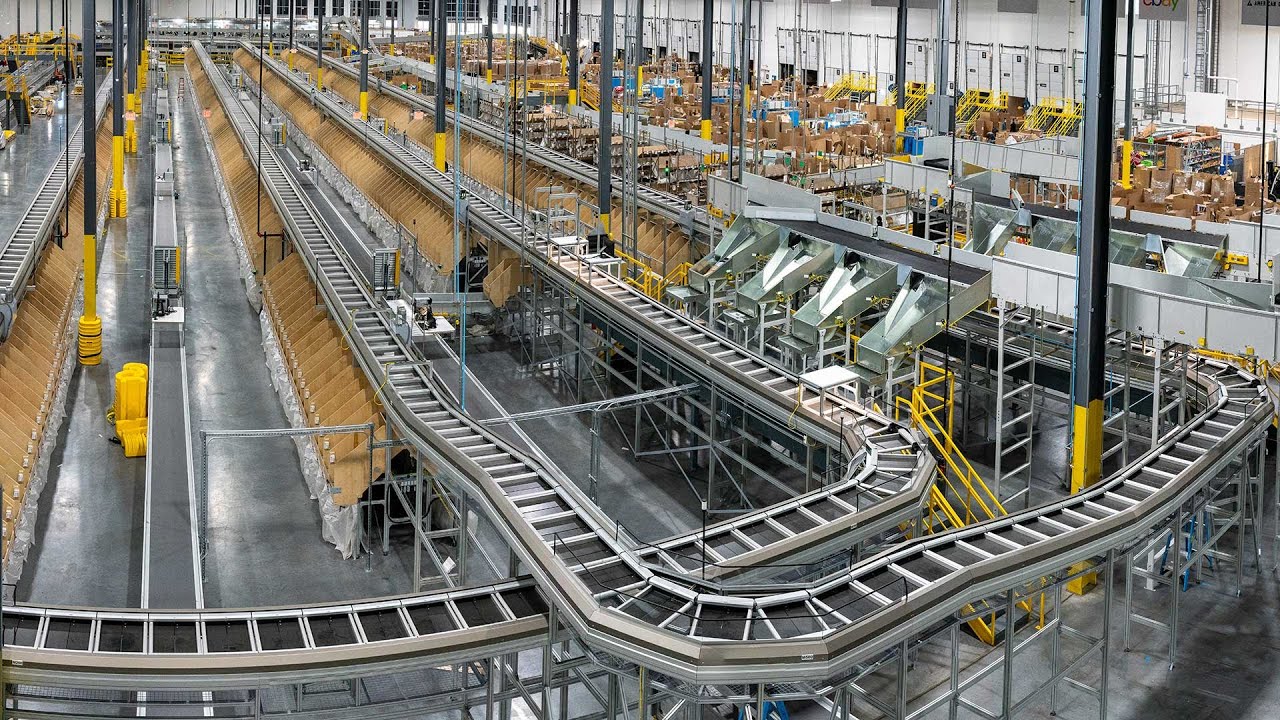
Pitney Bowes Facility High Throughput Sortation
EuroSort
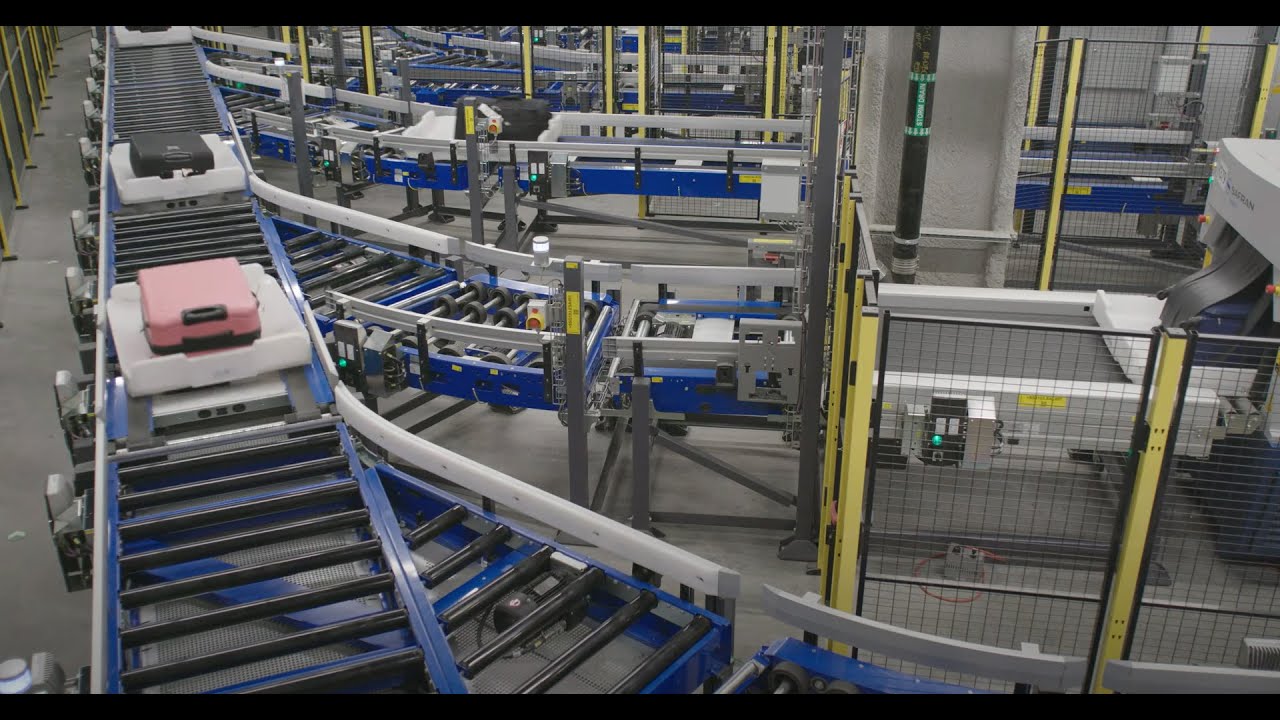
San Francisco International Airport Harvey Milk Terminal 1 Baggage Handling System
Beumer Group
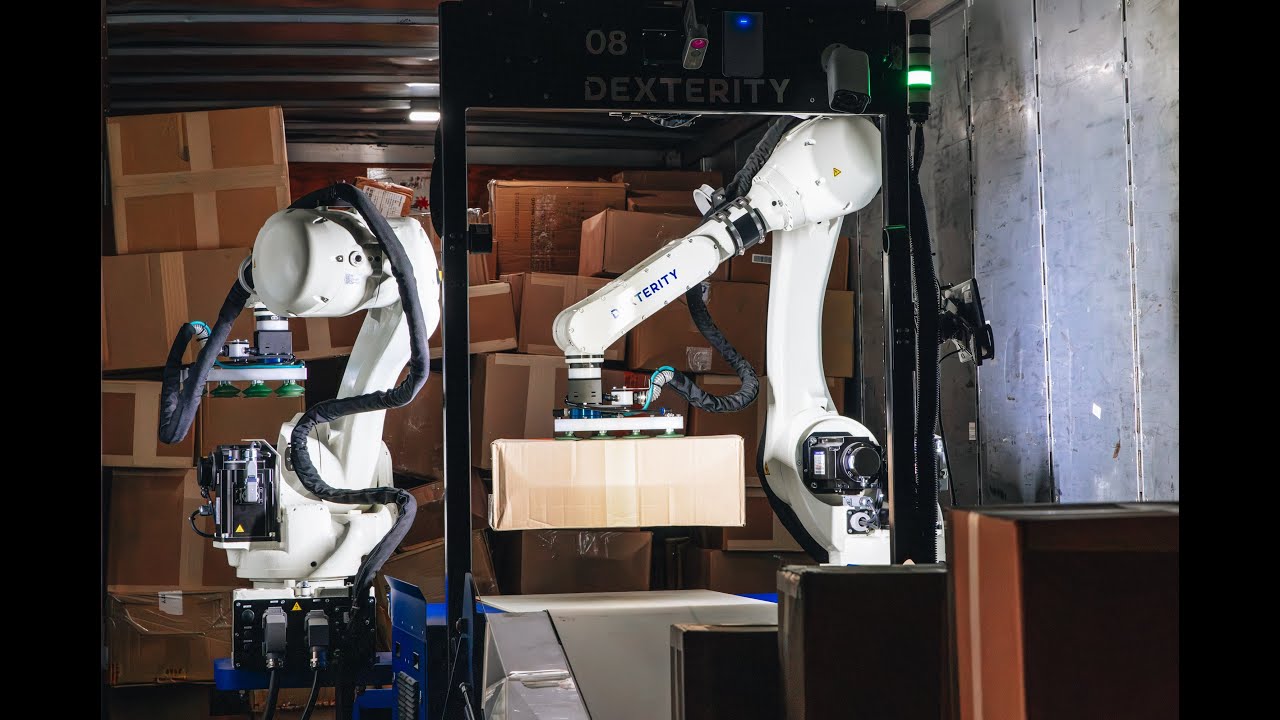
Dexterity AI & FedEx Parcel Hub Robotic Truck Loading Project
Dexterity AI
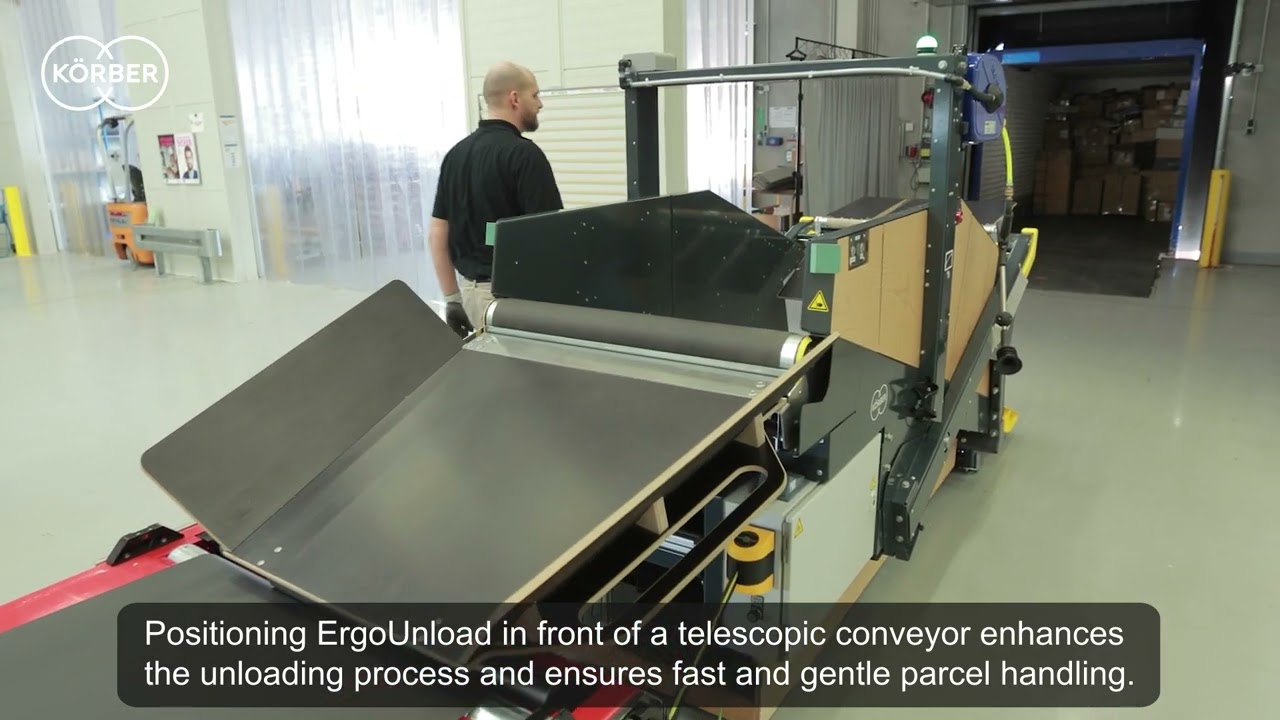
Körber ErgoUnload Parcel Unloading System
Körber
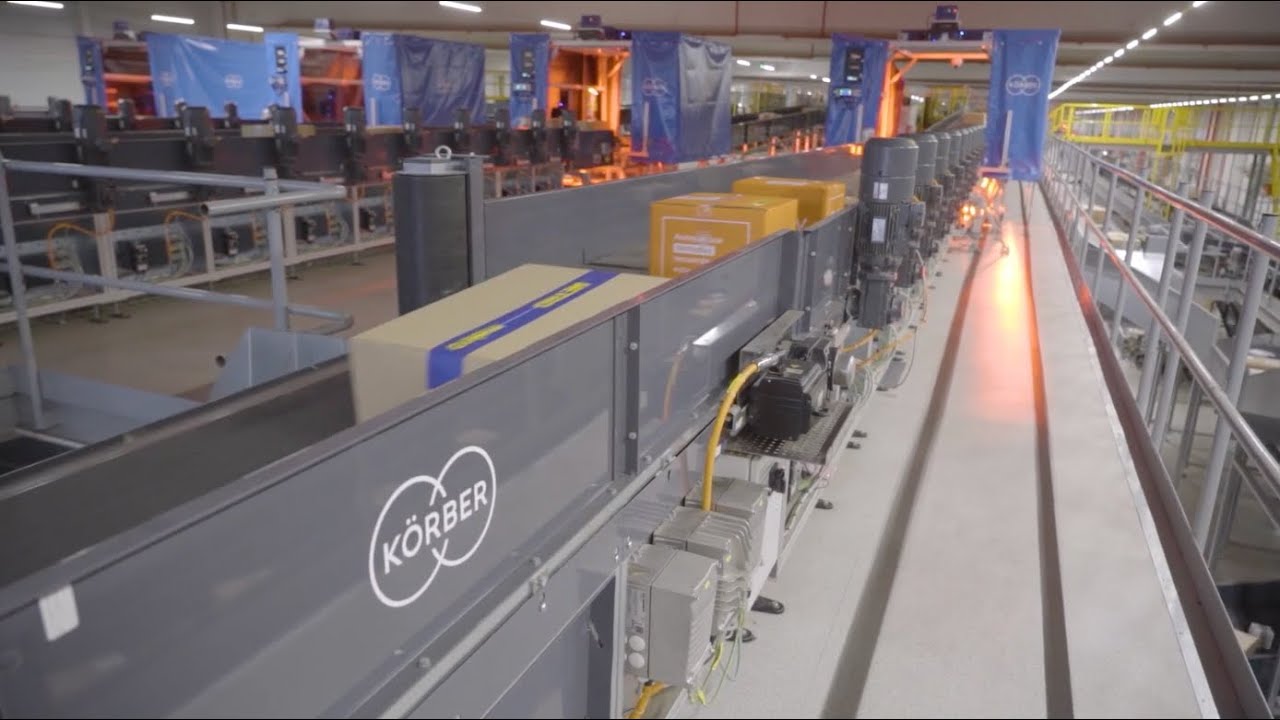
GLS Spain Madrid Parcel Sorting Hub
Körber

UK Mail - Purpose-Built Automated Parcel Sortation Hub
Beumer Group
Related Suppliers(3)

Bastian Solutions
A Toyota Advanced Logistics Company

BEUMER Group
International Quality Leader in Intralogistics

Cognex Corporation
The World's Leader in Machine Vision