Modular Pallet Conveyor Platform (MPP): Flexible Automation Basis
Quick Facts
Technology Performance Metrics
⭐Key Features
Benefits
Applications
Detailed Information
Technology Overview
The Modular Pallet Conveyor Platform (MPP) by Interroll represents a systematic, building-block approach to designing and implementing powered pallet conveyor systems. Building on the successful concept of its Modular Conveyor Platform (MCP) for smaller loads, the MPP scales this philosophy up to unit load handling. It is designed as a foundational technology that enables logistics planners and system integrators to construct customized, reliable pallet flow networks without resorting to fully custom-engineered solutions. By standardizing core components and interfaces, the MPP aims to reduce complexity, speed up deployment, and ensure high reliability for automating the movement of pallets in warehouses, distribution centers, and production facilities.
How It Works
Core Principles
The core principle is modularity and standardization, akin to building with LEGO bricks. The platform consists of a range of pre-engineered, interoperable modules (straight sections, curves, merges, transfers, drives, etc.) that can be combined in various configurations to form a complete conveyor circuit. This modularity governs both the mechanical layout and the control integration.
Key Features & Capabilities
The foundation of the MPP is its modular platform based on a LEGO-like design principle, which empowers users to design complex systems from a catalog of standard parts. This makes it a versatile solution for handling pallets in comprehensive storage and conveyor systems, capable of serving as the backbone for everything from simple transport lines to complex sortation and buffering networks. A key strength is that it utilizes proven, field-tested technical components, ensuring high reliability and reducing the risk associated with new technology adoption.
The platform offers implementation flexibility by supporting gear or drum motor propulsion, allowing engineers to select the most appropriate and cost-effective drive technology for different sections of the line based on load, speed, and control requirements. Furthermore, it is capable of implementing zero pressure accumulation conveyor lines, a critical feature for preventing pallet damage and managing flow in high-throughput systems where lines may temporarily back up.
Advantages & Benefits
The MPP provides an ideal, versatile basis for creating customized pallet handling solutions, significantly reducing the engineering effort required for system design. Its highly flexible modular structure simplifies design and configuration, allowing for easier future modifications or expansions as operational needs change. End-users benefit from the reliability derived from components tested by hundreds of thousands of users in Interroll's existing product lines, leading to lower lifecycle costs and higher uptime. Finally, it is designed to seamlessly integrate with Interroll's Pallet & Carton Flow storage system, creating a cohesive and optimized material handling ecosystem from storage to transport.
Implementation Considerations
Considerations include the need for careful system layout planning to optimally utilize the available modular components. The choice between gear motor and drum motor drives has implications for cost, maintenance, and control granularity. While modular, the system still requires professional integration, controls programming, and commissioning to ensure all modules function as a cohesive whole.
Use Cases & Applications
Ideal For
The MPP is ideal for greenfield warehouse projects or major retrofits where a standardized, reliable, and scalable method of automating pallet movement is required, especially when paired with dynamic storage systems like pallet flow racks.
Conclusion
Interroll's Modular Pallet Conveyor Platform (MPP) is a significant advancement in standardizing and simplifying pallet conveyor automation. By applying a proven modular philosophy to the pallet handling domain, it offers system designers a powerful toolkit to build robust, flexible, and future-proof solutions. Its focus on component reliability, implementation flexibility (including zero-pressure accumulation), and synergy with storage products makes it a compelling choice for businesses seeking to enhance efficiency and scalability in their pallet-based logistics operations. The MPP effectively lowers the barrier to entry for sophisticated pallet automation while maintaining the performance standards demanded by modern supply chains.
Related Knowledge
Storage
Storage is the warehouse process of holding inventory in organized locations until needed, balancing space utilization, accessibility, and inventory control to support efficient operations.
Transport
Transport is the warehouse process of moving materials, products, and equipment between locations within the facility to support receiving, storage, picking, and shipping operations.
Cold Storage Strategy
Cold storage and temperature-controlled warehousing are critical for preserving perishable goods throughout the supply chain. From frozen foods to pharmaceuticals, these specialized facilities maintain precise temperature conditions while optimizing energy efficiency and operational performance.
Vendor
InterrollRelated Technologies
Industrial Robotic Palletizing System for Bulk Bags
Columbia/Okura LLC
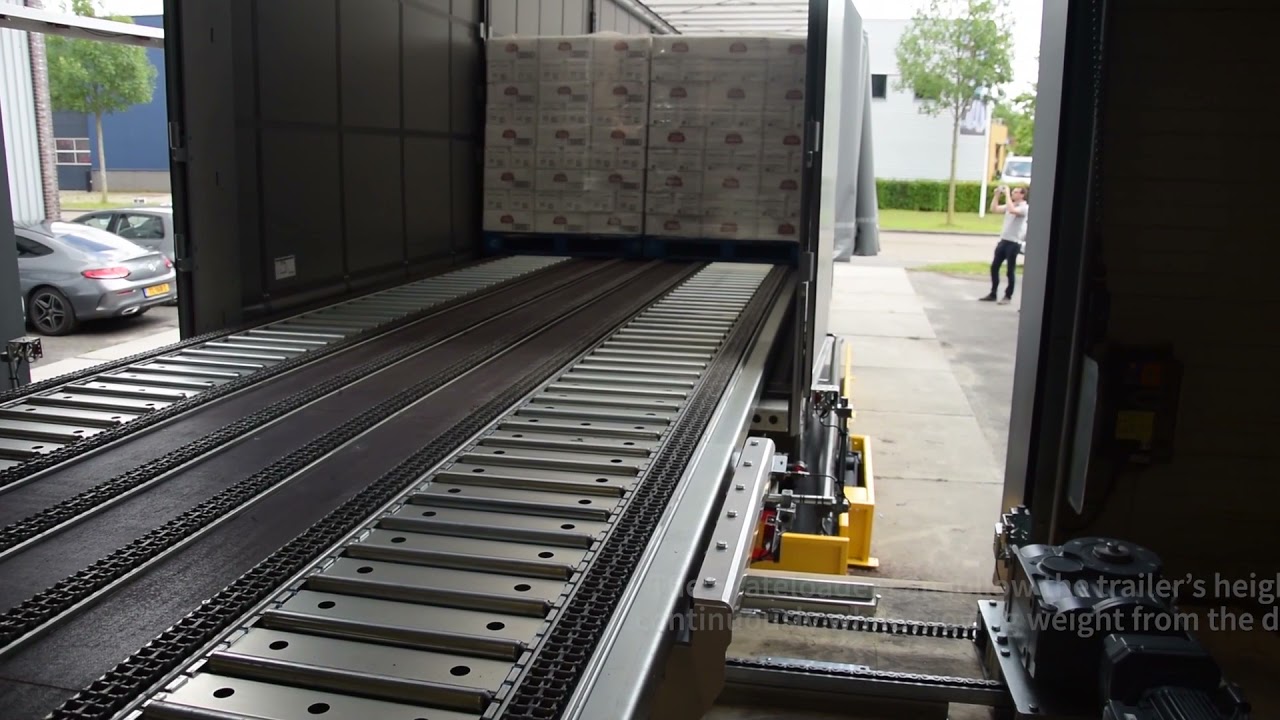
Skateloader: Automatic One-shot Loading System
Ancra Systems
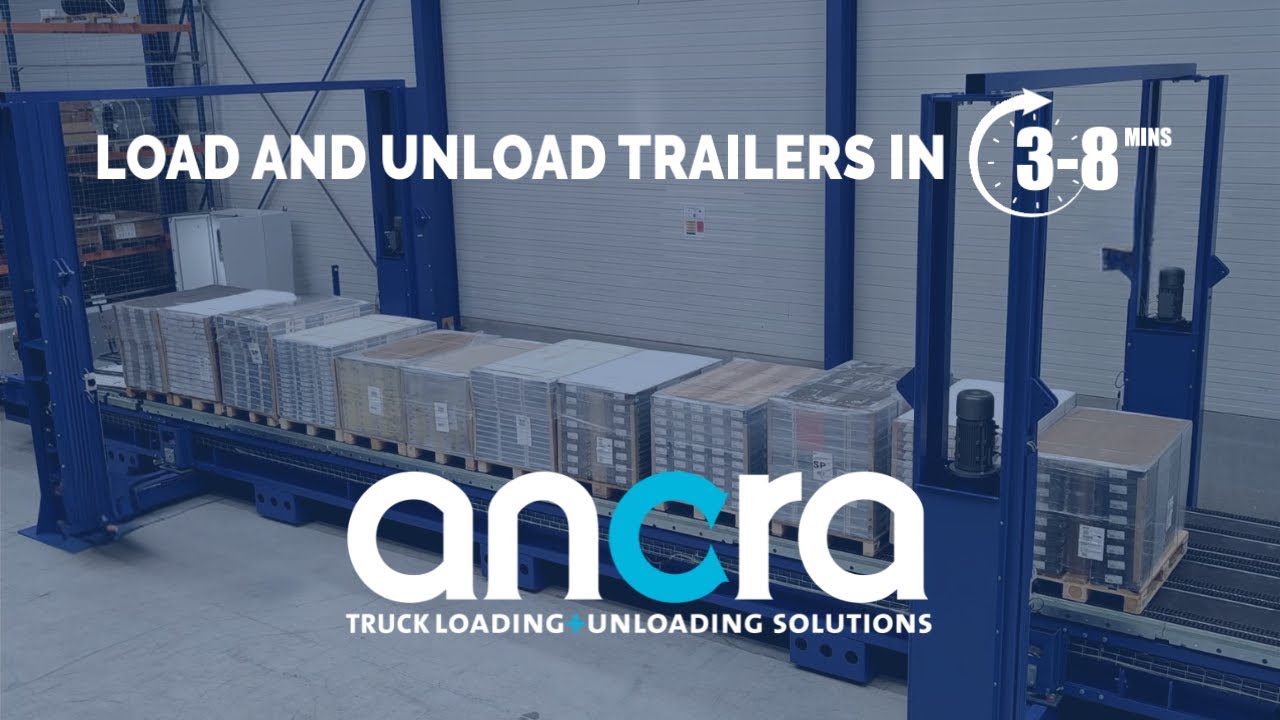
Skateloader: Automated Truck/Container Loading System with Buffer
AncraSystems