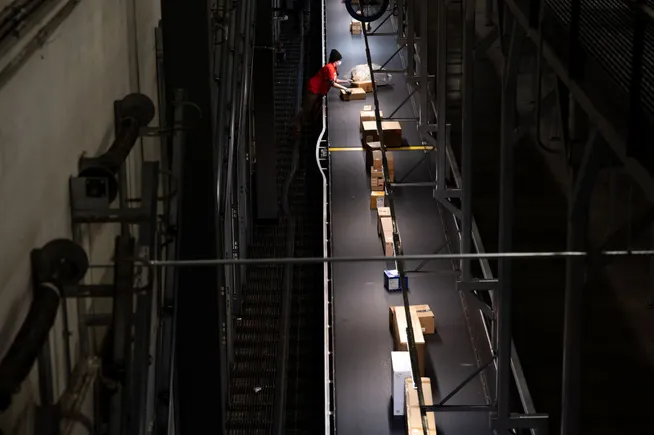
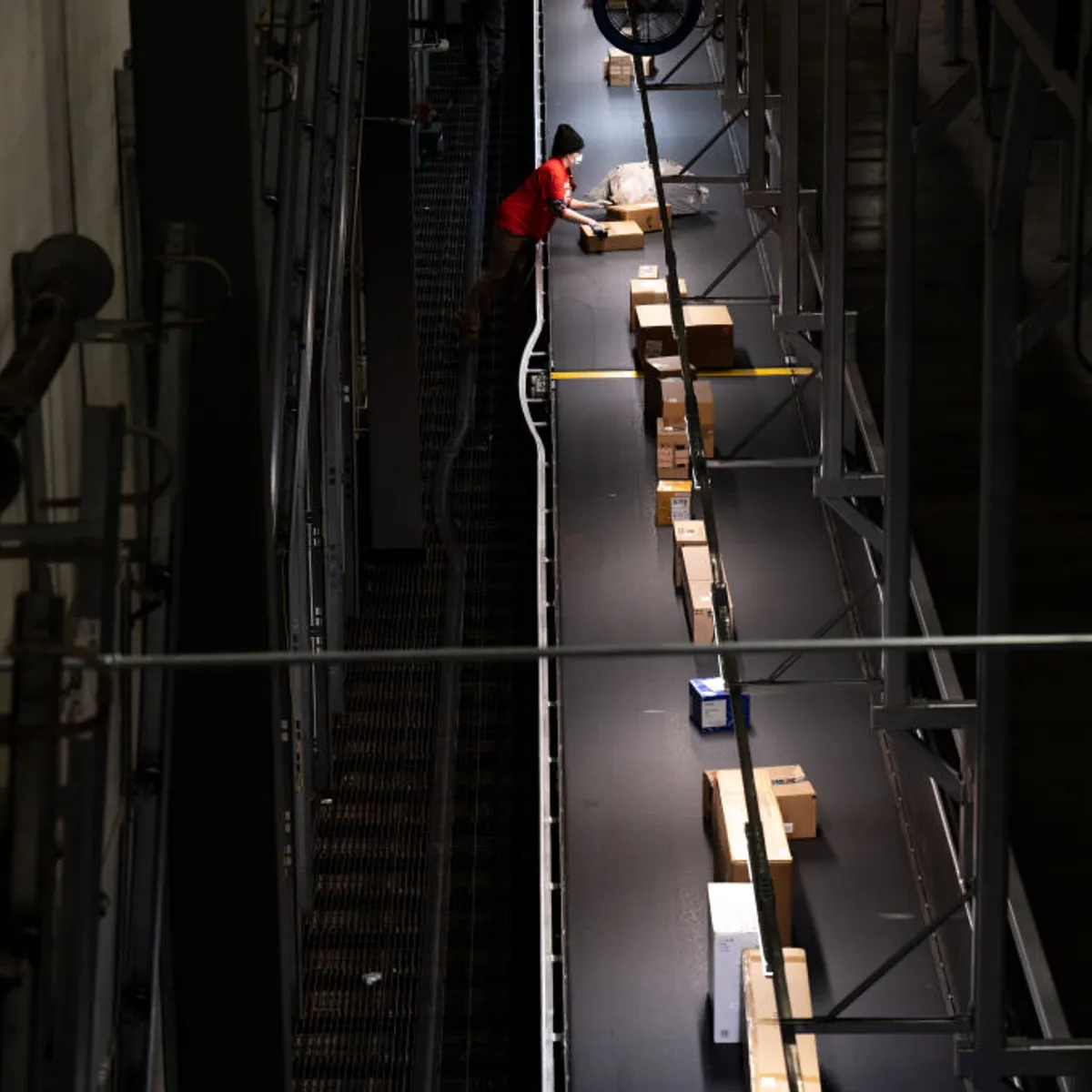
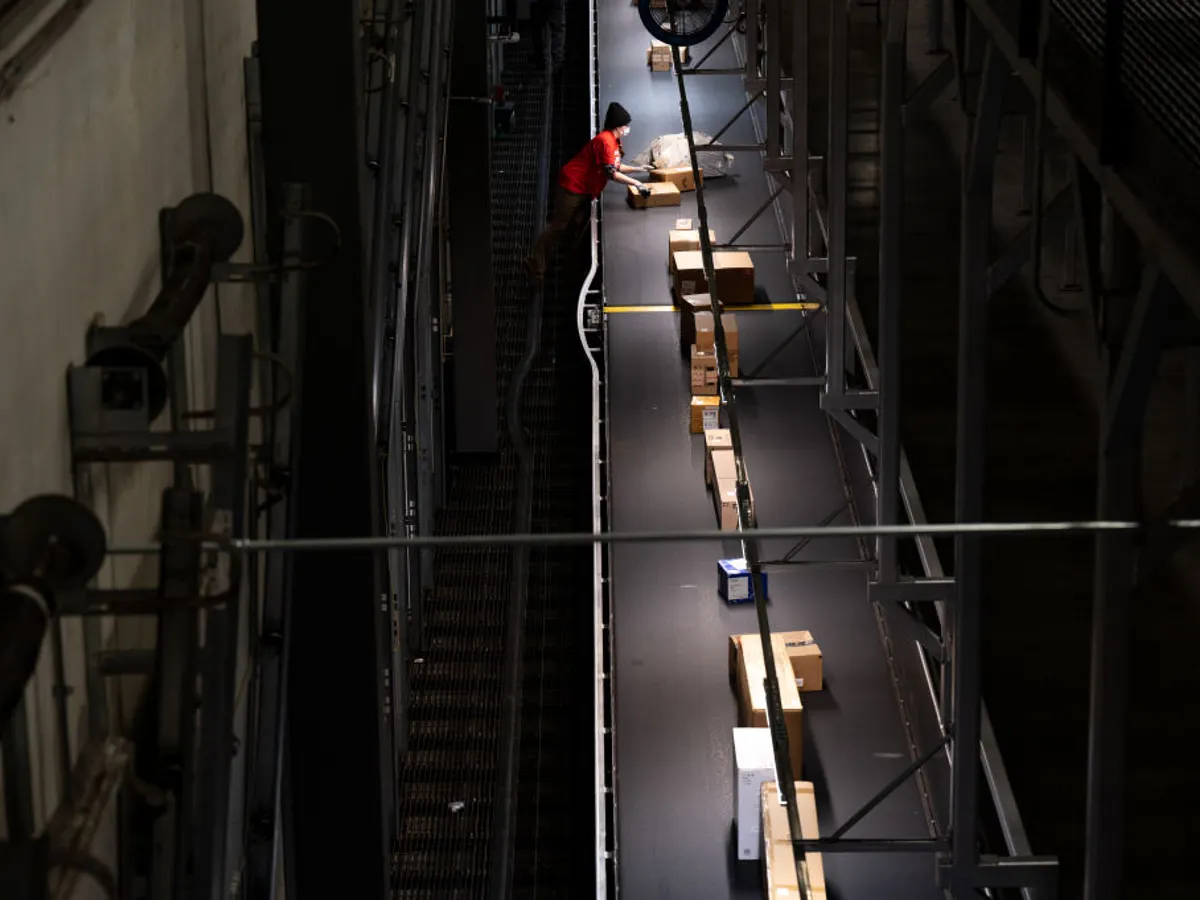
UPS reported on July 30, 2026, that 68.5% of its U.S. package volume at the end of the second quarter flowed through automated facilities, up from 64% a year earlier. This increase corresponds to approximately 337 million additional packages handled with automation. CEO Carol Tomé stated on the company’s earnings call that the cost per piece in an automated building is about 28% lower than in a non-automated facility, providing confidence in continued productivity gains.
The carrier has been steadily advancing a more automated U.S. network to reduce reliance on manual labor for package movement and sorting. Deployed technologies include trailer unloading systems and vehicles capable of handling irregularly sized shipments. In a January earnings call, Tomé indicated that UPS planned to add 24 more automated buildings in 2026 to an existing base of 127 automated facilities.
This progress coincides with the near-completion of UPS’s Amazon delivery volume reduction initiative, which has cut average daily Amazon packages by about 2 million since 2025. Tomé described the removed volume as lower-quality and noted that the U.S. network has been reconfigured and further automated to focus on higher-margin business. The result is described as a leaner, more automated and more agile network positioned to deliver operating leverage as volume recovers.
Automated hubs enable more flexible capacity adjustments compared with conventional facilities. EVP and CFO Brian Dykes reported that UPS has eliminated roughly 50 million hours and nearly 78,000 operational positions associated with the reduced volume, while also closing nearly 150 buildings. The strategy reflects a broader industry shift toward automation to lower handling costs, improve throughput flexibility, and adapt capacity more dynamically in response to volume changes.