Goods-to-Person System: Warehouse Automation Solution
Quick Facts
Technology Performance Metrics
⭐Key Features
Benefits
Applications
Detailed Information
Technology Overview
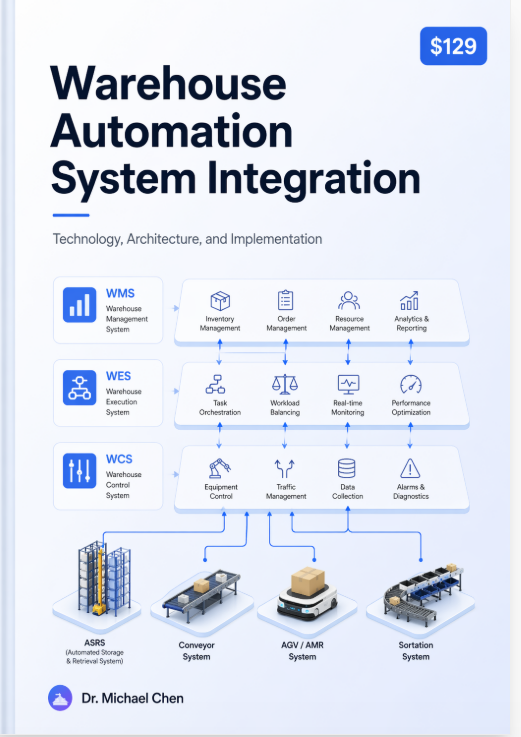
The Liftians Goods-to-Person (GTP) system is an automation solution designed to transform traditional warehouse operations. By reversing the classic "person-to-goods" picking model, this system brings the inventory directly to stationary or semi-stationary picking workstations. This approach is central to modern fulfillment strategies aimed at drastically improving throughput and accuracy. The system's effectiveness is underpinned by seamless software integration, which orchestrates the movement of goods and synchronizes with broader warehouse management processes.
How It Works
Core Principles
The core principle is the Goods-to-Person paradigm. The system automates the retrieval and transportation of storage units (like totes, bins, or trays) from a high-density storage area to an ergonomic picking workstation, eliminating the need for pickers to walk through aisles.
Key Features & Capabilities
The Goods-to-Person automation is the defining feature, fundamentally re-engineering the pick process for maximum efficiency. The software integration capability is critical, as the system relies on WES/WCS to act as the "brain," optimizing tasks, managing inventory in real-time, and ensuring smooth interoperability with other warehouse systems like WMS. The solution is presented as a deployable system, indicating it is a proven, integrated package ready for implementation in a live warehouse environment, not just a conceptual design.
Advantages & Benefits
The primary benefit is a dramatic enhancement in warehouse productivity. By eliminating travel, pick rates can increase significantly. This leads directly to improved operational efficiency, allowing the same or fewer staff to fulfill more orders per hour. The system also contributes to better ergonomics and accuracy, as pickers remain in a fixed, optimized position, reducing errors and physical strain associated with traditional picking.
Implementation Considerations
Implementation requires careful planning for software integration with existing warehouse management infrastructure. The initial capital investment for the automation hardware and software is a key financial consideration. Furthermore, facility adaptation may be necessary to accommodate the system's layout, which could involve changes to existing racking or floor space allocation.
Use Cases & Applications
Ideal For
This system is ideal for warehouses experiencing growth in order volume, struggling with labor shortages, or where picking efficiency is a critical bottleneck.
Conclusion
The Liftians Goods-to-Person system represents a strategic investment for warehouses aiming to become more productive and competitive. By automating the movement of goods and integrating intelligent software, it addresses core inefficiencies in the picking process. Companies considering this technology should conduct a thorough analysis of their current workflows, order profiles, and integration landscape to ensure a successful transformation into a more automated and powerful operation.
Related Knowledge
Robotic Case Picking
Advanced robotic case picking systems that combine industrial robotics with intelligent vision systems to automate the handling of full cases and cartons, delivering exceptional speed, precision, and reliability in high-volume distribution operations.
Robotic Piece Picking
Advanced robotic systems that use AI and computer vision to automatically select and pick individual items from diverse inventory, revolutionizing warehouse fulfillment operations with human-like dexterity and intelligence.
Voice Picking Systems
Voice picking systems revolutionize warehouse operations by enabling hands-free, eyes-free order fulfillment through speech recognition technology. Workers receive spoken instructions through wireless headsets and confirm actions verbally, dramatically improving productivity, accuracy, and safety while reducing training time.
Vendor
OthersRelated Technologies
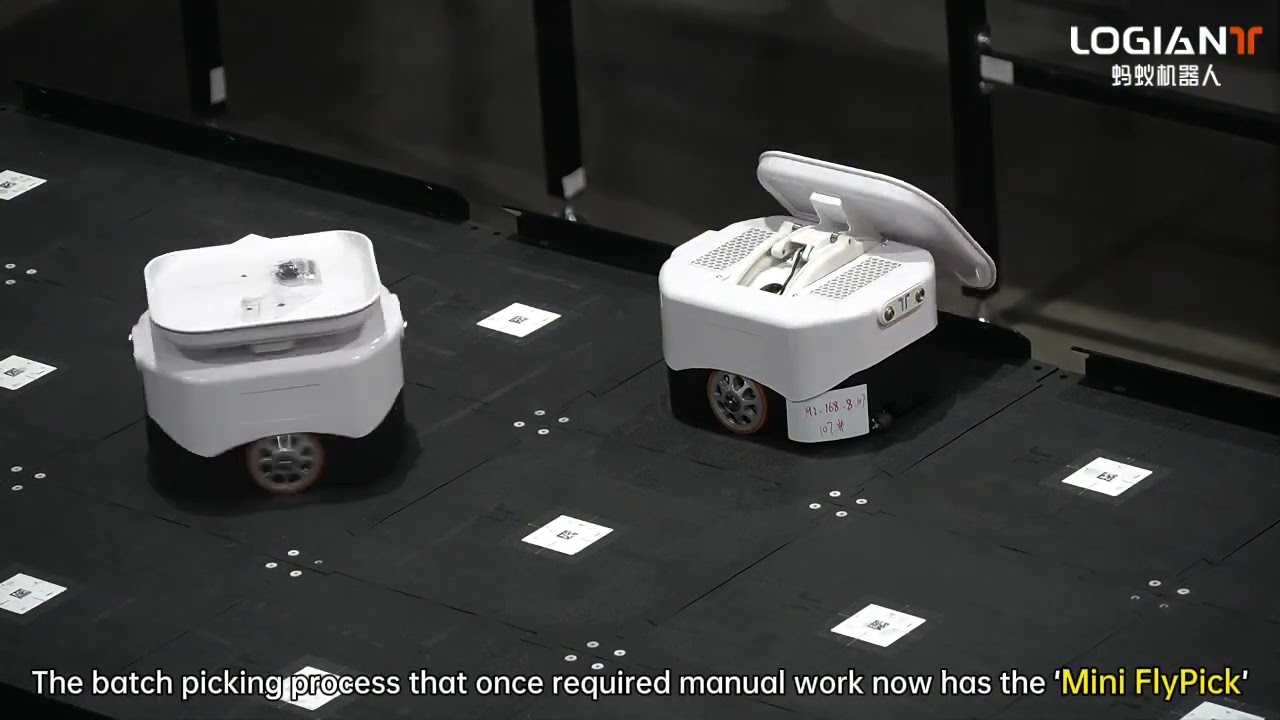
Mini FlyPick Robot: Compact High-Speed Sorting AMR
Others

Split Tray (Bomb Bay) Sorter Compilation: Versatile High-Speed Sortation
Others
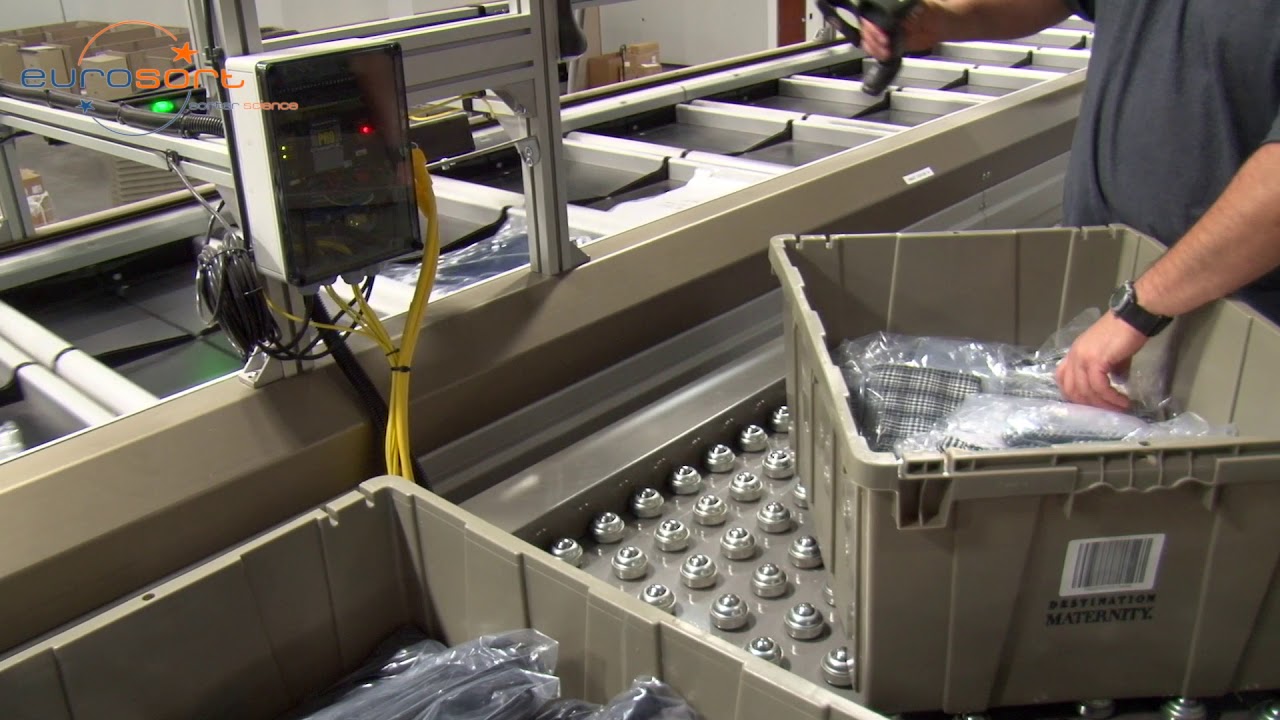
Patented Dual Split Tray (Bomb Bay) Sorter with Batch Induction
Others