Cardinal: AI-Powered Robotic Package Sorter
Quick Facts
Technology Performance Metrics
⭐Key Features
Benefits
Applications
Detailed Information
Technology Overview
Cardinal is an advanced robotic sorting technology developed by Amazon, designed to automate a critical step in parcel and e-commerce logistics: the sortation of individual packages for shipment. Traditionally, this task involves workers manually reading labels and tossing packages into appropriate chutes or bins. Cardinal employs a combination of computer vision and artificial intelligence to replicate and enhance this process. The system identifies, picks, and sorts packages autonomously, aiming to increase speed, accuracy, and operational efficiency in high-volume sorting facilities. This technology represents a significant step in automating the "pick-and-place" operations within the sortation process.
How It Works
Core Principles
The core principle is robotic item singulation and induction based on visual recognition. The system uses computer vision to identify individual packages within a mixed stream or lineup. Artificial intelligence algorithms then interpret the shipping label on each package to determine its destination (e.g., zip code, carrier route, or shipping lane). A robotic arm subsequently picks up the package and places it into the corresponding wheeled bin or onto the correct conveyor spur for the next stage of its journey.
Key Features & Capabilities
AI-Powered Label Reading: The system's intelligence lies in its ability to accurately read and interpret diverse shipping labels under various lighting and orientation conditions. This AI capability is crucial for handling the immense variety of package types and label formats encountered in logistics.
Robotic Singulation and Picking: Cardinal can isolate ("singulate") and pick individual packages from a non-segregated group. This is a complex task requiring the robot to identify package boundaries and plan a safe gripping point to avoid damage or dropping adjacent items.
Precision Placement into Bins: After identification and picking, the robot must accurately place the package into a moving or stationary target bin. This requires precise motion control to ensure sorted packages are correctly deposited without causing jams or mis-sorts.
Advantages & Benefits
The primary advantage is labor productivity and ergonomics. Automating the repetitive and physically demanding task of manual package sorting reduces labor costs and minimizes worker strain and injury risk. Increased sorting speed and accuracy are also key benefits, as the robot can operate continuously and the AI reduces human error in reading labels. This leads to more reliable downstream shipping and fewer misrouted packages.
Implementation Considerations
Implementing such a system requires a highly reliable and accurate AI vision system capable of handling the "long tail" of unusual package shapes, crumpled labels, and poor lighting conditions. The robotic cell must be integrated into a high-speed conveyor system with precise timing. The total cost of the system, including the advanced AI development and robotic hardware, must be justified by the volume and labor savings. Maintenance of both the robotic and vision systems requires specialized skills.
Use Cases & Applications
Ideal For
Cardinal is ideal for high-volume parcel sorting hubs, e-commerce fulfillment centers, and postal service facilities where thousands of packages per hour need to be sorted by destination, carrier, or shipping lane.
Conclusion
Amazon's Cardinal robotic sorter exemplifies the trend toward using AI and robotics to automate complex perception and manipulation tasks in logistics. By successfully combining vision, AI, and robotics, it addresses a core bottleneck in package handling. While the technology promises significant gains in efficiency and labor optimization, its implementation is complex and likely most cost-effective in extremely high-volume operations typical of major logistics players. As the technology matures and costs decrease, it has the potential to become a more widespread solution for automating package sortation across the industry.
Related Knowledge
Robotic Case Picking
Advanced robotic case picking systems that combine industrial robotics with intelligent vision systems to automate the handling of full cases and cartons, delivering exceptional speed, precision, and reliability in high-volume distribution operations.
Robotic Piece Picking
Advanced robotic systems that use AI and computer vision to automatically select and pick individual items from diverse inventory, revolutionizing warehouse fulfillment operations with human-like dexterity and intelligence.
Voice Picking Systems
Voice picking systems revolutionize warehouse operations by enabling hands-free, eyes-free order fulfillment through speech recognition technology. Workers receive spoken instructions through wireless headsets and confirm actions verbally, dramatically improving productivity, accuracy, and safety while reducing training time.
Vendor
OthersRelated Technologies
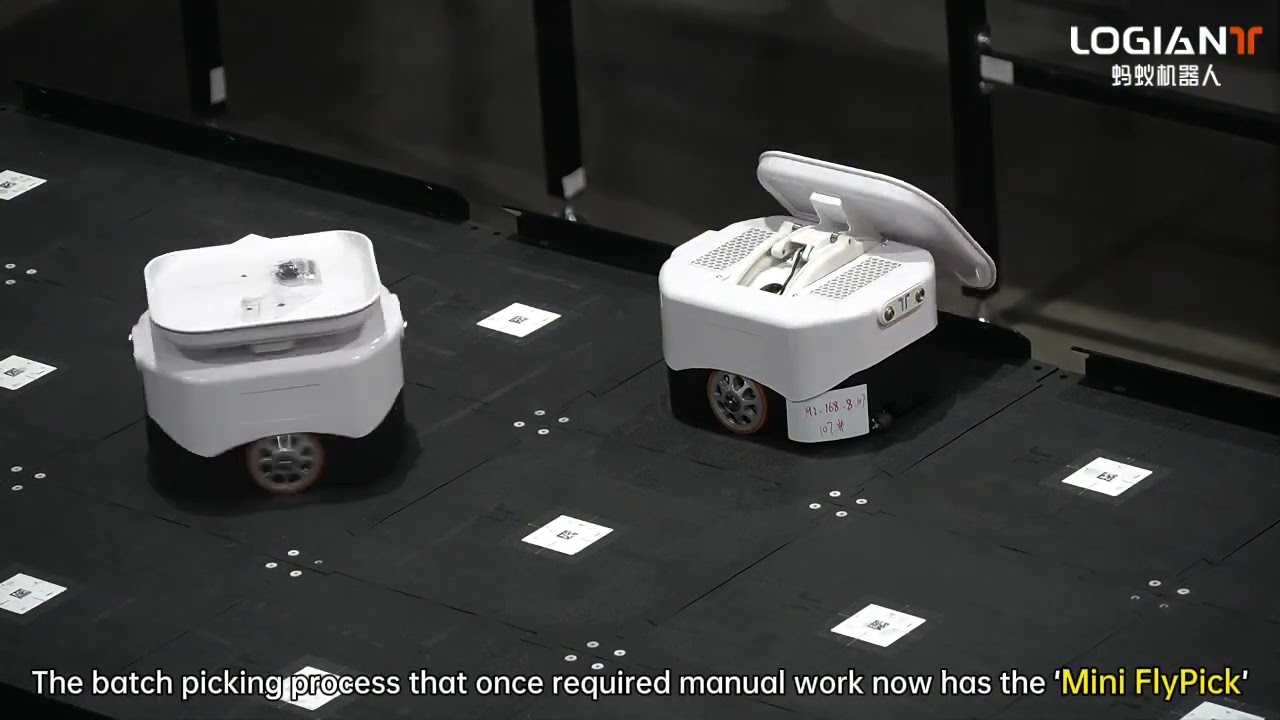
Mini FlyPick Robot: Compact High-Speed Sorting AMR
Others

Split Tray (Bomb Bay) Sorter Compilation: Versatile High-Speed Sortation
Others
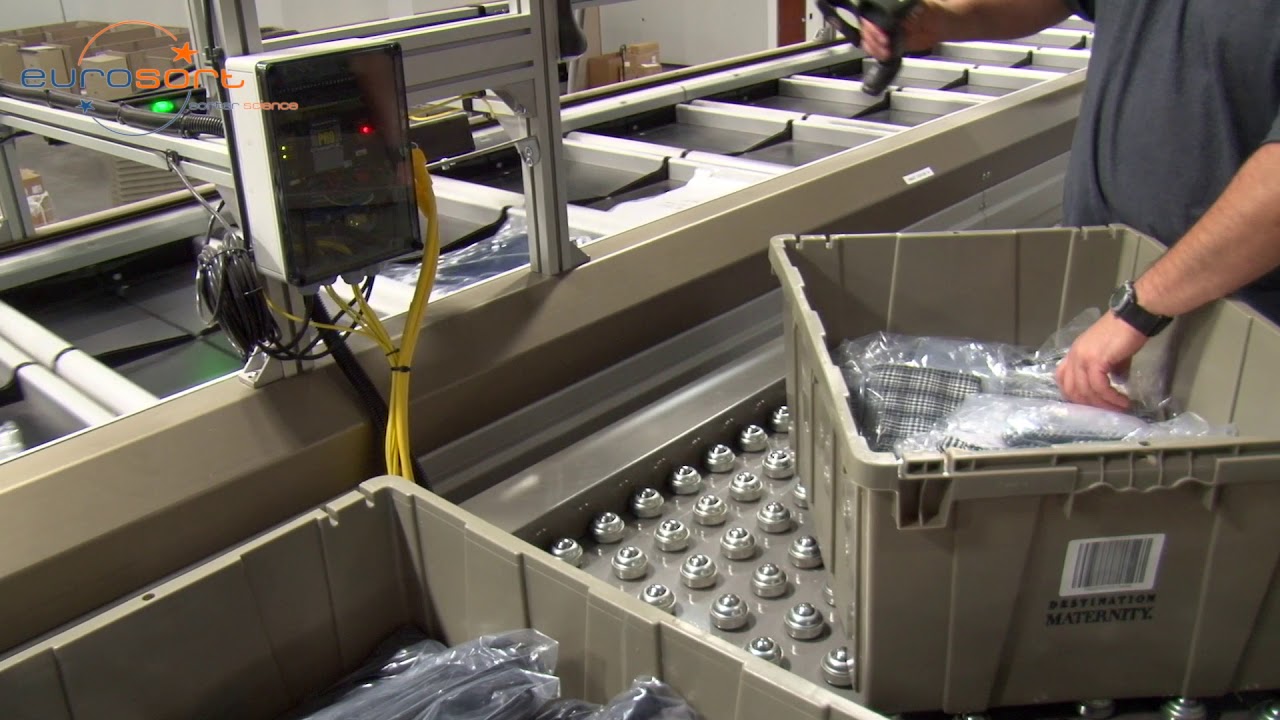
Patented Dual Split Tray (Bomb Bay) Sorter with Batch Induction
Others