WES (Warehouse Execution System)
Real-time execution layer that orchestrates automated equipment, optimizes task sequencing, and bridges the gap between warehouse management systems and material handling controls for maximum operational efficiency.
WES Architecture & Capabilities
Core Capabilities
- ▸Real-Time Orchestration: Dynamic task coordination
- ▸Resource Balancing: Workload optimization
- ▸Wave Management: Intelligent work release
- ▸Priority Control: Dynamic adjustment
System Integration
- ▸WMS Interface: Order & inventory data
- ▸WCS Control: Equipment commands
- ▸Multi-Vendor: Standardized APIs
- ▸Real-Time Sync: Bidirectional updates
Equipment Control
- ▸AS/RS Coordination: Crane & shuttle control
- ▸Conveyor Management: Flow optimization
- ▸Robot Fleet: AMR/AGV orchestration
- ▸Sorter Systems: Routing control
Real-time orchestration
between warehouse management
and material handling
Optimization
- ▸Throughput Max: Capacity utilization
- ▸Bottleneck Detection: Real-time analysis
- ▸Path Optimization: Minimal travel time
- ▸Load Balancing: Even distribution
Visibility & Analytics
- ▸Live Dashboards: Real-time metrics
- ▸Performance KPIs: Throughput tracking
- ▸Exception Alerts: Proactive notifications
- ▸Historical Analysis: Trend reporting
Advanced Features
- ▸AI/ML Algorithms: Predictive optimization
- ▸Self-Learning: Continuous improvement
- ▸Predictive Maintenance: Equipment health
- ▸Digital Twin: Simulation integration
Maximum Throughput
Eliminates idle time and optimizes task sequencing to push facilities to near-theoretical maximum capacity while maintaining quality and accuracy.
Operational Flexibility
Configurable business rules enable rapid adaptation to changing requirements without extensive reprogramming or system modifications.
Enhanced Visibility
Real-time dashboards and detailed execution logs provide unprecedented insight for proactive management and continuous improvement.
Three-Tier Architecture
What is a Warehouse Execution System (WES)?
A Warehouse Execution System (WES) is a sophisticated software layer that sits between the Warehouse Management System (WMS) and Warehouse Control System (WCS), providing real-time orchestration and optimization of automated material handling equipment and labor resources. Unlike traditional WMS that focuses on inventory management and order planning, WES excels at dynamic task execution, continuously analyzing operational conditions and making split-second decisions to maximize throughput, balance workloads, and optimize resource utilization across the entire fulfillment operation.
The power of WES lies in its ability to intelligently coordinate multiple automation systems simultaneously—from AS/RS cranes and conveyor networks to robotic picking stations and sortation systems—while dynamically adjusting priorities based on real-time conditions such as order urgency, equipment availability, labor capacity, and downstream bottlenecks. This creates a highly responsive, self-optimizing fulfillment environment that can adapt to changing demands throughout the day.
Core Capabilities
Real-Time Task Orchestration forms the heart of WES functionality, where the system continuously receives order waves from the WMS and breaks them down into thousands of individual tasks that must be executed across various zones and equipment types. The WES engine analyzes each task's requirements, current system state, and operational constraints to determine the optimal execution sequence and resource assignment. This includes intelligent wave release management that prevents system overload by metering work into the facility at rates that match actual processing capacity, ensuring smooth flow without creating congestion or idle time.
Dynamic Resource Balancing enables WES to continuously monitor workload distribution across all zones, equipment, and personnel, automatically redirecting tasks to underutilized resources while preventing overload conditions. The system employs sophisticated algorithms to balance competing objectives such as minimizing travel time, meeting cutoff deadlines, maintaining even workload distribution, and maximizing equipment utilization. When bottlenecks emerge, WES can dynamically reroute work, adjust priorities, or trigger alerts for management intervention, ensuring the operation maintains optimal flow even during peak periods or equipment disruptions.
Equipment Integration and Control allows WES to communicate directly with diverse automation technologies through standardized interfaces, sending execution commands and receiving real-time status updates. This includes coordinating multi-system workflows where a single order might require sequential processing through goods-to-person stations, automated packing lines, and sortation systems. The WES ensures seamless handoffs between systems, manages buffer zones to prevent congestion, and maintains visibility of item location throughout the entire fulfillment journey from storage to shipping.
Momentum Warehouse Execution System (WES): Real-Time Fulfillment Orchestration
Vendor: Honeywell Intelligrated
Key Benefits
Throughput Maximization is achieved through WES's ability to eliminate idle time and optimize task sequencing across all resources. By continuously analyzing system capacity and dynamically adjusting work release rates, WES can push facilities to operate at near-theoretical maximum throughput while maintaining quality and accuracy. The system identifies and resolves micro-bottlenecks in real-time, ensures balanced utilization of parallel resources, and coordinates complex multi-step processes to maintain continuous flow without manual intervention.
Operational Flexibility allows facilities to quickly adapt to changing business requirements without extensive reprogramming or system modifications. WES provides configurable business rules that enable operations managers to adjust priorities, modify routing logic, or implement new fulfillment strategies through intuitive interfaces rather than custom code development. This agility is particularly valuable for operations handling diverse order profiles, seasonal volume fluctuations, or frequent promotional campaigns that require rapid operational adjustments.
Enhanced Visibility and Control gives operations teams unprecedented insight into real-time performance across all systems and processes. WES dashboards display live metrics on throughput rates, equipment utilization, order status, and bottleneck identification, enabling proactive management and rapid problem resolution. The system maintains detailed execution logs that support root cause analysis, performance trending, and continuous improvement initiatives, while providing the data foundation for predictive analytics and machine learning applications.
System Architecture
Layered Software Design positions WES as the critical middle layer in the warehouse technology stack, receiving high-level instructions from WMS regarding what needs to be fulfilled and translating these into detailed execution commands for WCS and automation equipment. This three-tier architecture (WMS → WES → WCS) creates clear separation of concerns: WMS handles inventory management and order planning, WES manages real-time execution and optimization, and WCS controls individual equipment operations. The layered approach enables best-of-breed component selection and simplifies system upgrades or replacements.
Integration Framework within modern WES platforms supports connectivity with virtually any warehouse automation technology through standardized APIs, message queuing, and protocol adapters. The system can simultaneously manage legacy equipment using proprietary protocols alongside cutting-edge robotics using modern REST APIs, creating a unified orchestration layer regardless of underlying technology diversity. This integration capability is essential for facilities with mixed automation vintages or those pursuing phased automation expansion strategies.
Scalability and Performance requirements demand that WES platforms handle thousands of concurrent tasks, process hundreds of transactions per second, and maintain sub-second response times even during peak operations. Modern WES architectures employ distributed processing, in-memory databases, and event-driven designs to achieve the performance levels required for large-scale automated facilities. The systems must also scale horizontally to support facility expansion or increased automation density without performance degradation.
Movu Warehouse Execution System (WES): For Shuttle and AMR Management
Vendor: Movu Robotics
Implementation Considerations
Scope Definition is critical for WES projects, as the system's role can vary significantly based on facility automation levels, existing technology investments, and operational requirements. Some implementations focus narrowly on equipment orchestration for highly automated zones, while others encompass broader execution management including labor direction, quality control, and exception handling across the entire facility. Clear definition of WES responsibilities versus WMS and WCS functions prevents gaps and overlaps that can compromise system performance.
Change Management challenges often exceed technical implementation complexity, as WES fundamentally changes how operations teams interact with warehouse systems and make decisions. The shift from manual task assignment and priority management to algorithm-driven execution requires new skills, modified workflows, and cultural adaptation. Successful implementations invest heavily in training, provide intuitive user interfaces for system monitoring and intervention, and maintain appropriate human oversight during the transition period.
Performance Tuning is an ongoing process rather than a one-time configuration exercise, as WES algorithms must be continuously refined based on actual operational data and changing business requirements. Initial implementations typically start with conservative settings and gradually increase automation levels as teams gain confidence and identify optimization opportunities. The system's configurable business rules should be regularly reviewed and adjusted based on performance metrics, seasonal patterns, and operational feedback to maintain optimal efficiency.
Technology Trends
AI and Machine Learning Integration is transforming WES from rule-based execution engines into intelligent, self-learning systems that continuously improve performance through pattern recognition and predictive analytics. Modern platforms employ machine learning algorithms to forecast task completion times, predict equipment failures, optimize resource allocation, and automatically adjust operational parameters based on historical performance data. This evolution enables WES to handle increasingly complex scenarios and adapt to operational changes with minimal human intervention.
Cloud-Native Architectures are emerging as alternatives to traditional on-premise WES deployments, offering advantages in scalability, deployment speed, and total cost of ownership. Cloud-based WES platforms can leverage elastic computing resources to handle peak loads, provide automatic software updates and feature enhancements, and enable rapid deployment of new facilities or expansion of existing operations. However, concerns about latency, connectivity reliability, and data security must be carefully evaluated for mission-critical execution systems.
Unified Commerce Fulfillment capabilities are being incorporated into advanced WES platforms to support omnichannel retail strategies that blur the lines between store fulfillment, e-commerce distribution, and ship-from-store operations. These systems can dynamically allocate inventory and fulfillment capacity across multiple channels based on real-time demand, coordinate complex order splitting and consolidation scenarios, and optimize fulfillment location selection to minimize cost and delivery time while maximizing customer satisfaction.
Vendor Landscape
The WES market includes specialized pure-play vendors focused exclusively on execution management, automation suppliers offering WES as part of integrated material handling solutions, and WMS vendors extending their platforms with execution capabilities. Leading pure-play WES providers like Körber, Dematic, and Honeywell Intelligrated offer deep expertise in complex automation orchestration and multi-vendor integration. Material handling companies such as Vanderlande and Swisslog provide tightly integrated WES solutions optimized for their equipment ecosystems. Meanwhile, WMS vendors including Manhattan Associates and Blue Yonder have developed execution modules that blur the traditional WMS/WES boundary.
Selection criteria should emphasize proven experience with similar automation complexity, demonstrated integration capabilities with your specific equipment mix, scalability to support growth plans, and vendor financial stability for long-term partnership. The WES becomes the operational heartbeat of automated facilities, making vendor selection one of the most critical technology decisions in warehouse automation projects.
Related Technologies (6)
Momentum Warehouse Execution System (WES): Real-Time Fulfillment Orchestration
Honeywell Intelligrated
Momentum WES: Next-Generation Warehouse Execution and Control
Honeywell Intelligrated
Movu Warehouse Execution System (WES): For Shuttle and AMR Management
Movu Robotics
Put Walls: Cost-Effective Order Assembly and Consolidation
Lucas Systems
Dark Warehouse: Fully Automated Warehouse Operations
Addverb
Goods-to-Person System: Warehouse Automation Solution
Others
Related Software Topics
SAP EWM (Extended Warehouse Management)
Enterprise-grade warehouse management solution deeply integrated with SAP's ERP ecosystem, providing comprehensive functionality for complex logistics operations, advanced automation control, and seamless end-to-end supply chain visibility.
WCS (Warehouse Control System)
Low-level control system that directly manages and coordinates material handling equipment in real-time, translating high-level execution commands into precise device-level instructions for conveyors, sorters, and automated systems.
WMS (Warehouse Management System)
Warehouse Management Systems (WMS) serve as the central nervous system of modern warehouse operations, orchestrating inventory tracking, order fulfillment, labor management, and operational workflows. These sophisticated software platforms transform warehouses from simple storage facilities into intelligent, data-driven fulfillment engines that optimize every aspect of material flow and resource utilization.
About This Topic
Related Projects(6)

Bastian Solutions Corporate Profile: Toyota Advanced Logistics
Bastian Solutions

Addverb 3PL Omnichannel Fulfillment Center
Addverb
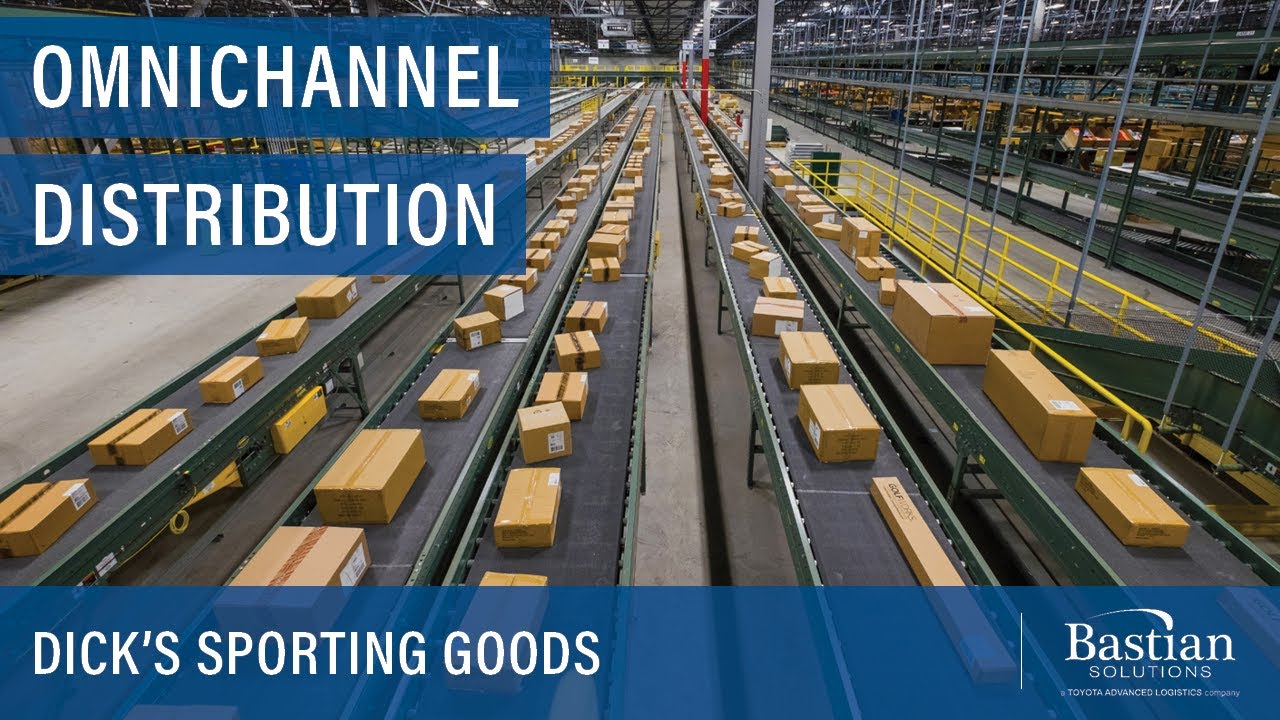
DICK'S Sporting Goods Conklin Distribution Center
Bastian Solutions
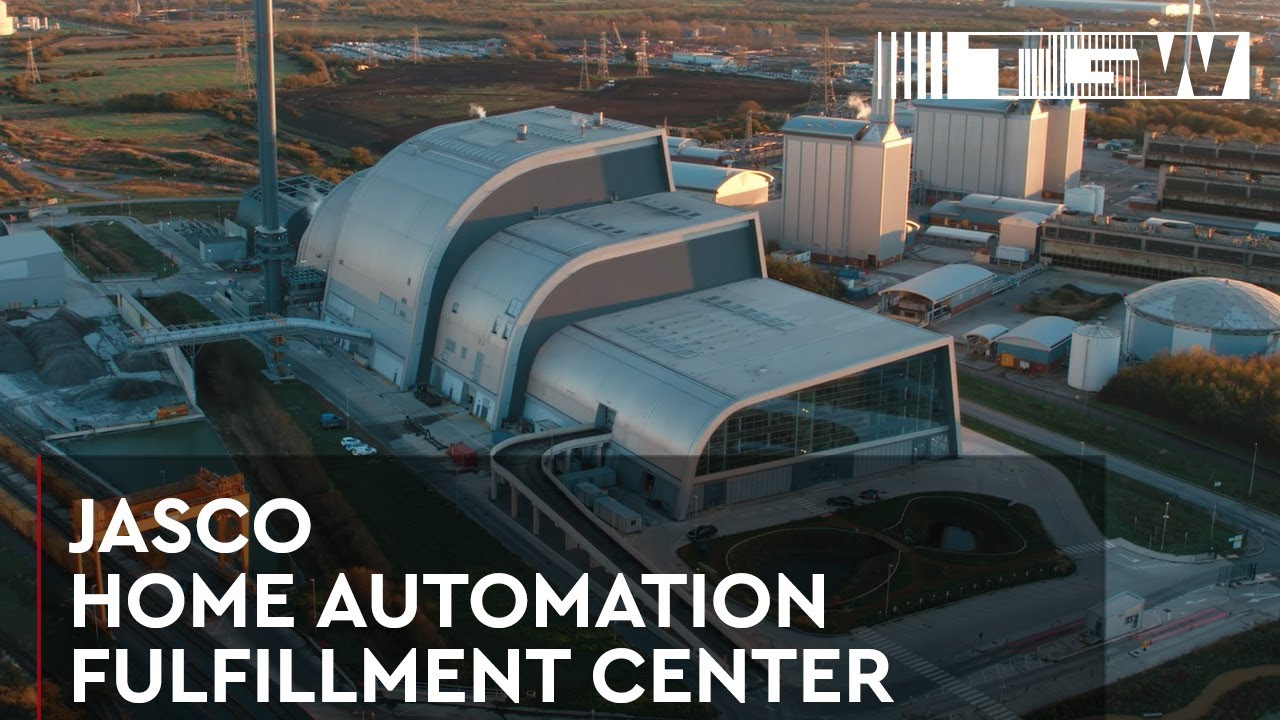
Jasco - Oklahoma City Omnichannel Distribution Center Automation
TGW Logistics
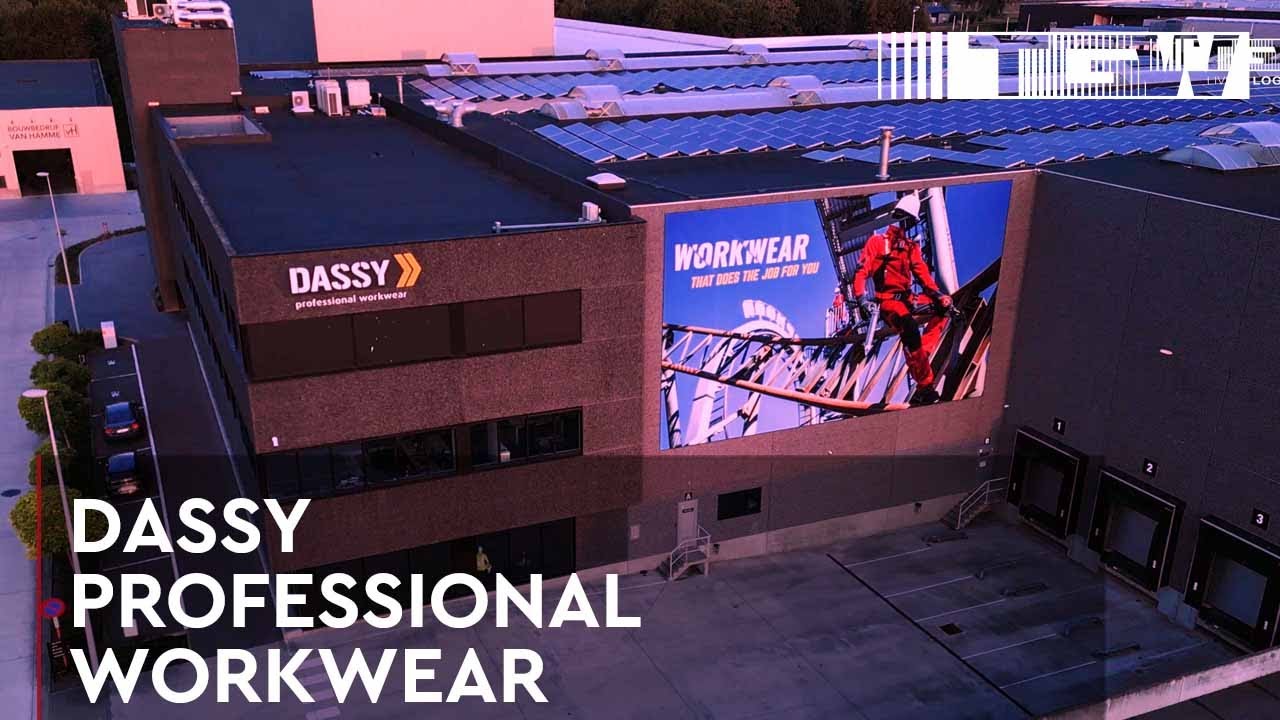
Bruges Belgium FlashPick® Automated Warehouse System
TGW Logistics

L.L.Bean - Freeport Maine Distribution Center Sortation Modernization
Beumer Group
Related Suppliers(3)

6 River Systems
The Seamless Fulfillment Automation Solution to Boost Efficiency and Productivity in Your Warehouse

Addverb
Warehouse Automation that delivers value!

AutoStore
The World's Fastest AS/RS Solution