Recent discussions and posts highlight the growing adoption of AI-powered AGV and AMR systems in mod...
Recent discussions and posts highlight the growing adoption of AI-powered AGV and AMR systems in modern warehouses, emphasizing their role in achieving fully autonomous operations. One key development involves AI-enabled forklift robots and AMRs that navigate dynamically without fixed paths, improvi...
Article Content
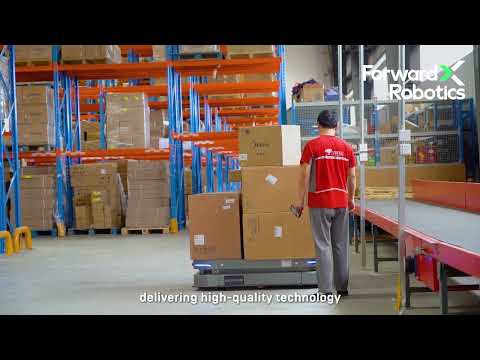
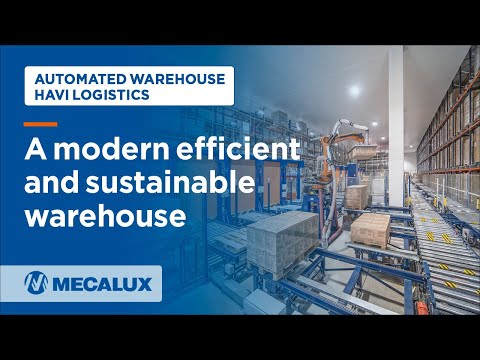
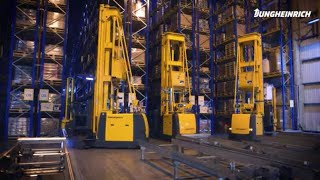
Recent discussions and posts highlight the growing adoption of AI-powered AGV and AMR systems in modern warehouses, emphasizing their role in achieving fully autonomous operations. One key development involves AI-enabled forklift robots and AMRs that navigate dynamically without fixed paths, improving efficiency in material handling and reducing human intervention. In one case, a warehouse scenario shows these robots handling tasks like moving pallets and goods seamlessly, with advanced traffic control systems managing fleet movements in real-time. Companies like Rocla AGV Solutions promote their FleetController software for optimized AGV operations, focusing on user-friendly interfaces and integration with existing logistics setups. Additionally, Mabo Automation showcased a double deep sideloader AGV at a major European factory, demonstrating capabilities in dense storage environments where traditional systems fall short. This setup uses seven AGVs for specialized sideloading in a margarine production facility, highlighting challenges and solutions in double-deep storage automation. LinkedIn posts also discuss AGV reach trucks in real projects, noting their practical advantages despite imperfections, such as flexibility in dynamic warehouse layouts. Broader trends include private 5G networks enhancing connectivity for large robot fleets, ensuring low-latency control in massive automated facilities. Overall, these advancements point toward warehouses evolving into adaptive, robot-dominated environments where orchestration layers beyond basic WMS handle complex task execution and decision-making. Experts predict continued growth in robotics-as-a-service models, with subscription-based deployments becoming dominant by 2026. Challenges like parcel damage from high-speed AMR movements are addressed through cushioned totes, vibration absorption, and better interface designs with conveyors or forklifts. SAP is piloting advanced warehouse orchestration features in its EWM system that go beyond traditional WMS, integrating automation execution with real-time analytics. Job postings for roles managing AMR operations at tech giants like Apple underscore the demand for expertise in scaling these systems. In Škoda Auto, mySCADA integrates with traffic control for AGV visualization, providing operators with detailed insights. These elements collectively illustrate a shift toward intelligent, interconnected logistics where AGVs, AMRs, and supporting software minimize downtime and maximize throughput in global supply chains. (approx. 598 words)
Read Full Article
[Read the full article on Industry News](https://www.linkedin.com/posts/mabo-automation_mabo-automation-double-deep-sideloader-agv-activity-7452997258943303680-H9s2)
---
*This article was aggregated from Industry News. All rights reserved to the original publisher.*