AGV Forklift
AGV forklifts are automated guided vehicles that replicate traditional forklift operations without human operators, performing vertical pallet handling with lifting, transporting, and stacking capabilities up to 35 feet high.
AGV - Forklift Overview
Forklift Types
- •Reach Truck AGVNarrow aisle, 20-35ft
- •Counterbalance AGVStandard aisle, versatile
- •Straddle AGVVery narrow, specialized
- •Pallet StackerWalk-behind style
Lift Capabilities
- •Lift Heights10-35+ feet
- •Load Capacity2,000-6,000 lbs
- •Vertical OperationsPick, stack, retrieve
- •Precision±10mm accuracy
Navigation
- •Laser GuidanceReflective targets
- •Natural FeaturesNo infrastructure
- •Wire GuidanceEmbedded wires
- •Vision-BasedCamera + AI
Applications
- •ManufacturingMaterial delivery
- •Warehouse StoragePallet stacking
- •Cold StorageTemperature-rated
- •Cross-DockingRapid transfer
Safety Features
- •Laser Scanners360° coverage
- •Collision AvoidanceReal-time detection
- •Emergency StopRedundant systems
- •ANSI B56.5Compliant
Key Benefits
- •Labor Reduction1-2 operators per AGV
- •Safety Improvement50-80% fewer accidents
- •24/7 OperationContinuous capability
- •Consistent PerformancePredictable cycles
How AGV Forklifts Work
AGV forklifts navigate using various guidance technologies tailored to operational requirements and facility characteristics. Traditional systems employ wire guidance with embedded floor wires or magnetic tape that provides reliable navigation along fixed paths, though these require permanent floor infrastructure. More advanced systems use laser triangulation, measuring distances to reflective targets positioned on walls and columns throughout the facility, enabling flexible route modifications without changing floor infrastructure. The newest systems leverage natural feature navigation, using cameras and AI-powered SLAM (Simultaneous Localization and Mapping) technology to recognize existing facility features like walls, columns, and equipment, eliminating the need for any installed guidance infrastructure while providing maximum flexibility for route changes and system expansion.
The lifting mechanism distinguishes AGV forklifts from other automated vehicles. Reach truck AGVs feature pantograph or telescopic forks that extend forward to retrieve pallets from racking, enabling operation in narrow aisles as tight as 8-10 feet while achieving lift heights of 20-35 feet. Counterbalance AGVs use front-mounted forks similar to traditional forklifts, requiring wider aisles (11-13 feet) but offering greater versatility for outdoor use and varied applications. Straddle AGVs position legs that straddle loads, enabling very narrow aisle operation (7-9 feet) for specialized high-density storage applications. Each configuration includes mast systems—single, double, triple, or quad stage—that determine maximum lift height, with more stages enabling greater reach at the cost of increased complexity and maintenance requirements.
Fork configurations vary based on load types and handling requirements. Standard forks typically span 48 inches to accommodate most pallet sizes, while adjustable width forks can expand or contract to handle different load dimensions. Telescopic and pantograph forks on reach truck AGVs extend forward to retrieve pallets deep within racking, then retract for transport. Additional features like side-shift capability (±4-6 inches) and fork positioners enable precise load alignment without repositioning the entire vehicle, improving cycle times and reducing the risk of pallet or product damage during pickup and placement operations.
Safety systems are comprehensive and redundant, incorporating multiple sensor types to ensure safe operation in mixed-traffic environments. Laser scanners at the front and rear detect obstacles and people in the vehicle's path, automatically slowing or stopping to prevent collisions. Side-mounted sensors and overhead detection systems monitor the full perimeter and vertical space, particularly important when operating with raised loads or extended forks. Load detection sensors verify that pallets are properly engaged before lifting, while mast height sensors prevent collisions with overhead obstacles like sprinkler systems, lighting, or structural elements. The systems comply with ANSI B56.5 standards and include safety-rated controllers with redundant emergency stop capabilities.
Key Benefits
The primary advantage of AGV forklifts is operational consistency and precision. Unlike human operators whose performance varies with fatigue, experience, or distraction, AGV forklifts execute tasks identically every time, positioning loads with millimeter accuracy and following precise routes at controlled speeds. This predictability enables better production planning, inventory management, and quality control, as materials arrive exactly when and where needed without variation. The precision positioning is particularly valuable for high-density storage operations where tight tolerances are essential for safe, efficient racking utilization.
Labor cost reduction represents a major economic benefit, especially in multi-shift operations. A single AGV forklift can replace 2-3 human forklift operators across shifts, delivering rapid return on investment while eliminating ongoing labor costs, benefits, turnover expenses, and training requirements. The savings compound in facilities facing labor shortages or rising wage pressures, where finding and retaining qualified forklift operators becomes increasingly difficult and expensive. The typical payback period of 2-4 years makes AGV forklifts financially attractive for operations with adequate volumes and repetitive tasks.
Safety improvements result from removing human-operated forklifts from busy warehouse environments. AGV forklifts reduce accident rates by 50-80% compared to manual operations, eliminating risks associated with operator error, fatigue, or distraction. The comprehensive sensor arrays detect pedestrians and obstacles that human operators might miss, particularly when operating with raised loads that obstruct visibility. This safety enhancement reduces workers' compensation costs, product damage, and facility damage while creating a more secure work environment that improves employee morale and retention.
24/7 operational capability enables continuous material movement without breaks, shift changes, or downtime associated with human operators. AGV forklifts can work through nights, weekends, and holidays, maximizing facility utilization and enabling operations to meet demanding production schedules or order fulfillment requirements. The vehicles automatically navigate to charging stations during low-demand periods or use opportunity charging during brief idle moments, ensuring availability when needed without manual intervention or battery swap operations.
Common Applications
Manufacturing operations leverage AGV forklifts for raw material handling, transporting pallets from receiving docks to storage locations and later delivering materials to production lines on demand. The just-in-time delivery capability reduces work-in-process inventory while ensuring production lines never run short of needed materials. AGV forklifts handle finished goods movement from production to quality control, packaging, or shipping areas, maintaining smooth flow without requiring production workers to manage material transport, allowing them to focus on manufacturing tasks.
Warehouse distribution uses AGV forklifts for putaway and retrieval operations, moving pallets from receiving to high-bay storage locations and later retrieving them for order fulfillment. The automated transport eliminates forklift traffic in storage aisles while maintaining precise inventory tracking through integration with warehouse management systems. Replenishment operations use AGV forklifts to move pallets from bulk storage to forward picking locations, ensuring pick faces remain stocked without manual intervention or coordination.
Cold storage facilities benefit particularly from AGV forklifts, as the automated vehicles eliminate the need for human operators to work in harsh sub-zero environments (-30°F or colder). The vehicles feature temperature-rated components, condensation protection, and battery performance optimization for reliable operation in extreme conditions. This application reduces human exposure to dangerous temperatures while maintaining consistent performance that manual operators struggle to achieve in cold environments, where productivity typically drops 20-30% compared to ambient conditions.
Cross-docking operations employ AGV forklifts to rapidly move goods from receiving to shipping without intermediate storage, reducing handling time and labor costs. The automated transport maintains the rapid throughput that cross-docking requires while providing precise tracking and routing capabilities that ensure products reach the correct outbound doors without errors or delays.
Implementation Considerations
Successfully deploying AGV forklifts requires careful attention to floor quality, as navigation accuracy and load stability depend on smooth, level surfaces. Floors should meet superflat specifications (FL 50-70), with flatness tolerances of ±1/4 inch in 10 feet. Existing floors often require remediation—grinding high spots, filling joints and cracks, and applying sealers—before AGV deployment. The investment in floor quality pays dividends through improved navigation accuracy, reduced maintenance, and extended equipment lifespan.
Aisle width requirements vary by AGV forklift configuration and must accommodate the vehicle's dimensions, turning radius, and operational clearances. Reach truck AGVs require minimum aisles of 8-10 feet, with 9-11 feet optimal for efficient operation. Counterbalance AGVs need wider aisles of 11-13 feet minimum, with 12-14 feet preferred. Facilities with existing narrow aisle racking may need to evaluate whether current configurations support AGV operation or whether racking modifications are necessary to achieve required clearances.
Rack compatibility must be verified to ensure AGV forklifts can safely access storage locations. Considerations include beam heights, pallet overhang, rack depth, and aisle alignment. The racking should provide adequate clearance for forks and loads, with proper lighting to support vision-based systems if used. Floor flatness becomes even more critical in narrow aisles where tight tolerances leave little margin for navigation errors or vehicle instability.
Charging infrastructure requires strategic planning to ensure vehicles remain operational without disrupting workflows. Opportunity charging stations positioned at natural idle points enable vehicles to top up batteries during brief stops, extending operational time without dedicated charging periods. Fast charging systems (1-2 hours) provide rapid recharge when needed, while battery swap systems enable continuous operation by exchanging depleted batteries for charged ones. The electrical infrastructure must provide adequate capacity for charging equipment, typically requiring dedicated circuits and proper load management.
Best Practices
Staged deployment allows operations to validate system performance and refine processes before scaling to full capacity. Starting with a subset of routes or lower volumes provides valuable learning opportunities and reduces implementation risk, enabling adjustments to navigation parameters, safety zones, traffic management, and operational procedures before committing to full-scale deployment. This approach also helps manage change management challenges by allowing workers to gradually adapt to automated operations.
Pallet quality standards ensure reliable pickup and placement operations. AGV forklifts struggle with damaged pallets, non-standard dimensions, or inconsistent construction that manual operators can often accommodate through skill and judgment. Implementing pallet inspection processes, repair programs, and quality standards reduces pickup failures and improves overall system reliability. Some operations invest in standardized load carriers optimized for AGV handling rather than adapting to diverse existing pallets.
Traffic management becomes important in facilities with multiple AGV forklifts or mixed vehicle types. The fleet management system coordinates vehicle movements to prevent conflicts at intersections, manages access to shared resources like elevators or transfer stations, and optimizes overall fleet efficiency. Dedicated AGV lanes, clear signage, and pedestrian detection systems help manage mixed traffic safely when manual forklifts and AGVs share space during phased implementations.
Predictive maintenance uses vehicle telemetry and performance data to identify potential issues before they cause failures. Monitoring metrics like battery health, motor performance, sensor accuracy, hydraulic system pressure, and navigation precision enables proactive maintenance that minimizes downtime and extends equipment lifespan. Most AGV systems provide comprehensive diagnostics and alerts that maintenance teams can use to schedule interventions during planned downtime rather than responding to unexpected failures.
Technology Evolution
Modern AGV forklifts incorporate advanced autonomy through natural feature navigation and AI-based decision making, reducing infrastructure requirements while improving flexibility. The shift away from fixed guidance systems enables easier route modifications, faster system expansion, and lower deployment costs. Self-learning systems continuously improve performance by analyzing operational data and adjusting parameters to optimize efficiency, safety, and reliability.
Fleet optimization software uses simulation, machine learning, and real-time analytics to continuously improve AGV operations. These systems identify opportunities to reduce travel distance, improve utilization, prevent congestion, and optimize task allocation, often delivering 10-20% efficiency improvements after initial deployment. Predictive algorithms anticipate demand patterns and proactively position vehicles to minimize response times and maximize throughput.
Collaborative operation capabilities enable AGV forklifts to work safely alongside human operators and other equipment types. Social navigation algorithms allow vehicles to predict and respond to human behavior, adjusting paths and speeds to maintain safe distances while minimizing disruption to workflows. Vehicle-to-vehicle communication enables coordination between multiple AGVs and other automated equipment, creating more efficient overall material flow.
Measuring Success
Key performance indicators for AGV forklift systems include loads moved per hour, vehicle utilization rates (target 70-85%), on-time delivery performance, and system uptime (target 95%+). These metrics help assess whether AGVs meet operational requirements and identify optimization opportunities. Tracking cycle times for specific tasks enables comparison to manual operations and validation of expected productivity improvements.
Return on investment typically materializes over 2-4 years through labor savings, improved material flow efficiency, reduced accident costs, and better space utilization. The predictable operating costs and long equipment lifespan (10-15 years with proper maintenance) create favorable long-term economics that justify the initial capital investment of $120,000-250,000 per vehicle plus infrastructure and software costs.
Safety performance should show measurable improvements compared to manual forklift operations, with reduced accident rates, severity, and near-miss incidents. Monitoring safety system activations helps identify areas where route design, traffic management, or safety parameters could be improved. The reduction in accidents typically delivers 10-30% lower insurance costs while creating a safer work environment that improves employee satisfaction and retention.
By implementing AGV forklifts with careful attention to floor quality, aisle requirements, charging infrastructure, and operational integration, facilities can create efficient, reliable vertical pallet handling systems that reduce labor costs, improve safety, and enable 24/7 operations. The technology's proven track record and continuous evolution ensure it remains a valuable tool for automated material movement in modern warehouses and manufacturing facilities.
Related Technologies (6)
Momentum WES: Next-Generation Warehouse Execution and Control
byHoneywell Intelligrated
APR 1+N Fork Arm: Versatile Heavy-Duty Autonomous Mobile Robot
byTUSKROBOTS
Automated Forklift: Autonomous Trailer Unloading
byFox Robotics
Automated Guided Vehicle (AGV) Systems: Safety-First Automation
byJungheinrich
Autonomous Industrial Vehicles & Intralogistics Automation
byVisionNav Robotics
Open Shuttle Fork AGV: Flexible Pallet Transport Robot
byKnapp
Related Transport Topics
AGV Tugger
AGV tuggers are automated guided vehicles that tow trains of carts or trailers through warehouses and manufacturing facilities, efficiently moving large volumes of materials along fixed routes.
AGV Unit Load
AGV unit load vehicles are automated guided vehicles designed to transport individual pallets, containers, or large items along fixed routes, providing reliable, predictable material movement in warehouses and manufacturing facilities.
Collaborative AMR
Collaborative AMRs work safely alongside human workers without safety cages, using advanced sensors and AI to navigate dynamic warehouse environments and assist with material transport tasks.
AMR Goods-to-Person
AMR goods-to-person systems use autonomous mobile robots to transport inventory from storage locations to picking stations, eliminating worker travel time and dramatically improving order fulfillment efficiency.
AMR Sortation
AMR sortation systems use autonomous mobile robots to transport and sort items, providing flexible, scalable alternatives to traditional conveyor-based sortation infrastructure.
About This Topic
Related Projects(6)
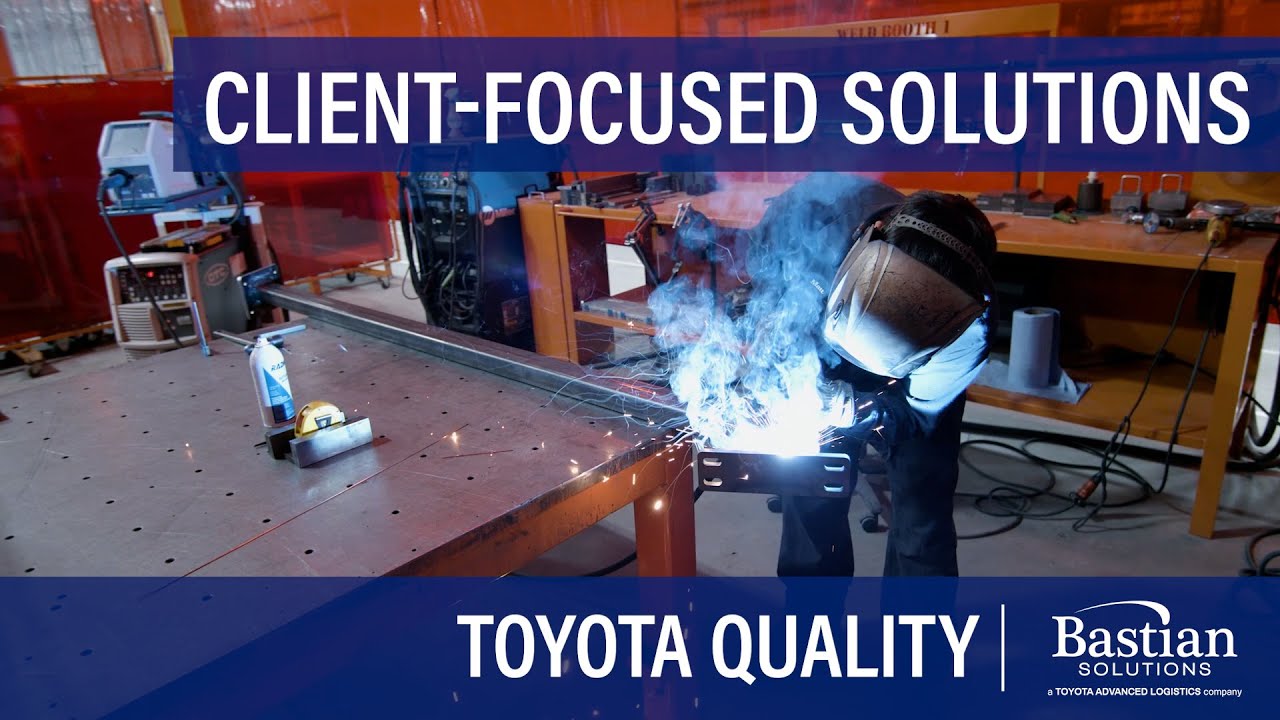
Bastian Solutions Corporate Profile: Toyota Advanced Logistics
Bastian Solutions
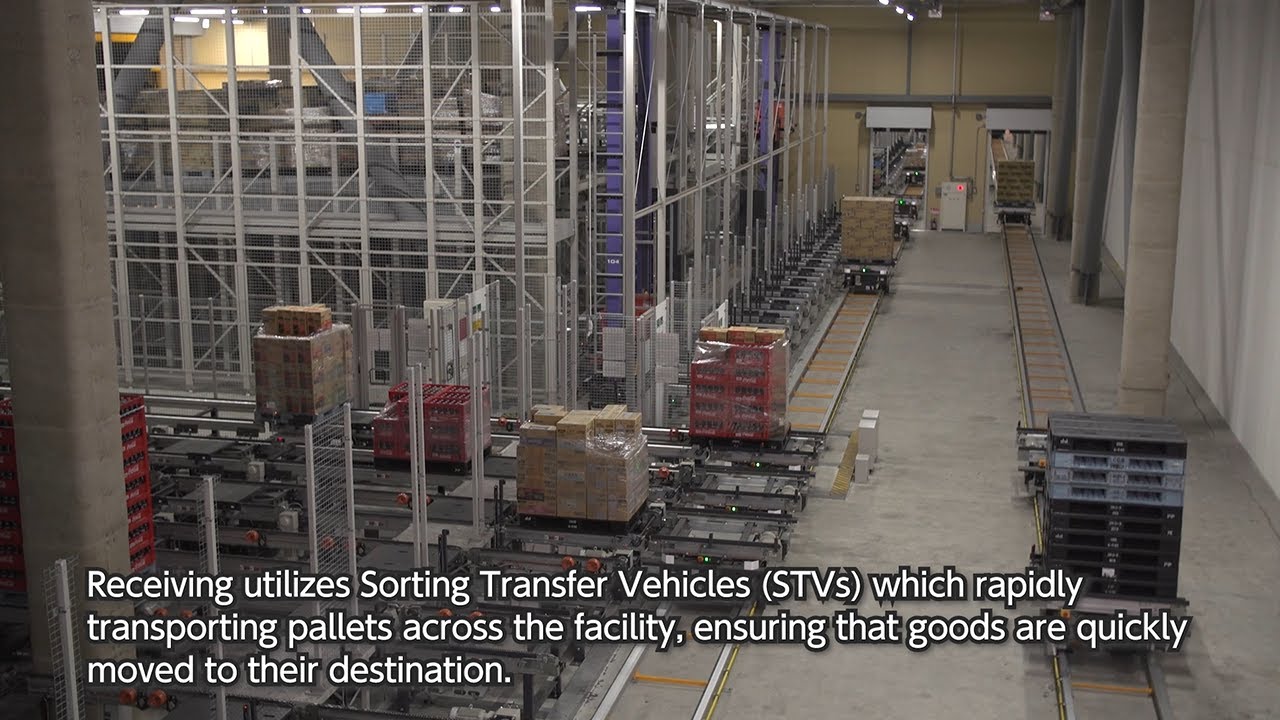
Coca-Cola Bottlers Japan Akashi Mega Distribution Center
Daifuku
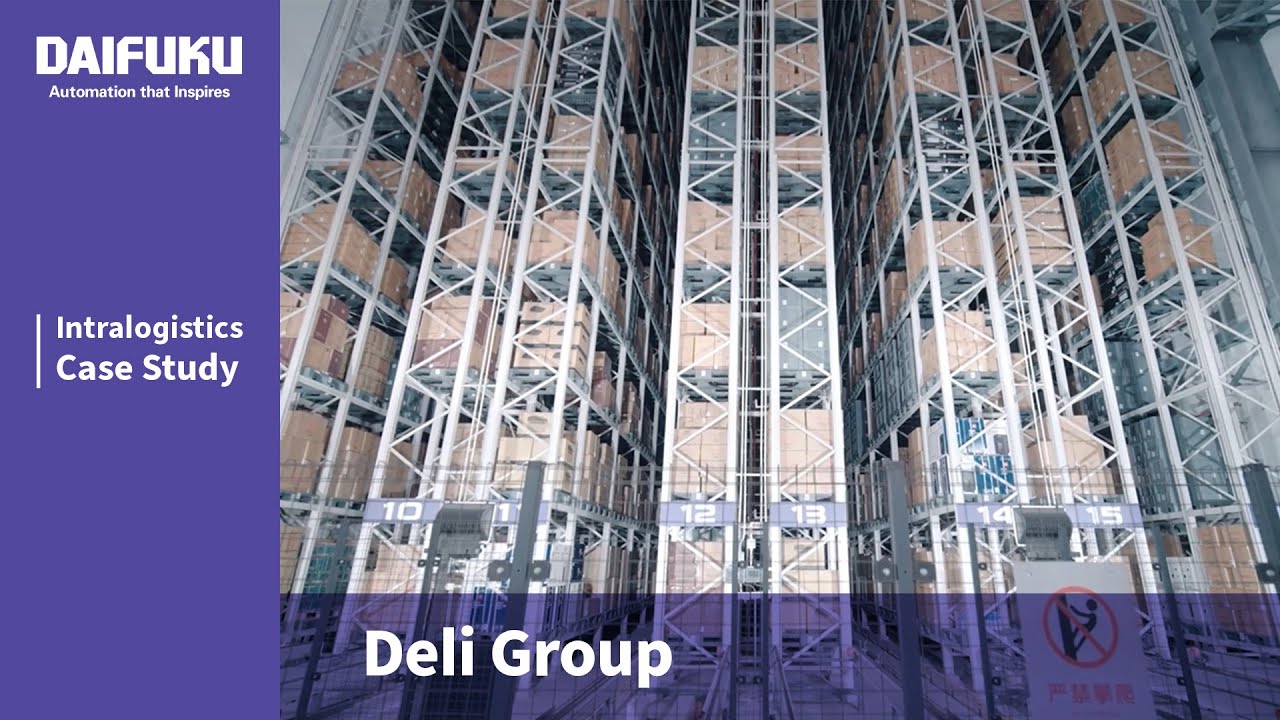
Deli Group Ninghai Intelligent Logistics Center
Daifuku
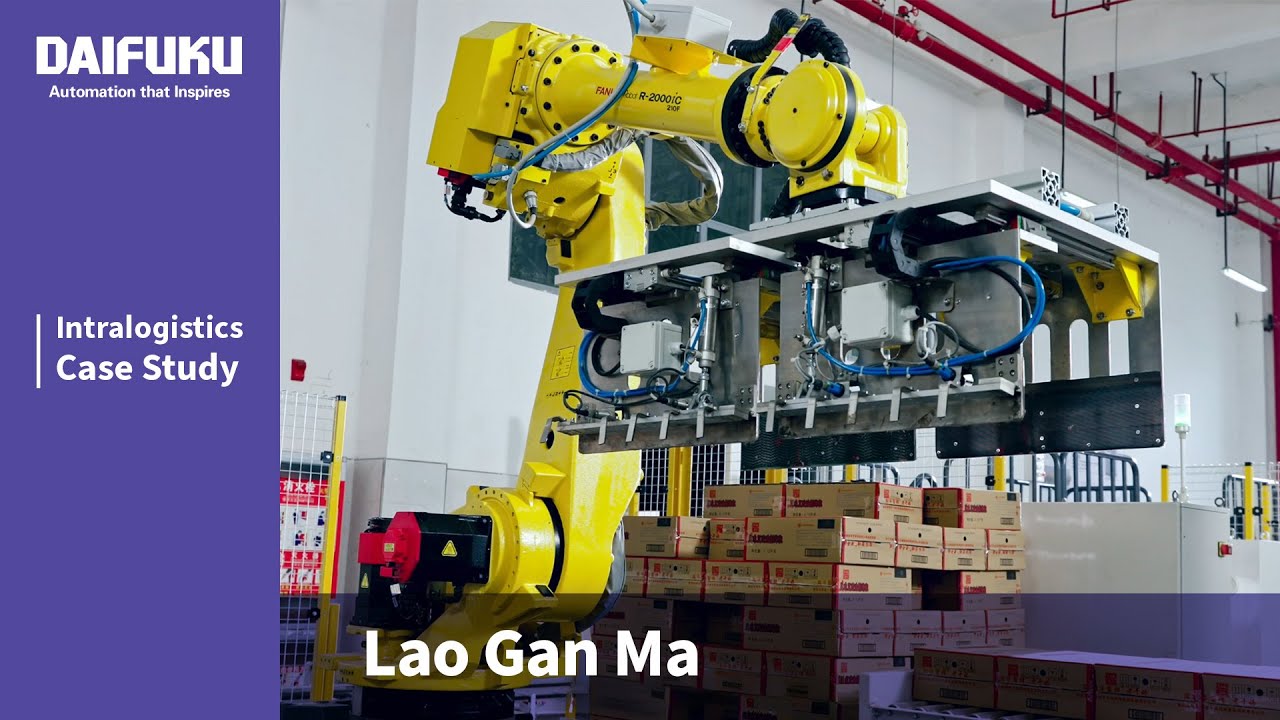
Lao Gan Ma Guiyang Guizhou Production Warehouse
Daifuku
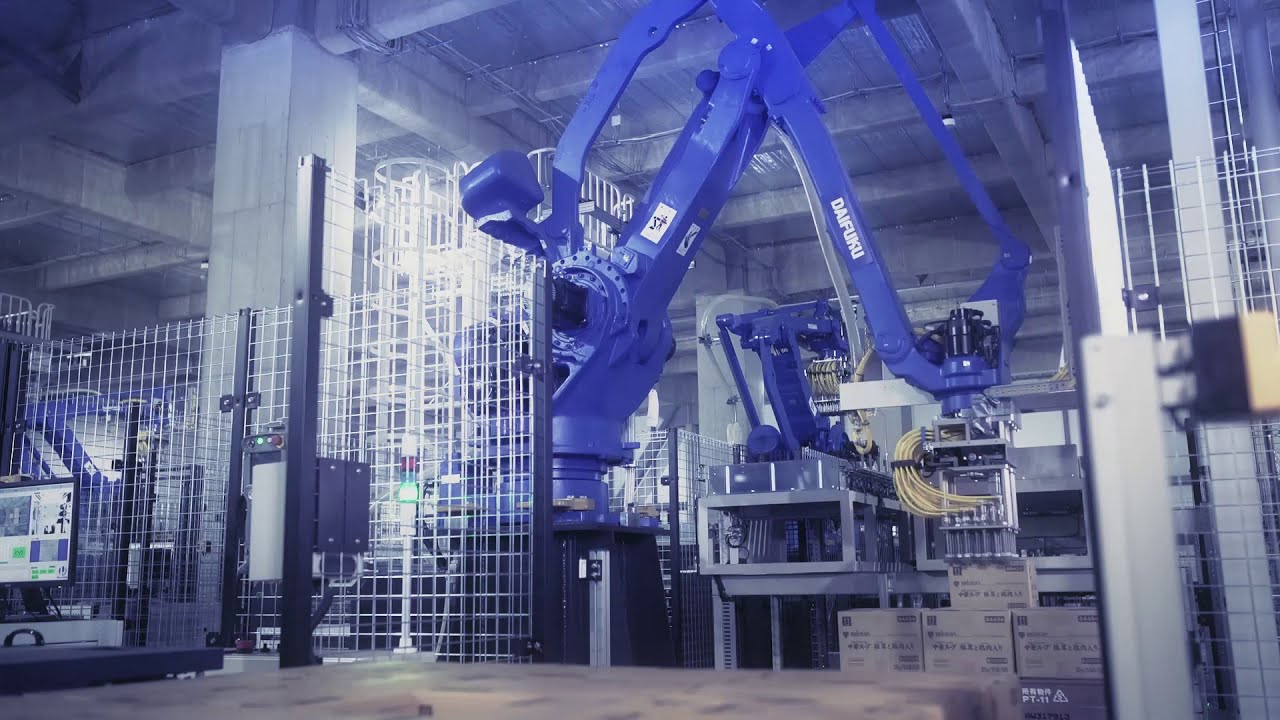
F-Line Japan Major Food Distribution Center
Daifuku
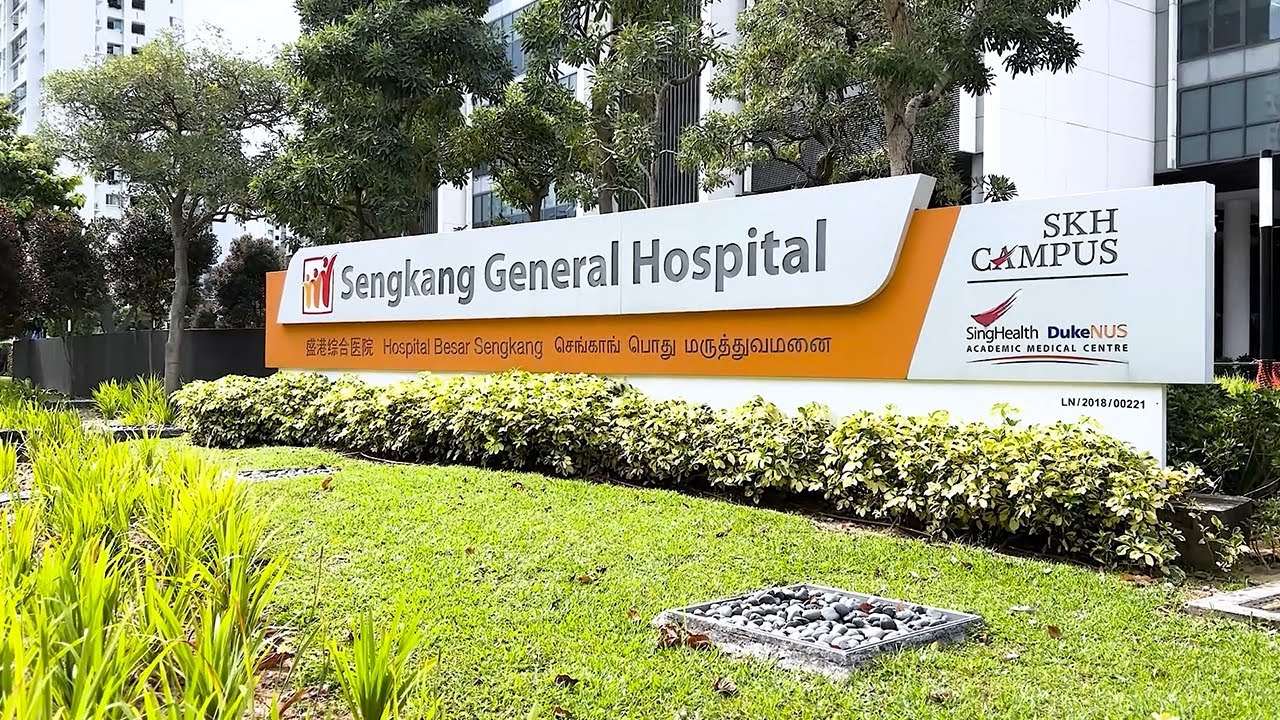
Sengkang General Hospital Singapore Central Sterile Supply Unit
Daifuku
Related Suppliers(3)

6 River Systems
The Seamless Fulfillment Automation Solution to Boost Efficiency and Productivity in Your Warehouse

Addverb
Warehouse Automation that delivers value!

Ancra Systems
Efficient Loading