Momentum WES: Next-Generation Warehouse Execution and Control
Quick Facts
Technology Performance Metrics
⭐Key Features
Benefits
Applications
Detailed Information
Technology Overview
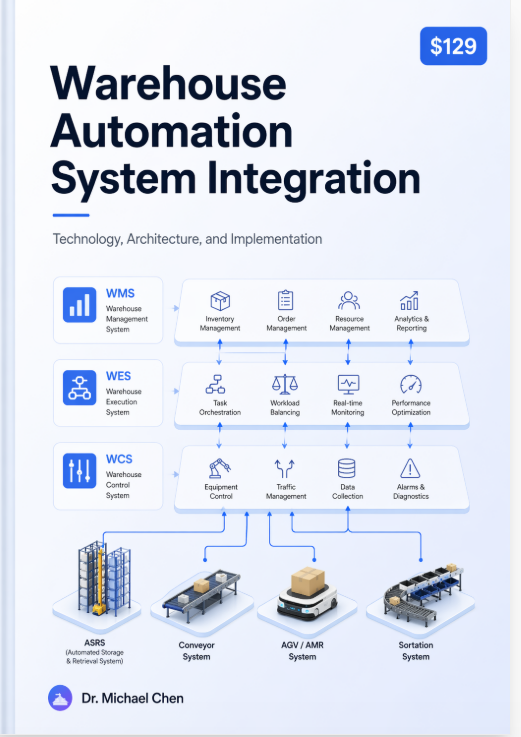
Momentum Warehouse Execution System (WES) from Honeywell Intelligrated represents a next-generation, holistic software platform designed to provide true end-to-end control of distribution center (DC) operations. It addresses the critical challenges of modern fulfillment, such as rising e-commerce demands, labor shortages, and the complexity of integrating diverse automation systems. Momentum WES moves beyond traditional siloed controls by offering a seamless ecosystem that combines robotics integration, labor optimization, Automated Storage and Retrieval Systems (AS/RS) automation, and real-time asset monitoring under a single software sign-on. At its core is a powerful "Decision Intelligence" engine that leverages advanced data science, artificial intelligence (AI), and machine learning (ML) algorithms to process real-time data, enabling proactive, intelligent decision-making that drives productivity, efficiency, and measurable performance improvements across all order fulfillment operations.
How It Works
Core Principles
Momentum WES operates on the principle of unified, intelligent orchestration. It acts as the central command center, sitting above machine-level controls and below the business-planning layer (WMS). It ingests real-time data from all connected systems (scanners, photoelectric sensors, machine controls, edge devices) and uses its Decision Intelligence engine to analyze patterns. Based on this analysis, it dynamically orchestrates the movement of goods, assigns tasks to both automated systems and human operators, balances workloads, and releases orders in real-time to optimize flow and meet service level agreements (SLAs).
Key Features & Capabilities
Decision Intelligence Engine: This is the platform's brain. It uses AI and ML to analyze live and historical data, enabling proactive decision-making. Examples include dynamic storage location optimization for maximizing density, smart inventory allocation to improve retrieval rates, and dynamic order assignment at GTP stations to increase throughput.
Holistic, Modular Platform: Momentum provides end-to-end control from a single platform but is built modularly. Companies can select and integrate only the technologies they need—such as AS/RS, GTP, AMRs, or pick-to-light—and add more modules as their business grows, avoiding vendor lock-in and stranded automation.
Real-Time Orchestration and Balance: The system excels at real-time orchestration. It balances workloads across any number of GTP operators, balances the utilization of a fleet of AMRs, and balances order flow across the entire facility to prevent bottlenecks and maximize resource utilization.
Unified User Experience: It offers intuitive, graphical dashboards tailored to different warehouse roles (operators, supervisors, maintenance). These dashboards provide a clean overview of system KPIs, device statuses, work progress, and faults, enabling quick issue identification and reducing training time.
Advantages & Benefits
The primary benefit is enabling flawless warehouse execution in the face of rising complexities, helping companies achieve higher throughput and meet exacting SLAs for next-day and same-day delivery. By providing a unified alternative to a patchwork of incompatible systems, it alleviates integration headaches and simplifies the introduction of new automation. The AI-driven Decision Intelligence drives continuous, measurable performance improvements in key areas like storage density, retrieval rates, and cycle times. The platform future-proofs operations by providing the flexibility to add modular automation as needed, laying a strong foundation for continuous growth and adaptation.
Implementation Considerations
Transitioning to a comprehensive WES like Momentum represents a significant step towards a fully integrated, software-driven DC. It requires a clear strategy for phasing out or interfacing with legacy control systems. Successful implementation hinges on deep integration with existing WMS and all material handling equipment, which requires careful planning and execution. To fully leverage the AI/ML capabilities, operations need to ensure high-quality, accessible data from all connected devices and systems. While the user interface is designed to be intuitive, change management and training for operations staff moving to a system-directed workflow are crucial.
Use Cases & Applications
Ideal For
Momentum WES is ideal for medium to large distribution and fulfillment centers that are either implementing advanced automation for the first time or struggling to synchronize existing islands of automation (like AS/RS, conveyors, robots, and manual stations) to meet escalating e-commerce demands.
Performance Metrics
Momentum WES is designed to drive key performance indicators (KPIs) such as increased storage density, improved retrieval rates, higher throughput rates, shortened order cycle times, and maximized resource (labor & equipment) utilization. Its smart batch picking algorithms are designed to deliver higher throughput rates. The system's ability to balance workloads and mitigate congestion directly contributes to achieving and maintaining critical Service Level Agreements (SLAs).
Conclusion
Honeywell Intelligrated's Momentum WES is more than just a control system; it is an intelligent execution platform that represents the future of warehouse orchestration. For companies looking to transcend the limitations of disconnected automation and manual processes, Momentum offers a path to seamless, efficient, and adaptable operations. Its foundation in AI-driven Decision Intelligence provides a significant competitive edge by turning data into actionable optimization. By choosing Momentum, businesses are not just solving today's fulfillment challenges but are investing in a scalable, unified platform that will empower their transition from their current DC state to the high-performance, automated "DC Next" required to thrive in the future of logistics.
Related Projects

Bee Sweet Citrus California Palletizing Facility
Bee Sweet Citrus implemented Honeywell Intelligrated's automated palletizing solution to handle diverse citrus packaging with 125 trucks daily from their 400,000 sq ft campus.
Dongfeng Motor R&D Center Smart Logistics Warehouse
A compact 470㎡ intelligent warehouse with 15-level high-density storage supporting 10,000+ SKUs for automotive R&D supply chain optimization.
Related Knowledge
Robotic Case Picking
Advanced robotic case picking systems that combine industrial robotics with intelligent vision systems to automate the handling of full cases and cartons, delivering exceptional speed, precision, and reliability in high-volume distribution operations.
Robotic Piece Picking
Advanced robotic systems that use AI and computer vision to automatically select and pick individual items from diverse inventory, revolutionizing warehouse fulfillment operations with human-like dexterity and intelligence.
Voice Picking Systems
Voice picking systems revolutionize warehouse operations by enabling hands-free, eyes-free order fulfillment through speech recognition technology. Workers receive spoken instructions through wireless headsets and confirm actions verbally, dramatically improving productivity, accuracy, and safety while reducing training time.
Vendor
Honeywell IntelligratedRelated Technologies
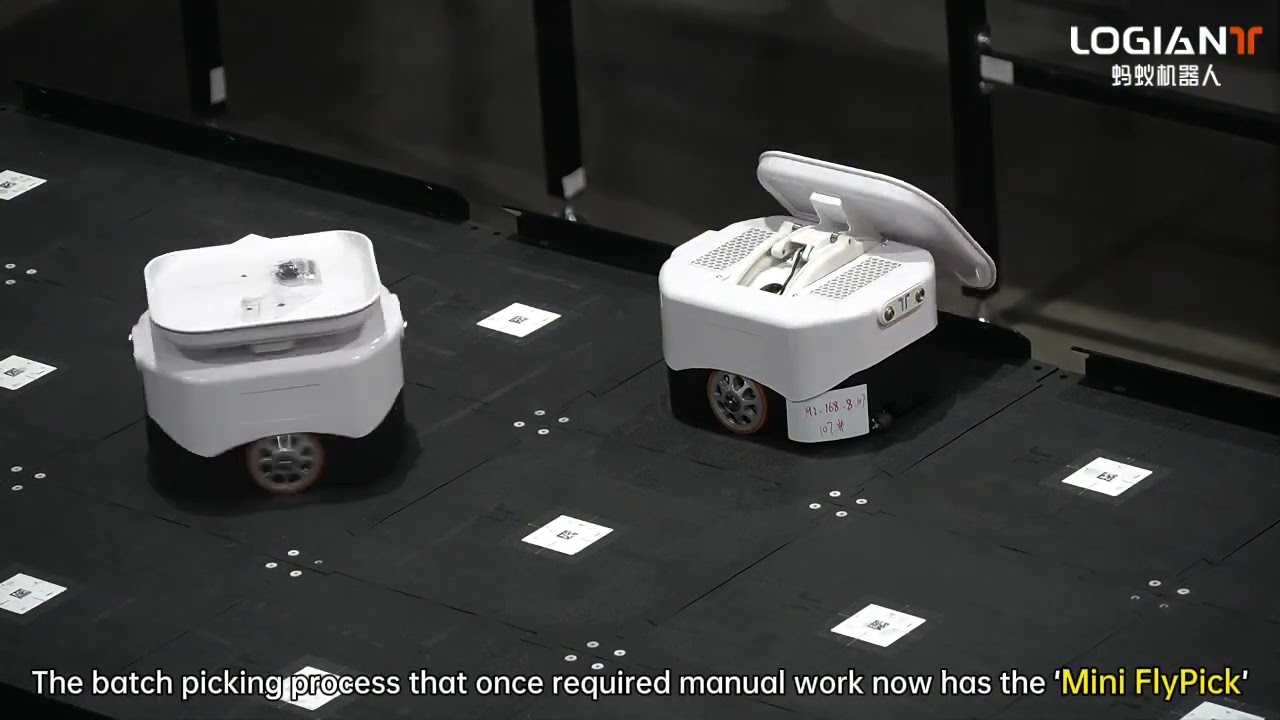
Mini FlyPick Robot: Compact High-Speed Sorting AMR
Others

Sorting Technology Demonstration and Testing
EuroSort
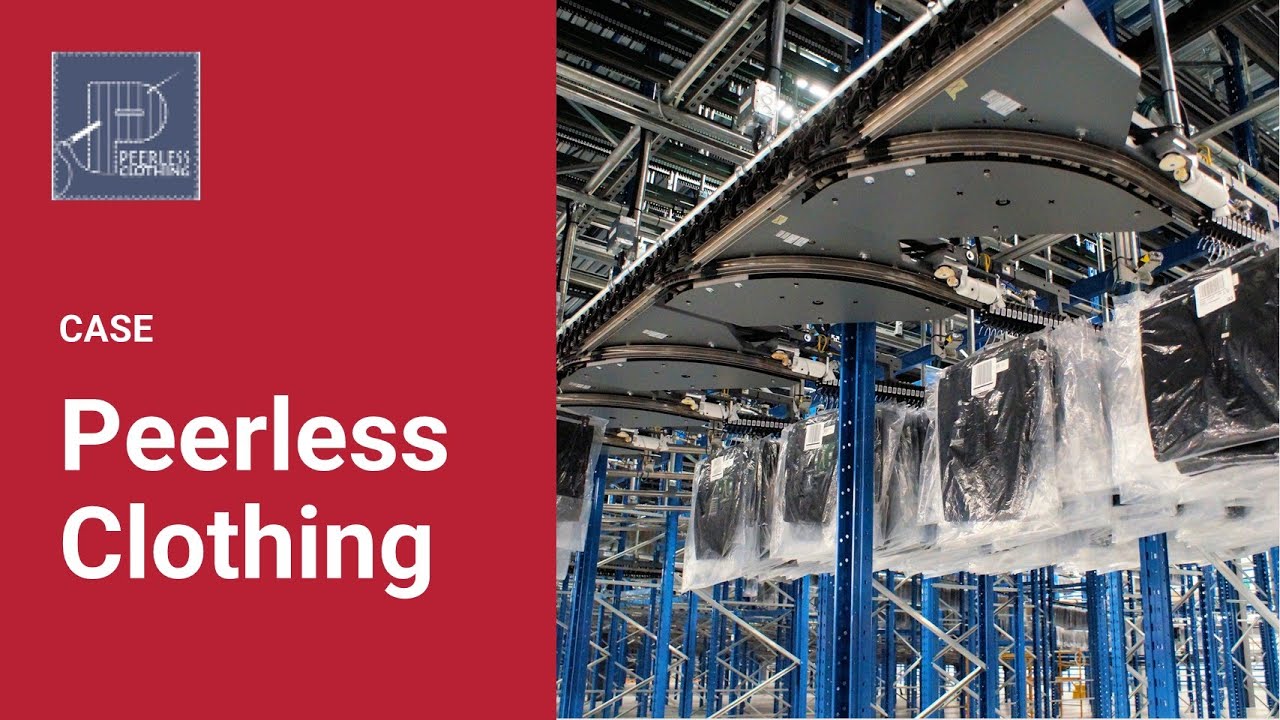
Peerless Clothing USA Apparel Distribution Warehouse
Element Logic