Autonomous Industrial Vehicles & Intralogistics Automation
Quick Facts
Technology Performance Metrics
⭐Key Features
Benefits
Applications
Detailed Information
Technology Overview
VisionNav Robotics has established itself as a global leader in the field of autonomous industrial vehicles and comprehensive intralogistics automation. Moving beyond basic transport, the company develops sophisticated robotic solutions that address the most challenging scenarios in modern warehouses and production facilities. By integrating foundational technologies such as 5G communication, Artificial Intelligence (AI), environmental perception, deep learning, and precise servo control, VisionNav creates a family of intelligent vehicles capable of performing complex tasks like high-level stacking, narrow-aisle maneuvering, and autonomous truck handling. With a broad product portfolio and significant global deployment, their solutions are designed to automate the entire material flow, serving a diverse clientele that includes many Fortune 500 companies across heavy industry, manufacturing, and logistics sectors.
How It Works
Core Principles
The systems operate on the principle of autonomous, perception-driven navigation and operation. Vehicles use a combination of sensors (LiDAR, cameras) and AI to perceive their environment in 3D, localize themselves accurately, plan safe and efficient paths, and execute precise handling operations—all while communicating seamlessly via 5G networks for fleet coordination and real-time control.
Key Features & Capabilities
High-Access Automation enables fully automated storage and retrieval at heights up to 9.4 meters, a capability typically requiring manned reach trucks. Narrow-Aisle Operation allows vehicles to work efficiently in aisles as tight as 2.0 meters wide, maximizing storage density. Unmanned Truck Handling automates the entire process of loading and unloading standard trailers, a major bottleneck in logistics. Multi-Layer Stacking demonstrates advanced control for building and breaking down pallet stacks.
Advantages & Benefits
The primary advantage is the ability to automate highly complex, skilled, and often hazardous material handling tasks, leading to improved safety and operational consistency. It unlocks the full potential of high-density storage layouts by automating very-high-reach and very-narrow-aisle operations that are difficult to staff. Automating truck loading/unloading can dramatically improve yard throughput and reduce detention times. The use of advanced AI and 5G ensures the system is intelligent, responsive, and capable of operating in dynamic environments. Their proven global track record across diverse industries validates the robustness and scalability of their solutions.
Implementation Considerations
Implementing a VisionNav system is a significant automation project that requires thorough site analysis and planning, particularly for advanced features like high-stacking, which demands excellent floor conditions and racking alignment. Integration with the existing Warehouse Management System (WMS) is crucial for end-to-end automation. The total cost of ownership includes the vehicles, the necessary site preparation, software licenses, and ongoing support. These systems are best suited for operations with sufficient volume and process standardization to justify the investment and achieve a strong return.
Use Cases & Applications
Ideal For
This technology is ideal for large-scale manufacturing plants, distribution centers, and logistics hubs that handle high volumes of palletized goods and are seeking to automate their most demanding and labor-intensive material handling processes to improve efficiency, safety, and scalability.
Conclusion
VisionNav Robotics represents the cutting edge of intralogistics automation, offering solutions that go far beyond simple point-to-point transport. By tackling the challenges of high-level access, narrow aisles, and external truck operations with advanced autonomous technology, they enable a new level of warehouse and yard automation. For large, complex operations in manufacturing, distribution, and logistics, investing in VisionNav's systems can lead to transformative gains in productivity, space utilization, and safety, providing a competitive edge through truly unmanned and intelligent material handling.
Vendor
VisionNav RoboticsRelated Technologies
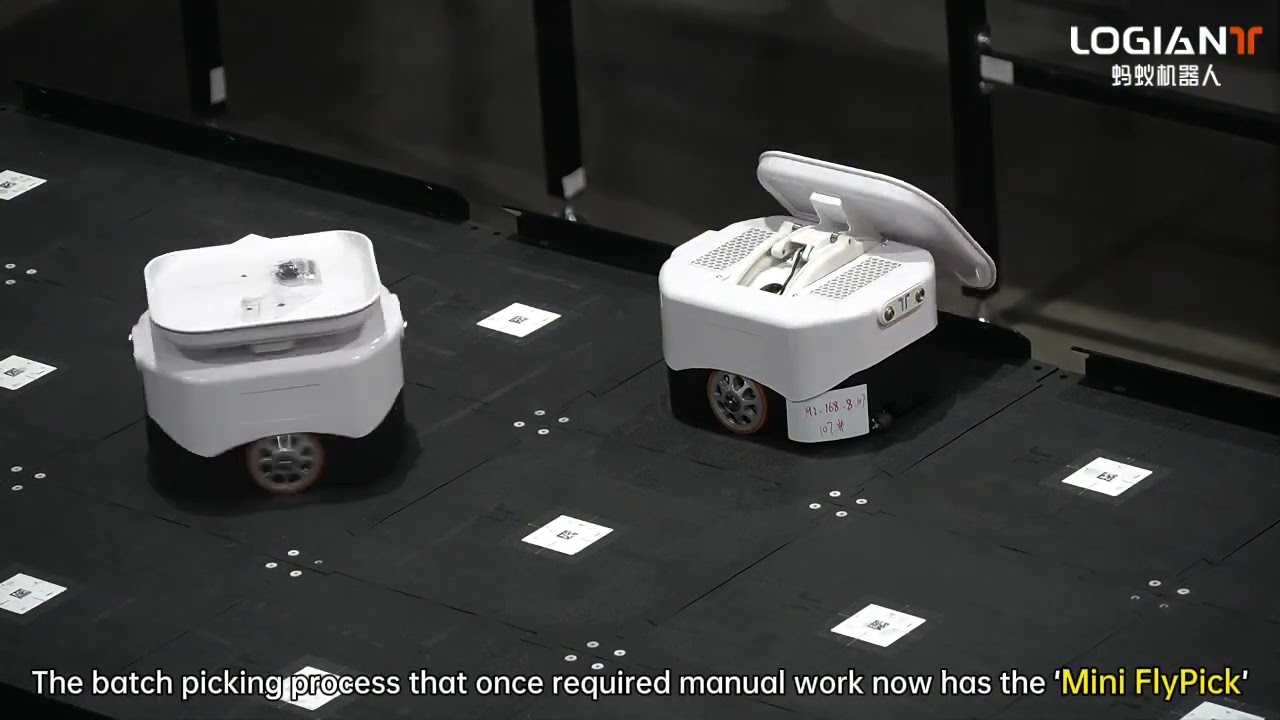
Mini FlyPick Robot: Compact High-Speed Sorting AMR
Others
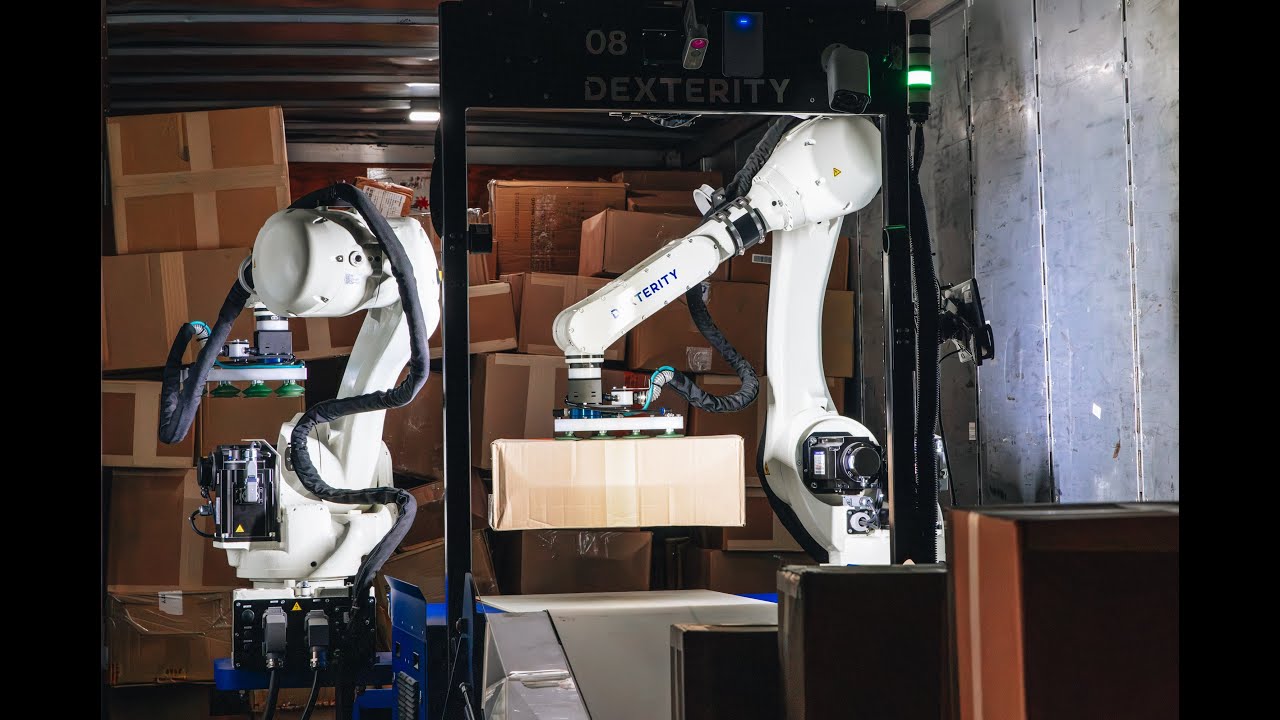
AI-Powered Robotic Truck Loading System
Others

TiltSort-Bot: Autonomous Mobile Robot (AMR) for Sortation
Conveyco