Vertical Conveyors
Vertical conveyors transport products between different floor levels using continuous lifts, spiral systems, or reciprocating platforms, enabling multi-level material flow in warehouses and manufacturing facilities.
Vertical Conveyors Overview
Conveyor Types
- •Spiral ConveyorsContinuous elevation
- •Reciprocating LiftsVertical shuttles
- •Bucket ElevatorsBulk materials
- •Incline ConveyorsAngled transport
Key Benefits
- •Space EfficiencyVertical space use
- •Multi-Level AccessFloor connections
- •Continuous FlowNo interruption
- •Flexible DesignCustom heights
Components
- •Drive SystemsMotors & gearboxes
- •Support StructureTower & framework
- •Safety SystemsGuards & e-stops
- •Control SystemsPLC & interfaces
Applications
- •Multi-Story FacilitiesFloor connections
- •Mezzanine AccessLevel changes
- •Distribution CentersVertical sorting
- •ManufacturingProcess integration
Features
- •Variable SpeedAdjustable rates
- •Multiple DischargeLevel selection
- •Load SensingWeight detection
- •Emergency SystemsSafety controls
Future Trends
- •Smart ControlsAI optimization
- •Energy RecoveryRegenerative systems
- •Modular DesignFlexible systems
- •IoT IntegrationConnected monitoring
How Vertical Conveyors Work
Continuous vertical conveyors use carriers attached to chains or belts that travel in a continuous loop, picking up loads at one level and delivering them to another. The carriers move upward on one side of the loop and return empty on the other side, providing continuous operation without waiting for return cycles. C-frame designs with carriers on one side are common for lighter loads, while Z-frame designs with carriers on both sides handle heavier loads and provide higher throughput. Load capacities typically range from 50-500 pounds per carrier, with multiple carriers in motion simultaneously.
Spiral conveyors use helical tracks that wind upward or downward, with products riding on belts or slats that follow the spiral path. Low-profile spirals with tight helixes (3-6 foot diameter) fit in compact spaces but operate at slower speeds (30-60 FPM), while high-speed spirals with larger diameters (8-12 feet) achieve speeds up to 100+ FPM for higher throughput. The continuous spiral path enables smooth elevation changes without the start-stop cycles of reciprocating systems, supporting high-throughput operations. Spiral conveyors handle products from small cartons to full pallets depending on design.
Vertical reciprocating conveyors (VRCs) use platforms that travel up and down between levels, similar to freight elevators but designed specifically for product transport rather than personnel. The platform loads at one level, travels to the destination level, unloads, and returns for the next cycle. Hydraulic VRCs use hydraulic cylinders for lifting, suitable for heavy loads up to 10,000+ pounds. Mechanical VRCs use cables and counterweights, offering faster speeds and lower operating costs for lighter loads. Throughput is limited by the reciprocating cycle, typically 10-30 loads per hour depending on travel distance and loading/unloading time.
Control systems coordinate vertical conveyor operation with horizontal conveyors at each level, using sensors to detect product presence and position. Automated loading and unloading mechanisms transfer products between horizontal and vertical conveyors without manual intervention. Safety systems including gates, light curtains, and emergency stops prevent personnel from accessing the lift area during operation. Integration with warehouse management systems enables automated routing of products to appropriate levels based on storage locations or order requirements.
Key Benefits
The primary advantage of vertical conveyors is space efficiency by enabling multi-level operations in compact footprints. A vertical conveyor occupying 20-30 square feet can replace ramps requiring 200-500 square feet or elevators requiring 100-150 square feet plus waiting areas. The vertical space utilization enables facilities to maximize storage capacity, add mezzanines for additional work areas, or create multi-level production flows without expanding building footprints. This is particularly valuable in facilities with high land costs or limited expansion options.
Labor cost reduction results from automating vertical material movement that would otherwise require forklift operators, manual carrying, or elevator operation. The continuous automated flow eliminates waiting for elevators or coordinating forklift movements between levels. Operations typically achieve payback periods of 3-5 years through labor savings and improved productivity. The 24/7 operational capability enables continuous material flow without breaks or shift changes.
Improved safety comes from eliminating manual carrying of products up and down stairs or ramps, a leading cause of workplace injuries. The automated operation also reduces forklift traffic on ramps or between levels, eliminating risks from vehicles operating on inclines. Enclosed designs with safety gates and interlocks prevent personnel from accessing moving components. Facilities typically experience 60-80% reductions in vertical transport accidents after implementing vertical conveyors.
Throughput improvements result from the continuous, automated flow that operates at consistent speeds without variation from operator availability or skill. Spiral conveyors particularly excel at high throughput, handling 100+ loads per hour in continuous operation. The elimination of waiting for elevators or forklift availability improves overall facility throughput and reduces cycle times for order fulfillment or production operations.
Common Applications
Multi-level warehouses use vertical conveyors to connect storage mezzanines with ground-level receiving and shipping areas. Continuous vertical conveyors or spirals transport totes, cartons, or cases between levels, supporting order fulfillment operations where picking occurs on multiple levels. VRCs handle full pallets between levels, enabling dense storage on mezzanines while maintaining efficient material flow. The automated vertical transport eliminates the need for forklifts on ramps or elevators, improving safety and productivity.
Manufacturing facilities leverage vertical conveyors for multi-level production flows, transporting work-in-process between assembly floors, finishing areas, and packaging operations. Continuous systems maintain steady flow through production processes, while VRCs handle larger assemblies or finished goods. The vertical integration enables facilities to maximize use of building volume, often adding 50-100% more production capacity through mezzanines without building expansion.
Distribution centers use vertical conveyors to connect automated storage systems on multiple levels with ground-level packing and shipping operations. Spiral conveyors transport individual items or totes from upper-level storage to lower-level packing stations at high speeds. Continuous vertical conveyors handle cartons between sortation systems on different levels. The multi-level design maximizes storage density while maintaining efficient order fulfillment throughput.
Food processing facilities employ vertical conveyors to transport products through multi-level processing, cooling, and packaging operations. Spiral conveyors with sanitary stainless steel construction move products through cooling towers or aging rooms, with controlled residence time based on spiral length and speed. Continuous vertical conveyors transport packaged products from production floors to upper-level warehousing or lower-level shipping areas.
Implementation Considerations
Successful implementation requires careful building structure assessment to verify that floors can support the loads imposed by the vertical conveyor and products. Floor penetrations for continuous or spiral conveyors must be properly designed and reinforced, with adequate clearances for the conveyor structure. Ceiling height must accommodate the conveyor mechanism plus product height and safety clearances. Structural engineering analysis ensures safe installation, particularly in existing buildings not originally designed for vertical conveyors.
Throughput analysis should verify that the vertical conveyor can handle peak demand without creating bottlenecks. Continuous systems and spirals provide higher throughput than VRCs, but require more vertical space. The loading and unloading time at each level affects overall throughput, requiring careful design of transfer mechanisms and accumulation zones. Simulation modeling helps validate that the system design will meet operational requirements.
Safety compliance requires adherence to codes and standards including ASME B20.1 for VRCs and relevant building codes for floor penetrations and structural modifications. Safety gates or barriers must prevent personnel access during operation. Emergency stops must be accessible at all levels. Fire protection including sprinklers and smoke detection must be maintained around vertical conveyors. Permits and inspections are typically required before operation.
Integration requirements include connections to horizontal conveyors at each level, control system interfaces, and facility infrastructure. Automated transfer mechanisms enable seamless product flow between horizontal and vertical conveyors. Electrical infrastructure must provide adequate power for drive motors and controls. Backup power may be required for critical operations to prevent products from being stranded in the vertical conveyor during power outages.
Best Practices
System selection should match conveyor type to application requirements. Continuous vertical conveyors work well for lighter loads (50-500 lbs) with moderate throughput (20-60 loads/hour). Spiral conveyors excel at high throughput (100+ loads/hour) for cartons, totes, or cases. VRCs handle heavy loads (1,000-10,000+ lbs) including full pallets but with lower throughput (10-30 loads/hour). The choice depends on load characteristics, throughput requirements, available space, and budget.
Preventive maintenance keeps systems running reliably. Weekly inspections check for proper operation, unusual noises, and safety system function. Monthly maintenance includes lubrication of chains and bearings, checking cable or belt tension, and verifying control operation. Quarterly professional inspections provide comprehensive assessments. Well-maintained vertical conveyors operate reliably for 15-20 years.
Load stability must be ensured for safe vertical transport. Proper packaging prevents products from shifting during vertical movement. Stretch wrapping or strapping secures loads on pallets. Container design for totes or cartons should prevent contents from spilling. Speed limits on vertical sections prevent excessive acceleration forces that could destabilize loads.
Emergency procedures should be documented and practiced. Manual lowering mechanisms enable safe product removal during power failures. Emergency stop procedures ensure safe shutdown when issues occur. Evacuation protocols address how to safely clear products from the system during emergencies. Regular training ensures personnel can respond appropriately to various scenarios.
Measuring Success
Key performance indicators include system uptime (target 95%+), throughput (loads per hour), cycle time (time to move between levels), and safety incidents. ROI typically materializes over 3-5 years through labor savings, improved productivity, and space utilization. Operational improvements in material flow efficiency and reduced cycle times validate the investment.
By implementing vertical conveyors with attention to building structure, throughput requirements, and safety compliance, facilities can achieve efficient multi-level material flow that maximizes building volume utilization while reducing labor costs and improving safety.
Related Technologies (6)
Lifter: IoT-Enabled Vertical Conveyor System
byOthers
Spiral Conveyors: High-Capacity Vertical Transport
byOthers
Vertical Conveyor: High-Bay Material Lift Solution
byDAMBACH
Continuous Vertical Lift Conveyors: Custom Inter-Floor Transport
byOthers
Automatic Vertical Pallet Conveyor: High-Density Storage Solution
byOthers
Addverb SortIE: Vertical Sortation Solution for Warehouse Automation
byAddverb
Related Transport Topics
Box Conveyor Systems
Box conveyor systems transport cartons and cases through distribution centers using belt, roller, or chain conveyors optimized for the consistent dimensions and weights of boxed products.
Monorail Systems
Monorail systems use overhead tracks with powered trolleys to transport products through facilities, combining the space efficiency of overhead conveyors with flexible routing and independent carrier control.
Overhead Conveyors
Overhead conveyors suspend products from tracks mounted above the work area, freeing floor space while transporting items through manufacturing, finishing, storage, and distribution processes.
Pallet Conveyors
Pallet conveyors transport palletized loads through warehouses and manufacturing facilities using powered rollers, chains, or belts, enabling automated material flow between storage, production, and shipping areas.
Small Load Conveyors
Small load conveyors transport individual items, totes, cartons, and packages through warehouses and distribution centers using belt, roller, or slat systems optimized for lightweight products.
About This Topic
Related Projects(6)
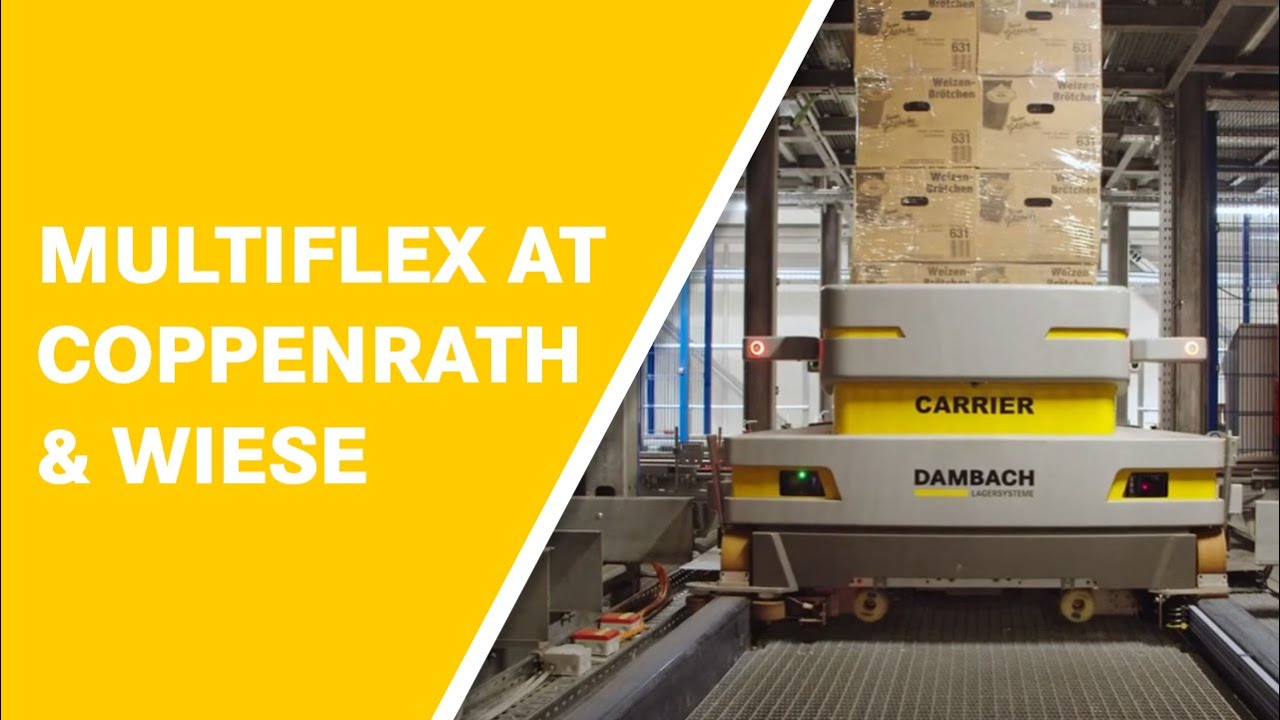
MULTIFLEX Pallet Warehouse: High-Density Frozen Storage
MFI (implied contractor)
Bastian Solutions Corporate Profile: Toyota Advanced Logistics
Bastian Solutions
Amway Midwest Regional Service Center, Ada
Bastian Solutions
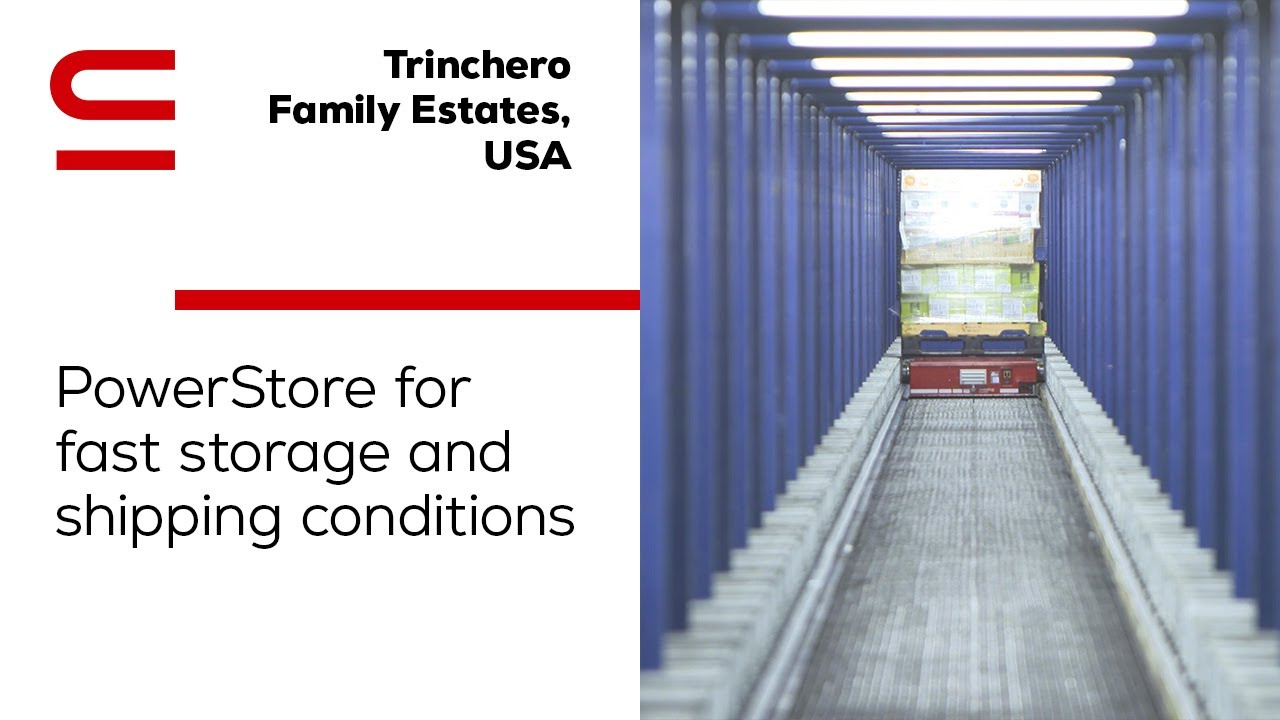
Trinchero Family Estates Napa Valley Winery
Swisslog
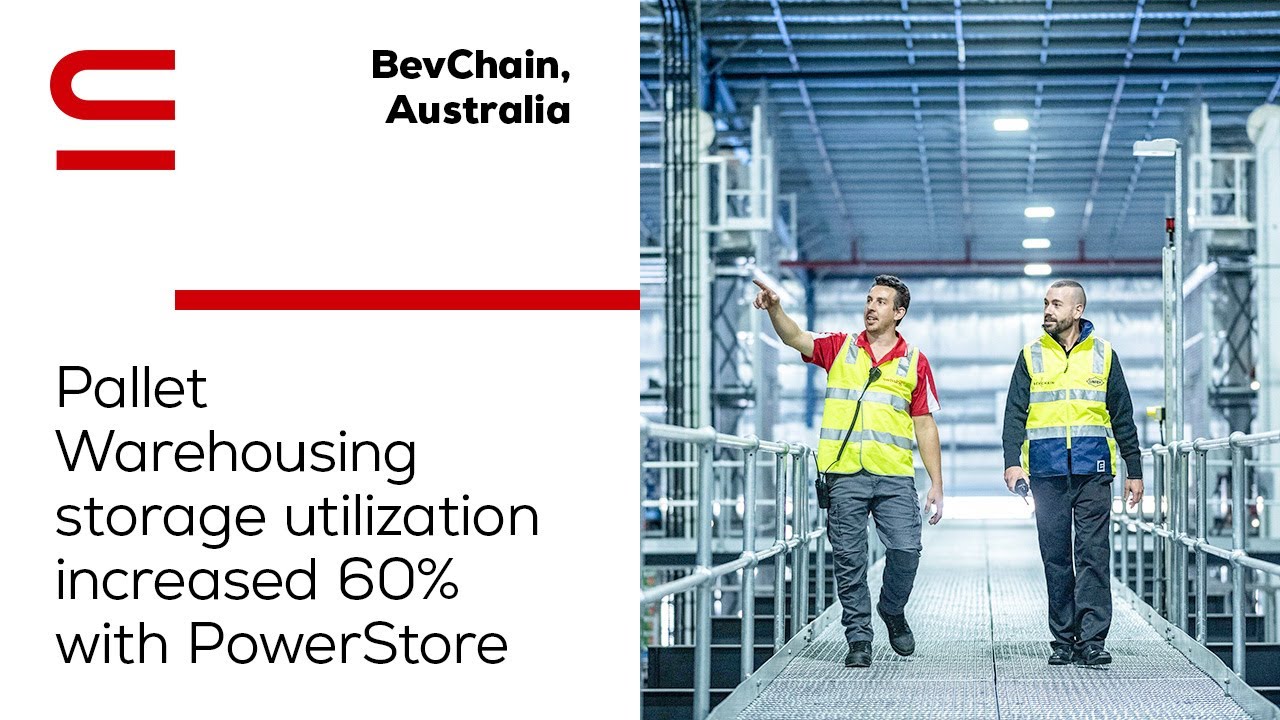
BevChain Australia Distribution Center
Swisslog
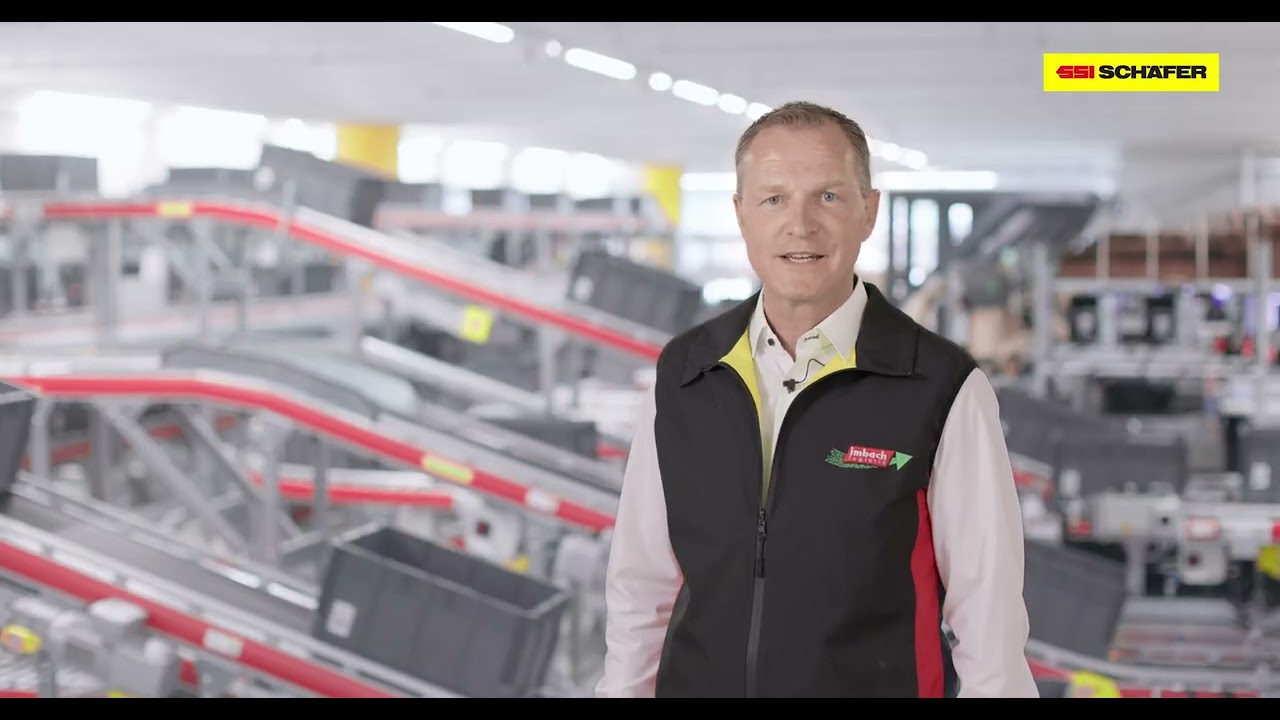
Imbach Logistik - Luzern Logistics Center Automation
SSI Schaefer
Related Suppliers(3)

Addverb
Warehouse Automation that delivers value!

Ancra Systems
Efficient Loading
Atlantic Rack
Space Solutions