Small Load Conveyors
Small load conveyors transport individual items, totes, cartons, and packages through warehouses and distribution centers using belt, roller, or slat systems optimized for lightweight products.
Small Load Conveyors Overview
Conveyor Types
- •Belt ConveyorsSmooth transport
- •Roller ConveyorsGravity & powered
- •Modular ConveyorsFlexible systems
- •Spiral ConveyorsVertical transport
Key Benefits
- •High Throughput1,000+ items/hour
- •Gentle HandlingMinimal damage
- •Cost EffectiveLow investment
- •Easy IntegrationModular design
Components
- •Drive SystemsMotors & controls
- •Belt/Roller SurfaceTransport medium
- •Support FrameStructural base
- •Control SystemsSensors & logic
Applications
- •E-commercePackage sorting
- •ManufacturingAssembly lines
- •Food ProcessingProduct handling
- •PharmaceuticalsClean environments
Features
- •Variable SpeedAdjustable rates
- •AccumulationZero pressure
- •Sorting CapabilityDiverters & switches
- •Incline/DeclineLevel changes
Future Trends
- •Smart SensorsIoT integration
- •AI OptimizationPredictive control
- •Energy EfficiencyGreen technology
- •Modular SystemsPlug & play
How Small Load Conveyors Work
Belt conveyors use continuous belts (typically PVC, rubber, or fabric) running over drive and idler pulleys to transport items. The smooth belt surface handles products of varying sizes and shapes without requiring specific engagement points, making belt conveyors highly versatile for mixed product operations. Flat belts work well for stable items with flat bottoms, while cleated belts with raised ribs prevent items from sliding backward on inclines. Modular plastic belts offer easy maintenance and cleaning, particularly valuable in food or pharmaceutical applications where sanitation is critical.
Roller conveyors use closely-spaced rollers (typically 1.4-1.9 inches in diameter, spaced 1-3 inches apart) to support and move items. Gravity roller conveyors rely on slight inclines (typically 1-3 degrees) to move items without power, providing economical solutions for simple applications. Powered roller conveyors use motors with belt or chain drives connecting multiple rollers, or motor-driven rollers (MDR) with individual motors integrated into select rollers. The MDR approach enables zone control where sections operate independently based on item presence, improving energy efficiency and enabling accumulation.
Slat conveyors use individual slats connected by chains to form a continuous surface, providing a rigid platform that handles heavy or unstable items better than belts. The gaps between slats allow debris to fall through, making slat conveyors suitable for dirty environments or operations generating waste. Hinged slats enable the conveyor to navigate curves and elevation changes while maintaining a continuous support surface. Slat conveyors typically operate at 30-120 feet per minute, slower than belt systems but with better load handling capabilities.
Control systems manage item flow using sensors (photoelectric, laser, or vision-based) to detect item presence, size, and position. Zone control logic starts and stops conveyor sections based on item locations, enabling zero-pressure accumulation where items queue without contact to prevent damage. Sortation controls direct items to specific destinations using pop-up wheels, sliding shoe diverters, or pusher mechanisms that activate based on item identification from barcodes, RFID tags, or vision systems. Integration with warehouse management systems (WMS) enables automated routing based on order requirements, storage locations, or shipping destinations.
Key Benefits
The primary advantage of small load conveyors is labor productivity improvement by automating material movement that would otherwise require manual handling. Workers can focus on value-adding activities like picking, packing, or quality control while conveyors handle transportation between workstations. Operations typically achieve 30-50% productivity improvements in order fulfillment through conveyor automation, with payback periods of 2-4 years through labor savings and increased throughput.
Throughput capacity far exceeds manual handling capabilities, with modern systems processing 3,000-10,000+ items per hour depending on configuration and application. The continuous flow at controlled speeds eliminates variability from worker pace or fatigue, enabling predictable, consistent performance. Accumulation zones provide buffering between operations with different cycle times, preventing bottlenecks and maximizing overall system efficiency. The high throughput enables facilities to meet demanding order fulfillment requirements, particularly critical for e-commerce operations with same-day or next-day delivery commitments.
Accuracy improvements result from automated routing and tracking that eliminates manual sorting errors. Barcode scanning or RFID reading at induction points identifies items and directs them to correct destinations automatically, reducing mis-sorts to near-zero levels. Vision systems verify item presence and orientation, detecting errors before they propagate through the system. The automated tracking provides real-time visibility into item locations and status, supporting inventory management and order fulfillment operations.
Space efficiency improves as conveyors follow optimized paths through facilities, often using overhead space or mezzanines to create multi-level material flow. The vertical integration maximizes use of building volume, enabling facilities to process more volume in the same footprint. Compact curves and spiral conveyors navigate tight spaces while maintaining continuous flow. The organized material flow also improves facility layout by creating clear product movement patterns that support efficient operations.
Common Applications
E-commerce fulfillment centers rely heavily on small load conveyors to transport items from storage through picking, packing, and shipping operations. Goods-to-person systems use conveyors to deliver totes or bins from automated storage to picking stations, then return them to storage after picking. Pack stations receive items via conveyor, with completed orders flowing to sortation systems that direct packages to correct shipping lanes based on carrier and destination. The high throughput supports the rapid order fulfillment required for next-day or same-day delivery.
Parcel distribution centers use extensive conveyor networks to sort packages by destination, carrier, or service level. Induction conveyors receive packages from receiving docks or unload areas, transporting them to sortation systems that read barcodes and divert packages to correct destinations. Merge conveyors combine flows from multiple sources, while accumulation conveyors buffer packages before loading. Modern parcel facilities process 50,000-200,000+ packages per day through automated conveyor and sortation systems.
Manufacturing operations use small load conveyors for assembly line feeding, transporting components and subassemblies between workstations. The continuous flow supports lean manufacturing principles by minimizing work-in-process inventory while ensuring workstations have needed materials. Quality control operations use conveyors to present products for inspection at ergonomic heights, with reject mechanisms automatically diverting defective items. Packaging operations use conveyors to transport products through labeling, boxing, and palletizing processes.
Retail distribution centers leverage small load conveyors for store replenishment and cross-docking operations. Items flow from receiving through sortation systems that direct products to correct store destinations, with accumulation conveyors buffering items before loading. Garment-on-hanger (GOH) systems use overhead conveyors to transport hanging apparel through facilities, supporting sorting and order fulfillment for retail stores. The automated flow reduces handling time and labor costs while improving accuracy.
Implementation Considerations
Successful small load conveyor implementation requires thorough product analysis to ensure the system can handle the range of items processed. Size range (minimum and maximum dimensions) determines conveyor width and spacing requirements. Weight range affects conveyor type selection and motor sizing. Product characteristics including bottom surface, stability, and fragility influence whether belt, roller, or slat conveyors are most appropriate. Throughput requirements determine conveyor speeds and the number of parallel lines needed.
Layout optimization should minimize travel distance while accommodating facility constraints and operational workflows. Conveyor paths should follow natural product flow from receiving through processing to shipping, avoiding unnecessary direction changes or elevation changes. Merge and diverge points must be carefully designed to prevent jams and maintain throughput. Accumulation zones should be sized to provide adequate buffering for peak demand periods. Maintenance access must be provided for all conveyor sections, with adequate clearances for service and repairs.
Integration requirements include connections to automated systems, control interfaces, and facility infrastructure. Automated storage systems, picking stations, and packing stations require precise positioning and transfer mechanisms for reliable item handoff. Sortation systems need accurate item identification through barcode scanners, RFID readers, or vision systems. Warehouse management systems require real-time communication with conveyor controls to track item locations and manage routing. Electrical infrastructure must provide adequate power, with proper load management and backup power for critical operations.
Scalability planning should consider future growth and operational changes. Modular designs enable incremental expansion without major disruption to existing operations. Flexible routing through programmable controls allows the system to adapt to changing product mixes or operational requirements. Spare capacity in conveyor speeds and throughput (typically 20-30% above current requirements) provides headroom for growth without immediate reinvestment.
Best Practices
Product standardization improves conveyor reliability and reduces complexity. Standardized totes or containers for small items simplify conveyor design and improve flow consistency. Packaging standards ensure that items have adequate stability and protection for conveyor transport. Minimum size requirements prevent small items from falling through gaps or being missed by sensors. Clear standards and enforcement through receiving inspections support reliable conveyor operation.
Preventive maintenance keeps systems running reliably and extends equipment lifespan. Daily inspections should check for debris accumulation, damaged belts or rollers, and proper sensor operation. Weekly maintenance includes cleaning sensors and photo eyes, checking belt tracking and tension, and verifying control system operation. Monthly professional maintenance provides comprehensive assessments including motor inspection, bearing lubrication, and structural integrity checks. Well-maintained small load conveyor systems operate reliably for 10-15 years with proper care.
Energy efficiency can be improved through intelligent controls and equipment selection. Zone control with MDR technology starts sections only when items are present, reducing energy consumption by 40-60% compared to continuously running systems. Variable frequency drives (VFDs) enable speed adjustments based on operational requirements, optimizing energy use. LED lighting for sensors and work areas reduces electrical consumption. Energy monitoring tracks consumption patterns and identifies optimization opportunities.
Safety features protect personnel working near conveyors. Emergency stop buttons should be accessible throughout the system, with clear visual indicators of system status. Guards and barriers prevent personnel from reaching into moving conveyor sections or pinch points. Warning lights and audible alarms alert personnel when conveyors are operating. Safety interlocks prevent operation when guards are removed or maintenance access is open. Ergonomic design of workstations along conveyors reduces injury risks from repetitive motions or awkward postures.
Measuring Success
Key performance indicators include system uptime (target 98%+), throughput (items per hour), sort accuracy (target 99.9%+), and labor productivity (items processed per labor hour). These metrics evaluate whether the system delivers expected benefits while maintaining reliable operation. Tracking jam frequency, maintenance costs, and energy consumption identifies optimization opportunities.
Return on investment typically materializes over 2-4 years through labor savings, increased throughput, and improved accuracy. Labor cost reduction of 30-50% in material handling provides the largest economic benefit. Increased throughput enables facilities to handle more volume without proportional increases in labor or facility size. Improved accuracy reduces costs from mis-ships, returns, and customer service issues.
Operational metrics including order cycle time, pick productivity, and shipping accuracy should improve after conveyor implementation. The automated material flow reduces handling time and eliminates manual routing errors. Real-time tracking improves inventory visibility and order status information. Space utilization increases as organized material flow enables better facility layout and reduces staging requirements.
By implementing small load conveyors with careful attention to product characteristics, layout optimization, and operational integration, facilities can achieve automated material flow that dramatically improves productivity, accuracy, and throughput in order fulfillment and distribution operations.
Related Technologies (6)
Dual Split Tray Sorter: Over-Under Apparel Store Replenishment
byEuroSort
Dual Split Tray (Bomb Bay) Sorter for 3PL E-commerce
byEuroSort
Dual Split Tray (Bomb Bay) Sorter: High-Speed Postal Sorting
byEuroSort
Dual Split Tray (Bomb Bay) Sorter: High-Speed Apparel Sortation
byEuroSort
MIX: All-round Goods-to-Person Picking Solution
byMushiny
Gravity Roller Conveyors: Manual Transport and Staging
byOthers
Related Transport Topics
Box Conveyor Systems
Box conveyor systems transport cartons and cases through distribution centers using belt, roller, or chain conveyors optimized for the consistent dimensions and weights of boxed products.
Monorail Systems
Monorail systems use overhead tracks with powered trolleys to transport products through facilities, combining the space efficiency of overhead conveyors with flexible routing and independent carrier control.
Overhead Conveyors
Overhead conveyors suspend products from tracks mounted above the work area, freeing floor space while transporting items through manufacturing, finishing, storage, and distribution processes.
Pallet Conveyors
Pallet conveyors transport palletized loads through warehouses and manufacturing facilities using powered rollers, chains, or belts, enabling automated material flow between storage, production, and shipping areas.
Vertical Conveyors
Vertical conveyors transport products between different floor levels using continuous lifts, spiral systems, or reciprocating platforms, enabling multi-level material flow in warehouses and manufacturing facilities.
About This Topic
Related Projects(6)
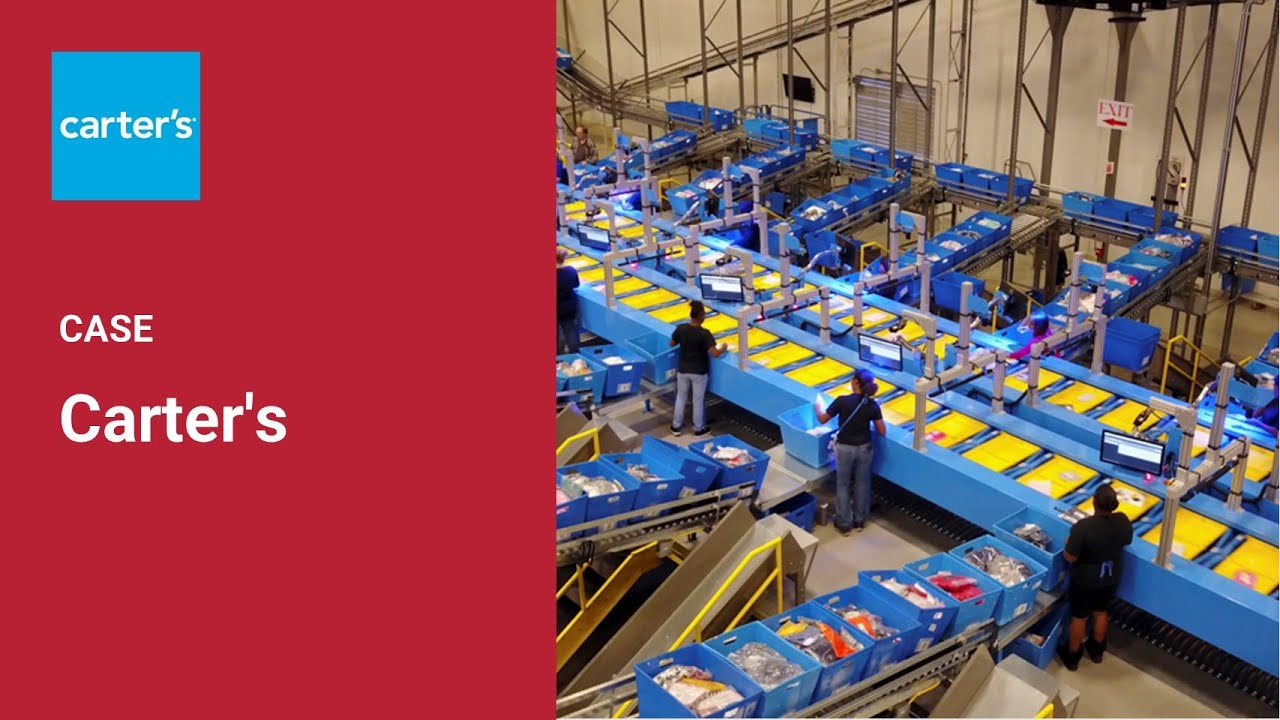
Carter's / OshKosh USA Distribution Center
Element Logic
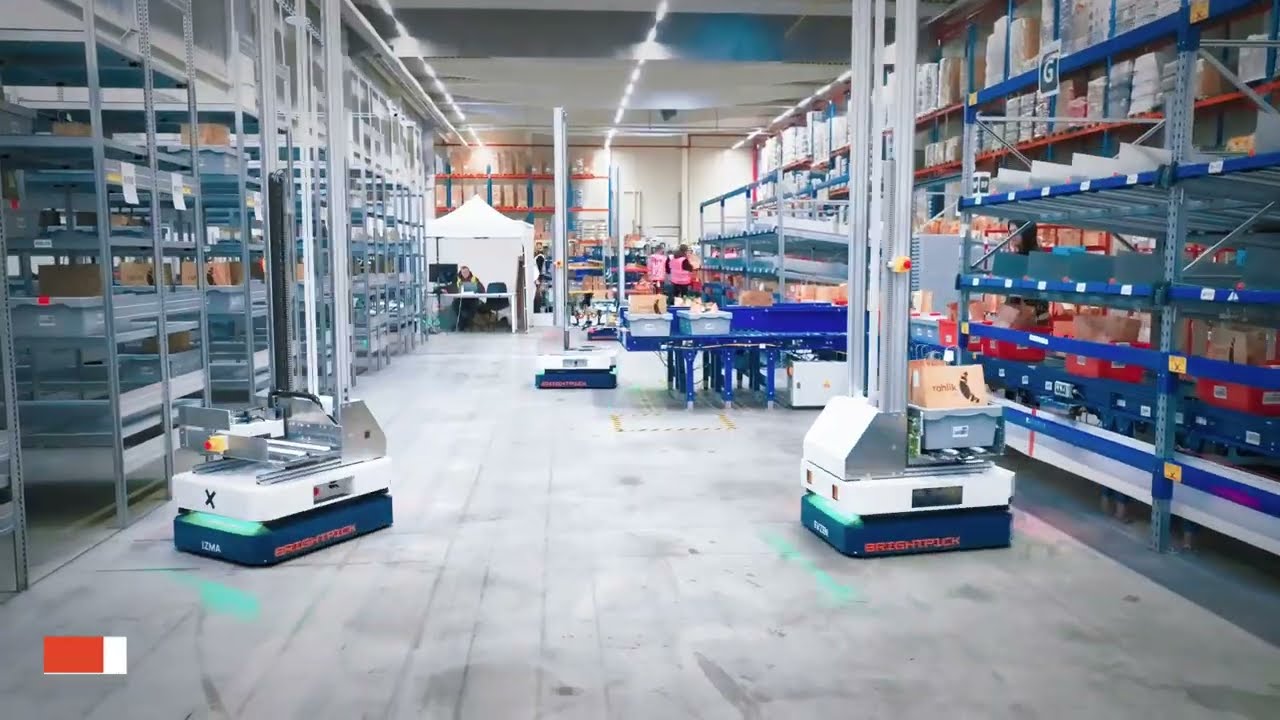
Rohlik.cz Prague Fulfillment Center
Brightpick
Bastian Solutions Corporate Profile: Toyota Advanced Logistics
Bastian Solutions
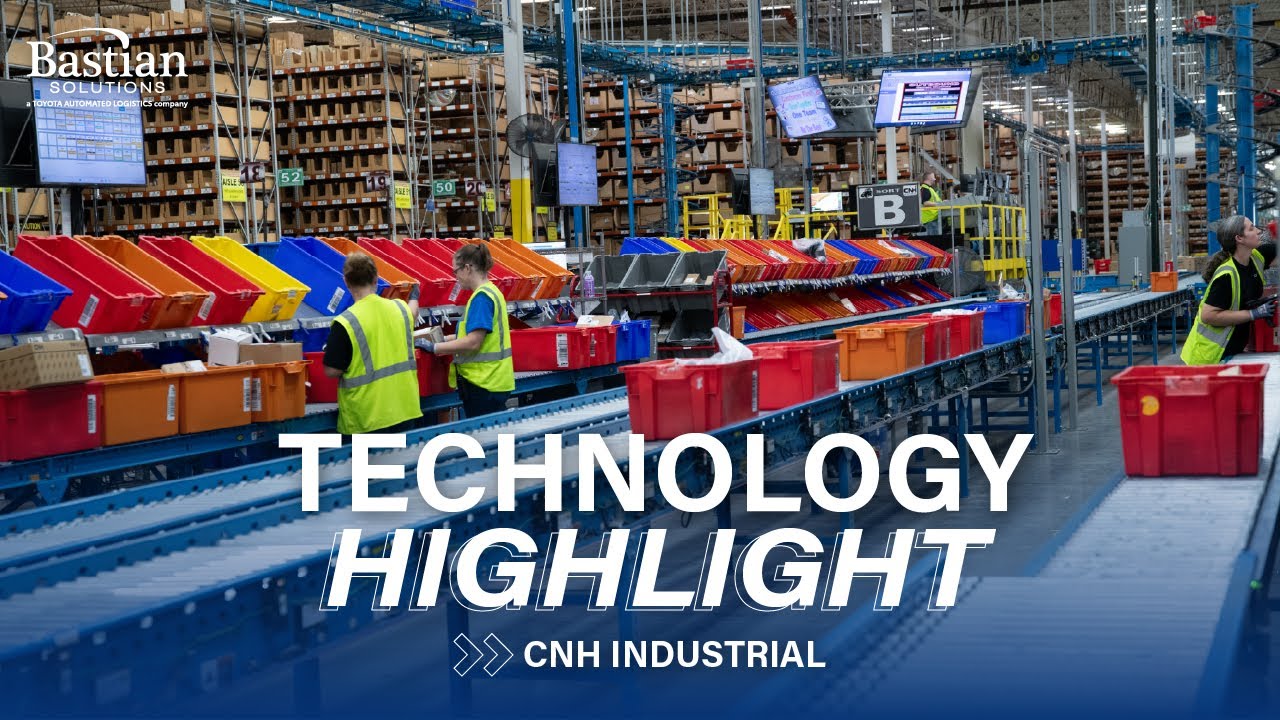
CNH Industrial Indianapolis Distribution Center
Bastian Solutions

Gleaners Food Bank Indianapolis Back Sack Assembly Line
Bastian Solutions
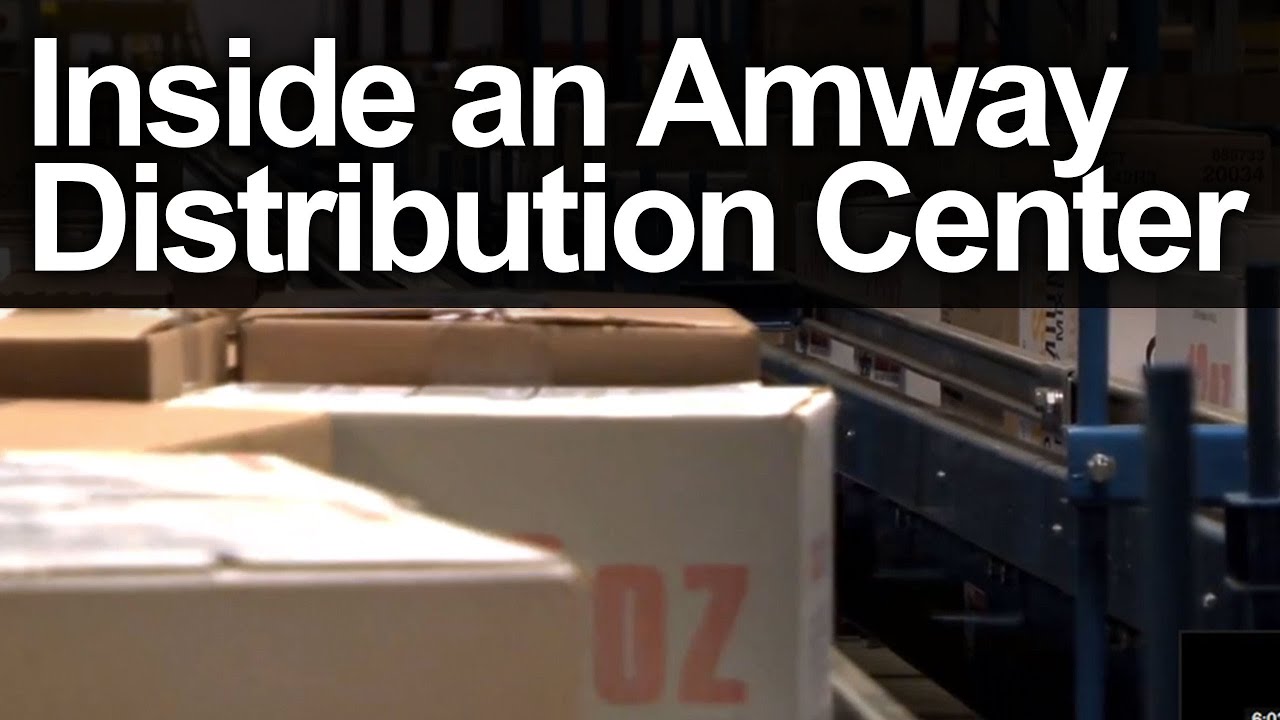
Amway Midwest Regional Service Center, Ada
Bastian Solutions
Related Suppliers(3)

Addverb
Warehouse Automation that delivers value!

Ancra Systems
Efficient Loading
Atlantic Rack
Space Solutions