Spiral Conveyors: High-Capacity Vertical Transport
Quick Facts
Technology Performance Metrics
⭐Key Features
Benefits
Applications
Detailed Information
Technology Overview
Spiral conveyors, also known as spiral lifts or vertical conveyors, are a continuous, space-efficient solution for moving goods between different elevations within a facility. Unlike traditional vertical reciprocating conveyors (VRCs) that have a single platform, spiral conveyors feature a continuous belt or chain of slats that travel in a helical path, allowing for non-stop loading and unloading. This makes them exceptionally well-suited for high-throughput environments like modern distribution centers, e-commerce fulfillment hubs, and multi-story manufacturing plants. Ryson's spiral conveyors, particularly the High Capacity and Wide Track models, are designed to meet the demanding needs of omni-channel logistics, where flexibility, density, and continuous flow are paramount.
How It Works
Core Principles
The core principle is continuous helical conveyance. A motor-driven chain or belt, fitted with carrying slats, travels in a vertical spiral within a compact tower structure. Products are placed onto the slats at an infeed point. As the slats circulate, they carry the product upward (or downward) in a smooth, continuous motion. At the desired discharge elevation, the product is guided off the slats onto an outgoing conveyor or workstation.
Key Features & Capabilities
The High Capacity Spiral is engineered for efficiency, with a single drive motor capable of reaching 35 feet high, which simplifies the system and reduces energy consumption. It boasts a significant load capacity of 75 lbs per linear foot at operational speeds up to 200 FPM, and a total dynamic capacity in the spiral of up to 3600 lbs, allowing multiple loads to be in transit simultaneously. A major flexibility feature is the Multiple Entry and Exit Spiral option, which allows loads to enter or exit at intermediate elevations, creating a versatile vertical transport hub. For handling diverse product mixes, the Wide Track Spirals with 30” or 36” wide slats provide the necessary surface area to handle a variety of load sizes, both big and small.
Advantages & Benefits
These spiral conveyors are ideal for multi-level warehousing and Omni-channel distribution centers, directly addressing the need for dense, vertical material flow. The single-motor design for significant heights leads to substantial savings in energy, controls, and system integration costs compared to solutions requiring multiple drives or lifts. Their design makes them perfect for omni-channel warehouses, micro distribution centers, and ecommerce order picking operations where space is premium and throughput is critical. The multiple entry/exit capability enables flexible material flow, allowing different floors or processes to independently send and receive goods via a shared vertical artery.
Implementation Considerations
Key planning considerations include the maximum height per unit of 35 feet; facilities requiring greater vertical travel may need to stack units or consider alternative solutions. Engineers must ensure that the load capacity and physical dimensions of the items conveyed align with the system's 75 lbs/ft rating and the wide track slat widths to ensure smooth operation.
Use Cases & Applications
Ideal For
These conveyors are ideal for any facility with processes spread across two or more levels that requires a continuous, high-volume, and reliable method of vertical transport, particularly in fast-paced e-commerce and retail distribution.
Conclusion
Ryson's Spiral Conveyors offer a powerful and efficient solution for conquering vertical space in modern supply chain facilities. Their high capacity, energy-efficient single-drive design, and unique multiple access points make them exceptionally well-suited for the flexible and dense operations required by omni-channel and e-commerce logistics. By providing continuous, high-throughput vertical transport, they eliminate bottlenecks, reduce manual handling, and maximize the utility of multi-level buildings. For operations looking to optimize vertical material flow with reliability and flexibility, investing in a spiral conveyor system is a strategic decision that supports scalability and operational excellence.
Vendor
OthersRelated Technologies
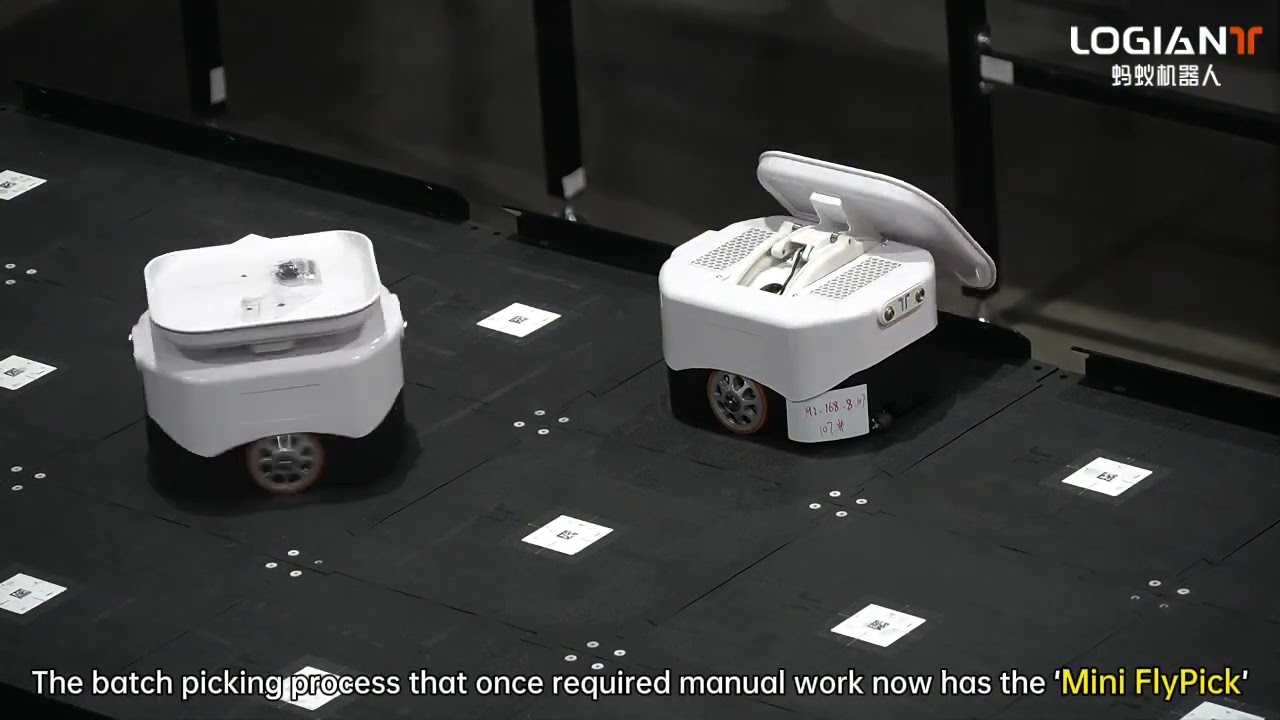
Mini FlyPick Robot: Compact High-Speed Sorting AMR
Others

Split Tray (Bomb Bay) Sorter Compilation: Versatile High-Speed Sortation
Others
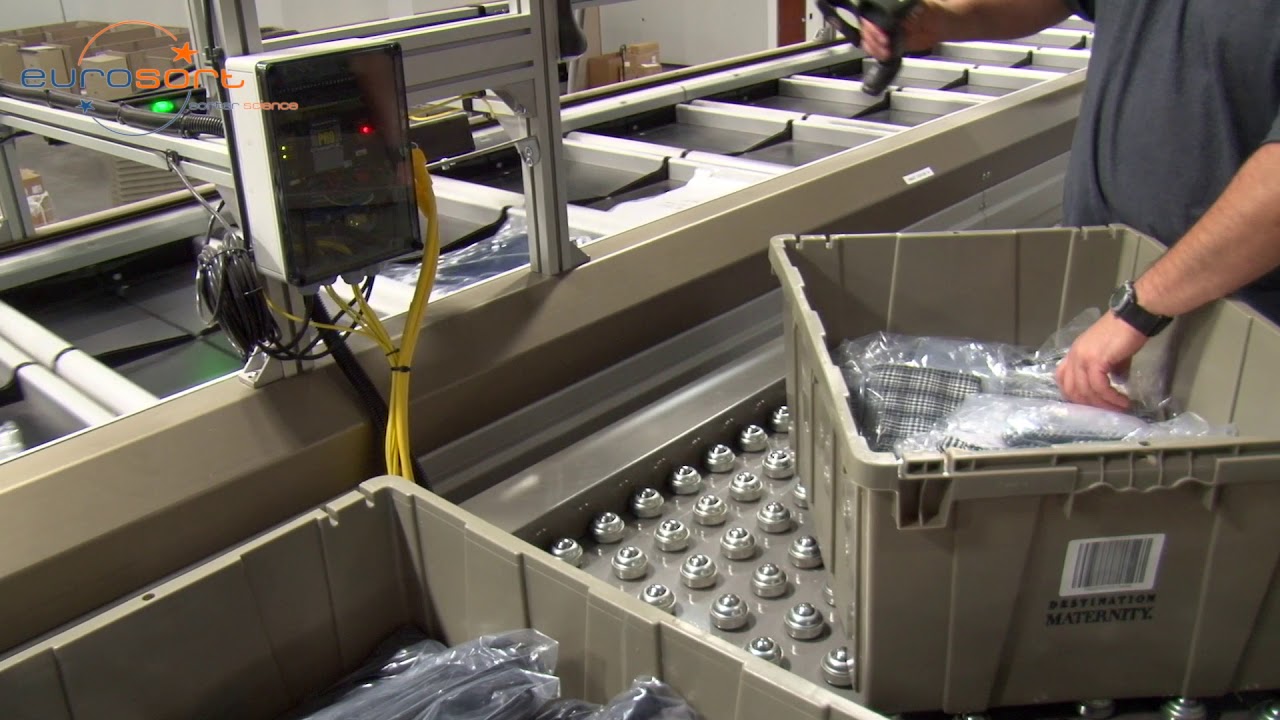
Patented Dual Split Tray (Bomb Bay) Sorter with Batch Induction
Others