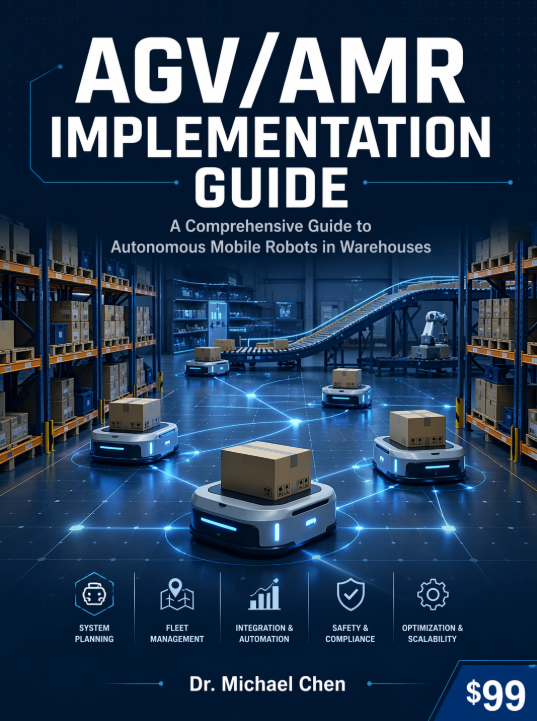
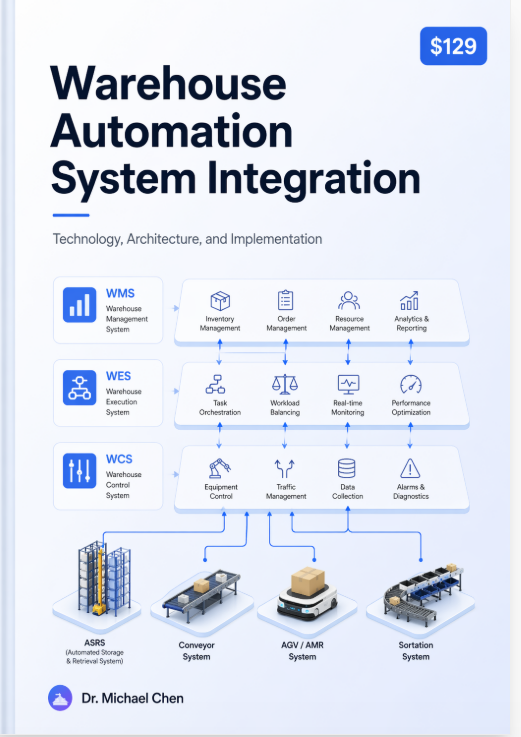
Automated Guided Vehicle (AGV) Systems: Safety-First Automation
Quick Facts
Technology Performance Metrics
⭐Key Features
Benefits
Applications
Detailed Information
Technology Overview
Jungheinrich's Automated Guided Vehicle (AGV) Systems are engineered to bring automation to internal logistics with an unwavering focus on safety. Recognizing that the highest level of efficiency is only achievable in a secure environment, these systems are designed from the ground up to operate reliably alongside human workers and other equipment. By transferring repetitive and heavy transport tasks to automated vehicles, they provide dependable support for warehouse and production staff while improving overall economics. The cornerstone of this technology is its comprehensive, multi-directional sensor suite, which creates a dynamic safety envelope around each AGV. This makes Jungheinrich AGVs particularly well-suited for mixed-operation facilities where safety for people, machines, and loads is non-negotiable.
How It Works
Core Principles
The system operates on the principle of pre-defined route navigation enhanced by real-time environmental perception. AGVs follow fixed paths but use an array of sensors to detect and react to obstacles instantly, ensuring safe interaction within a shared workspace.
Key Features & Capabilities
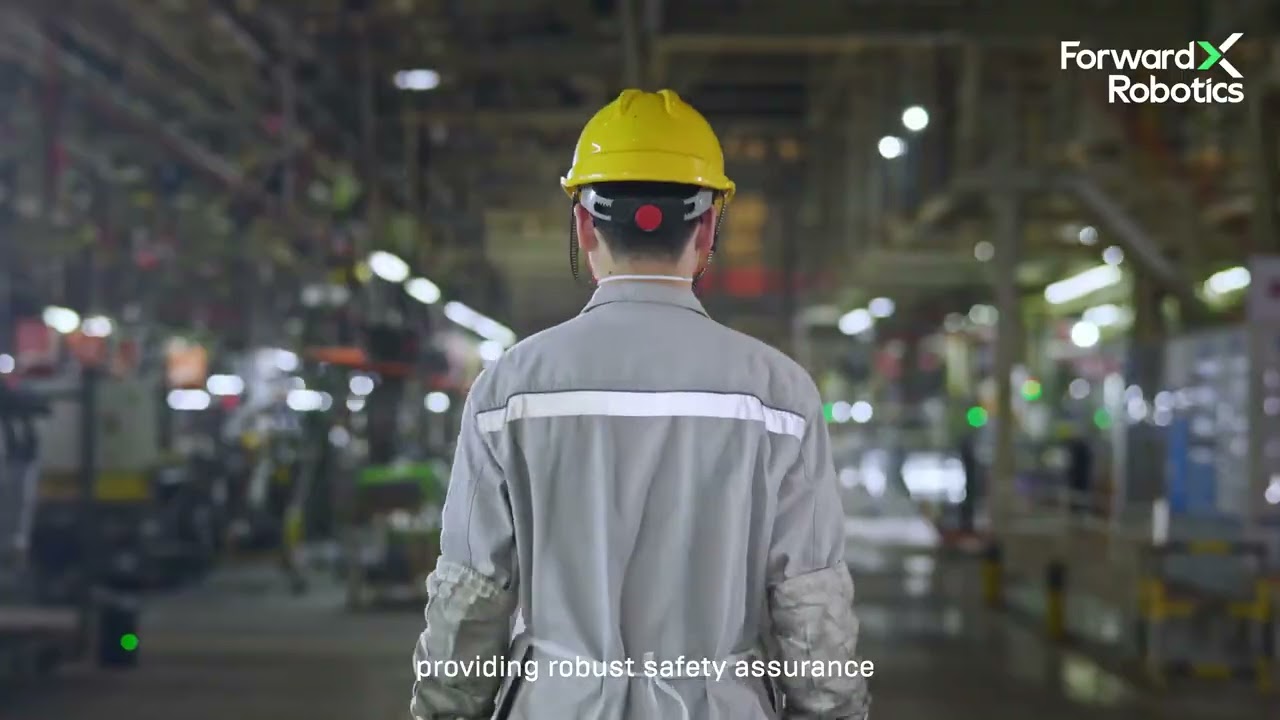
All-Side Sensor Protection creates a 360-degree safety zone, with specialized scanners for driving direction, sides, and the load handling area. Dynamic Protection Fields intelligently adjust the size of warning and stopping zones based on the vehicle's speed, ensuring appropriate stopping distances. Predictable Operation is maintained by using fixed routes and clear signaling, allowing personnel to anticipate AGV movements. Seamless WMS Integration allows for efficient, centrally managed task allocation and enables advanced features like automatic door opening.
Advantages & Benefits
The paramount benefit is the establishment of a highly safe automated work environment, which protects employees and reduces the risk of accidents and product damage. This safety foundation makes automation viable in mixed-operation scenarios, allowing for a gradual or partial automation strategy. The system improves operational economics by reducing labor costs associated with simple transport and increasing asset utilization. It provides reliable, consistent performance 24/7, supporting multi-shift operations without fatigue.
Implementation Considerations
Successful implementation in a mixed environment requires clear process rules and staff training. Personnel must understand and follow guidelines such as keeping drive routes clear, giving AGVs the right of way, and staying out of designated danger zones during load handling. It's important to note that sensors may not detect certain obstacles like raised objects (e.g., pallets left on the floor), so maintaining a tidy workspace is crucial. The system works best with clearly defined and obstruction-free travel paths.
Use Cases & Applications
Ideal For
This solution is ideal for any industrial, manufacturing, or logistics operation seeking to introduce or expand automation in spaces shared with human workers, where safety and reliability are critical.
Conclusion
Jungheinrich's AGV Systems represent a robust and safety-centric approach to automating internal transport. By prioritizing comprehensive protection for people, loads, and infrastructure, they remove a significant barrier to automation adoption in dynamic, people-rich environments. The combination of reliable automated performance with intelligent, multi-layered safety features offers a compelling value proposition: improved efficiency and economics without compromising on workplace safety. For companies looking to enhance their logistics operations with automation that employees can work alongside confidently, Jungheinrich's AGV systems provide a trustworthy and effective pathway forward.
Vendor
JungheinrichRelated Technologies
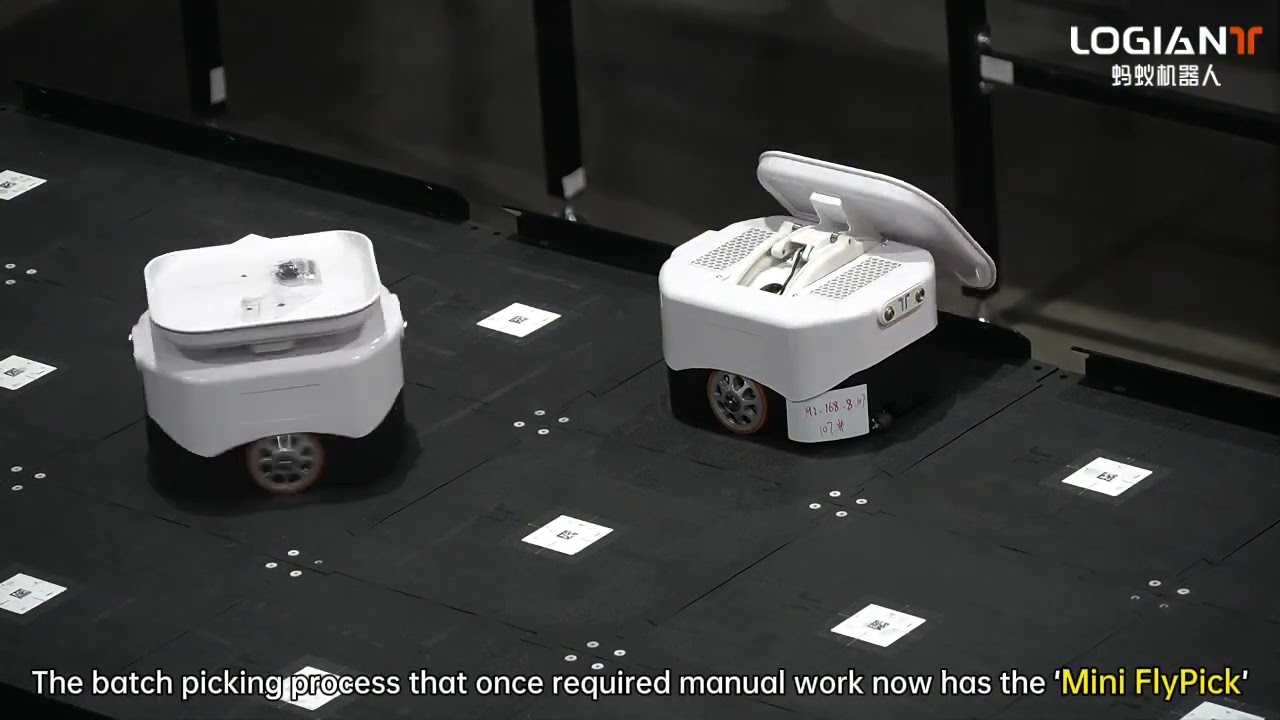
Mini FlyPick Robot: Compact High-Speed Sorting AMR
Others
AI-Powered Robotic Truck Loading System
Others

TiltSort-Bot: Autonomous Mobile Robot (AMR) for Sortation
Conveyco