Mixed Case Fulfillment Strategy
Mixed case fulfillment is a sophisticated warehouse strategy that handles orders containing multiple different products (SKUs) within the same case, pallet, or shipment. This approach requires advanced automation, intelligent software, and flexible processes to efficiently pick, pack, and ship diverse product combinations while maintaining high accuracy and productivity.
Mixed Case Fulfillment Strategy Overview
Click on any element to learn more about mixed case fulfillment components
Core Concepts
Technology Solutions
Operational Strategies
Key Benefits
📋 What is Mixed Case Fulfillment?
Mixed case fulfillment refers to the warehouse operation of building orders that contain multiple different SKUs (Stock Keeping Units) within a single case, pallet, or shipment unit. Unlike full-case or full-pallet picking where entire units of a single product are moved, mixed case fulfillment requires selecting specific quantities of different products and combining them into a single shipping unit.
This fulfillment strategy is particularly common in industries where customers order small quantities of many different products, such as grocery distribution to retail stores, foodservice distribution to restaurants, pharmaceutical distribution to pharmacies, and wholesale distribution to small retailers.
Key Characteristics:
- Multi-SKU Orders: Each order contains multiple different products
- Variable Quantities: Products may be ordered in cases, inners, or each-level quantities
- Complex Picking: Requires both case-level and each-level picking capabilities
- Pallet Building: Creating stable, mixed-product pallets for shipment
- High Accuracy Requirements: Errors are costly and impact customer satisfaction
- Labor Intensive: Traditionally requires significant manual labor and expertise
The complexity of mixed case fulfillment stems from the need to handle products with different sizes, weights, packaging types, and handling requirements while maintaining efficiency, accuracy, and product integrity throughout the fulfillment process.
🏢 Operational Challenges
Order Complexity Management
Mixed case orders present unique challenges that don't exist in full-case or full-pallet operations.
Product Variety:
- Warehouses may stock 10,000-50,000+ SKUs
- Each order may contain 20-200+ different line items
- Products vary in size, weight, fragility, and temperature requirements
- Seasonal variations create demand fluctuations
Picking Complexity:
- Multiple pick locations per order
- Travel time between picks can be significant
- Congestion in high-velocity pick areas
- Balancing workload across pickers
Pallet Building Challenges:
- Ensuring pallet stability with mixed products
- Optimizing cube utilization
- Protecting fragile items
- Maintaining proper weight distribution
- Following customer-specific pallet building rules
Accuracy and Quality Control
Maintaining high accuracy is critical but challenging in mixed case environments.
Error Sources:
- Mispicks (wrong product selected)
- Quantity errors (wrong count)
- Damaged products included in orders
- Missing items
- Wrong pallet or route assignment
Quality Control Measures:
- Check digits and verification systems
- Weight verification at packing
- Vision systems for product validation
- Random audits and quality checks
- Real-time error tracking and correction
Impact of Errors:
- Customer dissatisfaction and complaints
- Costly returns and redeliveries
- Inventory discrepancies
- Labor costs for error correction
- Potential loss of customer accounts
Labor and Productivity
Mixed case fulfillment is traditionally labor-intensive, requiring skilled workers and efficient processes.
Labor Requirements:
- Experienced pickers who know product locations
- Physical stamina for repetitive lifting and walking
- Attention to detail for accuracy
- Ability to build stable pallets
- Training time for new employees
Productivity Factors:
- Pick path optimization
- Slotting efficiency (product placement)
- Order batching strategies
- Equipment and tools provided
- Warehouse layout and design
Workforce Challenges:
- High turnover rates in warehouse positions
- Increasing labor costs
- Difficulty finding and retaining skilled workers
- Seasonal demand fluctuations
- Ergonomic concerns and injury prevention
🤖 Automation Technologies
Layer Picking Systems
Layer picking technology automates the selection and movement of entire layers of cases from pallets, significantly improving productivity for high-volume SKUs.
How It Works:
- Robotic arms or specialized grippers select complete layers
- Vision systems identify layer patterns and product orientation
- Automated transfer to build pallets or staging areas
- Can handle multiple SKU layers in sequence
Benefits:
- 3-5x faster than manual layer picking
- Consistent accuracy and quality
- Reduced physical strain on workers
- Handles heavy or awkward products safely
- Operates continuously without breaks
Typical Applications:
- High-velocity products (A-items)
- Standard case sizes and packaging
- Full-layer order quantities
- Grocery and beverage distribution
- Retail replenishment
Leading Vendors:
- KNAPP (Pick-it-Easy Robot)
- Dematic (Multishuttle)
- Swisslog (ItemPiQ)
- Honeywell Intelligrated
Case Picking Robots
Robotic systems designed specifically for selecting individual cases from storage and building mixed pallets.
Technologies:
- Articulated robotic arms with specialized grippers
- Vision systems for case identification and orientation
- AI-powered grasp planning
- Collaborative robots working alongside humans
- Mobile robots that travel to pick locations
Capabilities:
- Handle cases of varying sizes (within range)
- Adapt to different packaging types
- Learn and improve over time with AI
- Work in existing warehouse environments
- Integrate with WMS and WCS systems
Performance Metrics:
- Pick rates: 400-800 cases per hour per robot
- Accuracy: >99.9%
- Uptime: 95-98%
- Payback period: 2-3 years
Implementation Considerations:
- Case standardization requirements
- Packaging quality and consistency
- Integration with existing systems
- Maintenance and support needs
- Scalability and flexibility
Vision and AI Systems
Advanced computer vision and artificial intelligence enable robots and systems to identify, locate, and handle products with human-like perception.
Vision System Capabilities:
- Product identification and verification
- Barcode and label reading
- Damage detection
- Orientation determination
- Grasp point identification
AI Applications:
- Predictive slotting optimization
- Dynamic pick path planning
- Demand forecasting
- Anomaly detection
- Continuous learning and improvement
Benefits:
- Handles product variety without reprogramming
- Adapts to packaging changes
- Improves accuracy and quality
- Reduces training requirements
- Enables autonomous decision-making
Mixed Palletizing Systems
Automated systems that build stable, optimized mixed-product pallets according to specific rules and requirements.
System Components:
- Robotic palletizers with advanced grippers
- Pallet building algorithms
- Weight and stability sensors
- Stretch wrapping integration
- Quality verification cameras
Pallet Building Intelligence:
- Optimizes cube utilization
- Ensures stability and weight distribution
- Follows customer-specific rules
- Protects fragile items
- Maximizes truck loading efficiency
Performance:
- Build rates: 200-400 cases per hour
- Pallet quality consistency
- Reduced product damage
- Improved truck utilization
- Labor savings: 2-3 FTEs per system
📊 Operational Strategies
Zone Picking
Dividing the warehouse into zones with dedicated pickers reduces travel time and increases productivity.
Zone Design Principles:
- Balance workload across zones
- Group complementary products
- Consider product velocity and seasonality
- Minimize handoffs between zones
- Optimize zone size for picker efficiency
Zone Picking Process:
- Orders are divided into zone-specific pick lists
- Each zone picker completes their portion
- Partial orders are conveyed to consolidation area
- Orders are merged and verified
- Complete orders proceed to shipping
Advantages:
- Reduced picker travel time
- Increased picker familiarity with products
- Better workload balancing
- Easier training for new employees
- Scalable for varying volumes
Challenges:
- Requires order consolidation process
- Potential bottlenecks at consolidation
- Complexity in order tracking
- Need for sophisticated WMS
- Zone rebalancing as demand changes
Batch Picking
Picking multiple orders simultaneously in a single pass through the warehouse improves efficiency.
Batch Picking Methods:
Sort-While-Pick:
- Picker carries multiple order containers
- Sorts products into correct orders during picking
- Suitable for small batches (4-12 orders)
- Requires careful attention to avoid errors
Pick-Then-Sort:
- Pick all products for batch into common container
- Sort products to individual orders at consolidation station
- Handles larger batches (20-50+ orders)
- Uses put-to-light or automated sortation
Benefits:
- Reduced travel time per order
- Higher picks per hour
- Better utilization of equipment
- Improved warehouse throughput
- Lower cost per order
Optimization Factors:
- Batch size determination
- Order similarity grouping
- Pick path optimization
- Sorting station capacity
- Order priority management
Wave Picking
Scheduling picks in coordinated waves aligns fulfillment with shipping schedules and optimizes resource utilization.
Wave Planning Considerations:
- Shipping cutoff times
- Carrier pickup schedules
- Order priority levels
- Product availability
- Labor availability
Wave Execution:
- WMS releases orders for wave
- Pick lists generated and optimized
- Pickers execute picks simultaneously
- Orders flow to packing/staging
- Shipments prepared for carrier pickup
Benefits:
- Predictable workflow
- Efficient labor scheduling
- Coordinated shipping preparation
- Better carrier utilization
- Improved on-time performance
Wave Strategy Types:
- Time-based waves (hourly, shift-based)
- Volume-based waves (order count, line count)
- Priority-based waves (express, standard)
- Hybrid approaches
Cluster Picking
Advanced strategy where a single picker fulfills multiple orders simultaneously using specialized equipment.
Cluster Picking Equipment:
- Multi-order picking carts with compartments
- Voice or light-directed systems
- Mobile devices with order displays
- Automated guided vehicles with bins
Process Flow:
- System assigns cluster of orders to picker
- Optimized pick path generated
- Picker travels path once, distributing products
- System guides which products go to which orders
- Completed orders proceed to verification
Advantages:
- Maximizes picker productivity
- Reduces travel time significantly
- Handles high order volumes efficiently
- Flexible for varying order profiles
- Scalable with demand
Success Factors:
- Order profiling and clustering algorithms
- Appropriate equipment selection
- Picker training and proficiency
- WMS sophistication
- Continuous optimization
💰 Economic Analysis
Cost Components
Labor Costs:
- Picking labor: 50-60% of fulfillment costs
- Packing and palletizing: 15-20%
- Supervision and management: 10-15%
- Quality control: 5-10%
- Benefits and overhead: 20-30% of wages
Technology Investment:
- Manual operations: $10-20/sq ft
- Semi-automated: $50-150/sq ft
- Highly automated: $200-500/sq ft
- Software systems: $100K-$1M+
- Ongoing maintenance: 5-10% annually
Operational Costs:
- Facility rent/mortgage
- Utilities and maintenance
- Equipment depreciation
- Supplies (pallets, stretch wrap, labels)
- Returns and error correction
Productivity Metrics
Manual Operations:
- Cases per hour: 80-120
- Lines per hour: 30-50
- Orders per hour: 3-8
- Accuracy: 98-99.5%
- Labor cost per case: $0.50-$1.50
Semi-Automated:
- Cases per hour: 150-250
- Lines per hour: 60-100
- Orders per hour: 8-15
- Accuracy: 99.5-99.9%
- Labor cost per case: $0.30-$0.80
Highly Automated:
- Cases per hour: 300-500+
- Lines per hour: 120-200+
- Orders per hour: 15-30+
- Accuracy: 99.9%+
- Labor cost per case: $0.15-$0.40
ROI Considerations
Investment Justification:
- Labor savings and productivity gains
- Accuracy improvements and error reduction
- Capacity increases without facility expansion
- Improved customer service and retention
- Competitive advantage
Payback Analysis:
- Manual to semi-automated: 2-4 years
- Semi to highly automated: 3-5 years
- Factors: labor rates, volume, growth projections
- Risk mitigation: phased implementation
🏭 Industry Applications
Grocery Distribution
Grocery wholesalers and distributors face unique mixed case challenges with diverse product types and strict quality requirements.
Product Categories:
- Ambient (dry goods, canned goods)
- Refrigerated (dairy, deli, produce)
- Frozen (ice cream, frozen foods)
- Non-food (health & beauty, general merchandise)
Operational Requirements:
- Temperature zone management
- FIFO rotation for perishables
- Fragile product handling
- Customer-specific pallet building
- Tight delivery windows
Automation Opportunities:
- Layer picking for high-velocity items
- Automated palletizing for standard cases
- Voice picking for each-level items
- Automated storage for slow movers
- Route optimization software
Foodservice Distribution
Restaurants and institutional customers require frequent deliveries of diverse products in precise quantities.
Unique Characteristics:
- High order frequency (daily or multiple times per week)
- Small order sizes with many line items
- Broad product range (food, supplies, equipment)
- Strict food safety requirements
- Delivery time sensitivity
Fulfillment Strategies:
- Zone picking by product category
- Batch picking for route optimization
- Temperature-controlled staging
- Quality inspection processes
- Efficient truck loading sequences
Pharmaceutical Distribution
Pharmaceutical wholesalers handle high-value products with strict regulatory requirements and accuracy demands.
Special Considerations:
- Regulatory compliance (FDA, DEA)
- Controlled substance security
- Temperature monitoring and validation
- Lot tracking and expiration management
- Serialization and track-and-trace
Technology Solutions:
- Automated storage for security and control
- Vision systems for product verification
- Serialization scanning and validation
- Temperature monitoring systems
- Audit trail and documentation
Wholesale and B2B Distribution
General merchandise wholesalers serve retailers with diverse product assortments and varying order profiles.
Customer Types:
- Independent retailers
- Chain store distribution centers
- E-commerce fulfillment
- Export/import operations
Operational Flexibility:
- Handle wide range of product sizes
- Accommodate varying order volumes
- Support multiple packaging requirements
- Provide value-added services
- Enable omnichannel fulfillment
⚠️ Implementation Best Practices
Assessment and Planning
Current State Analysis:
- Document existing processes and performance
- Identify pain points and improvement opportunities
- Analyze order profiles and product characteristics
- Evaluate facility layout and constraints
- Assess workforce capabilities and challenges
Requirements Definition:
- Define performance objectives and KPIs
- Establish accuracy and quality standards
- Determine capacity requirements
- Identify integration needs
- Set budget and timeline parameters
Technology Selection:
- Evaluate automation options and vendors
- Conduct proof-of-concept testing
- Assess scalability and flexibility
- Consider total cost of ownership
- Plan for future growth and changes
Phased Implementation
Phase 1: Foundation
- Optimize manual processes
- Implement WMS or upgrade existing system
- Improve slotting and layout
- Standardize procedures
- Train workforce
Phase 2: Targeted Automation
- Automate high-impact areas first
- Implement voice or light-directed picking
- Add automated palletizing for high-volume SKUs
- Integrate quality control systems
- Measure and refine
Phase 3: Advanced Automation
- Deploy robotic picking systems
- Implement layer picking automation
- Add vision and AI capabilities
- Optimize end-to-end flow
- Continuous improvement
Change Management
Workforce Engagement:
- Communicate vision and benefits clearly
- Involve employees in planning and design
- Provide comprehensive training
- Address concerns and resistance
- Celebrate successes and milestones
Process Standardization:
- Document standard operating procedures
- Establish quality control checkpoints
- Define performance metrics
- Create feedback loops
- Enable continuous improvement
Performance Monitoring:
- Track KPIs daily and weekly
- Conduct regular performance reviews
- Identify and address issues quickly
- Share results with team
- Recognize and reward excellence
🚀 Future Trends
Artificial Intelligence and Machine Learning
AI is transforming mixed case fulfillment through intelligent optimization and autonomous decision-making.
Applications:
- Predictive demand forecasting for slotting
- Dynamic pick path optimization
- Automated quality control with vision AI
- Predictive maintenance for equipment
- Workforce scheduling optimization
Benefits:
- Continuous improvement without manual intervention
- Adaptation to changing conditions
- Better decision-making with complex data
- Reduced reliance on human expertise
- Improved overall performance
Collaborative Robotics
Next-generation robots work safely alongside humans, combining automation efficiency with human flexibility.
Cobot Capabilities:
- Safe operation in shared spaces
- Easy programming and redeployment
- Handling of variable products
- Assistance with heavy or awkward items
- Scalable deployment
Human-Robot Collaboration:
- Robots handle repetitive, heavy tasks
- Humans handle exceptions and complex decisions
- Improved ergonomics and safety
- Enhanced productivity
- Better job satisfaction
Autonomous Mobile Robots (AMRs)
AMRs are revolutionizing mixed case fulfillment by bringing products to pickers and automating material movement.
AMR Applications:
- Goods-to-person picking
- Case transport and staging
- Pallet movement
- Inventory replenishment
- Cross-docking operations
Advantages:
- Flexible deployment and scaling
- No fixed infrastructure required
- Easy integration with existing operations
- Rapid ROI (18-24 months)
- Continuous operation
Sustainability Focus
Environmental considerations are driving innovation in mixed case fulfillment strategies.
Sustainable Practices:
- Energy-efficient automation systems
- Optimized packaging to reduce waste
- Route optimization to minimize transportation
- Reusable pallets and containers
- LED lighting and solar power
Business Benefits:
- Reduced operating costs
- Enhanced brand reputation
- Regulatory compliance
- Customer preference alignment
- Long-term viability
✅ Key Success Factors
Technology and Systems
- Robust WMS: Sophisticated warehouse management system with advanced order management, slotting optimization, and real-time visibility
- Integration: Seamless data flow between WMS, WCS, ERP, and automation systems
- Scalability: Technology that grows with business needs
- Reliability: High uptime and quick issue resolution
- User-Friendly: Intuitive interfaces for operators and managers
Process Excellence
- Standardization: Consistent procedures across shifts and locations
- Optimization: Continuous improvement of slotting, pick paths, and workflows
- Quality Control: Multiple verification points and error prevention
- Flexibility: Ability to handle varying order profiles and volumes
- Measurement: Comprehensive KPI tracking and analysis
Workforce Development
- Training: Comprehensive onboarding and ongoing skill development
- Engagement: Involve employees in improvement initiatives
- Safety: Prioritize ergonomics and injury prevention
- Retention: Create career paths and advancement opportunities
- Culture: Foster teamwork, accountability, and excellence
Customer Focus
- Accuracy: Consistently meet or exceed accuracy targets
- Timeliness: Deliver orders on time, every time
- Communication: Proactive updates on order status
- Flexibility: Accommodate special requests and changes
- Partnership: Collaborate on continuous improvement
🎯 Conclusion
Mixed case fulfillment represents one of the most complex and challenging warehouse operations, requiring sophisticated technology, optimized processes, and skilled workforce management. Success in this environment demands a strategic approach that balances automation investment with operational flexibility, accuracy with productivity, and technology with human expertise.
The evolution of automation technologies—from layer picking robots to AI-powered optimization systems—is transforming mixed case fulfillment from a labor-intensive challenge into a competitive advantage. Organizations that embrace these technologies while maintaining focus on process excellence and workforce development will be positioned to meet growing customer expectations while improving operational efficiency and profitability.
As e-commerce continues to grow and customer expectations for speed and accuracy increase, mixed case fulfillment capabilities will become increasingly critical for success in distribution and wholesale operations. The future belongs to organizations that can efficiently handle the complexity of mixed case orders while maintaining the flexibility to adapt to changing market demands and emerging technologies.
Related Technologies (6)
PackMaster: Robot-Based Mixed Case Palletizing System
byOthers
Robotic Layer Mixed Palletizer: High-Throughput Mixed Case Palletizing
byOthers
Industrial Robot Arms in Logistics: Order Fulfillment Applications
byYaskawa
Smart Sequencing for Mixed Palletizing: Vertical Buffer Solutions
byKardex
MXRP (Mixed Row Palletizer): Integrated Mixed Case Palletizing
byOthers
Case Picking: Bulk Order Fulfillment from Full Cartons
by Mecalux
Related Strategy Topics
Cold Storage Strategy
Cold storage and temperature-controlled warehousing are critical for preserving perishable goods throughout the supply chain. From frozen foods to pharmaceuticals, these specialized facilities maintain precise temperature conditions while optimizing energy efficiency and operational performance.
Micro-Fulfillment Strategy
Micro-fulfillment centers (MFCs) represent a revolutionary approach to last-mile delivery, bringing automated warehouses closer to urban customers. These compact, highly automated facilities enable same-day and rapid delivery while reducing operational costs and improving product freshness.
Production Logistics Strategy
Production logistics orchestrates the seamless flow of materials, components, and finished goods within manufacturing operations. From just-in-time delivery to line-side replenishment, master the strategies that keep production lines running efficiently while minimizing inventory and maximizing throughput.
Reverse Logistics Strategy
Reverse logistics transforms product returns from a cost center into a strategic advantage. Master the art of managing returns, repairs, refurbishment, and recycling to enhance customer satisfaction, recover value, and build sustainable supply chains.
About This Strategy
Related Projects(6)
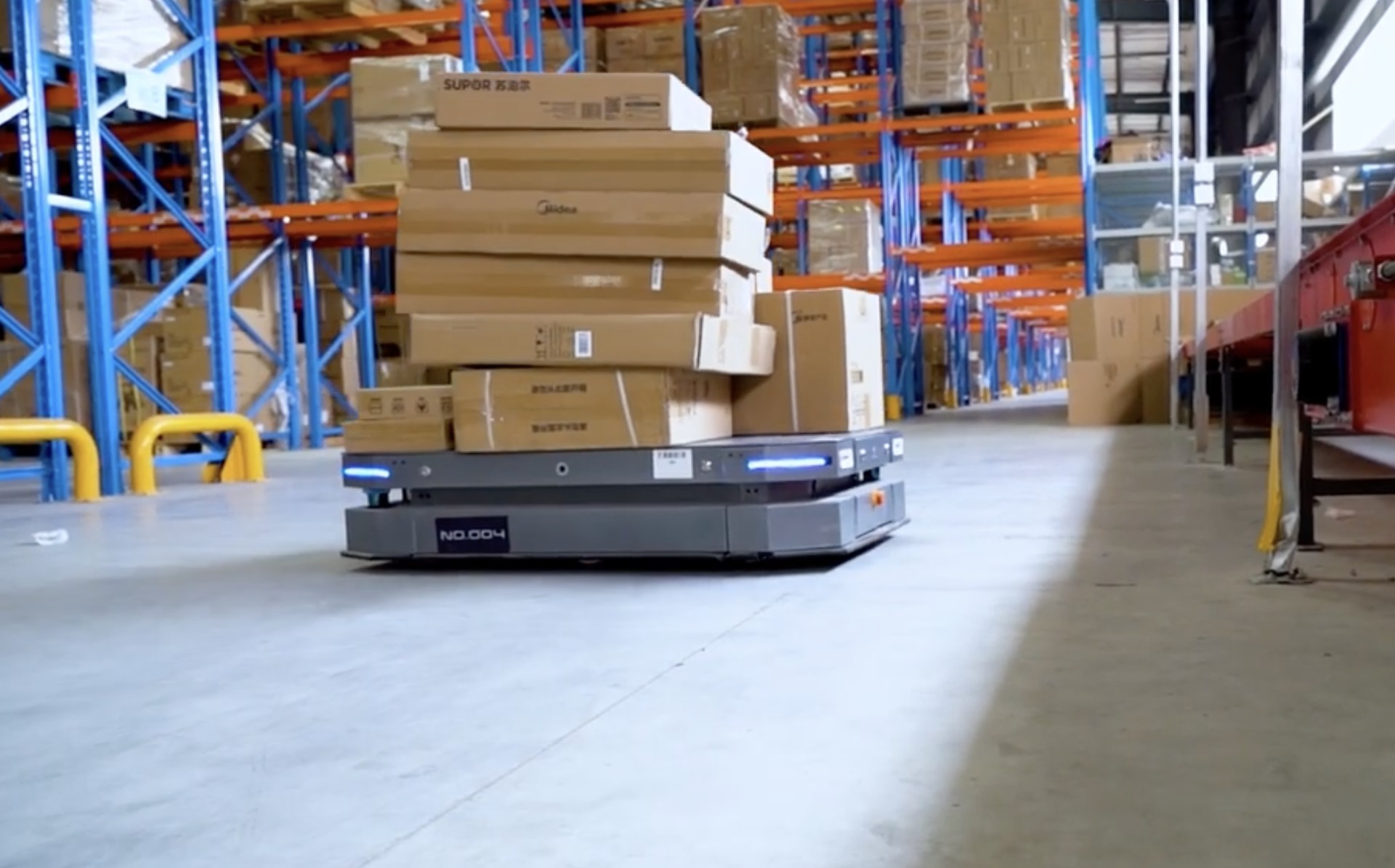
JD.com - Flexible Case Picking Automation with ForwardX Robotics AMRs
ForwardX Robotics
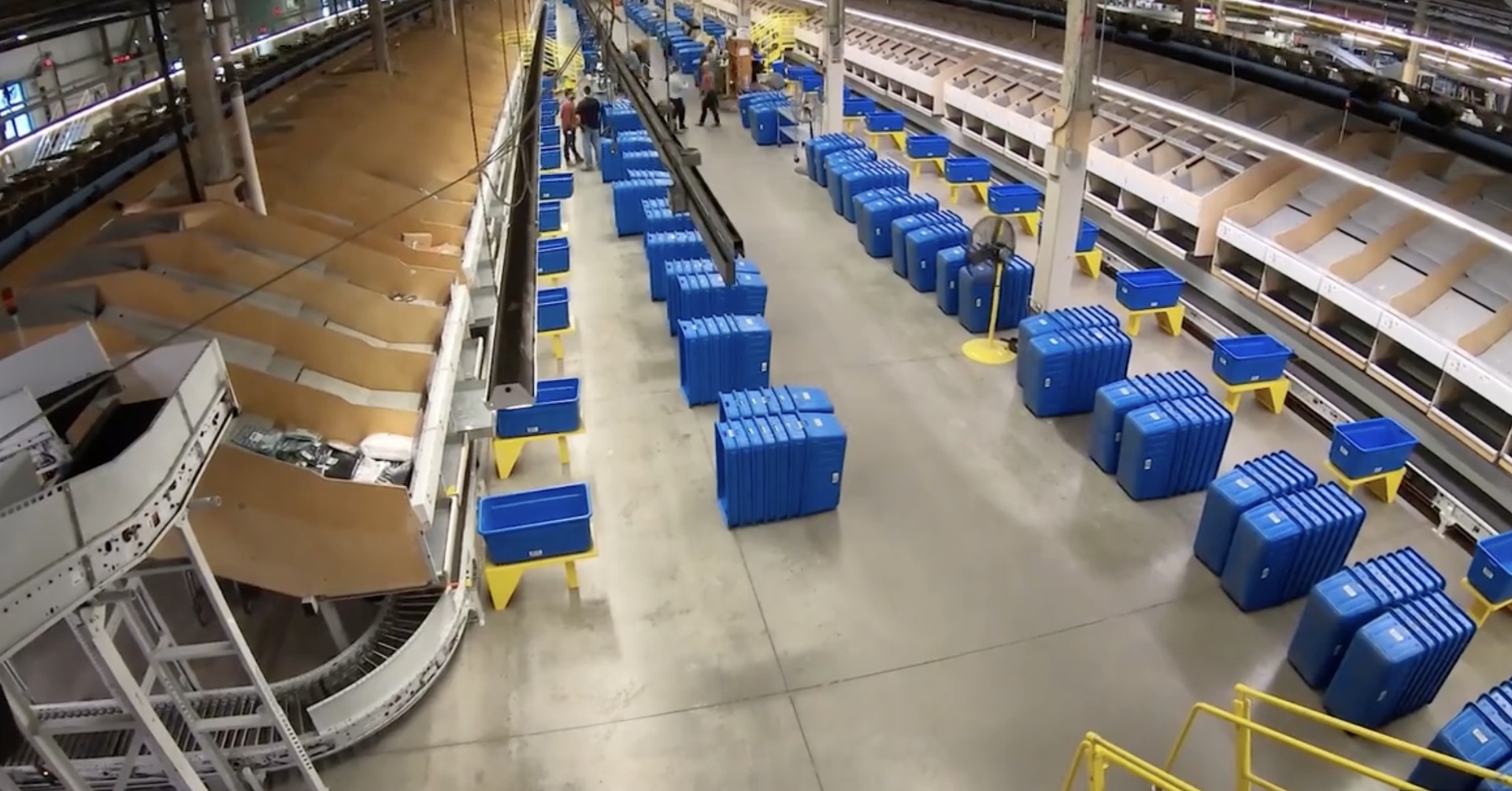
L.L.Bean - Freeport Maine Distribution Center Sortation Modernization
Beumer Group

F-Line Japan Major Food Distribution Center
Daifuku
Alza Prague High-Throughput Fulfillment Center
Element Logic
Landmark Group Kuwait Fulfillment Center
Addverb
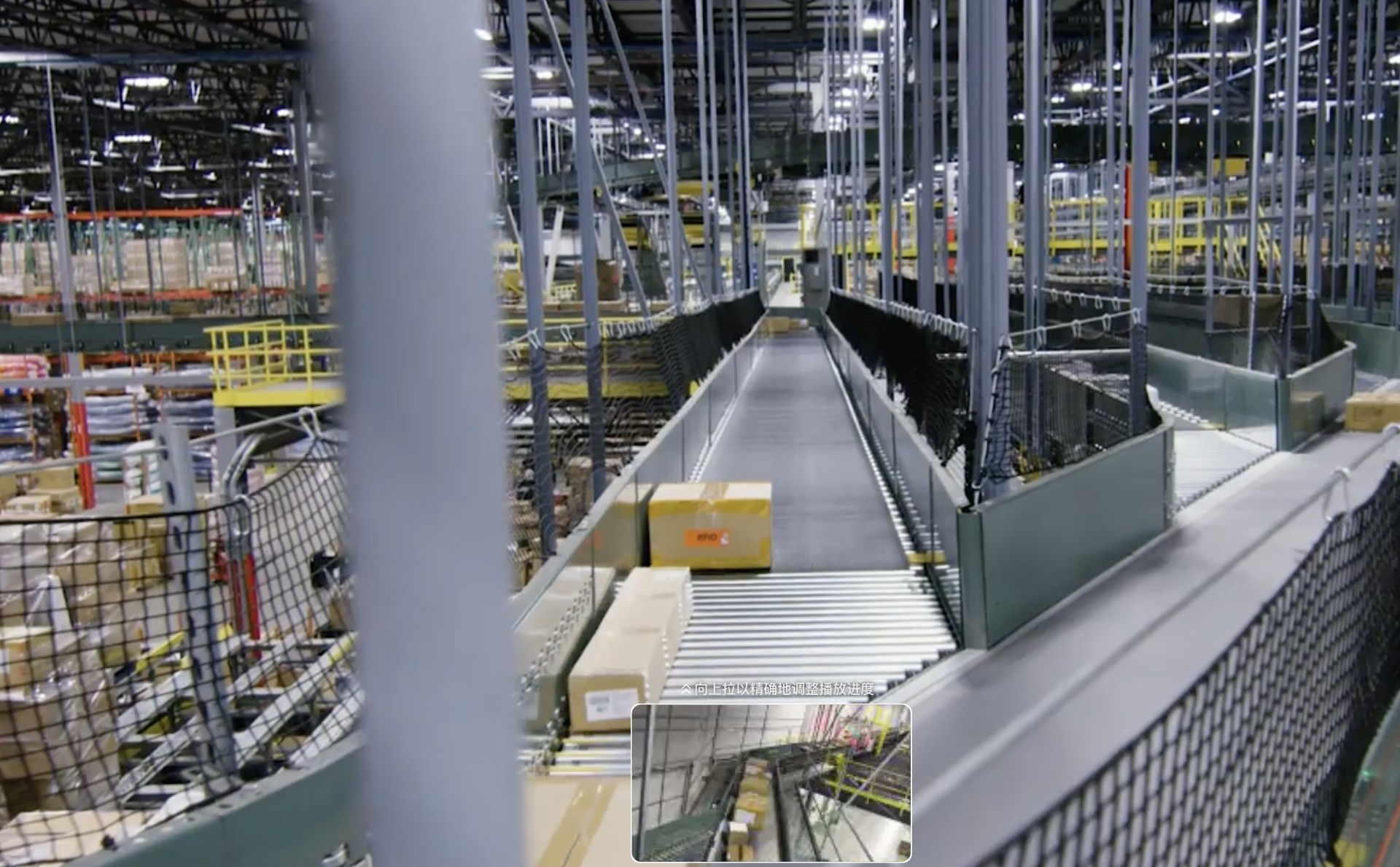
DICK'S Sporting Goods Conklin Distribution Center
Bastian Solutions