Case Picking: Bulk Order Fulfillment from Full Cartons
Quick Facts
Technology Performance Metrics
⭐Key Features
Benefits
Applications
Detailed Information
Technology Overview
Case picking is a fundamental order fulfillment method within warehouse operations, focused on efficiency for bulk movements of goods. It is defined by the unit of selection: the full, sealed carton or case. This method is the backbone of supply chains serving retail stores, wholesalers, and any scenario where demand is measured in full-case quantities rather than individual units. It sits in contrast to piece picking (or split-case picking), which deals with individual items. Case picking optimizes labor and time by moving the largest practical unit—the case—through the fulfillment process, making it a critical strategy for cost-effective distribution at scale.
How It Works
Core Principles
The core principle is the handling of inventory at the "case level" rather than the "each level." The picker's task is to retrieve a predetermined number of intact cartons containing identical SKUs, as specified by a bulk order.
Key Features & Capabilities
The defining feature is the handling of the full case as the atomic picking unit. This shifts the focus from dexterity and counting of individual items to the physical handling of larger, standardized loads. The method is agnostic to specific storage types, as it can be performed from shelves, pallets on the floor, or within pallet racking systems, making it highly versatile across different warehouse layouts. Its inherent simplicity lies in the one-to-one relationship between a pick instruction ("get 3 cases") and a physical action (retrieving 3 cartons), minimizing complex decision-making at the pick face.
Advantages & Benefits
The primary advantage is significantly higher picking productivity compared to piece picking when fulfilling bulk orders. Moving full cases reduces the number of handlings and trips required per unit of product shipped. This leads directly to lower labor costs per case shipped. The method is ideal for retail store replenishment and B2B wholesale, where demand patterns naturally align with full-case quantities. It also simplifies downstream processes like shipping, as full cases are easier to palletize and load than loose items.
Implementation Considerations
The effectiveness of a case picking strategy is entirely dependent on the order profile. It is most efficient when a high proportion of orders require full-case quantities of the same SKU. Operations must have adequate storage configured for full-case accessibility, which may involve lower-level pallet racking or specific case flow shelves. While efficient, it offers less flexibility for single-item or highly customized orders, which may necessitate a separate piece-picking operation. The physical demands on workers can be greater due to handling heavier cases, so ergonomic considerations are important.
Use Cases & Applications
Ideal For
This method is ideal for distribution centers (DCs) that primarily serve retail stores, wholesale clubs, or other businesses that order in bulk. It is the standard picking method in grocery, consumer packaged goods (CPG), and broadline distribution.
Conclusion
Case picking remains a cornerstone of efficient warehouse operations for bulk fulfillment. Its simplicity, speed, and cost-effectiveness make it an indispensable strategy for any supply chain moving goods in full-case quantities. While not suitable for every order type, a well-implemented case picking operation, potentially augmented by automation like case conveyors or robotic palletizers, can form the high-throughput engine of a distribution center. For businesses whose demand patterns align with bulk purchases, optimizing the case picking process is one of the most direct paths to reducing fulfillment costs and improving service levels.
Related Projects

Didactic - Normandy France Healthcare Storage Expansion with Pallet Shuttle
Mecalux designed a customized semi-automatic Pallet Shuttle solution for Didactic (Normandy, France) to address 92% storage capacity utilization, delivering 11,000 pallet capacity with FIFO/LIFO functionality for medical device distribution.
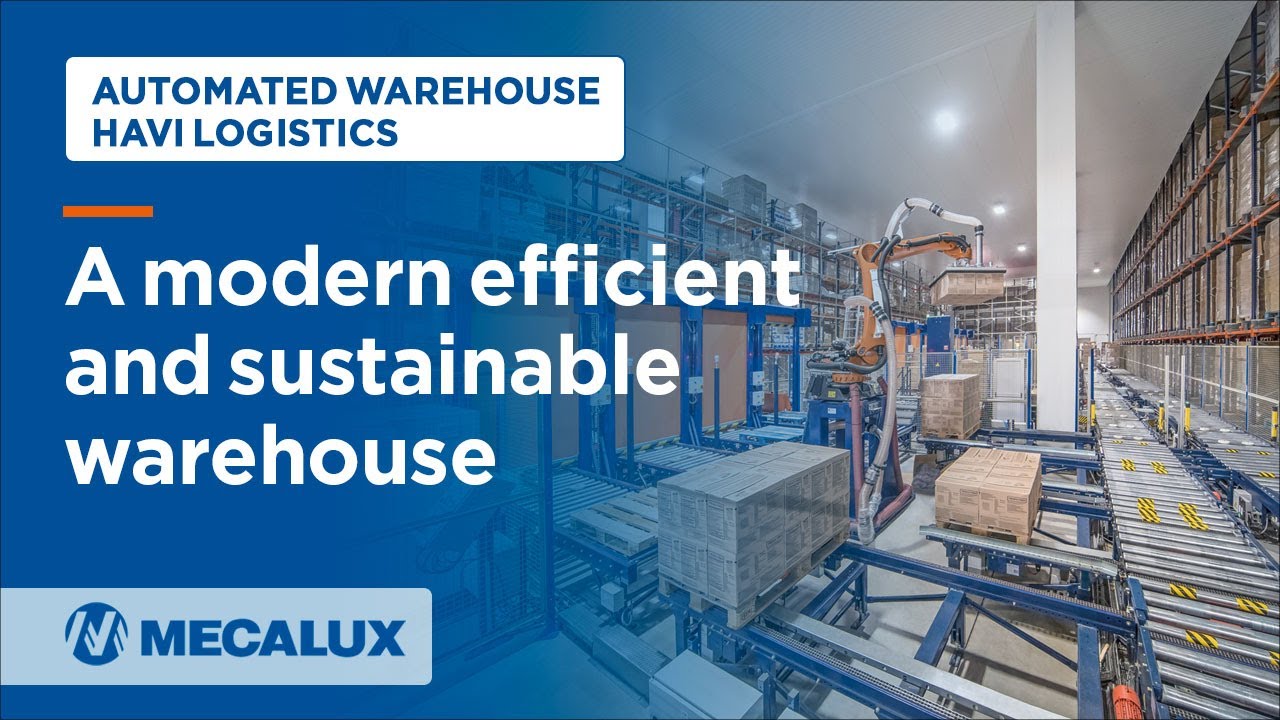
HAVI Lisbon Multi-Temperature Logistics Center
Mecalux delivers a multi-temperature logistics center for HAVI in Lisbon, Portugal, featuring two automated warehouses, Pallet Shuttle systems and Easy WMS integration, supporting daily supply to over 150 restaurants.

Michelin Vitoria Tire Plant Automated Warehouse
Mecalux delivers a 27-meter high automated clad rack warehouse for Michelin's Vitoria tire plant in Spain, supporting three production lines and a planned fourth with 4,600 container capacity and 120 containers per hour throughput.
Related Knowledge
Robotic Case Picking
Advanced robotic case picking systems that combine industrial robotics with intelligent vision systems to automate the handling of full cases and cartons, delivering exceptional speed, precision, and reliability in high-volume distribution operations.
Robotic Piece Picking
Advanced robotic systems that use AI and computer vision to automatically select and pick individual items from diverse inventory, revolutionizing warehouse fulfillment operations with human-like dexterity and intelligence.
Voice Picking Systems
Voice picking systems revolutionize warehouse operations by enabling hands-free, eyes-free order fulfillment through speech recognition technology. Workers receive spoken instructions through wireless headsets and confirm actions verbally, dramatically improving productivity, accuracy, and safety while reducing training time.
Vendor
MecaluxRelated Technologies
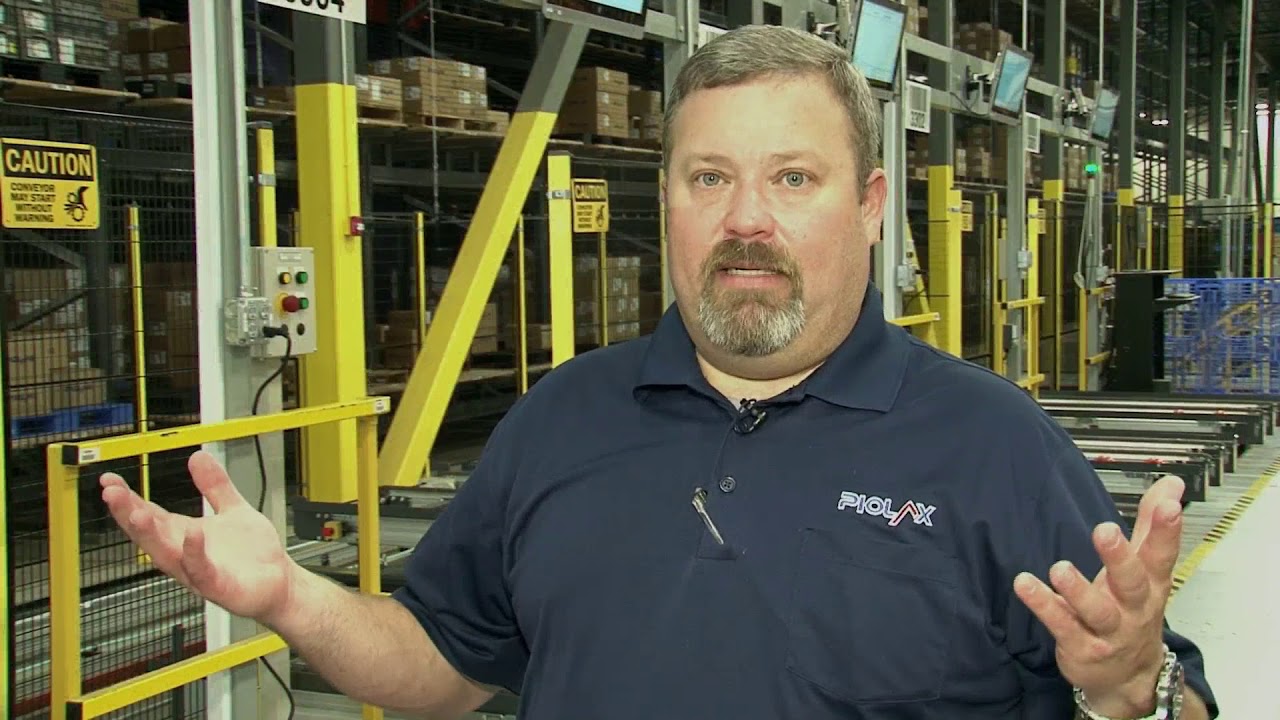
Piolax Canton Georgia Automotive Parts Distribution Center
Daifuku
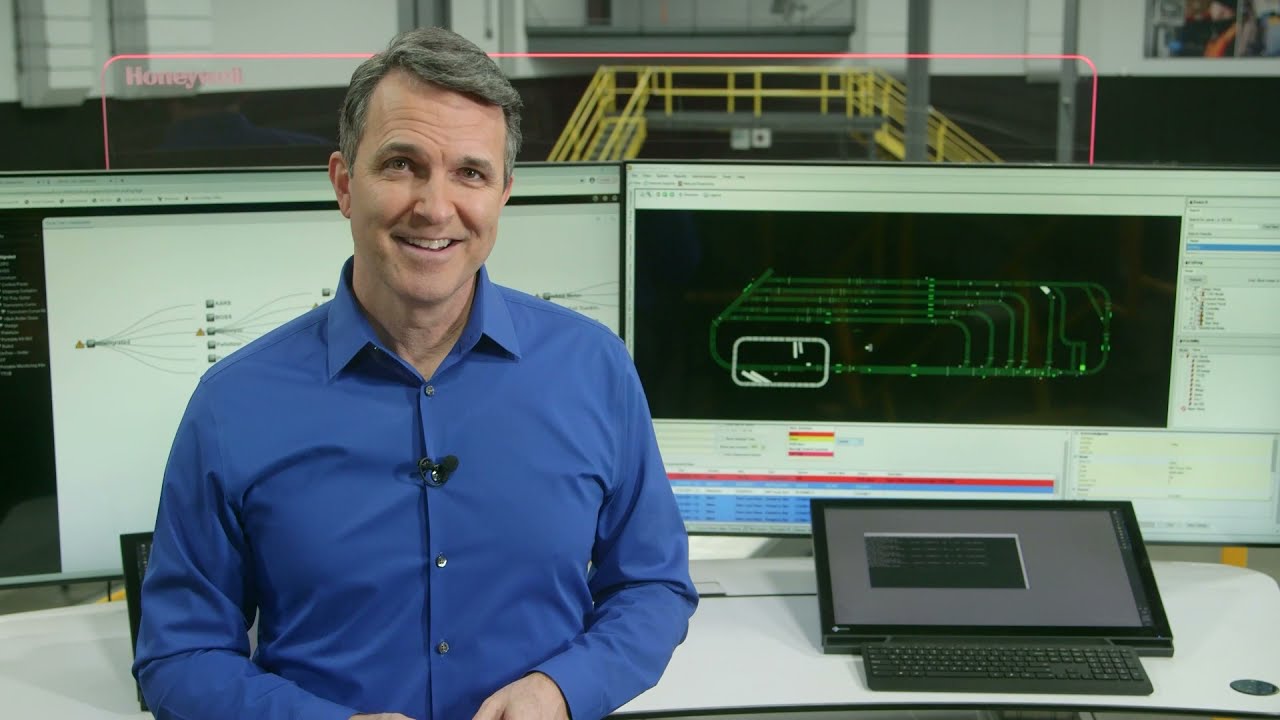
Momentum WES: Next-Generation Warehouse Execution and Control
Honeywell Intelligrated
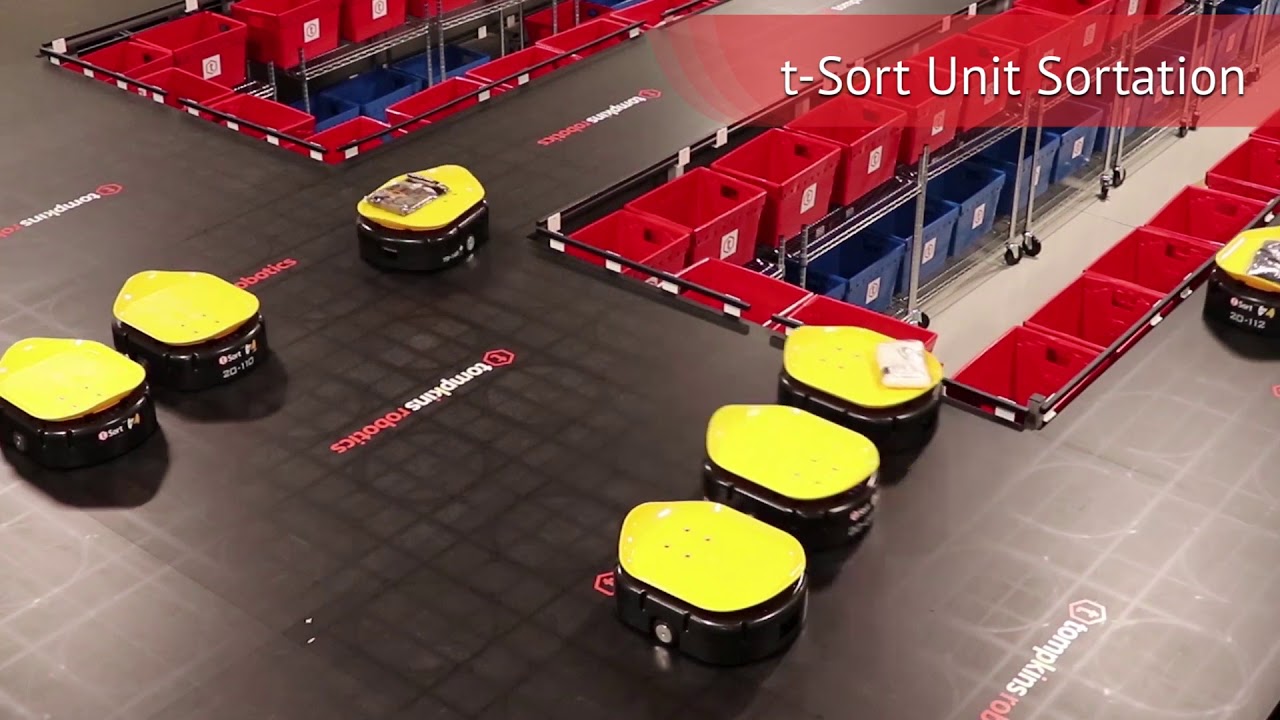
t-Sort Robotic Unit and Parcel Sortation System: Next-Generation E-commerce Order Fulfillment
Other