Robotic Layer Mixed Palletizer: High-Throughput Mixed Case Palletizing
Quick Facts
Technology Performance Metrics
⭐Key Features
Benefits
Applications
Detailed Information
Technology Overview
The Robotic Layer Mixed Palletizer represents an advanced approach to automated mixed-case palletizing, focusing on throughput and stability. Developed by NūMove, this technology addresses the complex challenge of building pallets containing multiple different products (mixed SKUs) at high speeds. Unlike piece-picking robots that place items one by one, this system is designed to handle and place pre-arranged, complete layers of mixed products. This layer-level approach, powered by sophisticated pattern optimization software, enables a single robotic arm to achieve remarkably high output, making it suitable for high-volume distribution and manufacturing environments where order pallets contain diverse product assortments.
How It Works
Core Principles
The core principle is layer-based palletizing. Instead of picking individual cases sequentially, the system is fed with complete layers of mixed products that have been pre-arranged (often by an upstream system like a palletizing conveyor or a layer former). The robot then picks up the entire pre-formed layer and places it onto the pallet as a single unit. An advanced software algorithm optimizes the composition and pattern of each layer to maximize pallet stability and density while accommodating products of different sizes and heights.
Key Features & Capabilities
Layer-Level Handling for High Throughput: The ability to place an entire mixed layer in one robot cycle is the primary driver for achieving speeds up to 2000 cases per hour. This dramatically reduces the number of individual pick-and-place motions required compared to single-case robots.
Advanced Cubing and Pattern Optimization Software: The intelligence of the system resides in its software. It not only calculates stable stacking patterns but also optimizes the mix of products within each layer to minimize gaps, maximize density, and reduce the number of leftover cases that require a final, incomplete "top-off" layer.
Accommodation of Product Variance: The system is designed to handle real-world variability. The software and gripping tool can manage products with different heights, widths, and formats within the same layer, ensuring the final pallet is stable and secure for transport.
Advantages & Benefits
The foremost advantage is exceptional throughput with a lean footprint. Achieving 2000 cases per hour with a single robot provides a very high return on automation investment and saves valuable floor space. Superior pallet stability is another key benefit, as the software-driven approach ensures dense, interlocking patterns that are less prone to shifting. This leads to reduced product damage and safer handling. The system also optimizes operational efficiency by minimizing the manual intervention or complex logic often needed to complete partially filled pallets with mixed SKUs.
Implementation Considerations
Successfully implementing this technology requires a highly integrated upstream system capable of reliably forming the mixed product layers as dictated by the optimization software. The overall solution is therefore more than just a robot; it is a coordinated system involving conveying, sorting, and staging. The complexity of the software and system integration may necessitate a higher level of expertise during the design and commissioning phases.
Use Cases & Applications
Ideal For
This system is ideal for high-volume grocery distribution, beverage distribution, and consumer packaged goods (CPG) manufacturers that specialize in building store-friendly, mixed-SKU pallets for direct-to-store delivery (DSD) or warehouse replenishment.
Performance Metrics
The system delivers a throughput of up to 2000 cases per hour using a single robot. Key performance gains are in pallet build speed and optimization of pallet stability and density through advanced software algorithms.
Conclusion
NūMove's Robotic Layer Mixed Palletizer offers a powerful solution for one of the most challenging and labor-intensive tasks in distribution: building stable, mixed-product pallets at high speed. By shifting the paradigm from piece-picking to layer-handling, it achieves a level of throughput that is difficult to match with other robotic methods. For operations with sufficient volume and a need for mixed-SKU palletizing, this technology provides a path to significant automation benefits in throughput, reliability, and load quality. The effectiveness of the solution is heavily dependent on the sophistication of its optimization software and the seamless integration with upstream material handling equipment.
Related Knowledge
Robotic Case Picking
Advanced robotic case picking systems that combine industrial robotics with intelligent vision systems to automate the handling of full cases and cartons, delivering exceptional speed, precision, and reliability in high-volume distribution operations.
Robotic Piece Picking
Advanced robotic systems that use AI and computer vision to automatically select and pick individual items from diverse inventory, revolutionizing warehouse fulfillment operations with human-like dexterity and intelligence.
Voice Picking Systems
Voice picking systems revolutionize warehouse operations by enabling hands-free, eyes-free order fulfillment through speech recognition technology. Workers receive spoken instructions through wireless headsets and confirm actions verbally, dramatically improving productivity, accuracy, and safety while reducing training time.
Vendor
OthersRelated Technologies
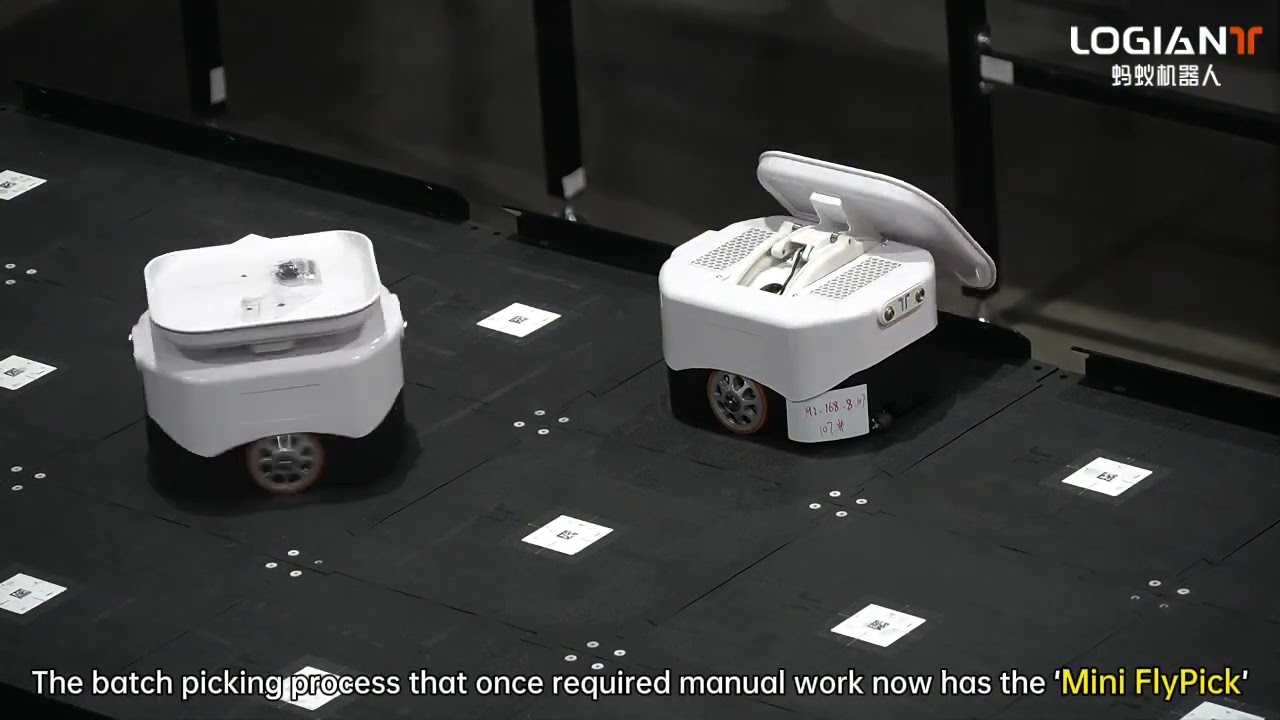
Mini FlyPick Robot: Compact High-Speed Sorting AMR
Others

Split Tray (Bomb Bay) Sorter Compilation: Versatile High-Speed Sortation
Others
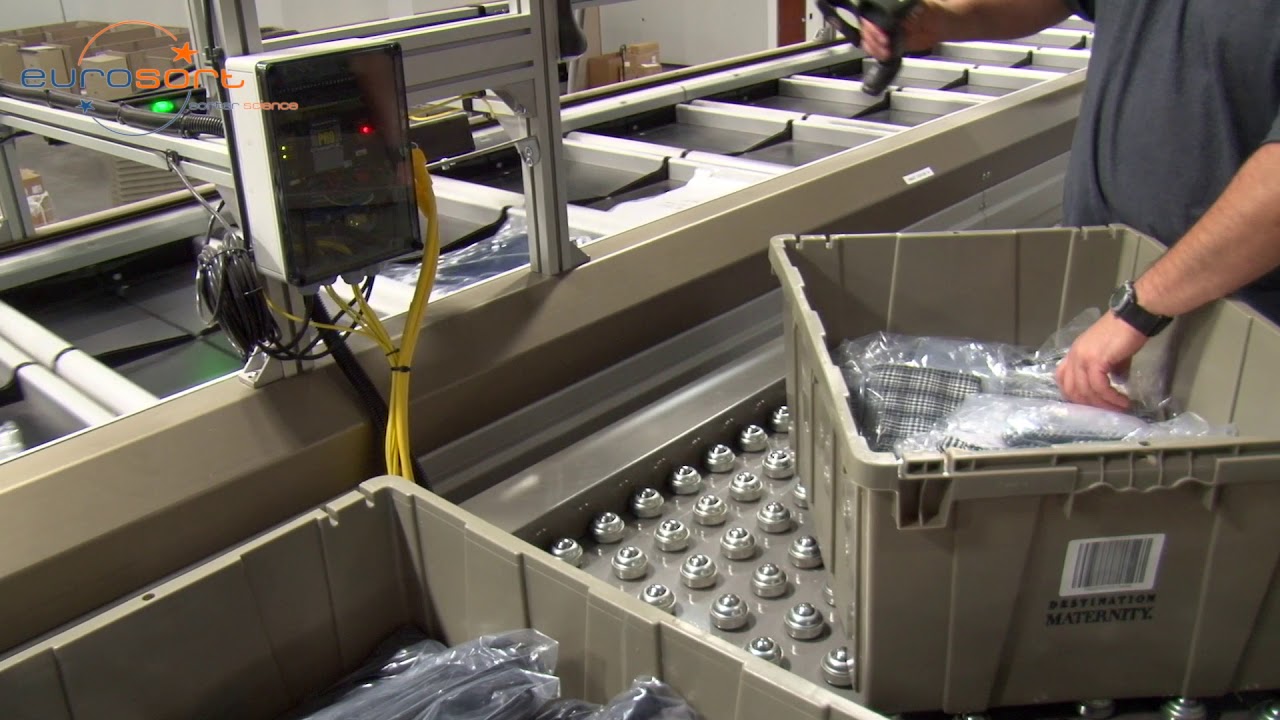
Patented Dual Split Tray (Bomb Bay) Sorter with Batch Induction
Others