Bomb-Bay Sorter
Bomb-Bay Sorters use gravity-fed drop mechanisms where packages travel on carriers with bottom doors that open to release items into chutes below. Ideal for high-speed parcel operations, these systems excel at handling uniform packages with exceptional throughput rates while maintaining gentle handling through controlled gravity discharge.
Bomb-Bay Sorter System Architecture
System Components
- ▸Carriers: Bottom-opening doors
- ▸Pneumatic: Rapid door actuation
- ▸Gravity Drop: Vertical discharge
- ▸Cushioned: Padded landing zones
Performance
- ▸Throughput: 8,000-20,000 items/hr
- ▸Accuracy: 99.9%+ sort rate
- ▸Speed: 400-600 ft/min
- ▸Destinations: 100-300 chutes
Package Handling
- ▸Weight: 0.5-50 kg (up to 75 kg)
- ▸Size: 6x9" to 24x18x12"
- ▸Types: Poly bags, envelopes, cartons
- ▸Drop: 12-24" controlled fall
Key Applications
- ▸Parcel: Carrier hub operations
- ▸E-commerce: Order consolidation
- ▸Postal: Mail & small parcel
- ▸Returns: Disposition routing
Induction Options
- ▸Automated: High-speed singulation
- ▸Manual: Irregular item handling
- ▸Hybrid: Mixed approach
- ▸Multi-point: Parallel loading
Investment & ROI
- ▸Cost: $1.5M-$5M installed
- ▸Payback: 2-4 years typical
- ▸Labor: Replaces 15-40 sorters
- ▸Operation: 24/7 capability
System Overview and Operating Principles
The bomb-bay sorter takes its name from the aircraft mechanism it resembles—packages ride on individual carriers equipped with bottom doors that open on command, allowing items to drop through gravity into collection chutes positioned below the sorter track. This elegantly simple concept delivers remarkable performance in high-volume parcel operations where speed, reliability, and gentle handling must coexist. Picture a continuous loop of carriers traveling at high speed, each one capable of independently opening its bottom doors at precisely the right moment to deliver packages to their designated destinations. The gravity-based discharge eliminates the need for mechanical pushing or sliding, resulting in gentler handling than many alternative sortation technologies while maintaining impressive throughput rates.
What distinguishes bomb-bay sorters from other high-speed sortation technologies is their controlled descent mechanism. Unlike systems that push or slide packages onto discharge lanes, bomb-bay sorters allow items to drop vertically through opened doors, with the fall distance typically limited to 12 to 24 inches to ensure gentle landing. The carriers feature hinged bottom panels or split doors that open rapidly when triggered by the control system, creating an opening through which the package falls. Cushioned landing zones beneath each discharge point absorb the impact, with foam padding, air cushions, or spring-loaded platforms protecting package contents. This vertical drop approach proves particularly effective for uniform packages like poly bags, padded envelopes, and small cartons that might tumble or jam on angled discharge lanes used by other sorter types.
The carrier design reflects decades of engineering refinement focused on reliability and speed. Each carrier travels on a continuous chain or friction drive system, maintaining precise spacing and timing as they circulate around the loop. The bottom doors operate through pneumatic actuators, electromagnetic releases, or mechanical cam systems, with modern installations favoring pneumatic systems for their speed and reliability. Position sensors track each carrier's location with millimeter precision, ensuring doors open at exactly the right moment to deliver packages to their intended destinations. The carriers themselves are constructed from lightweight aluminum or composite materials, minimizing inertia and enabling rapid acceleration and deceleration while reducing wear on drive components.
Performance and Throughput Capabilities
Performance characteristics of bomb-bay sorters position them among the fastest sortation technologies available for parcel operations. Modern systems achieve sorting rates of 8,000 to 15,000 packages per hour, with some high-performance installations reaching 20,000 packages per hour or more. These impressive throughput numbers reflect the system's ability to operate at carrier speeds of 400 to 600 feet per minute while maintaining sort accuracy exceeding 99.9%. The rapid door opening mechanism—typically completing its cycle in less than 0.2 seconds—enables tight carrier spacing and high destination density, with systems commonly serving 100 to 300 discharge chutes depending on loop length and facility layout.
The package handling envelope for bomb-bay sorters reflects their optimization for parcel operations. Typical systems accommodate packages weighing 0.5 to 50 pounds, with some heavy-duty configurations handling items up to 75 pounds. Package dimensions generally range from small poly bags measuring 6 x 9 inches up to cartons of 24 x 18 x 12 inches, though exact specifications vary by manufacturer and carrier design. The system handles flat-bottomed packages most effectively, as items must sit stably on the carrier during transport. Irregular shapes, soft poly bags, and padded envelopes all sort successfully, provided they fit within the carrier dimensions and don't exceed weight limits. The gentle vertical drop proves particularly advantageous for fragile items that might be damaged by the sliding or pushing actions of alternative sorter types.
Split Tray (Bomb Bay) Sorter Compilation: Versatile High-Speed Sortation
Vendor: Others
Economic Considerations and ROI
Investment in bomb-bay sortation requires substantial capital commitment, with typical system costs ranging from $1.5 million to $5 million depending on throughput capacity, number of destinations, loop length, and level of automation. A mid-sized installation serving a regional distribution center might cost $2.5 to $3.5 million including equipment, installation, structural modifications, controls integration, and commissioning. The vertical configuration often requires building modifications to accommodate the two-level design, with carriers running at an elevated level and discharge chutes dropping to a lower collection level. Despite significant upfront investment, return on investment typically materializes within 2 to 4 years for operations processing more than 10,000 packages daily, driven by labor savings, increased throughput, and improved accuracy.
Labor cost reduction represents the primary economic driver for bomb-bay sorter adoption. A single automated system can replace 15 to 40 manual sorters depending on throughput requirements and operating hours, generating annual labor savings of $300,000 to $800,000 for typical installations. Beyond direct labor replacement, the system eliminates the physical strain and repetitive motion injuries associated with manual sorting, reducing workers' compensation costs and improving employee retention. The consistent throughput enabled by automation smooths out operational peaks and valleys, allowing facilities to handle volume surges without temporary labor or overtime expenses. Accuracy improvements reduce mis-sorts and the associated costs of re-routing packages, customer service issues, and potential service failures.
System Integration and Control
Successful bomb-bay sorter operation depends on sophisticated integration between multiple system layers. The warehouse management system (WMS) or sortation control system (SCS) provides high-level orchestration, determining package destinations based on shipping data, carrier assignments, and routing logic. The programmable logic controller (PLC) manages real-time system operation, tracking carrier positions, coordinating door opening sequences, and monitoring system health. Barcode scanners or RFID readers positioned at induction points capture package identity, communicating this information to the control system which then assigns each package to a specific carrier and destination. Photo eyes and position sensors throughout the system provide continuous feedback on carrier locations and package presence, enabling precise timing of discharge operations.
Intelligent algorithms optimize system performance by managing the complex choreography of hundreds of carriers and packages. Dynamic carrier assignment algorithms match incoming packages with available carriers, minimizing wait times and maximizing throughput. Destination sequencing logic groups packages for the same destination when possible, improving downstream efficiency in packing or loading operations. Gap management systems maintain optimal spacing between carriers, preventing collisions while maximizing system density. Some advanced installations employ predictive analytics that anticipate volume patterns and adjust system parameters proactively, optimizing performance before bottlenecks develop rather than reacting to problems after they occur.
Pitney Bowes Facility High Throughput Sortation
System Integrator: EuroSort
Facility Requirements and Infrastructure
Physical infrastructure requirements for bomb-bay sorters reflect their two-level design and high-speed operation. The system requires ceiling heights of typically 16 to 20 feet to accommodate the elevated carrier track and provide adequate clearance for discharge chutes and collection conveyors below. Structural supports must carry the distributed load of the sorter, packages, and dynamic forces from high-speed operation, though these loads are generally modest compared to high-bay storage systems. The two-level configuration actually provides operational advantages, with the upper level dedicated to sortation and the lower level used for package collection, consolidation, and loading operations, effectively creating a vertical workflow that maximizes facility utilization.
Floor space requirements depend on throughput needs and destination count, with typical installations occupying 5,000 to 15,000 square feet for the sorter loop itself, plus additional space for induction, collection, and support areas. The loop configuration can be customized to fit facility constraints, with oval, racetrack, or irregular shapes all feasible depending on building layout and column locations. Modular design enables future expansion, with additional carriers and discharge points added to existing systems without major reconstruction. The vertical design proves particularly valuable in urban facilities or retrofit installations where ground-level space is limited or expensive, as the system makes productive use of vertical space that might otherwise go unused.
Induction Methods and Package Flow
The induction process for bomb-bay sorters emphasizes speed and accuracy to match the system's high throughput capabilities. Automated induction dominates modern installations, with packages arriving via conveyor and automatically transferred to carriers as they pass induction points. Singulation systems upstream of the sorter ensure packages arrive in a single-file stream with adequate spacing, using belt speed differentials, diverters, or gap creators to separate items. Barcode scanning or RFID reading at induction captures package identity and communicates it to the control system, which then assigns the package to a specific carrier and destination. Dimensional scanning systems measure package size and weight, verifying items fall within system capabilities and providing data for downstream processes.
Manual induction remains common for operations handling irregular packages or mixed item types that challenge automated systems. Operators place packages onto carriers at ergonomic workstations positioned along the sorter loop, with the control system presenting empty carriers at controlled intervals matching operator pace. Scan-and-place workflows require operators to scan package barcodes before placement, ensuring accurate tracking and routing. Multiple induction points enable parallel loading, with several operators working simultaneously to achieve required throughput. Some installations employ hybrid approaches, using automated induction for standard packages while reserving manual stations for oversized items, irregulars, or packages requiring special handling.
Maintenance and Operational Support
Preventive maintenance programs for bomb-bay sorters focus on the mechanical and pneumatic systems that enable reliable high-speed operation. Daily routines include visual inspections of carriers, door mechanisms, and discharge chutes, checking for any signs of wear, damage, or debris accumulation. Weekly maintenance involves lubrication of moving parts, inspection of pneumatic lines and actuators, cleaning of sensors and scanners, and verification of door operation across all carriers. Monthly service includes detailed examination of drive systems, replacement of worn components, calibration of sensors and controls, and testing of emergency stop systems. Quarterly comprehensive service addresses major components like drive motors, pneumatic compressors, and control electronics, ensuring long-term reliability and preventing unexpected failures.
The modular carrier design facilitates maintenance activities, with individual carriers removable from the system for repair or replacement without shutting down the entire sorter. Spare carrier inventory enables quick swaps when issues arise, minimizing downtime impact. Predictive maintenance capabilities leverage sensor data to identify developing problems before they cause failures, with vibration monitoring detecting bearing wear, pressure sensors identifying pneumatic leaks, and cycle counters tracking door actuations to predict component end-of-life. Most operators maintain service contracts with equipment suppliers that include remote monitoring, performance analytics, guaranteed response times, and access to technical expertise, providing operational confidence for facilities where sorter downtime directly impacts customer service and revenue.
Industry Applications and Use Cases
Parcel carrier operations represent the primary application for bomb-bay sorters, where the technology's combination of high speed, gentle handling, and reliability aligns perfectly with operational requirements. Regional distribution hubs use these systems to sort thousands of packages per hour by destination zone, carrier route, or delivery sequence. The uniform package sizes typical of parcel operations—predominantly poly bags, padded envelopes, and small cartons—match the system's handling capabilities ideally. The high accuracy reduces mis-sorts that would require expensive re-routing, while the gentle handling minimizes damage claims and maintains customer satisfaction. The 24/7 operational capability supports the around-the-clock processing schedules common in parcel networks.
E-commerce fulfillment centers leverage bomb-bay sorters for order consolidation and shipping sortation. After picking and packing, individual orders travel through the sorter to be grouped by carrier, service level, or destination zone, streamlining the loading process and ensuring packages reach the correct outbound trailers. The high throughput matches the volume demands of large e-commerce operations, while the gentle handling protects the diverse product mix typical of online retail. Some facilities use bomb-bay sorters for returns processing, sorting returned items by disposition—back to stock, quality inspection, vendor return, or liquidation—enabling efficient handling of the growing reverse logistics stream.
Postal operations employ bomb-bay sorters for mail and small parcel sorting, particularly in regional processing centers handling mixed mail streams. The system's ability to handle diverse package types—from flat envelopes to small boxes—proves valuable in postal environments where item variety exceeds that of commercial parcel carriers. The high destination count capability enables fine-grained sorting by ZIP code, delivery route, or postal facility, reducing downstream handling and accelerating delivery. The reliability and low maintenance requirements suit postal operations where equipment must perform consistently across extended operating hours with minimal intervention.
Technology Variants and Configurations
Standard bomb-bay systems feature carriers with full-width bottom doors that open completely to release packages. These systems handle the broadest range of package types and sizes, providing maximum flexibility for mixed parcel streams. Carrier dimensions typically measure 24 to 36 inches long by 18 to 24 inches wide, accommodating most standard parcel sizes. Door opening mechanisms use pneumatic actuators for rapid, reliable operation, with compressed air systems providing the power to open and close doors in fractions of a second. Cushioned landing zones beneath discharge points feature foam padding or spring-loaded platforms that absorb impact and protect package contents.
High-speed configurations optimize for maximum throughput in operations handling uniform package streams. These systems feature reduced carrier spacing, faster belt speeds, and rapid door cycling to achieve sorting rates exceeding 15,000 packages per hour. Lightweight carrier construction minimizes inertia, enabling tighter spacing and quicker acceleration. Enhanced control systems manage the complex timing required to maintain high speeds while ensuring accurate discharge. Automated induction with high-speed singulation feeds packages to the sorter at rates matching its capacity, eliminating manual handling bottlenecks.
Compact designs adapt bomb-bay technology for facilities with space constraints or lower volume requirements. These systems feature shorter loop lengths, reduced destination counts, and smaller carrier dimensions while maintaining the core advantages of gravity-based discharge and gentle handling. Single-level configurations eliminate the need for elevated installation, with discharge chutes angled to deliver packages to collection points at the same level as the sorter, simplifying installation and reducing building modification requirements. Modular construction enables future expansion as volume grows, with additional loop sections and discharge points added to existing systems.
Future Trends and Technology Evolution
Artificial intelligence and machine learning are enhancing bomb-bay sorter capabilities across multiple dimensions. Predictive algorithms analyze historical data to optimize carrier assignment, anticipating volume patterns and pre-positioning resources to maximize throughput. Computer vision systems supplement barcode scanning, enabling identification and measurement of packages even when labels are damaged, missing, or poorly positioned. Some advanced systems use AI to detect package characteristics like fragility or irregular shape, automatically adjusting handling parameters to ensure optimal treatment of each item type.
Energy efficiency improvements are reducing operational costs and environmental impact. Variable frequency drives on motors adjust speed based on actual load, reducing power consumption during low-volume periods. Regenerative braking systems capture energy during deceleration, feeding it back to the electrical system rather than dissipating it as heat. LED lighting and efficient pneumatic systems further reduce energy use. Some installations achieve 30 to 40% energy savings compared to older systems, with the added benefit of reduced heat generation that lowers cooling costs in climate-controlled facilities.
Sustainability initiatives are driving design improvements that reduce environmental footprint. Recyclable materials in carrier construction enable end-of-life recycling rather than disposal. Modular designs extend system life by enabling component replacement and upgrades without complete system replacement. Reduced maintenance requirements minimize the consumption of lubricants, spare parts, and other consumables. Circular economy approaches see manufacturers offering take-back programs, refurbishing and reusing components across multiple installations, reducing both cost and environmental impact while extending the productive life of equipment.
Implementation Considerations and Decision Criteria
Selecting bomb-bay sortation requires careful analysis of operational requirements and package characteristics. The technology excels with operations handling uniform package streams at high volumes, particularly when packages have flat, stable bottoms that sit securely on carriers. The volume threshold for justifying bomb-bay sorter investment typically falls around 8,000 to 10,000 packages per day, though this varies based on labor costs, space constraints, and the value of improved accuracy and throughput. Operations with highly variable package sizes or predominantly irregular items might find alternative technologies like cross-belt or tilt-tray sorters more suitable.
Package characteristics significantly influence system design and performance. Items must fit within carrier dimensions, typically 24 x 18 x 12 inches maximum, and weigh less than 50 pounds for standard systems. Packages should have sufficient structural integrity to withstand the vertical drop, though the short fall distance and cushioned landing zones protect most items effectively. Flat-bottomed packages perform best, as they sit stably on carriers during transport. Operations handling predominantly poly bags, padded envelopes, or small cartons will find bomb-bay sorters particularly well-suited, while those dealing with large boxes, irregular shapes, or extremely fragile items should carefully evaluate whether the technology matches their needs.
Integration complexity deserves thorough attention. Successful bomb-bay sorter implementation requires seamless coordination between the sorter, upstream processes like receiving and singulation, downstream activities like consolidation and loading, and overarching systems like WMS and shipping software. The project timeline typically spans 10 to 16 months from initial planning through full operational deployment, including design, structural engineering, equipment procurement, installation, testing, and ramp-up. Organizations should plan for change management activities including operator training, process redesign, and performance monitoring to ensure smooth transition and realize the full potential of the technology.
Success with bomb-bay sorters demands more than equipment installation—it requires commitment to operational excellence, continuous improvement, and system optimization. The most successful implementations treat the sorter as part of an integrated sortation strategy rather than a standalone solution, redesigning processes to leverage the system's unique capabilities like high speed, gentle handling, and reliable operation. When properly planned, implemented, and maintained, bomb-bay sorters deliver decades of reliable service, processing millions of packages annually with the speed, accuracy, and gentle handling that modern parcel operations demand.
Related Technologies (6)
Split Tray (Bomb Bay) Sorter Compilation: Versatile High-Speed Sortation
Others
Dual Split Tray (Bomb Bay) Sorter for Apparel E-Commerce
Others
Dual Split Tray (Bomb Bay) Sorter for 3PL E-commerce
EuroSort
Patented Dual Split Tray (Bomb Bay) Sorter with Batch Induction
Others
Dual Split Tray Sorter: Over-Under Apparel Store Replenishment
EuroSort
Dual Split Tray (Bomb Bay) Sorter: High-Speed Postal Sorting
EuroSort
Related Sortation Topics
Cross-Belt Sorter
Cross-Belt Sorters are high-speed automated sorting systems that use individual carrier vehicles with miniature conveyor belts to gently divert packages to their designated destinations. These systems excel at handling diverse package types with exceptional accuracy and throughput, making them ideal for e-commerce, parcel, and distribution operations.
Pouch/Pocket Sorter
Pouch Sorters use suspended fabric pouches or pockets traveling on an overhead track to sort individual items with exceptional gentleness and flexibility. Ideal for fashion, apparel, and omnichannel retail operations, these systems excel at handling soft goods, hanging garments, and irregularly shaped items while providing dynamic buffering and sequencing capabilities.
Sliding Shoe Sorter
Sliding Shoe Sorters use rows of sliding diverter shoes mounted on a conveyor belt to gently push items onto discharge lanes at precise angles. Known for their gentle handling and ability to sort at high speeds, these systems excel at handling cases, cartons, and totes in distribution and fulfillment operations.
Tilt-Tray Sorter
Tilt-Tray Sorters are high-speed automated sorting systems featuring individual tilting trays mounted on a continuous loop that discharge items by tilting at precise moments. Known for their exceptional speed and reliability, these systems are ideal for handling small to medium-sized items in high-volume parcel, postal, and e-commerce operations.
About This Topic
Related Projects(6)
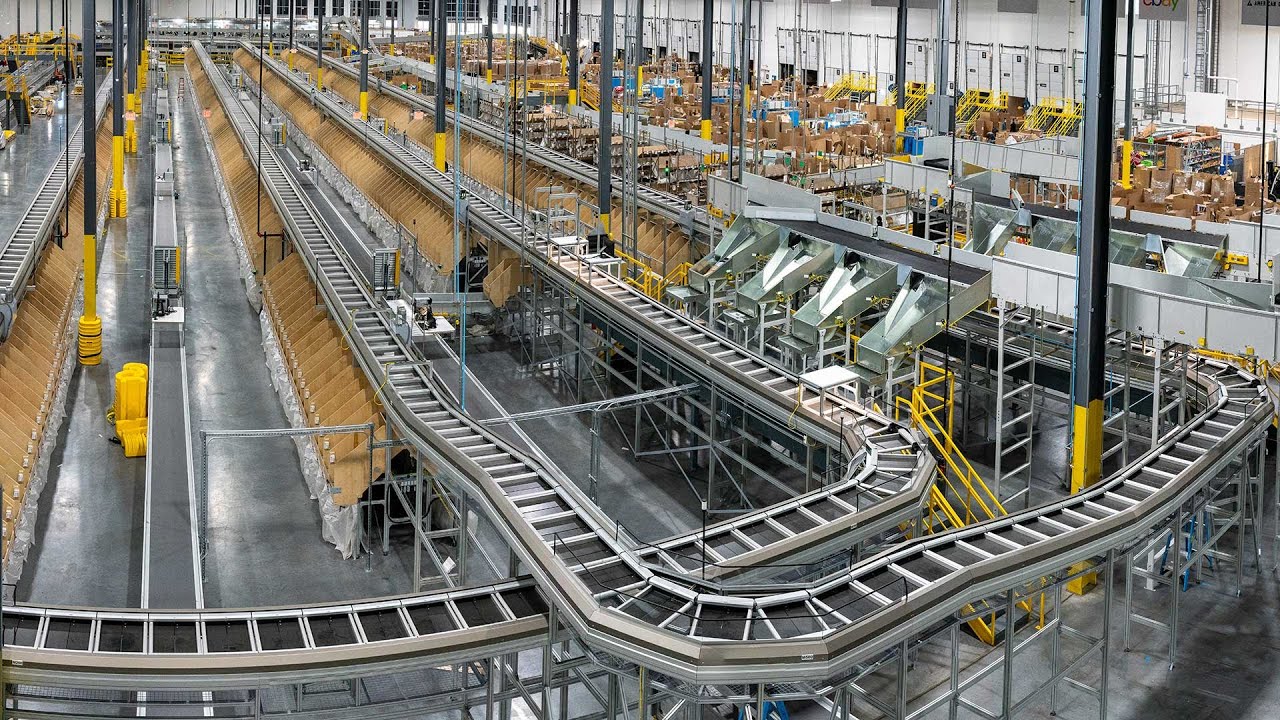
Pitney Bowes Facility High Throughput Sortation
EuroSort

Bastian Solutions Corporate Profile: Toyota Advanced Logistics
Bastian Solutions
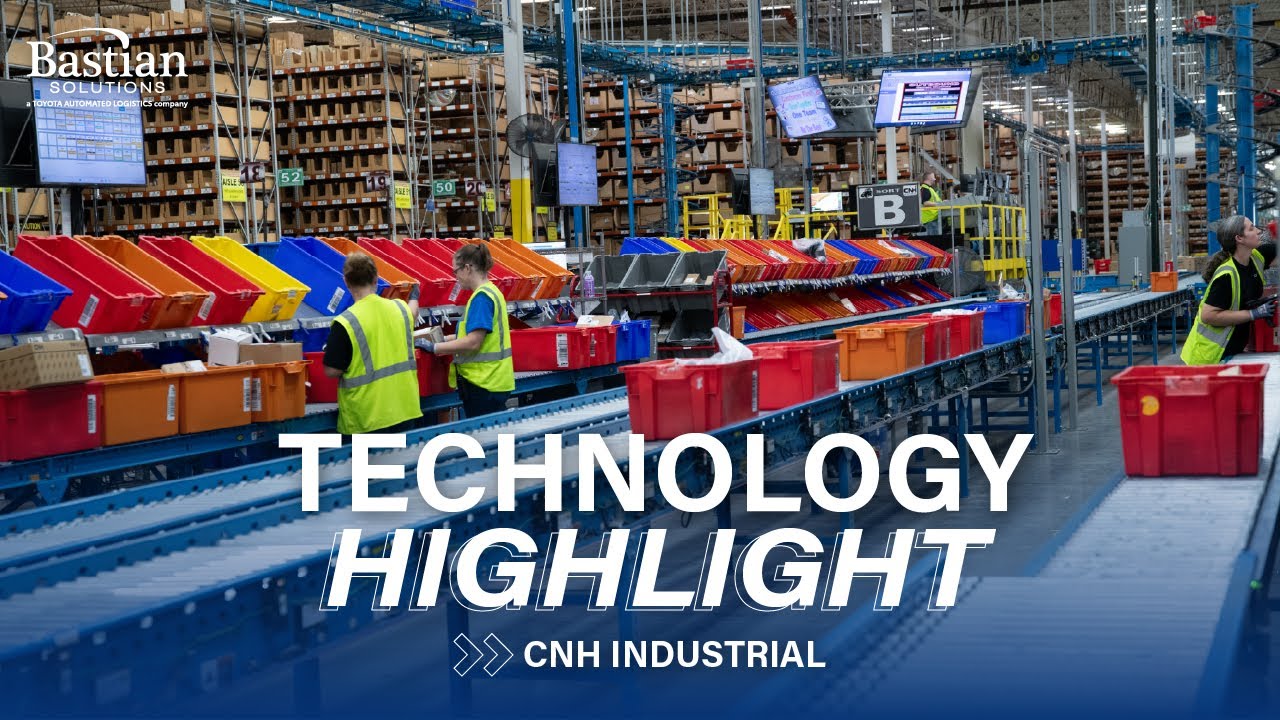
CNH Industrial Indianapolis Distribution Center
Bastian Solutions
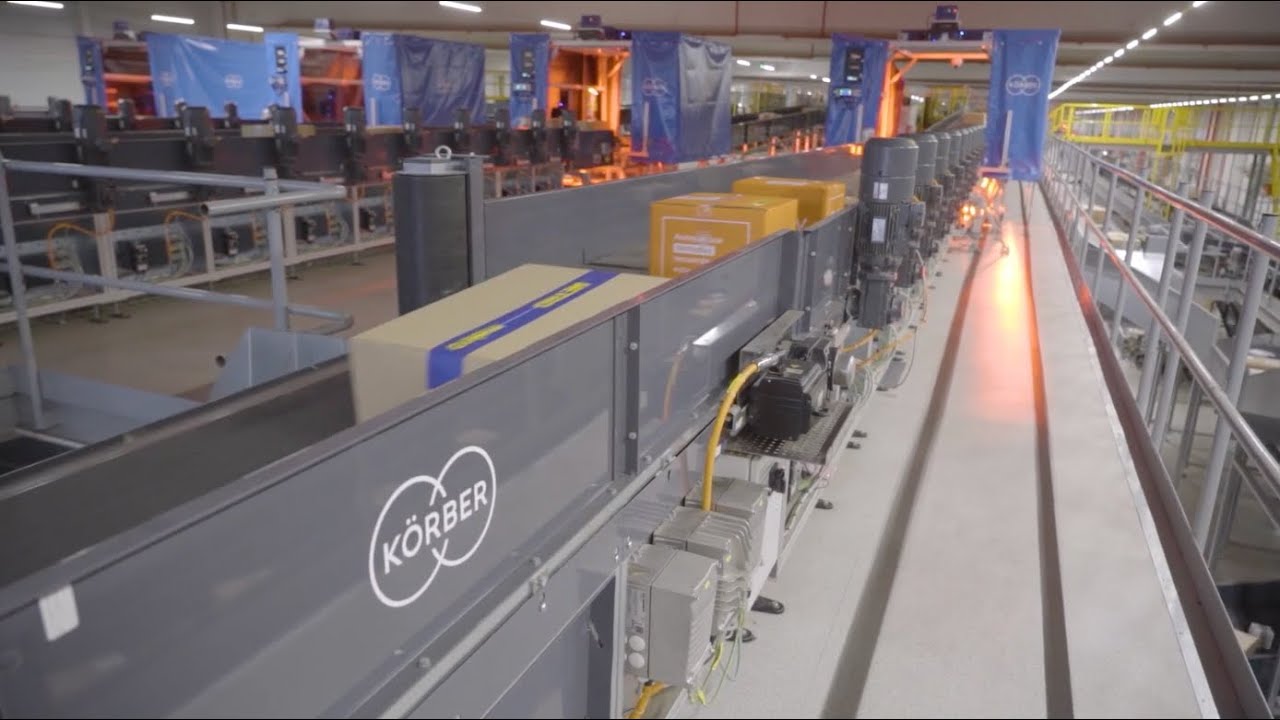
GLS Spain Madrid Parcel Sorting Hub
Körber
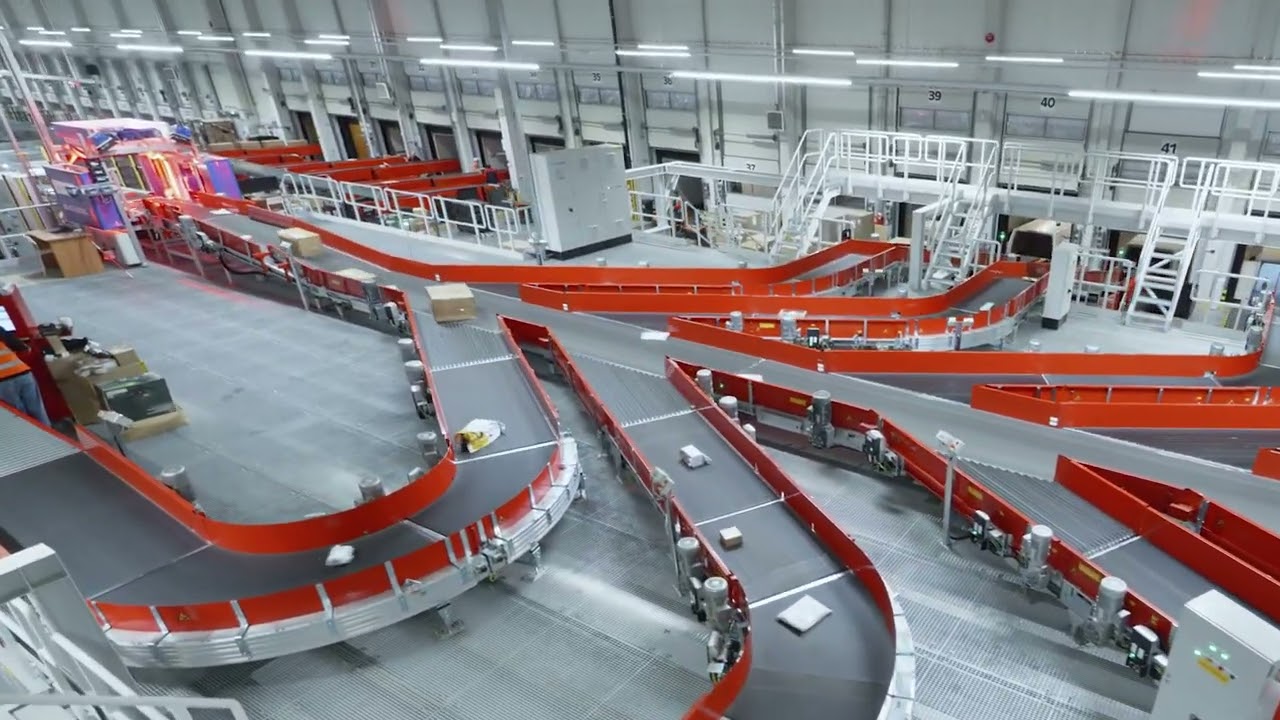
DPD Warszawa - Poland Logistics Center Parcel Sorting Automation
Beumer Group
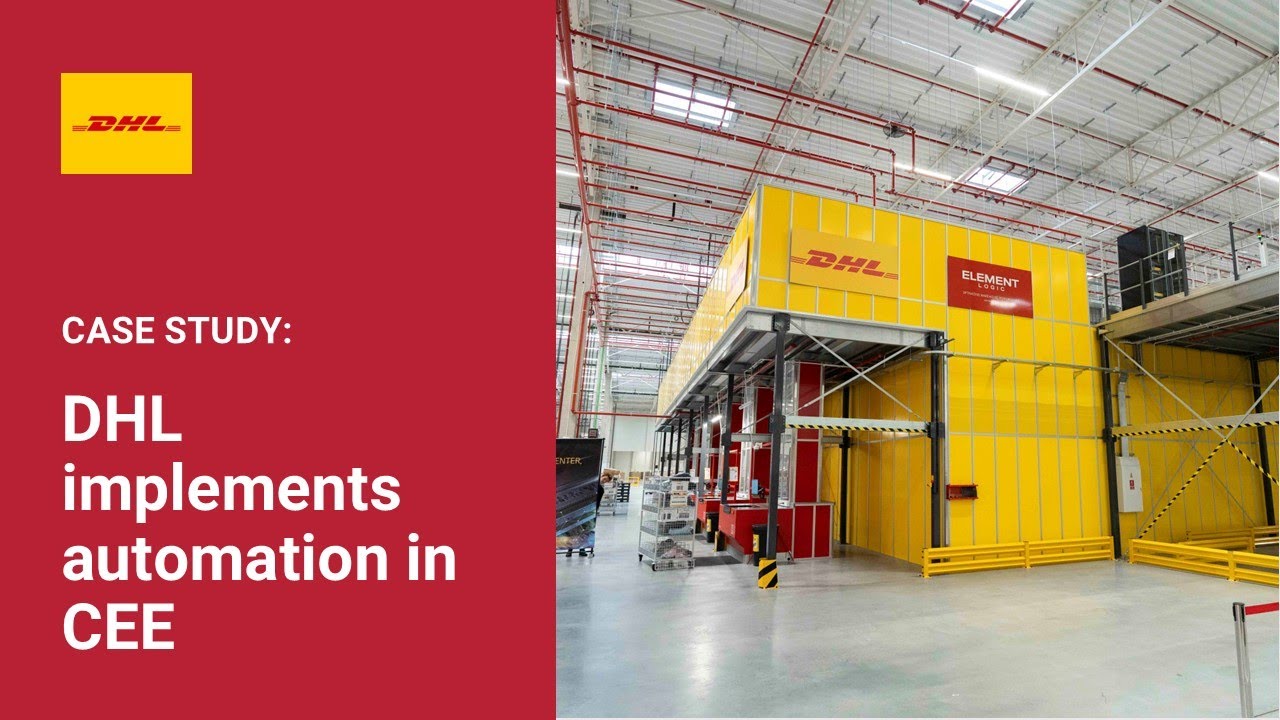
DHL Supply Chain Greater Poland E-commerce Hub
Element Logic