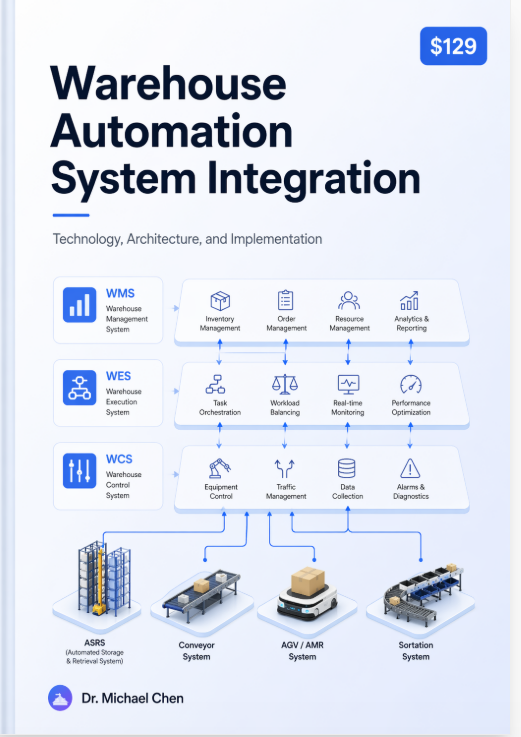
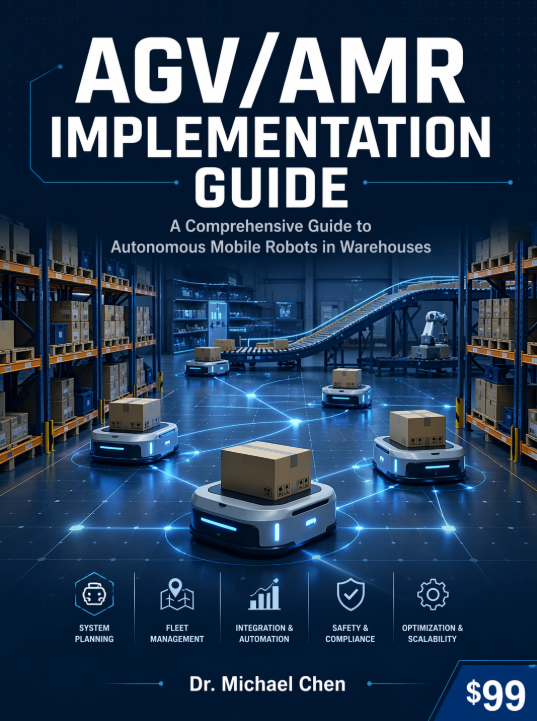
Consumer Goods
Consumer goods distribution serves retail stores and e-commerce channels with fast-moving packaged products, requiring high-throughput automation for case-picking, pallet building, and efficient store replenishment alongside direct-to-consumer fulfillment.
Consumer Goods Distribution
Operations Profile
- •High-volume throughput
- •Fast-moving consumer goods (FMCG)
- •Retail & e-commerce channels
- •Promotional activity management
Key Challenges
- •Demand volatility (promotions)
- •Short product lifecycles
- •Tight delivery windows
- •Packaging variety
Storage Technologies
- •Pallet flow racking (FIFO)
- •Selective racking
- •Case flow pick modules
- •Bulk floor storage
Picking Solutions
- •Full case picking
- •Layer picking systems
- •Voice-directed operations
- •Batch picking for e-commerce
Transport & Sortation
- •Conveyor systems
- •Sortation by destination
- •Automated palletizing
- •AGVs for pallet transport
Software Integration
- •WMS with wave planning
- •Demand forecasting
- •Promotion management
- •Multi-channel order routing
🌐 Industry Overview
Consumer goods (also known as FMCG - Fast-Moving Consumer Goods or CPG - Consumer Packaged Goods) distribution handles everyday products like personal care items, household cleaners, packaged foods, beverages, and health products. This sector is characterized by high volumes, standardized packaging, and predictable demand patterns. Products typically move in cases or inner packs, with established supply chains from manufacturers to retailers.
The industry serves both traditional retail (grocery stores, drugstores, mass merchants) and growing e-commerce channels. Store replenishment remains the dominant channel, with large case-pack or pallet-level shipments to retail locations. However, direct-to-consumer e-commerce is growing rapidly, particularly for subscription services, bulk buying, and specialty products, creating dual fulfillment requirements in many facilities.
🏭 Warehouse Operations Characteristics
Operations are typically high-volume with millions of cases processed annually. Products are standardized in dimensions and packaging, making them well-suited for automation. Case-picking dominates, with full cases or inner packs shipped to stores. Pallet building for store delivery requires careful attention to weight distribution, product compatibility, and store-specific requirements.
Velocity is relatively predictable compared to fashion or general merchandise, with established seasonal patterns and promotional cycles. However, new product introductions, promotional events, and changing consumer preferences create variability. Inventory turns are high—typically 8-15 times annually for fast movers. Shelf life management is critical for products with expiration dates, requiring FEFO (First-Expired-First-Out) picking strategies.
⚠️ Key Challenges
Store-specific requirements add complexity to pallet building and order fulfillment. Each retail location may have unique receiving constraints, delivery windows, and product assortment requirements. Building store-compliant pallets that meet weight limits, height restrictions, and product compatibility rules while maximizing cube utilization requires sophisticated software and careful execution.
Promotional volume spikes create capacity challenges. Manufacturer promotions, holiday periods, and seasonal events can double or triple normal volumes for specific products. Facilities must handle these surges without compromising service levels for base business. Temporary storage for promotional inventory and flexible labor models are often necessary.
Product proliferation continues as brands introduce more variations, flavors, and package sizes to capture market share. This increases SKU counts and reduces individual SKU velocity, making inventory management more complex. Slotting optimization becomes more critical as product mix evolves. Slow-moving items tie up valuable pick locations if not managed properly.
🤖 Suitable Technologies
Storage Solutions: Pallet racking with narrow aisles maximizes storage density for case-level inventory. Flow racking or push-back systems provide high-density storage for fast movers with automatic FEFO. Automated storage and retrieval systems (AS/RS) handle high-volume case picking. Reserve storage holds promotional inventory and slow movers.
Transport Systems: Conveyor systems with accumulation handle high case volumes between receiving, storage, picking, and shipping. Automated guided vehicles (AGVs) transport pallets from storage to picking or shipping. Layer picking systems build mixed pallets automatically. Stretch wrappers and labeling systems prepare pallets for shipment.
Picking Technologies: Case-picking with pick-to-voice or pick-to-light achieves high productivity. Automated layer picking builds store pallets from full layers. Robotic palletizing handles high-volume SKUs. Mixed-case palletizing systems build store-compliant loads automatically. For e-commerce, piece-picking zones handle individual item orders.
Software Systems: WMS with advanced slotting, wave planning, and pallet-building algorithms. Labor management systems optimize workforce deployment. Yard management systems coordinate inbound and outbound transportation. Integration with retailer systems for store-specific requirements and delivery scheduling. Expiration date tracking and FEFO logic for perishable items.
🎯 Technology Selection Criteria
Throughput capacity is the primary driver—systems must handle peak volumes without bottlenecks. Case-handling capability across varying case sizes and weights is essential. Pallet-building quality directly impacts transportation costs and store receiving efficiency—poor pallets lead to damage and receiving delays.
Integration with retail partners' systems is critical for store replenishment operations. EDI connections, advance ship notices (ASNs), and compliance with retailer requirements are non-negotiable. Scalability should support both volume growth and additional retail customers with different requirements.
💡 Implementation Considerations
Start with highest-volume customers or product categories to maximize ROI. Store replenishment automation typically has clearer payback than e-commerce due to higher volumes and more standardized processes. Implement robust slotting and wave planning before adding physical automation—software optimization often delivers significant benefits with lower investment.
Plan for promotional events and seasonal peaks from day one. Build surge capacity or flexible labor models into the design. Test pallet-building algorithms thoroughly with actual store requirements—compliance failures create costly chargebacks from retailers. Ensure adequate quality control checkpoints to catch errors before shipment.
Consider separate processing for e-commerce if volumes justify it. The operational requirements for case-picking store replenishment versus piece-picking e-commerce orders are quite different. Trying to optimize for both simultaneously often results in compromises that reduce efficiency in both channels.
Related Technologies (6)
ARB Pallet Layer Descrambler S400: Layer Singulation and Depalletizing
byIntralox
PalLinear: High-Speed Inline Layer Palletizer
byOthers
LITA ECO: Low-Level Infeed Layer Palletizer
byOthers
Schneider High-Speed Robotic Layer Palletizer
byOthers
Robotic Layer Mixed Palletizer: High-Throughput Mixed Case Palletizing
byOthers
Addverb SortIE: Vertical Sortation Solution for Warehouse Automation
byAddverb
Related Topics
E-commerce Fulfillment
E-commerce fulfillment centers handle high-volume, small-order processing with strict time requirements, requiring flexible automation solutions for efficient order picking and shipping.
Fashion & Apparel
Fashion and apparel fulfillment faces unique challenges with high SKU counts, seasonal volatility, and elevated return rates, requiring flexible automation that handles hanging garments, folded items, and accessories efficiently.
General Merchandise
General merchandise distribution handles diverse product categories from home goods to electronics, requiring versatile automation solutions that accommodate varying sizes, weights, and handling requirements across broad product ranges.
Omnichannel Retail
Omnichannel retail fulfillment integrates online and offline channels, requiring flexible warehouse operations that support store replenishment, e-commerce orders, and buy-online-pickup-in-store (BOPIS) simultaneously.
Retail & E-commerce Segment Comparison
Understanding the differences between retail and e-commerce segments helps in selecting the right warehouse technologies and strategies for your specific business model.
| Aspect | E-commerce Fulfillment | Omnichannel Retail | Fashion & Apparel | General Merchandise | Consumer Goods |
|---|---|---|---|---|---|
| Order Profile | 1-5 items per order, B2C focused | Mixed: Store replenishment + individual orders | High SKU variety, seasonal collections | Wide product range, mixed sizes | High-volume, standardized products |
| SKU Count | 10,000-100,000+ | 20,000-50,000 | 5,000-30,000 per season | 50,000-200,000+ | 1,000-10,000 |
| Order Volume | 50,000-200,000+ orders/day | 10,000-50,000 orders/day | 5,000-20,000 orders/day | 20,000-100,000 orders/day | 1,000-10,000 orders/day |
| Delivery Speed | Same-day to 2-day | Same-day to next-day | 2-5 days standard | 1-3 days | 1-2 days |
| Peak Seasonality | 2-3x during holidays | 2x during holidays | 3-5x during season launches | 1.5-2x during holidays | Relatively stable |
| Return Rate | 15-25% | 20-30% | 30-40% (highest) | 10-20% | 5-10% (lowest) |
| Storage Density | High-density G2P systems | Mixed: Pallets + G2P | Hanging garments + shelving | Multi-level racking | Pallet-based bulk storage |
| Picking Method | Piece picking, G2P | Mixed: Case + piece picking | Piece picking, manual + automated | Case + piece picking | Full pallet + case picking |
| Automation Level | High (60-80%) | Medium-High (40-60%) | Medium (30-50%) | Medium (40-60%) | Medium-High (50-70%) |
| Key Technologies | AutoStore, AMR, sorters | Shuttle systems, AGV, WMS | Hanging sorters, RFID, G2P | AS/RS, conveyors, WCS | Pallet AS/RS, AGV, layer picking |
| Typical Facility Size | 200,000-1M+ sq ft | 300,000-800,000 sq ft | 100,000-500,000 sq ft | 500,000-2M+ sq ft | 200,000-1M+ sq ft |
| Labor Intensity | High (but automating) | High | Very High (manual handling) | Medium-High | Medium |
| Inventory Turns | 8-12x per year | 6-10x per year | 4-6x per year | 6-8x per year | 10-15x per year |
| Primary Challenge | Peak capacity + speed | Channel integration | Trend forecasting + returns | SKU complexity | Cost efficiency |
| Investment Priority | G2P systems, sorters | Flexible automation, OMS | Returns processing, RFID | Storage density, WMS | Pallet automation, throughput |
E-commerce Fulfillment
Omnichannel Retail
Fashion & Apparel
General Merchandise
Consumer Goods
Key Insights
E-commerce Fulfillment excels at high-volume, small-order processing with the fastest delivery requirements. Automation focus is on goods-to-person systems and high-speed sortation to maximize picks per hour and reduce labor costs.
Omnichannel Retail must balance store replenishment (case/pallet level) with individual e-commerce orders, requiring flexible automation that can handle both. Integration between channels is the primary technical challenge.
Fashion & Apparel deals with the highest return rates and most complex inventory management due to size/color variations and seasonal collections. Hanging garment systems and RFID technology are industry-specific requirements.
General Merchandise handles the widest product variety from small items to large appliances, requiring diverse storage and handling solutions. SKU complexity and space optimization are key challenges.
Consumer Goods focuses on high-volume, standardized products with the most stable demand patterns. Automation emphasis is on pallet-level handling and maximizing throughput efficiency with lower labor intensity.
Quick Navigation
Overview
Related Projects(4)
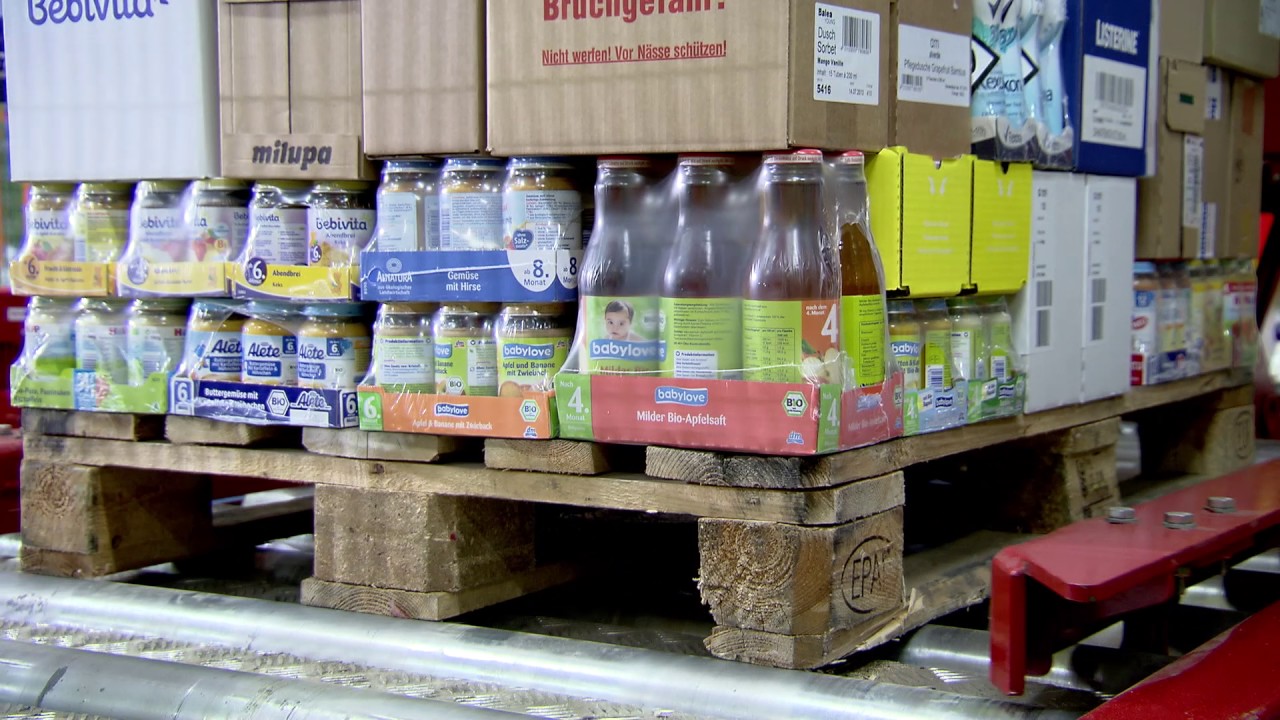
dm-drogerie markt Weilerswist Logistics Center Packaging Line
Beumer Group
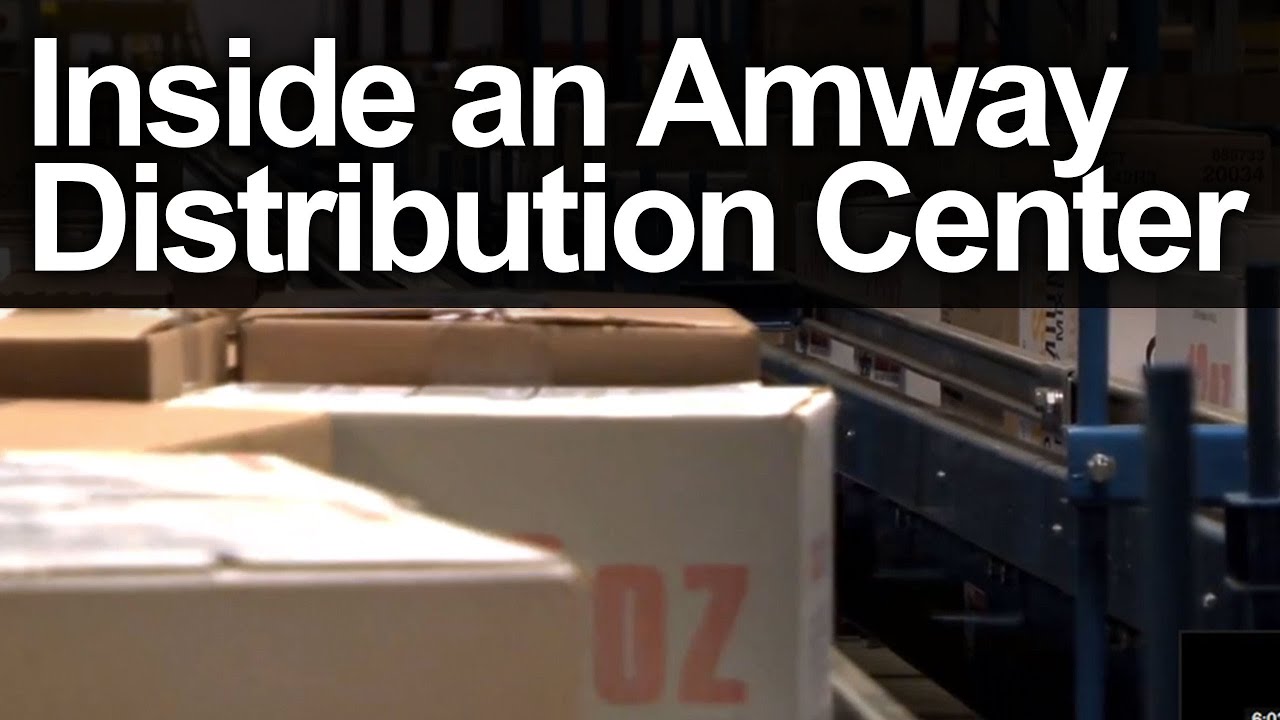
Amway Midwest Regional Service Center, Ada
Bastian Solutions
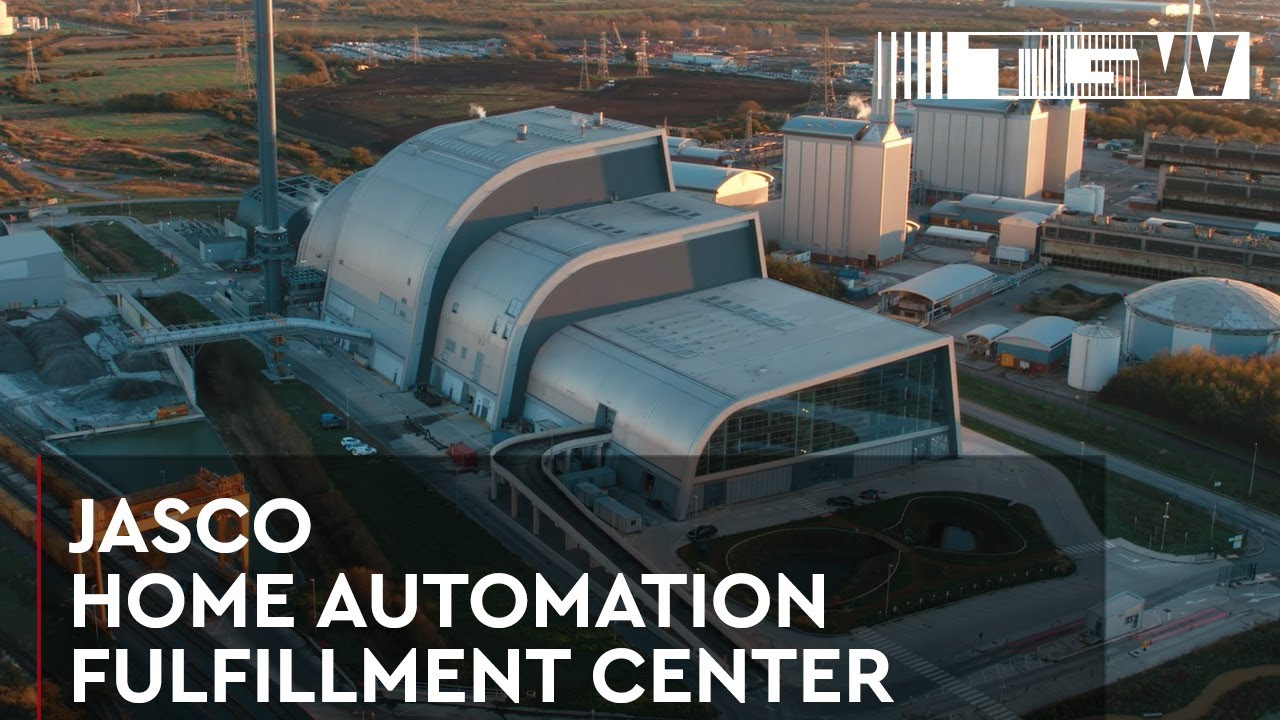
Jasco - Oklahoma City Omnichannel Distribution Center Automation
TGW Logistics
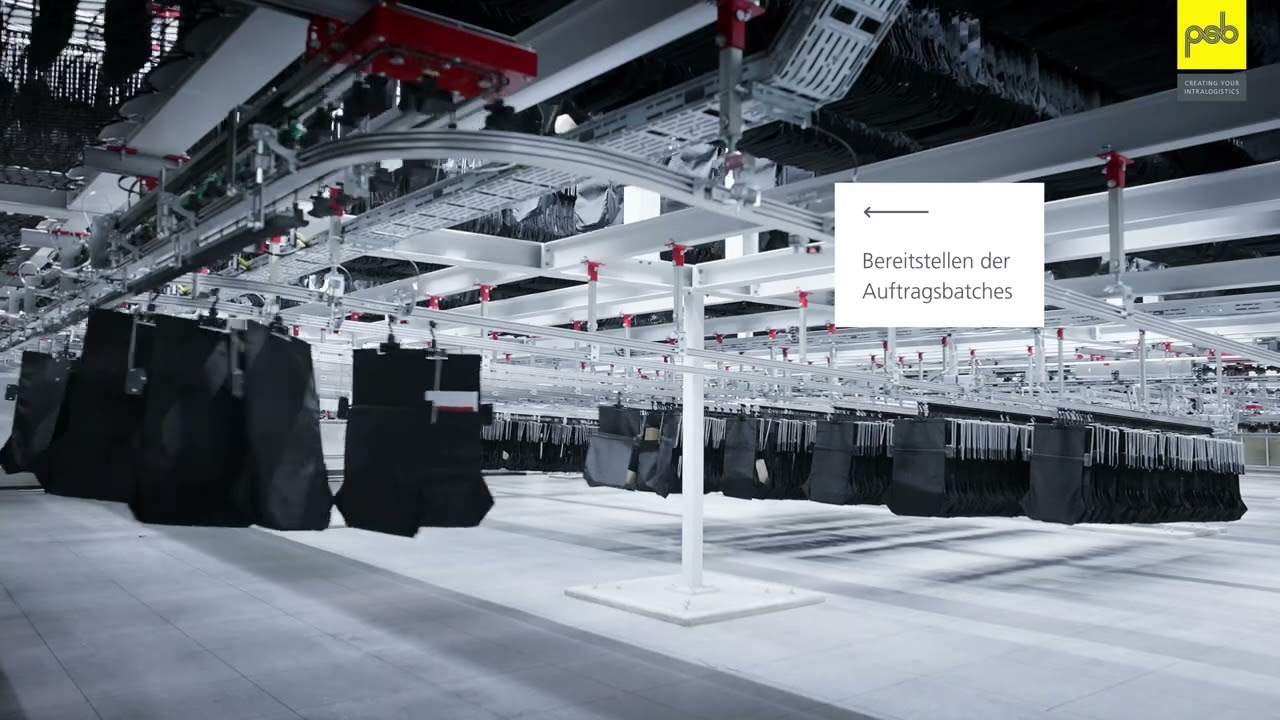
CEWE Stiftung - Oldenburg Production & Distribution Center Automation
psb intralogistics GmbH