Omnichannel Retail
Omnichannel retail fulfillment integrates online and offline channels, requiring flexible warehouse operations that support store replenishment, e-commerce orders, and buy-online-pickup-in-store (BOPIS) simultaneously.
Omnichannel Fulfillment Ecosystem
Channel Integration
- •Store fulfillment
- •E-commerce orders
- •BOPIS (Buy Online Pick In Store)
- •Ship-from-store
Key Challenges
- •Inventory visibility across channels
- •Order orchestration complexity
- •Mixed unit handling (cases & eaches)
- •Returns from multiple channels
Storage Solutions
- •Hybrid storage (pallet & each)
- •Goods-to-person systems
- •Dynamic slotting
- •Multi-level picking
Automation Technologies
- •AMRs for flexible routing
- •Batch & wave picking
- •Multi-order sortation
- •Automated packing (variable sizes)
Software Systems
- •Distributed order management
- •Real-time inventory sync
- •Order routing logic
- •Channel analytics
Fulfillment Strategies
- •Store as micro-fulfillment
- •DC-to-store replenishment
- •Direct-to-consumer shipping
- •Curbside pickup
🌐 Industry Overview
Omnichannel retail represents the convergence of physical and digital commerce, where customers expect seamless shopping experiences across all touchpoints. Unlike traditional retail or pure e-commerce, omnichannel operations must fulfill multiple order types from the same inventory pool: store replenishment, direct-to-consumer e-commerce, buy-online-pickup-in-store (BOPIS), ship-from-store, and same-day delivery.
The complexity lies in managing unified inventory visibility across all channels while optimizing fulfillment from the most efficient location. A single warehouse may process bulk pallets for store delivery in the morning and individual e-commerce orders in the afternoon. This dual nature requires flexible automation and sophisticated orchestration software that can dynamically allocate inventory and route orders based on real-time availability, customer location, and delivery requirements.
🏭 Warehouse Operations Characteristics
Omnichannel warehouses handle dramatically different order profiles simultaneously. Store replenishment orders are typically large, case-pack or pallet-level shipments with predictable patterns and longer lead times. E-commerce orders are small (1-5 items), highly variable, and time-sensitive. BOPIS orders require rapid processing (often within 2 hours) and careful staging for customer pickup.
Inventory must be managed with real-time visibility across all channels to prevent overselling and enable accurate available-to-promise calculations. The same SKU might be picked as a full case for store replenishment, individual pieces for e-commerce, and staged for BOPIS pickup—all within the same day. This requires flexible picking zones, dynamic slotting, and sophisticated wave planning that optimizes across multiple order types.
⚠️ Key Challenges
Inventory allocation is the primary challenge—determining which channel gets which inventory in real-time while maximizing profitability and customer satisfaction. Peak periods are more complex than pure e-commerce because store replenishment peaks (back-to-school, holidays) often coincide with e-commerce surges, creating compound demand spikes.
Labor management becomes more difficult with diverse skill requirements—workers need training for both bulk store replenishment and precise e-commerce picking. Space allocation must balance bulk storage for store replenishment with high-density storage for fast-moving e-commerce items. Returns processing is complicated by multiple return channels (ship-back, return-to-store) requiring different handling procedures.
🤖 Suitable Technologies
Storage Solutions: Flexible storage systems that support both case-picking and piece-picking are essential. Goods-to-person systems handle fast-moving e-commerce items while conventional racking serves store replenishment. Dynamic slotting algorithms optimize placement based on channel demand patterns. Reserve storage for bulk inventory feeds forward-pick locations.
Transport Systems: Conveyor systems with sortation capabilities handle both case-level store orders and individual e-commerce items. AMRs provide flexibility to route items to different processing areas based on order type. Vertical conveyors enable multi-floor operations that separate bulk and piece-picking activities.
Picking Technologies: Multi-modal picking zones support different order types—pallet building for stores, piece-picking for e-commerce, and rapid BOPIS fulfillment. Pick-and-pack stations can switch between order types. Batch picking with put-walls enables efficient processing of multiple small orders while maintaining store replenishment throughput.
Software Systems: Advanced order management systems (OMS) orchestrate inventory allocation across channels. Distributed order management (DOM) determines optimal fulfillment location. WMS must support multiple order types, wave strategies, and picking methods simultaneously. Real-time inventory visibility across all channels is critical.
🎯 Technology Selection Criteria
Flexibility is paramount—systems must handle varying order profiles and adapt to changing channel mix. As e-commerce grows relative to store sales, automation must scale piece-picking capacity without disrupting store replenishment operations. Integration with retail systems (POS, store inventory, e-commerce platforms) is more complex than pure e-commerce.
ROI calculations must consider benefits across multiple channels—automation that improves e-commerce efficiency might also reduce store replenishment costs. Scalability should support both capacity growth and channel mix changes. Consider phased implementation that starts with one channel and expands to others.
💡 Implementation Considerations
Start with clear channel separation in early phases—dedicate zones or time windows to specific order types before attempting full integration. This reduces complexity and allows learning. Implement robust inventory management and order orchestration software before adding physical automation—software integration is often the longest lead-time item.
Change management is critical as omnichannel operations require different mindsets than traditional retail distribution. Store replenishment teams must adapt to sharing space and resources with e-commerce operations. Plan for 9-15 months from project start to full operation for significant automation, longer than pure e-commerce due to integration complexity.
Consider micro-fulfillment centers or dark stores as complementary strategies for urban markets, handling e-commerce and BOPIS while the main distribution center focuses on store replenishment. Test BOPIS processes thoroughly—customer-facing pickup experiences directly impact brand perception.
Related Technologies (6)
Momentum Warehouse Execution System (WES): Real-Time Fulfillment Orchestration
byHoneywell Intelligrated
HDS Sliding Shoe Sorter: High-Speed Versatile Sortation
byHoneywell Intelligrated
Putwall Systems: Technology for Multi-Zone Order Consolidation
byOthers
MIX: All-round Goods-to-Person Picking Solution
byMushiny
Spiral Conveyors: High-Capacity Vertical Transport
byOthers
Brightpick Autopicker: AI-Powered Robotic Picking AMR
byBrightpick
Related Topics
Consumer Goods
Consumer goods distribution serves retail stores and e-commerce channels with fast-moving packaged products, requiring high-throughput automation for case-picking, pallet building, and efficient store replenishment alongside direct-to-consumer fulfillment.
E-commerce Fulfillment
E-commerce fulfillment centers handle high-volume, small-order processing with strict time requirements, requiring flexible automation solutions for efficient order picking and shipping.
Fashion & Apparel
Fashion and apparel fulfillment faces unique challenges with high SKU counts, seasonal volatility, and elevated return rates, requiring flexible automation that handles hanging garments, folded items, and accessories efficiently.
General Merchandise
General merchandise distribution handles diverse product categories from home goods to electronics, requiring versatile automation solutions that accommodate varying sizes, weights, and handling requirements across broad product ranges.
Retail & E-commerce Segment Comparison
Understanding the differences between retail and e-commerce segments helps in selecting the right warehouse technologies and strategies for your specific business model.
| Aspect | E-commerce Fulfillment | Omnichannel Retail | Fashion & Apparel | General Merchandise | Consumer Goods |
|---|---|---|---|---|---|
| Order Profile | 1-5 items per order, B2C focused | Mixed: Store replenishment + individual orders | High SKU variety, seasonal collections | Wide product range, mixed sizes | High-volume, standardized products |
| SKU Count | 10,000-100,000+ | 20,000-50,000 | 5,000-30,000 per season | 50,000-200,000+ | 1,000-10,000 |
| Order Volume | 50,000-200,000+ orders/day | 10,000-50,000 orders/day | 5,000-20,000 orders/day | 20,000-100,000 orders/day | 1,000-10,000 orders/day |
| Delivery Speed | Same-day to 2-day | Same-day to next-day | 2-5 days standard | 1-3 days | 1-2 days |
| Peak Seasonality | 2-3x during holidays | 2x during holidays | 3-5x during season launches | 1.5-2x during holidays | Relatively stable |
| Return Rate | 15-25% | 20-30% | 30-40% (highest) | 10-20% | 5-10% (lowest) |
| Storage Density | High-density G2P systems | Mixed: Pallets + G2P | Hanging garments + shelving | Multi-level racking | Pallet-based bulk storage |
| Picking Method | Piece picking, G2P | Mixed: Case + piece picking | Piece picking, manual + automated | Case + piece picking | Full pallet + case picking |
| Automation Level | High (60-80%) | Medium-High (40-60%) | Medium (30-50%) | Medium (40-60%) | Medium-High (50-70%) |
| Key Technologies | AutoStore, AMR, sorters | Shuttle systems, AGV, WMS | Hanging sorters, RFID, G2P | AS/RS, conveyors, WCS | Pallet AS/RS, AGV, layer picking |
| Typical Facility Size | 200,000-1M+ sq ft | 300,000-800,000 sq ft | 100,000-500,000 sq ft | 500,000-2M+ sq ft | 200,000-1M+ sq ft |
| Labor Intensity | High (but automating) | High | Very High (manual handling) | Medium-High | Medium |
| Inventory Turns | 8-12x per year | 6-10x per year | 4-6x per year | 6-8x per year | 10-15x per year |
| Primary Challenge | Peak capacity + speed | Channel integration | Trend forecasting + returns | SKU complexity | Cost efficiency |
| Investment Priority | G2P systems, sorters | Flexible automation, OMS | Returns processing, RFID | Storage density, WMS | Pallet automation, throughput |
E-commerce Fulfillment
Omnichannel Retail
Fashion & Apparel
General Merchandise
Consumer Goods
Key Insights
E-commerce Fulfillment excels at high-volume, small-order processing with the fastest delivery requirements. Automation focus is on goods-to-person systems and high-speed sortation to maximize picks per hour and reduce labor costs.
Omnichannel Retail must balance store replenishment (case/pallet level) with individual e-commerce orders, requiring flexible automation that can handle both. Integration between channels is the primary technical challenge.
Fashion & Apparel deals with the highest return rates and most complex inventory management due to size/color variations and seasonal collections. Hanging garment systems and RFID technology are industry-specific requirements.
General Merchandise handles the widest product variety from small items to large appliances, requiring diverse storage and handling solutions. SKU complexity and space optimization are key challenges.
Consumer Goods focuses on high-volume, standardized products with the most stable demand patterns. Automation emphasis is on pallet-level handling and maximizing throughput efficiency with lower labor intensity.
Quick Navigation
Overview
Related Projects(6)
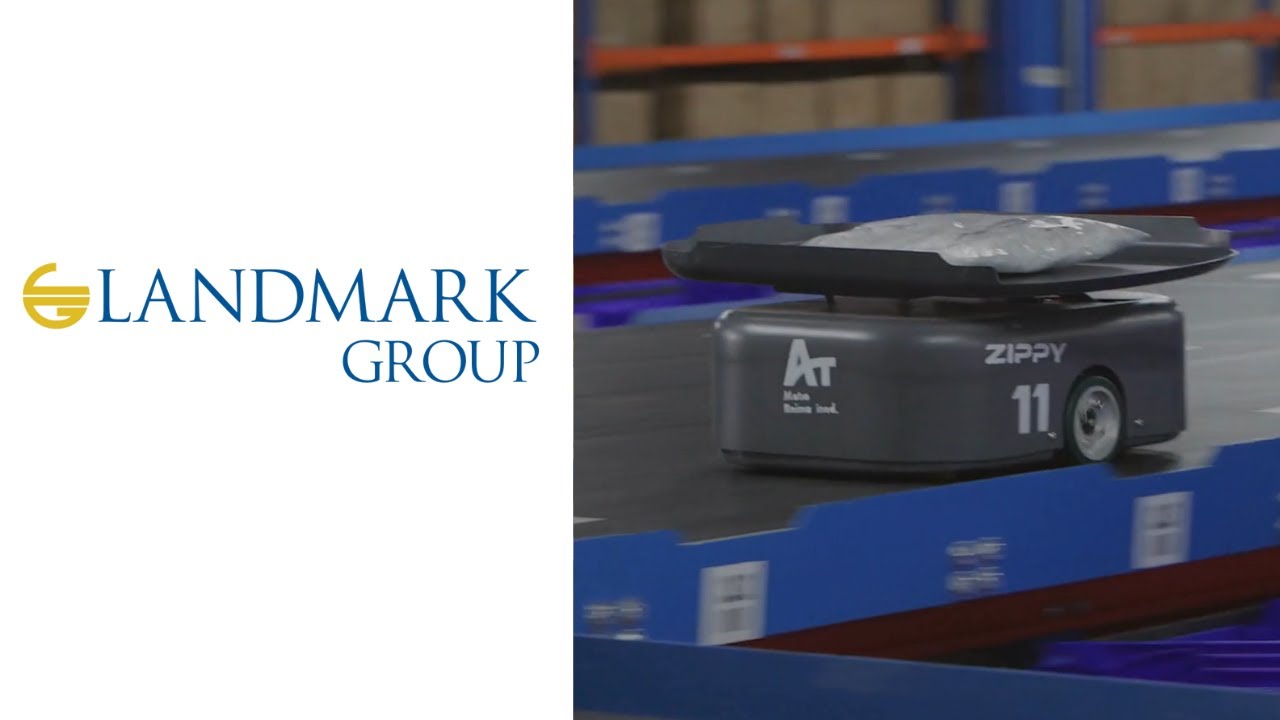
Landmark Group Kuwait Fulfillment Center
Addverb
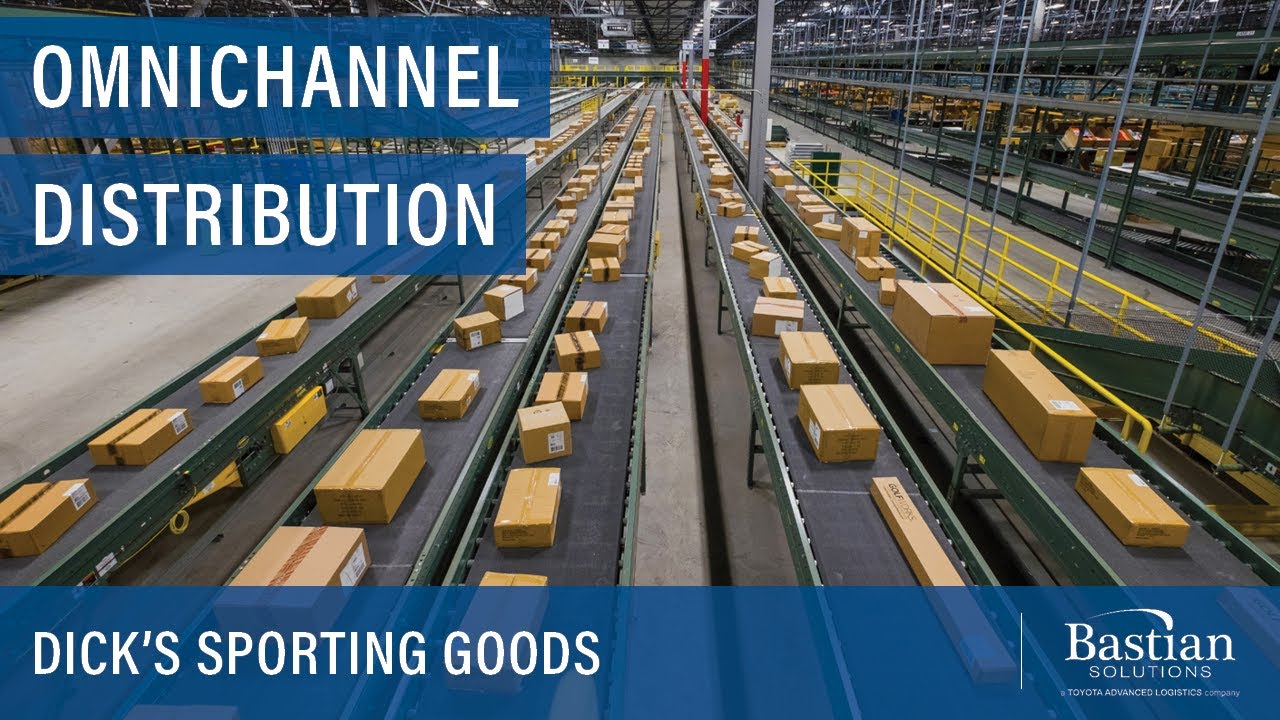
DICK'S Sporting Goods Conklin Distribution Center
Bastian Solutions
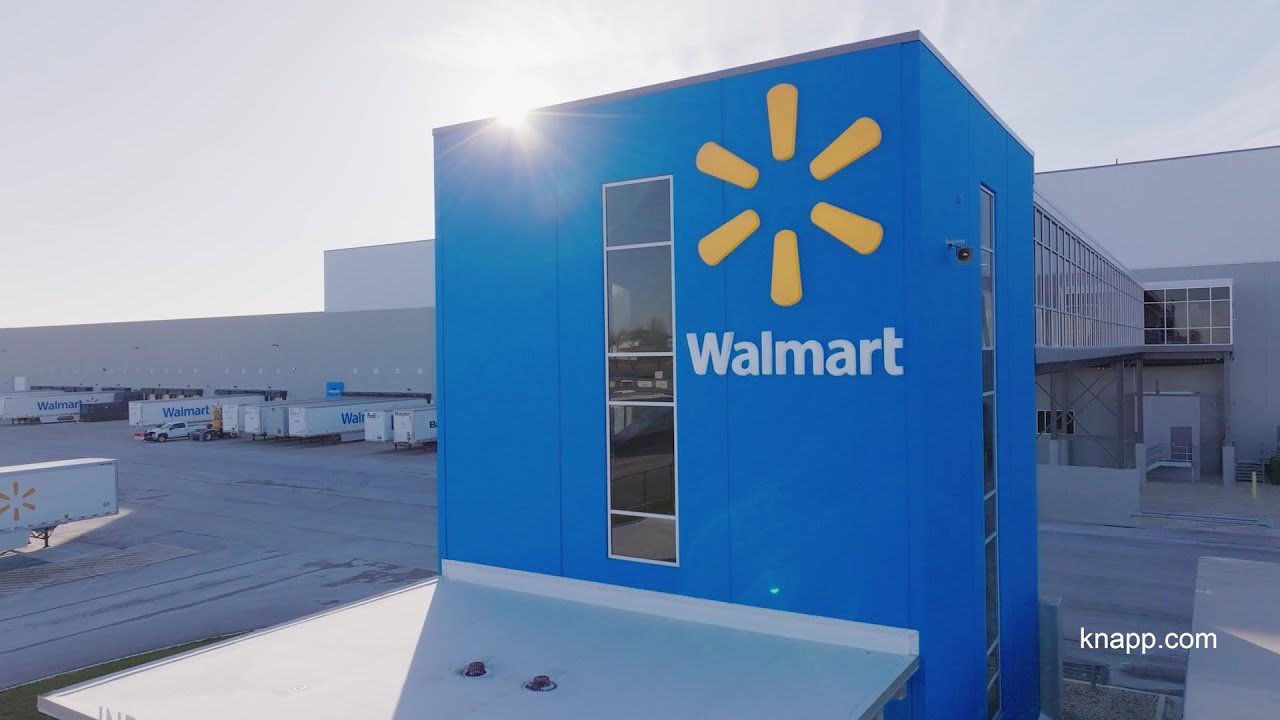
Walmart - Next Generation Fulfillment Centers Automation
Knapp
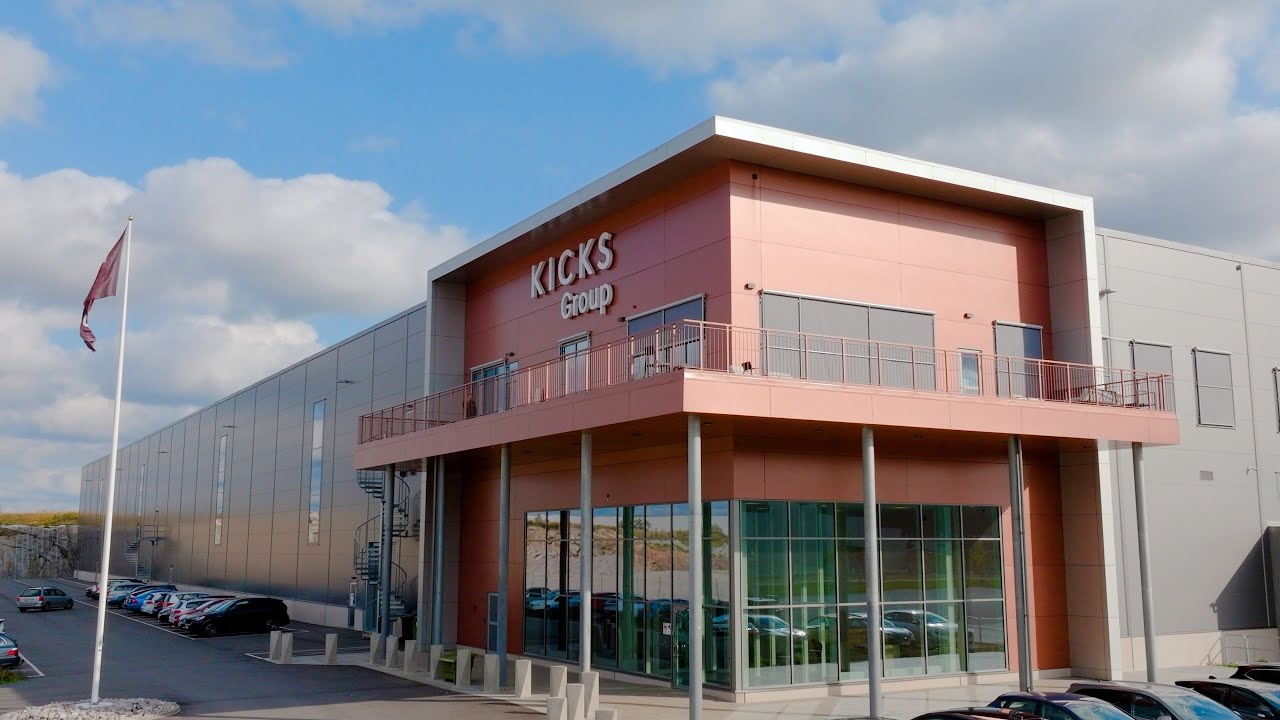
KICKS - Rosersberg Beauty Products Automated Distribution Center
Knapp

L.L.Bean - Freeport Maine Distribution Center Sortation Modernization
Beumer Group
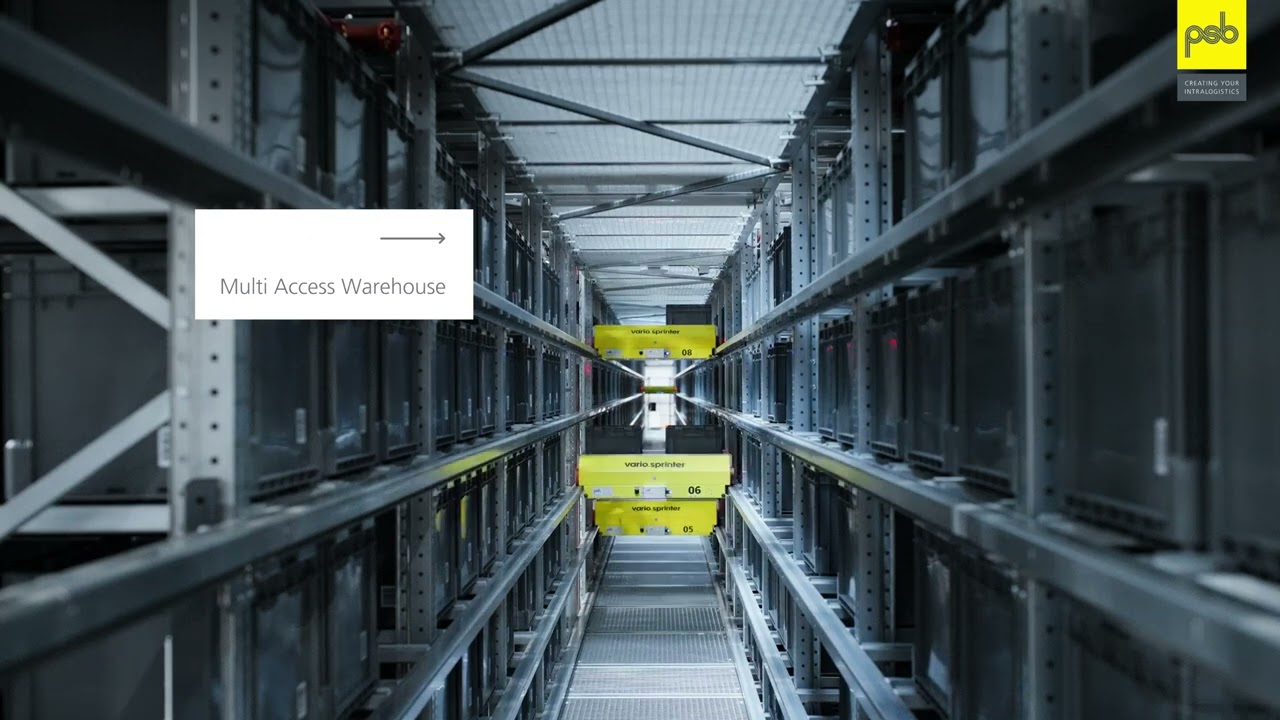
MRG - Retail Distribution Center Automated Goods-to-Person Intralogistics
psb intralogistics GmbH