t-Sort Robotic Unit and Parcel Sortation System: Next-Generation E-commerce Order Fulfillment
Quick Facts
Technology Performance Metrics
⭐Key Features
Benefits
Applications
Detailed Information
Technology Overview
In the era of booming e-commerce, order fulfillment systems are facing unprecedented challenges of fluctuating order volumes, limited warehouse space and rising labor costs. Traditional sortation solutions such as cross belt and tilt tray systems are characterized by high costs, large floor space occupation, fixed structures that are difficult to scale, and heavy reliance on batch picking modes with low efficiency. These drawbacks make it hard for traditional systems to adapt to the dynamic and high-demand operational needs of modern e-commerce logistics.
Against this background, the t-Sort Robotic Unit and Parcel Sortation System emerges as a next-generation solution tailored for e-commerce order fulfillment. Its core principle lies in combining robotic automation technology with flexible system design to support efficient wave picking, replacing the inefficient batch picking mode. The system is designed to be scalable, portable and rapidly deployable, fundamentally solving the pain points of high cost, space occupation and low flexibility of traditional systems. It is mainly applied in e-commerce fulfillment centers, temporary logistics hubs and space-constrained warehouses, helping enterprises achieve cost reduction, efficiency improvement and flexible response to market changes.
How It Works
Core Principles
The t-Sort system operates on two core principles: flexible robotic automation and wave picking optimization. First, the system uses modular robotic units to realize decentralized and flexible parcel sortation, which is different from the fixed conveyor-based structure of traditional systems. This modular design enables the system to be scaled up or down according to order volume changes, and even moved between different warehouse locations due to its portability. Second, the system is optimized for wave picking workflows, which groups orders by factors such as destination, delivery time and item characteristics to reduce redundant picking paths and improve overall efficiency, thus eliminating the need for low-efficiency batch picking. The combination of these two principles ensures that the system achieves high efficiency, flexibility and cost-effectiveness simultaneously.
Key Features & Capabilities
The total scalability of the t-Sort system is a core feature that directly addresses the pain point of fluctuating e-commerce order volumes. Unlike traditional cross belt and tilt tray systems with fixed capacities that cannot be easily adjusted, the t-Sort system adopts a modular robotic unit design. When order volumes peak during shopping festivals or promotional periods, enterprises can quickly add more robotic units to expand the system's sorting capacity, ensuring that order fulfillment is not delayed by capacity constraints. When order volumes decline in off-peak periods, redundant robotic units can be removed and stored, reducing energy consumption and maintenance costs. This scalable capability enables the system to adapt to the dynamic operational needs of e-commerce logistics, maximizing the return on investment of equipment.
The flexibility and portability of the system are standout features that distinguish it from traditional fixed sortation solutions. The t-Sort system is built on a portable frame, which allows the entire system or parts of it to be relocated to different areas within the warehouse according to operational needs, such as moving from a low-demand area to a high-demand outbound area. This portability is especially valuable for temporary logistics hubs set up for seasonal sales or regional promotions, as the system can be quickly deployed and put into operation, and then removed and stored after the peak period. In addition, the flexible movement capability of robotic units enables the system to adapt to different warehouse layouts, eliminating the need for large-scale warehouse renovation and reducing the threshold for system deployment.
The support for efficient wave picking is a key feature that improves the core efficiency of order fulfillment. Traditional e-commerce fulfillment systems often rely on batch picking modes, which pick a large number of items at once and then sort them into individual orders, resulting in long picking paths and high error rates. The t-Sort system is optimized for wave picking workflows, which groups orders by factors such as destination and item characteristics to ensure that each picking trip of the robotic unit is highly efficient and covers the minimum number of paths. This not only reduces the movement distance of robotic units and improves picking speed but also reduces the risk of picking errors, as each wave of orders is more targeted. The elimination of batch picking mode fundamentally improves the overall efficiency of order fulfillment.
The cost advantage of being about half the price of traditional systems is a key feature that drives the widespread adoption of the t-Sort system. Traditional cross belt and tilt tray systems require large investments in fixed conveyor structures, drive systems and installation projects, which result in high upfront costs. The t-Sort system, with its modular robotic unit design and portable frame, significantly reduces the cost of structural components and installation work. In addition, the system's reduced labor demand and floor space occupation further lower long-term operational costs. This cost advantage makes the t-Sort system accessible not only to large e-commerce enterprises but also to small and medium-sized retailers looking to automate their order fulfillment processes without a large capital investment.
The rapid deployment capability of the system is a practical feature that meets the urgent operational needs of enterprises. Traditional sortation systems often require long installation and commissioning periods, sometimes taking months to go from procurement to full operation, which is too slow to meet the urgent needs of enterprises for rapid capacity expansion. The t-Sort system, with its modular and portable design, can be installed and commissioned in a much shorter time. The robotic units can be quickly unpacked, placed and connected to the control system, and the portable frame can be assembled without complex construction work. This rapid deployment capability enables enterprises to quickly put the system into operation in response to sudden order surges or temporary operational needs, gaining a competitive edge in the market.
Advantages & Benefits
The most significant advantage of the t-Sort system is the 50% cost reduction compared to traditional sortation systems, which brings substantial economic benefits to enterprises. The upfront investment cost of the system is only about half that of traditional cross belt and tilt tray systems, which directly reduces the financial pressure of enterprises on equipment procurement. In addition, the system's reduced labor demand and floor space occupation further lower long-term operational costs, including labor wages, warehouse rent and energy consumption. For e-commerce enterprises with thin profit margins, this cost reduction advantage directly improves the profitability of the order fulfillment business and enhances the overall competitiveness of the enterprise in the market.
The floor space saving advantage of the system helps enterprises optimize warehouse space utilization and improve operational efficiency. Traditional sortation systems occupy a large amount of fixed floor space due to their conveyor-based structures, which limits the available space for other productive operations such as storage and value-added services. The t-Sort system, with its modular robotic units and portable design, has a much smaller footprint, and the space it occupies can be flexibly adjusted according to operational needs. The saved floor space can be used to expand storage capacity, add more picking stations or set up value-added service areas, such as customized packaging and gift wrapping, which not only improves the utilization rate of warehouse space but also enhances the added value of the enterprise's logistics services.
The labor reduction advantage of the system helps enterprises reduce reliance on manual labor and mitigate staffing risks. The order fulfillment process of traditional e-commerce logistics is highly labor-intensive, requiring a large number of workers for picking, sorting and transporting parcels, which not only incurs high labor costs but also faces risks such as labor shortages during peak periods and personnel turnover. The t-Sort system, with its fully automated robotic sortation and wave picking optimization, significantly reduces the need for manual labor, only requiring a small number of staff for system monitoring and maintenance. This not only cuts labor costs but also makes the enterprise's order fulfillment operations more stable and less affected by external labor market fluctuations.
The efficiency improvement advantage of the system, achieved by replacing batch picking with wave picking, directly enhances the speed and accuracy of order fulfillment. Wave picking mode groups orders more scientifically, reducing redundant picking paths and improving the efficiency of each picking trip of the robotic unit. Compared with batch picking mode, wave picking can shorten the order processing cycle by 30%-50%, enabling enterprises to deliver orders to customers faster and improving customer satisfaction. In addition, the automated operation of the system reduces the risk of picking errors caused by human factors, lowering the costs associated with returns, rework and customer complaints, and further improving the overall operational efficiency of the enterprise.
The rapid deployment advantage of the system enables enterprises to respond flexibly to market changes and seize business opportunities. In the highly competitive e-commerce market, the ability to quickly expand fulfillment capacity in response to promotional activities or seasonal sales peaks is crucial for enterprises to gain a competitive edge. The t-Sort system can be deployed and put into operation in a short time, allowing enterprises to quickly increase order processing capacity when demand surges, avoiding the loss of orders due to insufficient capacity. For temporary logistics hubs or pop-up fulfillment centers, the system's portability and rapid deployment capability make it an ideal solution, enabling enterprises to quickly set up and dismantle fulfillment facilities according to business needs.
Implementation Considerations
The portable design of the t-Sort system may have limitations on the maximum load capacity for heavy parcels, which is an important implementation consideration. The system is optimized for e-commerce order fulfillment, which mainly involves small and medium-sized parcels. For oversized or overweight parcels, the load capacity of modular robotic units and the structural strength of the portable frame may be insufficient, leading to reduced sorting efficiency or even equipment damage. Enterprises need to evaluate the weight and size distribution of their parcels before selecting the system, and consider matching the t-Sort system with other heavy-load sortation equipment if there is a large number of heavy parcels, to ensure that all types of parcels can be handled efficiently.
Rapid deployment requires pre-planning of warehouse layout and power supply, which is a key practical consideration. Although the t-Sort system supports rapid deployment, it still needs to prepare appropriate warehouse space, power supply interfaces and network coverage in advance. Enterprises need to conduct a detailed survey of the target warehouse area before deployment, including measuring the space size, confirming the location of power outlets and ensuring stable network connectivity, to avoid delays in the deployment process due to insufficient preparation. In addition, enterprises need to coordinate with the system supplier to formulate a detailed deployment plan, including the schedule of robotic unit installation, system commissioning and staff training, to ensure the smooth and rapid launch of the system.
The wave picking mode of the t-Sort system needs matching WMS system support for optimal efficiency, which is a key technical consideration. The wave picking control module of the t-Sort system needs to interact with the enterprise's existing WMS to obtain real-time order data and optimize wave grouping. If the enterprise's WMS does not support wave picking data interfaces or has limited data processing capabilities, the efficiency of the t-Sort system will be significantly affected. Enterprises need to conduct compatibility testing between the t-Sort system and their WMS before implementation, and upgrade or modify the WMS if necessary to ensure that it can support the wave picking workflow of the t-Sort system. In addition, enterprises need to train their staff to use the new wave picking mode and the integrated system, to ensure that the system operates at its optimal efficiency.
Scalable expansion of the system may require additional robotic units and system reconfiguration, which is a long-term operational consideration. Although the t-Sort system supports flexible scaling, adding a large number of robotic units may require reconfiguring the system's control module and task scheduling rules to ensure that the added units can be integrated into the existing system seamlessly. Enterprises need to formulate a long-term expansion plan according to their business development forecast, and coordinate with the system supplier to reserve expansion interfaces and space during the initial deployment, to reduce the difficulty and cost of future expansion. In addition, enterprises need to regularly maintain and update the system's control software to ensure that it can support the coordinated operation of an increasing number of robotic units.
Use Cases & Applications
Ideal For
The t-Sort Robotic Unit and Parcel Sortation System is ideal for e-commerce enterprises with fluctuating order volumes that need flexible and scalable fulfillment solutions. It is also suitable for temporary logistics hubs set up for seasonal promotions or regional sales events, as well as warehouses with limited floor space that need to optimize space utilization. In addition, it is a perfect choice for retailers looking to transition from inefficient batch picking to high-efficiency wave picking modes, and small and medium-sized enterprises that want to automate order fulfillment without a large capital investment.
Performance Metrics
- Cost Advantage: About half the cost of traditional cross belt and tilt tray systems
- Core Capability: Supports wave picking to eliminate batch picking
- Deployment Feature: Rapid installation and commissioning
- Key Benefits: Significant labor and floor space savings
Future Trends
With the continuous development of e-commerce logistics, the t-Sort system is expected to evolve in two main directions. First, the modular robotic units will be more intelligent, with enhanced AI-powered path planning and adaptive picking capabilities, enabling them to handle a wider range of parcel types and sizes. Second, the system will be more closely integrated with other smart logistics equipment such as AGVs, drones and automated packaging machines, forming a fully automated order fulfillment ecosystem from warehousing to delivery. In addition, the system's portability and scalability will be further improved, making it suitable for more application scenarios such as cross-border e-commerce warehouses and last-mile fulfillment centers.
Conclusion
The t-Sort Robotic Unit and Parcel Sortation System is a revolutionary next-generation solution for e-commerce order fulfillment, with its core advantages of scalability, flexibility, portability and cost-effectiveness. By supporting efficient wave picking and eliminating batch picking, the system significantly improves order fulfillment efficiency while reducing labor demand and floor space occupation. Its cost advantage of being half the price of traditional systems makes it accessible to a wide range of enterprises, from large e-commerce giants to small and medium-sized retailers. Although there are some considerations in terms of load capacity, deployment preparation, WMS integration and scalable expansion, the overall benefits of the system far outweigh these challenges. As e-commerce logistics continues to develop towards intelligence and flexibility, the t-Sort system will play an increasingly important role in helping enterprises achieve cost reduction, efficiency improvement and sustainable development.
Would you like me to adjust the Performance Metrics scores or add more detailed scenarios to the Use Cases & Applications section?
Related Knowledge
Robotic Case Picking
Advanced robotic case picking systems that combine industrial robotics with intelligent vision systems to automate the handling of full cases and cartons, delivering exceptional speed, precision, and reliability in high-volume distribution operations.
Robotic Piece Picking
Advanced robotic systems that use AI and computer vision to automatically select and pick individual items from diverse inventory, revolutionizing warehouse fulfillment operations with human-like dexterity and intelligence.
Voice Picking Systems
Voice picking systems revolutionize warehouse operations by enabling hands-free, eyes-free order fulfillment through speech recognition technology. Workers receive spoken instructions through wireless headsets and confirm actions verbally, dramatically improving productivity, accuracy, and safety while reducing training time.
Vendor
OtherRelated Technologies
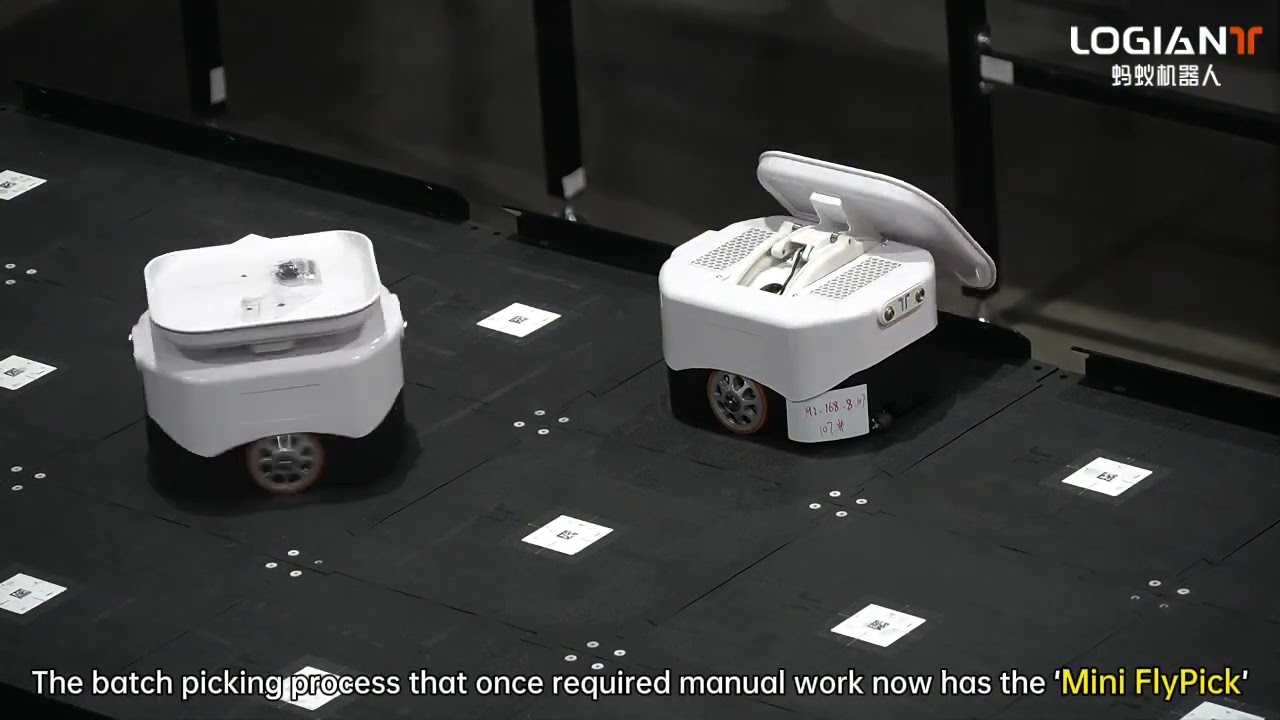
Mini FlyPick Robot: Compact High-Speed Sorting AMR
Others
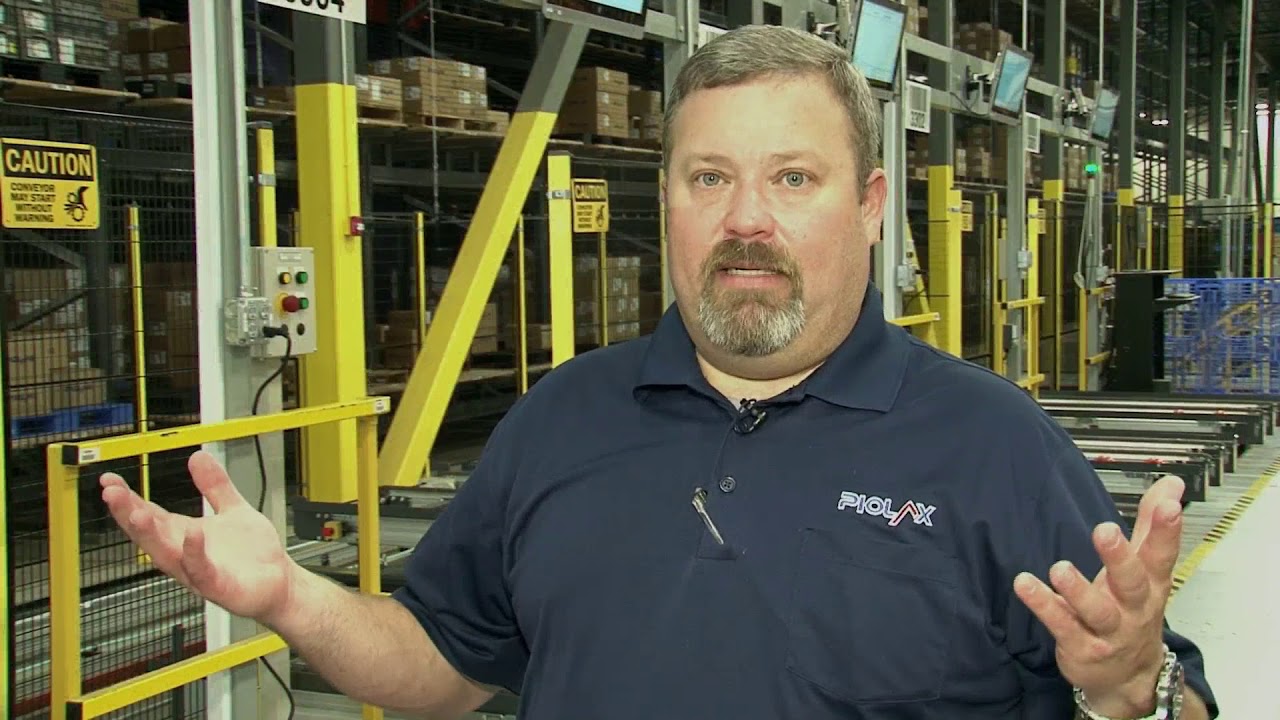
Piolax Canton Georgia Automotive Parts Distribution Center
Daifuku

TiltSort-Bot: Autonomous Mobile Robot (AMR) for Sortation
Conveyco