Unit-Load Storage ASRS: Dynamic Automated Pallet Warehouse
Quick Facts
Technology Performance Metrics
⭐Key Features
Benefits
Applications
Detailed Information
Technology Overview
An automated pallet and unit-load warehouse, specifically the viastore Unit-Load Storage ASRS, is a technology solution designed to address the core challenges of modern storage and distribution. It automates the storage and retrieval of pallets and various unit loads, moving beyond manual forklift operations. The system is engineered for flexibility, capable of accommodating goods of different shapes and sizes, which is critical in today's diverse product landscape. By leveraging vertical space and dense racking configurations, it optimizes the utilization of existing warehouse cubic volume. The ultimate goal is to create a dynamic, fast, and efficient intralogistics backbone that empowers businesses to meet escalating market demands such as shortened order cycles, reduced batch sizes, and accelerated delivery timelines.
How It Works
Core Principles
The system operates on the principle of fully automated storage and retrieval using computer-controlled cranes or shuttles that operate within narrow aisles of high-bay racking. It replaces manual forklift driving with programmed, precise movements to store and retrieve unit loads.
Key Features & Capabilities
High-Density Space Optimization is a fundamental feature. The system uses the full height of the facility (often over 30 feet) and narrow aisles, dramatically increasing storage capacity within the same footprint compared to conventional wide-aisle racking with forklifts.
Flexible Handling of Diverse Loads is central to its design. The system can be configured with different types of load-handling attachments (forks, clamps, platens) on the SRMs to securely manipulate a wide range of pallet types, container sizes, and irregularly shaped unit loads.
Integrated Dynamic Control via the WCS ensures the system is not just automated but intelligent. It dynamically manages inventory placement, retrieval sequencing, and equipment traffic to maximize throughput and minimize cycle times, directly addressing the need for fast reaction to market changes.
Advantages & Benefits
The primary advantage is significant gains in storage density and space utilization. By automating access to very narrow aisles and using vertical space, companies can often double or triple their storage capacity within the same building, deferring costly expansion.
It delivers substantial improvements in operational speed, accuracy, and efficiency. Automated systems work 24/7, perform tasks faster and more consistently than human operators, eliminate mis-picks, and provide real-time, accurate inventory data.
The system provides critical flexibility to adapt to market volatility. The ability to efficiently handle smaller batch sizes and rapidly turn over inventory allows businesses to respond to just-in-time demands, reduce inventory carrying costs, and guarantee shorter, reliable delivery times to customers.
Implementation Considerations
Implementing a unit-load ASRS is a major capital project that requires significant upfront investment in equipment, software, and facility modifications (e.g., reinforced floors, high ceilings).
Thorough system design and integration are crucial. The system must be meticulously tailored to the specific load dimensions, weights, throughput requirements, and existing facility layout. Integration with upstream and downstream processes (ERP, WMS, conveyors) is complex.
While reducing labor in the aisles, it shifts the skill set requirement to system monitoring, maintenance, and control room operations, necessitating training and change management for the workforce.
Use Cases & Applications
Ideal For
This technology is ideal for manufacturing plants, large distribution centers, wholesale B2B operations, and cold storage facilities that handle a high volume of palletized goods and face pressures from space constraints, labor shortages, and the need for faster, more accurate order fulfillment.
Performance Metrics
The content emphasizes qualitative performance gains: optimum space use, dynamic, fast, and efficient operations. Key inferred metrics include increased storage capacity per square foot, reduced retrieval times, improved inventory accuracy (likely 99.9%+), and the ability to support shorter order cycles.
Conclusion
A Unit-Load Storage ASRS, such as the solution from viastore, is a transformative investment for businesses seeking to maximize efficiency and agility in their storage operations. It directly tackles the modern challenges of space scarcity, labor intensity, and the need for speed. By automating the storage and retrieval of pallets, it creates a highly dense, accurate, and responsive logistics backbone. While the implementation requires careful planning and significant investment, the long-term benefits in space savings, operational efficiency, and market responsiveness can provide a decisive competitive advantage, making it a cornerstone technology for modern, high-performance warehouses.
Related Projects
BORT Logistics Center
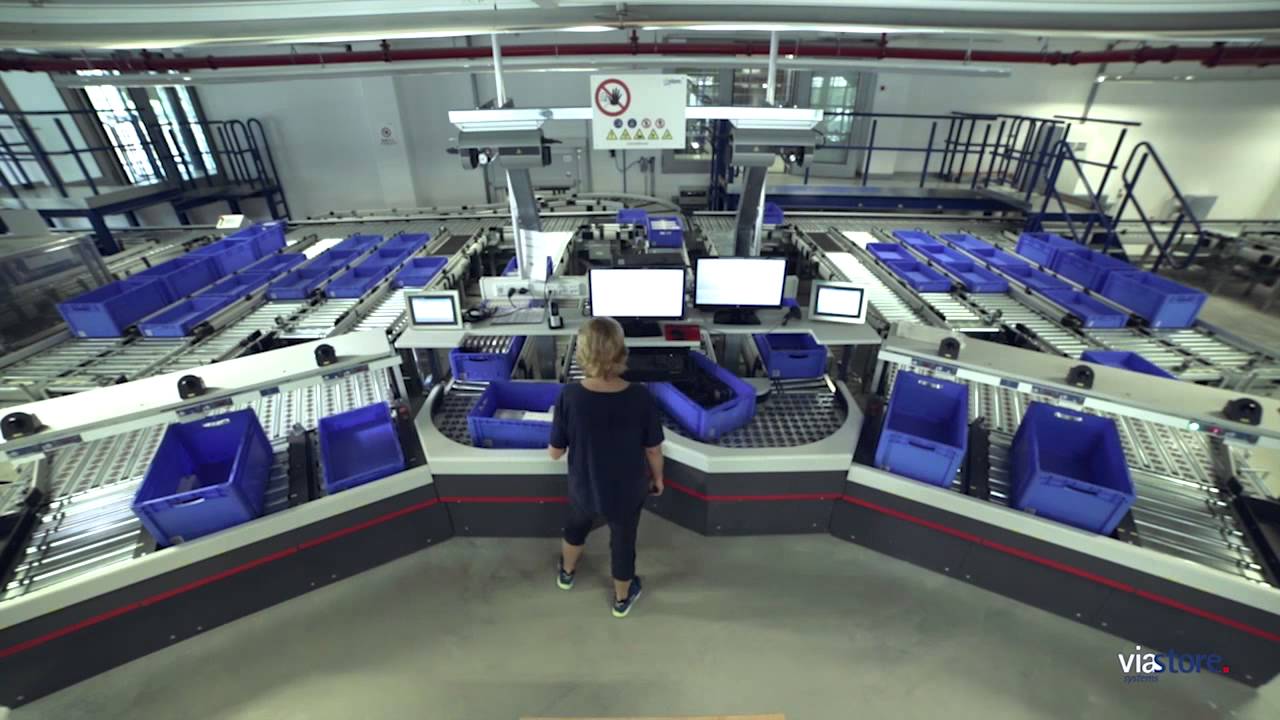
Viastore implemented an automated logistics center for medical technology manufacturer BORT, featuring bulk storage, picking modules, and comprehensive conveyor systems.
Varta Automated High-Bay Warehouse
Varta implemented a new automated high-bay warehouse with SAP EWM to support double-digit sales growth and improve logistics efficiency.
Dongfeng Motor R&D Center Smart Logistics Warehouse
A compact 470㎡ intelligent warehouse with 15-level high-density storage supporting 10,000+ SKUs for automotive R&D supply chain optimization.
Related Knowledge
Storage
Storage is the warehouse process of holding inventory in organized locations until needed, balancing space utilization, accessibility, and inventory control to support efficient operations.
Cold Storage Strategy
Cold storage and temperature-controlled warehousing are critical for preserving perishable goods throughout the supply chain. From frozen foods to pharmaceuticals, these specialized facilities maintain precise temperature conditions while optimizing energy efficiency and operational performance.
Vendor
ViastoreRelated Technologies
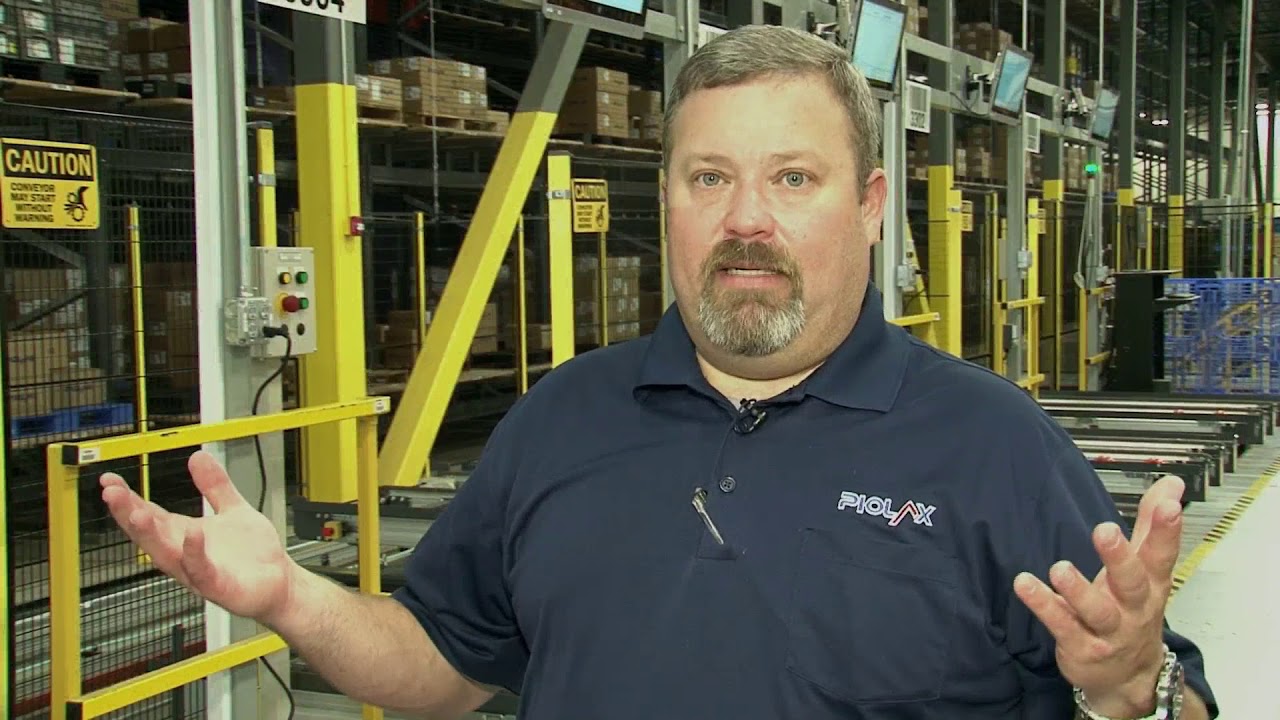
Piolax Canton Georgia Automotive Parts Distribution Center
Daifuku
Meyer Corporation USA Cookware Distribution Center
Daifuku
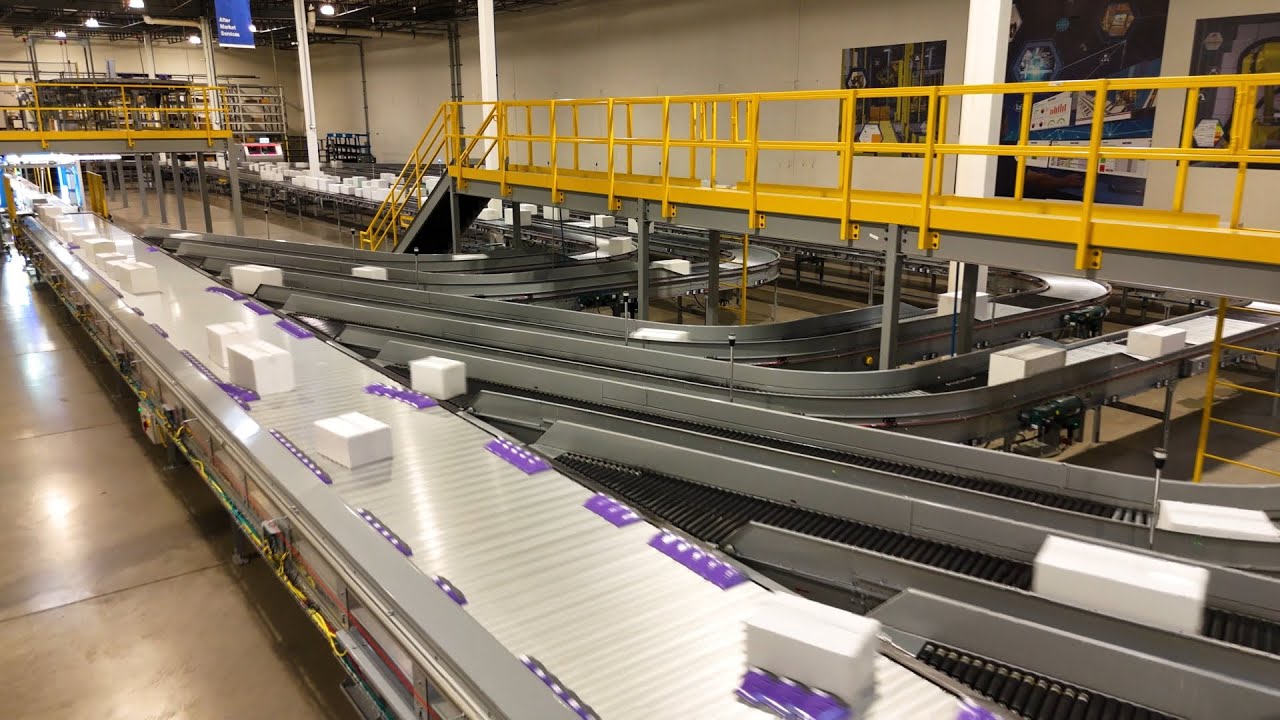
Intralogistics Innovation Center: Integrated Solutions Showcase
Daifuku