Sorting Transfer Vehicle (STV): High-Speed Pallet Transport
Quick Facts
Technology Performance Metrics
⭐Key Features
Benefits
Applications
Detailed Information
Technology Overview
Efficiently moving and sorting products between storage and operational areas is a critical function in warehouses, factories, and distribution centers. Conventional conveyor systems, with their inherent speed limitations and mechanical complexity, can create bottlenecks that hinder modern, high-throughput requirements. Daifuku's Sorting Transfer Vehicle (STV) addresses this challenge as a flexible and reliable automated system designed for high-speed pallet transport and sorting. Engineered to match the speed and reliability of modern Automated Storage and Retrieval Systems (AS/RS), the STV significantly outperforms traditional conveyor-based transport, making it a key component in optimizing material flow in demanding logistics environments.
How It Works
Core Principles
The STV system operates on the principle of using autonomous, rail-guided vehicles to transport pallets at high speeds along a dedicated track. It is designed to efficiently sort and route pallets to various destinations, such as different conveyor spurs, picking stations, or storage aisles, based on instructions from a central control system.
Key Features & Capabilities
High-Speed Performance: The STV's most prominent feature is its speed, operating more than five times faster than a typical pallet conveyor. This dramatic increase in velocity directly translates to a much higher system throughput, moving nearly double the number of pallets in the same timeframe as a conveyor loop.
Configurable Layouts: The system offers great flexibility in layout. It can be deployed as a simple shuttle between two points or scaled up to a closed-loop line with multiple vehicles serving numerous stations. The track can be extended or even configured into L-shapes to adapt to facility constraints, offering easier expandability than fixed conveyor lines.
Redundancy and Reliability: Multiple STVs can operate on the same track, providing both increased capacity and system redundancy. If one vehicle requires maintenance, it can be moved to a siding, allowing the other(s) to continue operations with minimal disruption. This design, coupled with fewer mechanical parts than a conveyor, enhances overall system uptime and reliability.
Advantages & Benefits
Superior Throughput and Efficiency: By eliminating the slow, sequential movement and wait times associated with conveyor angle transfers and lifts, the STV system achieves a much higher flow rate. This is essential for meeting the demands of fast-paced shipping and manufacturing operations.
Reduced Maintenance and Operational Costs: With significantly fewer moving parts (motors, sensors, rollers) than an equivalent conveyor loop, the STV system is easier to maintain and requires a smaller inventory of spare parts. This leads to lower long-term running costs and reduced risk of widespread system failure from a single point of breakdown.
Enhanced Flexibility and Future-Proofing: The system's modular and expandable nature allows for relatively straightforward modifications or expansions to accommodate business growth or layout changes, a task that is often costly and disruptive with fixed conveyor infrastructure.
Implementation Considerations
Implementing an STV system requires the installation of a fixed guide rail infrastructure, which involves upfront planning and capital investment. The system's performance is highly dependent on the sophistication and reliability of the central control software for task orchestration and collision avoidance. Integration with existing AS/RS and warehouse management systems is a critical phase of the project.
Use Cases & Applications
Ideal For
The STV is ideal for large-scale distribution centers, manufacturing plants, and cold storage facilities where high-volume, high-speed pallet movement and sorting are critical to operational success. It is particularly beneficial in environments where conveyor bottlenecks limit overall throughput.
Performance Metrics
- Speed: Operates over five times faster than typical pallet conveyor.
- Throughput: Can move nearly double the number of pallets compared to a conveyor loop over the same period.
- Payload Capacity: Can carry loads weighing up to 2,000 kilograms.
- Recovery Time: In case of a vehicle issue, recovery may take less than 10 minutes without halting the entire system.
Conclusion
Daifuku's Sorting Transfer Vehicle represents a significant advancement in automated pallet transport technology. By replacing slow, complex conveyor loops with fast, intelligent, and redundant vehicles on a track, it effectively eliminates traditional bottlenecks. The STV delivers substantial gains in throughput, reliability, and operational flexibility, making it a powerful solution for modern warehouses and factories that need to move large volumes of palletized goods quickly and efficiently. Its compatibility with AS/RS and adaptability to various layouts, including challenging cold storage environments, solidify its role as a key enabler for high-performance intralogistics.
Related Projects
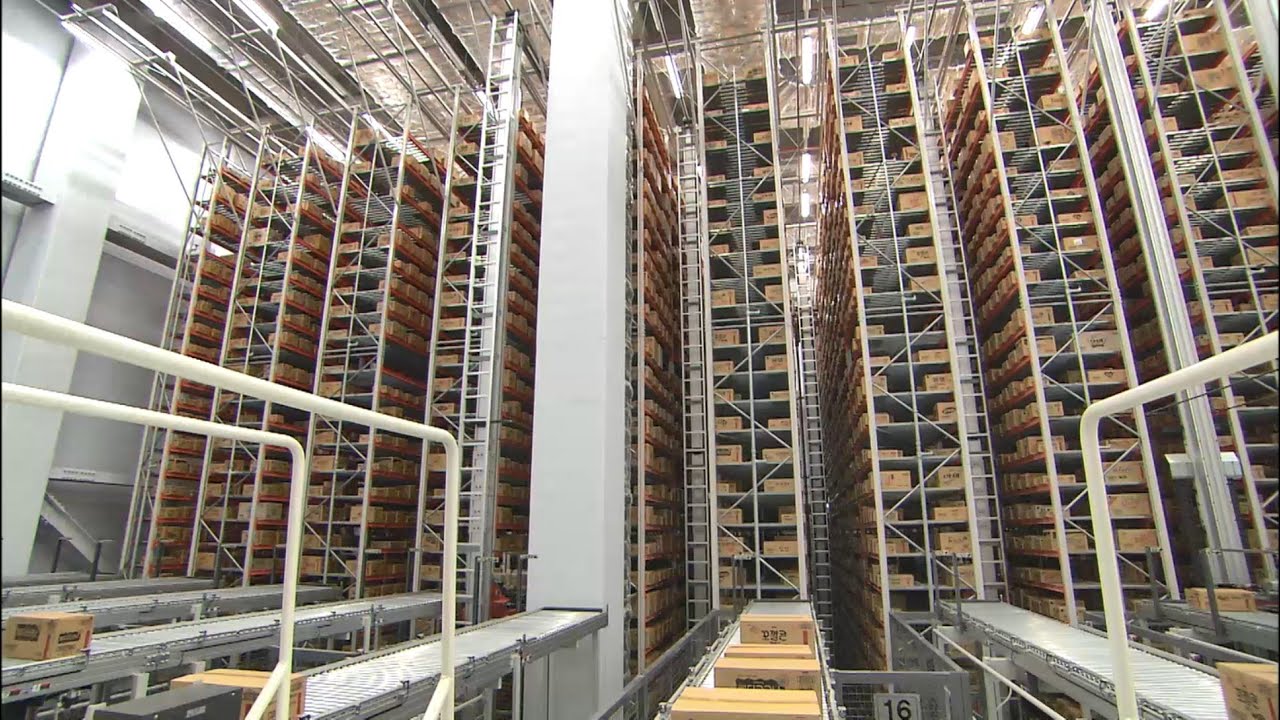
Lotte Korea Confectionery Centralized Distribution Center
A leading Korean confectionery producer consolidated its logistics by building a massive automated DC next to its factory, featuring ambient & freezer AS/RS and a Mini Load system to handle 25,000 cases daily.
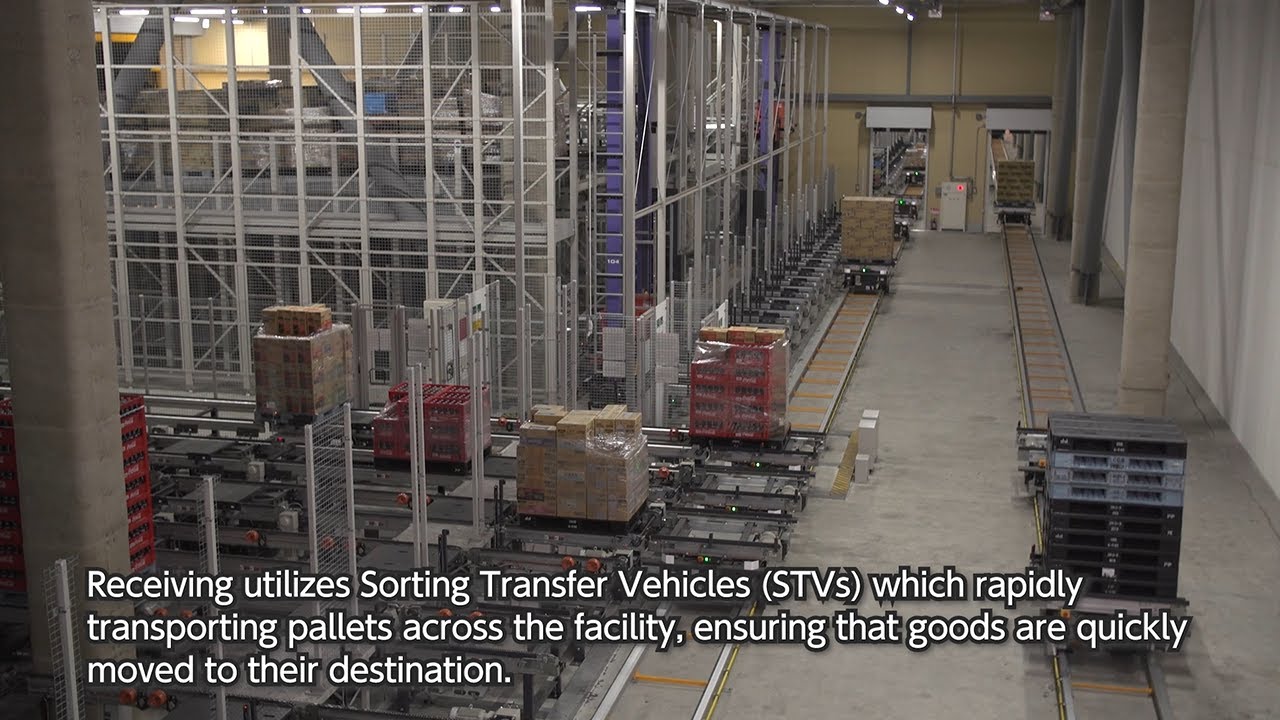
Coca-Cola Bottlers Japan Akashi Mega Distribution Center
Part of the Shinsei Project, this mega DC uses a Unit Load AS/RS, Shuttle Rack, palletizing robots, and RORO stations to handle 80 million beverage cases annually, ensuring stable supply for Osaka and Hyogo.
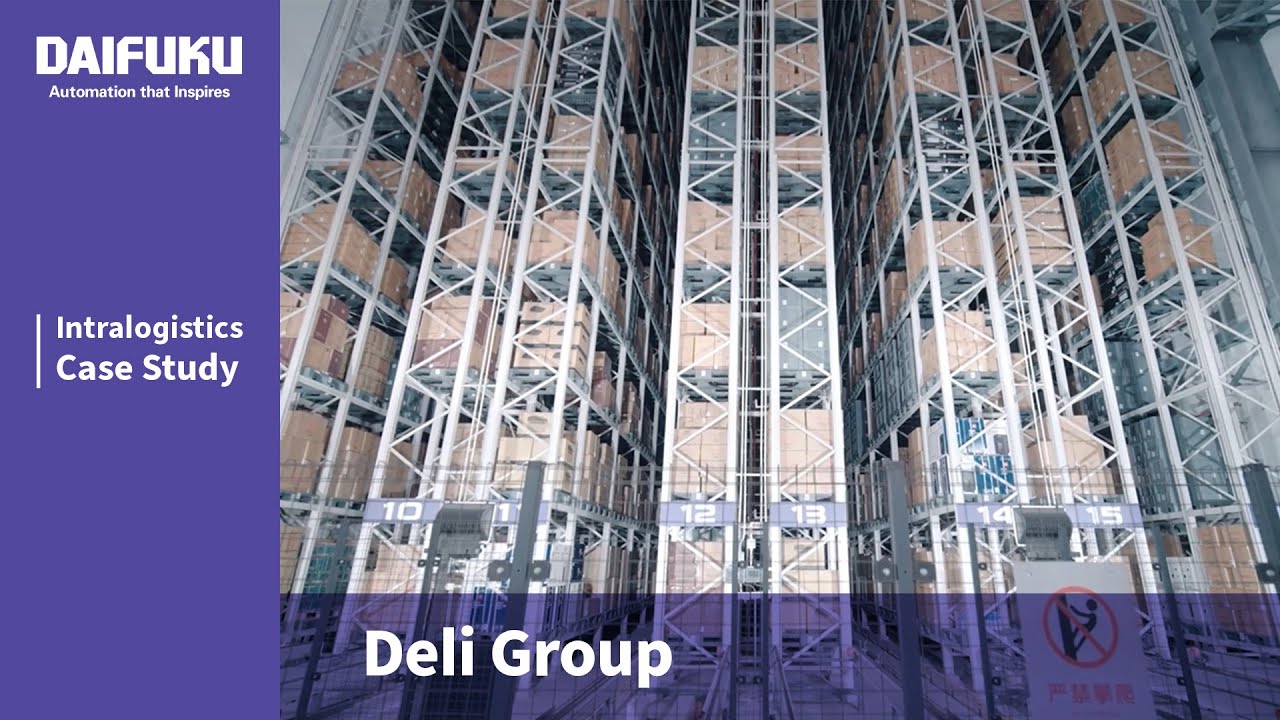
Deli Group Ninghai Intelligent Logistics Center
China's leading office supplies manufacturer built a 110,000 sq m intelligent logistics center with a multi-system AS/RS complex, AMRs, and picking robots to process 200,000 cases daily and store 130,000 pallets.
Related Knowledge
Storage
Storage is the warehouse process of holding inventory in organized locations until needed, balancing space utilization, accessibility, and inventory control to support efficient operations.
Transport
Transport is the warehouse process of moving materials, products, and equipment between locations within the facility to support receiving, storage, picking, and shipping operations.
Cold Storage Strategy
Cold storage and temperature-controlled warehousing are critical for preserving perishable goods throughout the supply chain. From frozen foods to pharmaceuticals, these specialized facilities maintain precise temperature conditions while optimizing energy efficiency and operational performance.
Vendor
DaifukuRelated Technologies
Piolax Canton Georgia Automotive Parts Distribution Center
Daifuku
Meyer Corporation USA Cookware Distribution Center
Daifuku
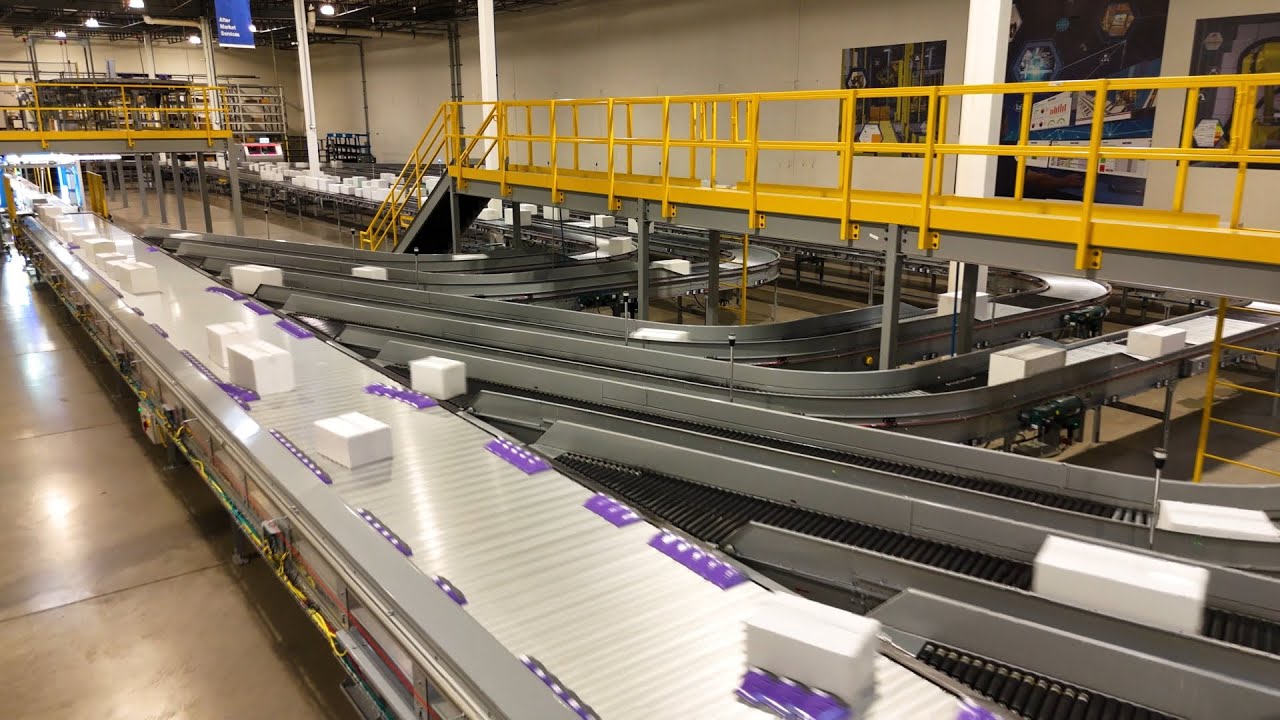
Intralogistics Innovation Center: Integrated Solutions Showcase
Daifuku