Unit Load ASRS Crane: High-Density Pallet Storage Solution
Quick Facts
Technology Performance Metrics
⭐Key Features
Benefits
Applications
Detailed Information
Technology Overview
The Bastian Solutions Unit Load ASRS Crane represents a modern evolution of a proven automated storage and retrieval technology, specifically re-engineered for contemporary warehouse demands. This system is purpose-built to optimize the high-density storage and efficient retrieval of palletized and bulky loads in distribution centers, manufacturing facilities, and warehouses. Standing up to 60 feet tall, it is a heavy-duty solution engineered, validated, and manufactured in the United States, aiming to reduce lead times for delivery and installation. Its core function is to automate the handling of unit loads, significantly increasing storage capacity and operational throughput while maintaining high levels of accuracy and safety.
How It Works
Core Principles
The crane operates on the principle of an automated, rail-guided storage and retrieval machine (S/RM) that moves within a high-bay racking aisle. It travels horizontally and vertically to precisely store and retrieve full pallet loads from designated rack locations without manual forklift operation.
Key Features & Capabilities
High-Speed Heavy Load Handling is a defining feature. With three asynchronous motors, the crane can move 4,400-pound loads at speeds of 656 feet per minute horizontally and 164 feet per minute vertically, enabling high throughput in tall storage systems.
Environmental and Application Versatility allows the crane to operate effectively not only in standard warehouses but also in chilled and freezer environments. Combined with multiple fork options (telescoping, platen, custom), it can handle a vast array of product types, from standard pallets to awkward, bulky loads.
Engineered Safety and Stability is built into the design. The dual-steel-upright mast eliminates cantilevered loads for greater stability. Integrated safety features like a maintenance ladder with fall arrest, redundant sensors on all axes, and dedicated maintenance posts prioritize worker safety and product protection.
Advantages & Benefits
The primary advantage is a dramatic increase in storage density and cubic space utilization. By operating in aisles up to 60 feet tall, it allows warehouses to store significantly more inventory within the same building footprint compared to conventional racking.
It delivers substantial gains in productivity and accuracy. Automation removes human error and fatigue from the storage/retrieval process, enabling faster, more precise movements 24/7, which accelerates order fulfillment and improves inventory accuracy.
The domestic engineering and manufacturing (U.S.-based) streamline the supply chain, leading to faster delivery, installation, and commissioning times, allowing operations to realize the benefits of automation more quickly.
Implementation Considerations
Implementing this system requires a facility with adequate ceiling height (up to 60 ft plus clearance) and a robust structural foundation to support the high-bay racking and dynamic loads of the moving crane.
The need for custom forks or system modifications for unique products means the initial design phase is critical and requires detailed consultation with application engineers to ensure the solution fits the specific load handling requirements.
While offering faster delivery, the total project scope for a high-bay ASRS involves significant construction, electrical, and systems integration work, representing a major capital investment that necessitates thorough ROI analysis.
Use Cases & Applications
Ideal For
This crane is ideal for manufacturing plants, large distribution centers, and wholesale B2B operations that handle heavy palletized goods such as automotive parts, industrial materials, packaged food & beverage, and consumer goods, and are constrained by floor space but have vertical space available.
Performance Metrics
Key performance metrics include a maximum load capacity of 4,400 pounds, operating speeds of 656 feet per minute (horizontal) and 164 feet per minute (vertical), and operation in warehouse heights up to 60 feet. These directly contribute to increased storage capacity and productivity.
Conclusion
The Bastian Solutions Unit Load ASRS Crane is a powerful, versatile, and safe solution for automating the handling of heavy palletized loads. It is a particularly compelling investment for operations looking to maximize their existing warehouse cube, improve throughput, and reduce labor dependency in demanding storage tasks. Its design, rooted in proven technology but updated for modern efficiency and safety standards, offers a reliable path to automation. Success requires careful assessment of facility constraints, a clear understanding of load characteristics, and partnership with experienced integrators to ensure the system is tailored for optimal long-term performance.
Related Projects
Bastian Solutions Corporate Profile: Toyota Advanced Logistics
Bastian Solutions, a Toyota Advanced Logistics company since 2017, leverages Toyota Production System principles like Jidoka to deliver intelligent automation and supply chain integration.
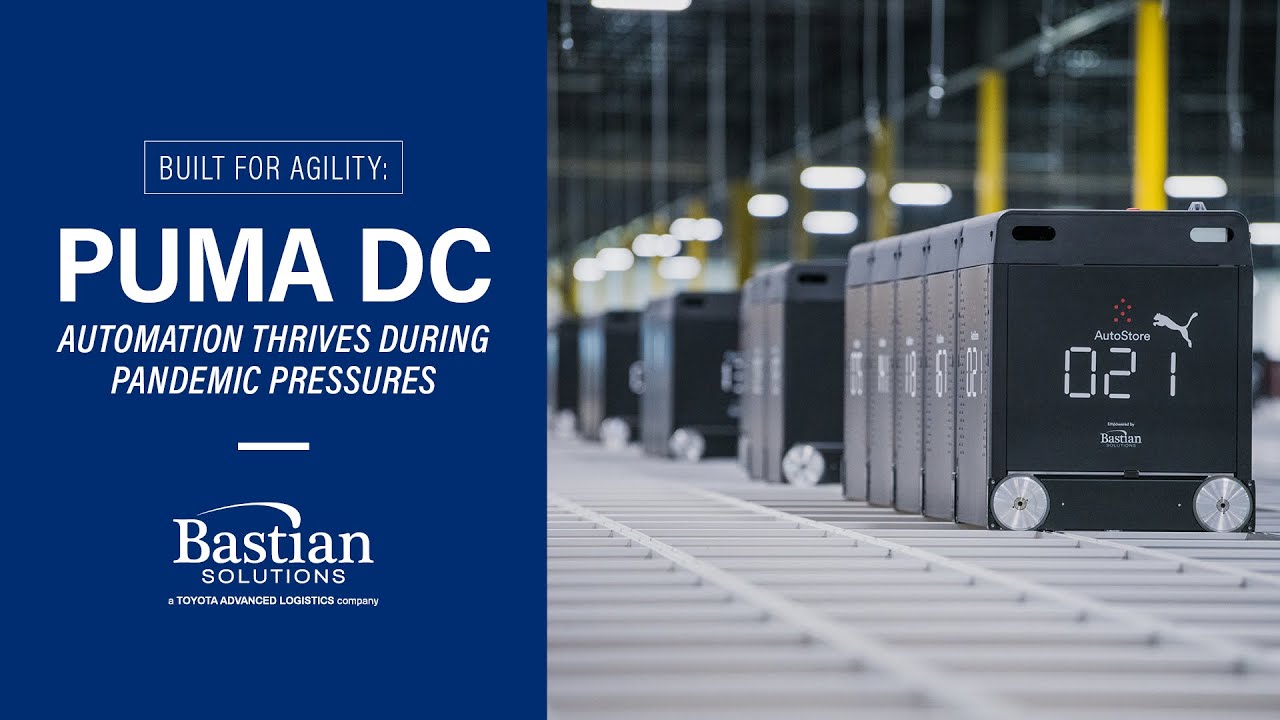
PUMA Indianapolis Pandemic-Resilient Distribution Center
PUMA's Indianapolis DC, opened on-time in June 2020 amidst the pandemic, provided critical capacity to handle surging e-commerce demand, acting as a 'beacon of hope' for future growth.
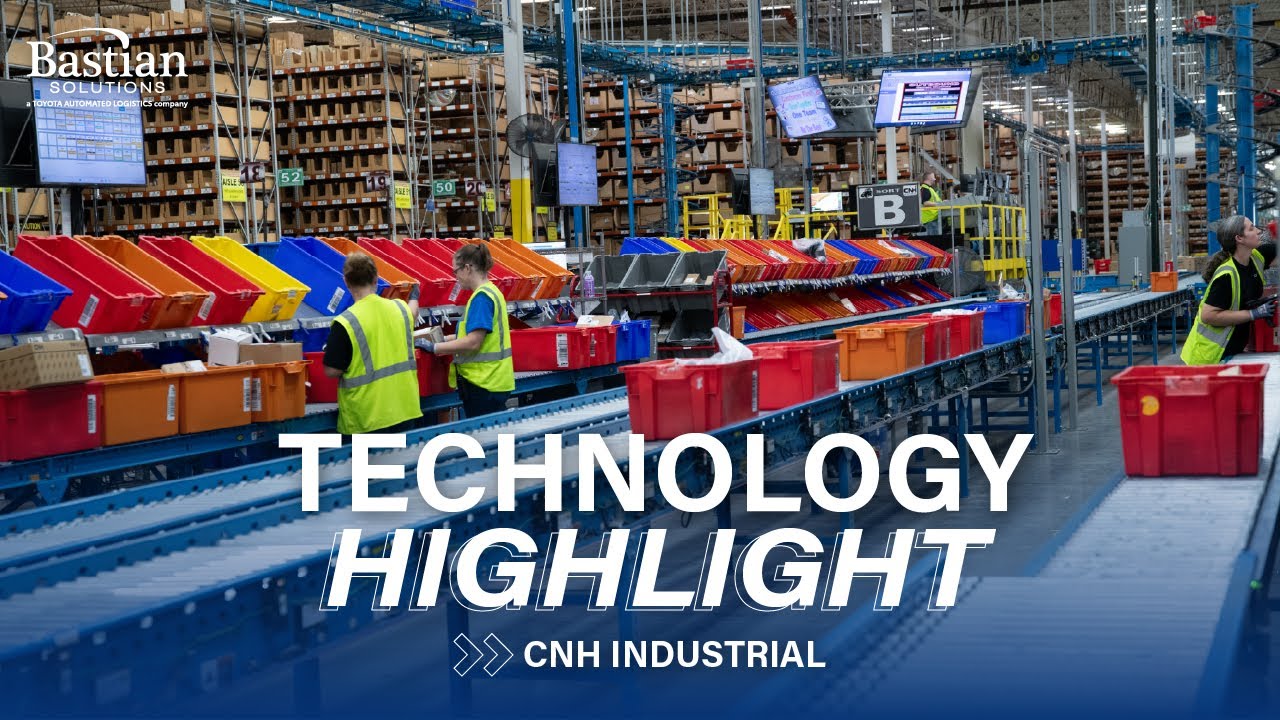
CNH Industrial Indianapolis Distribution Center
CNH Industrial partnered with Bastian Solutions to integrate AutoStore, conveyors, sortation cells, and WCS, optimizing their facility for same-day shipping and 24-48 hour fulfillment.
Related Knowledge
Storage
Storage is the warehouse process of holding inventory in organized locations until needed, balancing space utilization, accessibility, and inventory control to support efficient operations.
Cold Storage Strategy
Cold storage and temperature-controlled warehousing are critical for preserving perishable goods throughout the supply chain. From frozen foods to pharmaceuticals, these specialized facilities maintain precise temperature conditions while optimizing energy efficiency and operational performance.
Vendor
Bastian SolutionsRelated Technologies
Piolax Canton Georgia Automotive Parts Distribution Center
Daifuku
Meyer Corporation USA Cookware Distribution Center
Daifuku
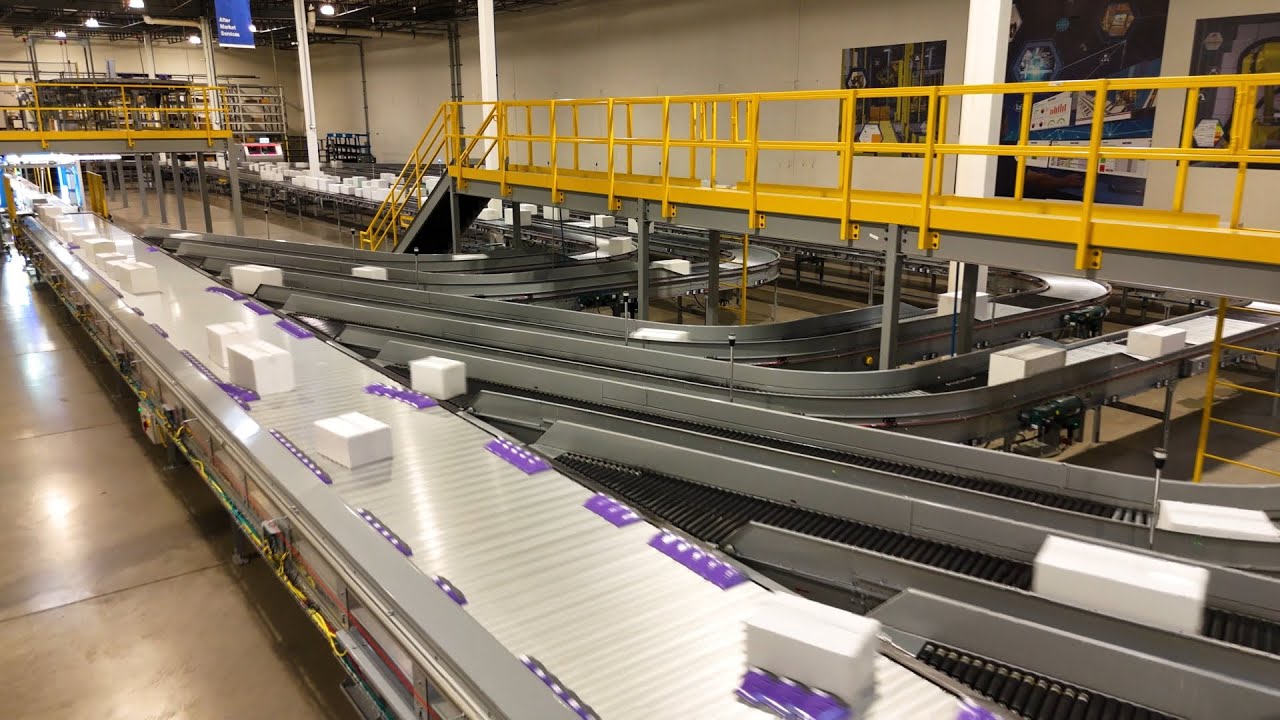
Intralogistics Innovation Center: Integrated Solutions Showcase
Daifuku