Kesko Helsinki Micro-Fulfillment Center (MFC)
⭐Key Features
- •Finland's first and one of Europe's pioneering grocery micro-fulfillment centers (MFC)
- •Integrated chilled AutoStore system operating at -5°C temperature zone
- •Triple-port decant stations ensuring continuous workflow without operator wait time
- •System designed around structural constraints (supporting pillars) of an underground mall location
- •Serves both high-volume consumer orders and business customer orders up to 10x larger
- •Part of a multi-level site connected via elevator to the physical store above
Results & Benefits
- Doubled daily order volumes compared to previous manual operations
- Achieved shortest order-to-delivery/pickup lead time of 6 hours
- Increased picking efficiency and freed up in-store space for customers (reduced pickers from 30-50 to max 10)
- Improved produce quality by reducing handling of fruits and vegetables
- Provided more varied and less repetitive job roles for employees
Challenges & Solutions
Skyrocketing online grocery volumes post-COVID-19 led to a critical capacity shortage in manual stores.
Implemented the high-density, automated AutoStore MFC to significantly increase capacity and handle growing demand.
Needing an automation solution flexible enough to fit a unique, constrained underground site with supporting pillars beneath a shopping mall.
Selected the AutoStore system for its flexibility and scalability, allowing the design to work around the fixed pillars and irregular space.
Ensuring a smooth transition and system integration with a large Warehouse Management System (WMS) and managing the ramp-up of high order volumes.
Allocated extensive time for testing and integration. Executed a gradual, incremental ramp-up plan to scale operations from zero to full capacity without overwhelming the new system.
Project Overview
Project Overview
Kesko, Finland's largest trading sector operator, pioneered the country's first grocery micro-fulfillment center (MFC) to address the explosive growth in online demand, particularly after COVID-19. The project aimed to solve critical capacity constraints, improve the profitability of e-commerce operations, and enhance the customer shopping experience by enabling faster, more reliable grocery delivery and pickup.
The facility is uniquely situated in the underground levels of the Itis shopping mall in Helsinki. The automated fulfillment center is located at the -5 level, while the associated K-Market store is on the -2 level, connected by an elevator. This urban, multi-level setup presented distinct spatial challenges. The solution needed to be highly dense, flexible to fit around structural pillars, and capable of handling a full range of grocery products, including chilled goods.
Kesko selected Dematic as the system integrator based on their proven experience with MFC projects, understanding of the grocery e-commerce business, and ability to deliver a turnkey solution.
Technical Solution
Chilled AutoStore Cubic Storage System
The heart of the MFC is a Dematic AutoStore system specifically configured for a chilled environment. Operating at -5°C, this cubic storage grid provides high-density storage for fast-moving grocery items. Its flexible layout was crucial for fitting into the irregular, pillar-filled underground space. The system's robots retrieve bins and deliver them to designated workstations.
Dark Warehouse: Fully Automated Warehouse Operations
Vendor: Addverb
Key Features
A defining feature is the chilled AutoStore, a specialized implementation for grocery. The triple-port workstation design is a unique efficiency driver, providing a continuous flow of work for operators. The entire system was designed with exceptional flexibility to conform to the challenging physical constraints of its underground mall location.
The MFC seamlessly serves a dual customer base: individual consumers and business clients, with the latter's orders potentially being ten times larger. It is fully integrated into Kesko's omnichannel ecosystem, supporting both click-and-collect and home delivery services from a dense urban location.
Results & Benefits
The automation doubled the site's daily order processing capacity, effectively eliminating the risk of running out of volume headroom. It enabled a market-leading 6-hour order-to-delivery or pickup lead time, meeting modern customer expectations for speed.
In-store customer experience improved significantly; the number of pickers in the store area was reduced from 30-50 to a maximum of 10, freeing up space and reducing congestion for shoppers. Product quality, especially for fresh fruits and vegetables, increased as automated handling minimized unnecessary contact. Employee satisfaction also improved due to more varied job roles and the ease of learning the AutoStore picking process.
Challenges & Solutions
The primary challenge was a post-pandemic capacity crisis. The AutoStore MFC provided the necessary high-density, automated throughput to overcome this bottleneck and scale operations efficiently.
The unconventional underground site with supporting pillars required a uniquely adaptable automation solution. AutoStore's modular and flexible grid design was selected because it could be configured to work within these fixed spatial constraints, which rigid systems could not.
Managing the complexity of integrating a new automation system with the existing large-scale WMS and safely ramping up operations was a major undertaking. The project team allocated substantial time for thorough testing and adopted a careful, incremental volume ramp-up strategy to ensure a stable and successful go-live.
System Integrator
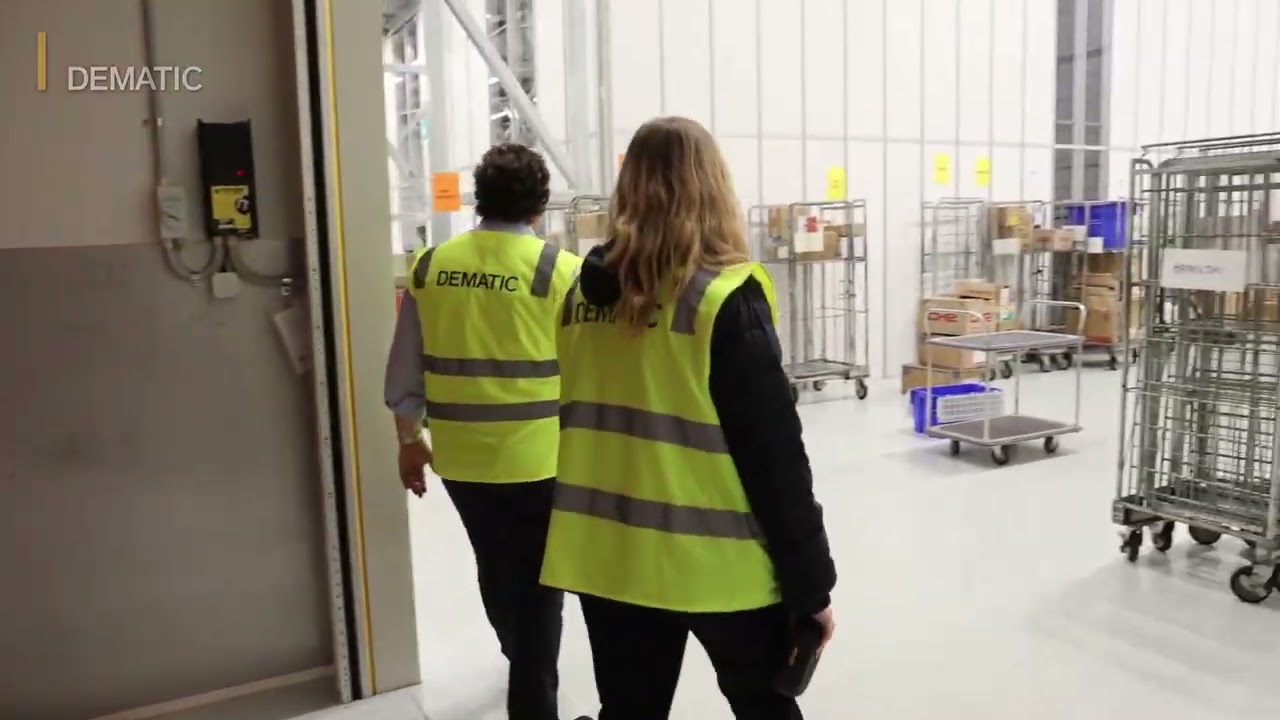
Dematic served as the turnkey system integrator for this pioneering project. Their role spanned the entire lifecycle: initial consultation and data analysis, detailed 3D design to conceptualize the solution for the challenging site, proposal and costing, software design and WMS (Mantiow) integration, installation, testing, and provision of after-service care options. Kesko highlighted Dematic's professional sales team's deep understanding of their business needs as a key factor in their selection and the project's success.
Related Technologies (6)
AutoStore: Robotic Cube Storage ASRS for High-Density Fulfillment
byAutoStore
Dark Warehouse: Fully Automated Warehouse Operations
byAddverb
Momentum WES: Next-Generation Warehouse Execution and Control
byHoneywell Intelligrated
Robotic Piece-Picking for AutoStore: Integrating RightHand Robotics
byElement Logic
RapidPick XT: Goods-to-Robot Piece Picking System
byDematic
Goods-to-Person AMRs: Automated Item Delivery for Order Fulfillment
byDematic
Related Knowledge Articles (2)
Goods-to-Person Systems
Goods-to-Person (G2P) systems revolutionize warehouse operations by bringing inventory directly to stationary picking stations, eliminating worker travel time and maximizing productivity. These automated systems combine storage, retrieval, and presentation technologies to create highly efficient picking environments.
Micro-Fulfillment Strategy
Micro-fulfillment centers (MFCs) represent a revolutionary approach to last-mile delivery, bringing automated warehouses closer to urban customers. These compact, highly automated facilities enable same-day and rapid delivery while reducing operational costs and improving product freshness.
Related Projects
More from Dematic
More from Dematic »System Integrator
Dematic
Power the Future of Commerce