Goods-to-Person AMRs: Automated Item Delivery for Order Fulfillment
Quick Facts
Technology Performance Metrics
⭐Key Features
Benefits
Applications
Detailed Information
Technology Overview
Dematic Goods-to-Person AMRs represent a strategic automation solution within the order fulfillment landscape. This technology applies the "Goods-to-Person" (GTP) principle using a fleet of Autonomous Mobile Robots (AMRs) to bring inventory items directly to human operators. It is designed to address the inefficiencies of traditional "person-to-goods" picking, where workers spend significant time walking to locate items. By automating the retrieval and transport of goods—whether stored in bins, totes, or on shelves—these AMRs allow pickers to remain at ergonomic workstations, focusing solely on the accurate and rapid assembly of customer orders. This approach is central to modern fulfillment centers aiming for speed, accuracy, and labor optimization.
How It Works
Core Principles
The core principle is the reversal of the picking motion: instead of the person moving to the goods, autonomous robots bring the goods to the person. The system is driven by order data from a WMS, which instructs the AMR fleet on which specific storage units (like bins or totes) need to be delivered to which workstation and in what sequence.
Key Features & Capabilities
Autonomous Retrieval and Delivery is the foundational capability. The AMRs use onboard sensors and navigation software to move safely and efficiently through the warehouse, dynamically planning paths around obstacles, people, and other robots to deliver goods on time.
Seamless Integration with Fulfillment Workflows is critical. The system is not a standalone solution but is designed to plug into existing warehouse processes. It receives orders from the WMS and delivers the right goods at the right time to fit into the overall order assembly line, which may include packing and sorting stations downstream.
Scalable Fleet Coordination allows the system to grow with business needs. A central software "orchestrator" manages a fleet of AMRs, optimizing their collective movements to minimize wait times at workstations and maximize overall system throughput, especially during peak periods.
Advantages & Benefits
The most significant benefit is Substantial Gains in Picking Productivity. By eliminating non-value-added walking and searching time, pick rates can often double or triple compared to traditional methods, directly increasing order throughput and capacity.
It leads to Improved Ergonomics and Workforce Management. Workers perform repetitive tasks in a controlled, stationary environment, which can reduce physical strain and injury risk. This often results in lower turnover, easier training, and a more stable workforce.
The system offers Enhanced Order Accuracy. By presenting the exact bin and item to the picker with clear instructions, the potential for mis-picks is greatly reduced. This leads to fewer returns, higher customer satisfaction, and lower costs associated with error correction.
Implementation Considerations
A key consideration is the Total System Integration. The AMRs are one part of the solution. Their effectiveness depends on a well-designed storage layout, efficient workstation design, and, most importantly, deep integration with the WMS for real-time order and inventory data exchange.
Economic Justification and ROI must be carefully calculated. While labor savings are a major driver, the analysis should also account for potential increases in throughput, accuracy gains, space utilization improvements, and the flexibility benefits of a scalable system.
Change Management and Training are vital for success. Introducing a Goods-to-Person system changes the fundamental workflow for picking staff. Effective training and communication are necessary to ensure workers are comfortable and efficient with the new technology and processes.
Conclusion
Dematic's Goods-to-Person AMR system is a powerful automation tool for businesses where order fulfillment speed and accuracy are competitive differentiators. It is particularly well-suited for e-commerce, retail distribution, and any operation with a high volume of small-item, multi-line orders. The technology offers a compelling path to significantly higher productivity and operational efficiency. Successful implementation requires viewing it as an integrated system—combining robotics, software, and process redesign—rather than just a fleet of robots. With proper planning, integration, and workforce adaptation, it can deliver a strong return on investment by transforming the core picking operation.
Related Projects
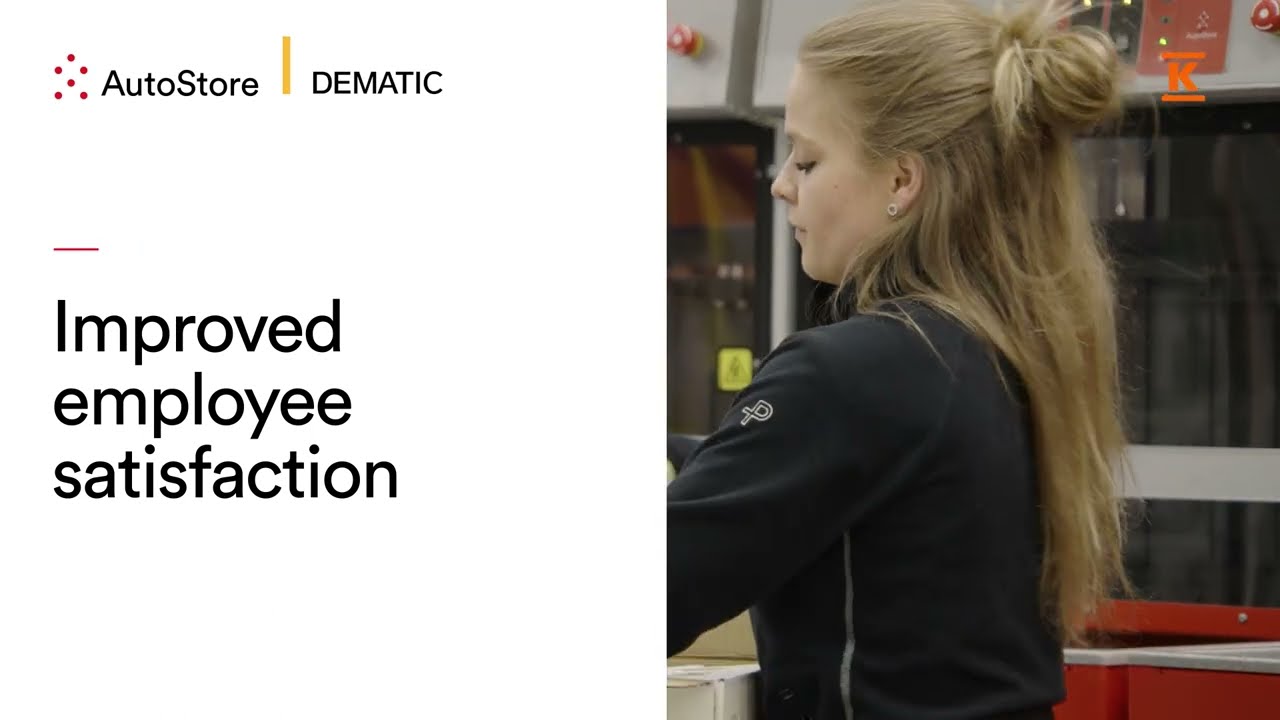
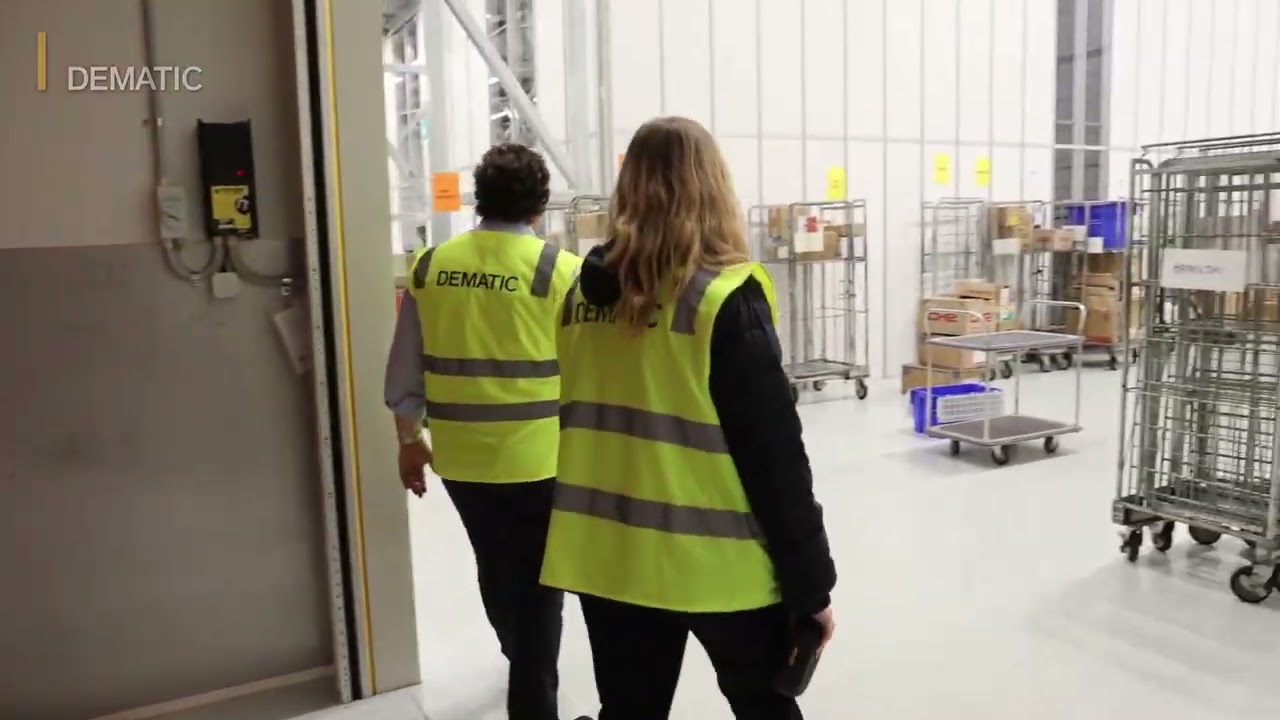
Kesko Helsinki Micro-Fulfillment Center (MFC)
Kesko deployed Finland's first grocery micro-fulfillment center featuring a Dematic AutoStore system in a chilled environment, doubling daily volumes and enabling 6-hour delivery.
South West Healthcare Warrnambool Regional Logistics Distribution Centre
South West Healthcare deployed a Dematic AutoStore system to boost inventory capacity by 500% for its regional medical supply network, storing 6-8 weeks of stock in a reduced footprint.
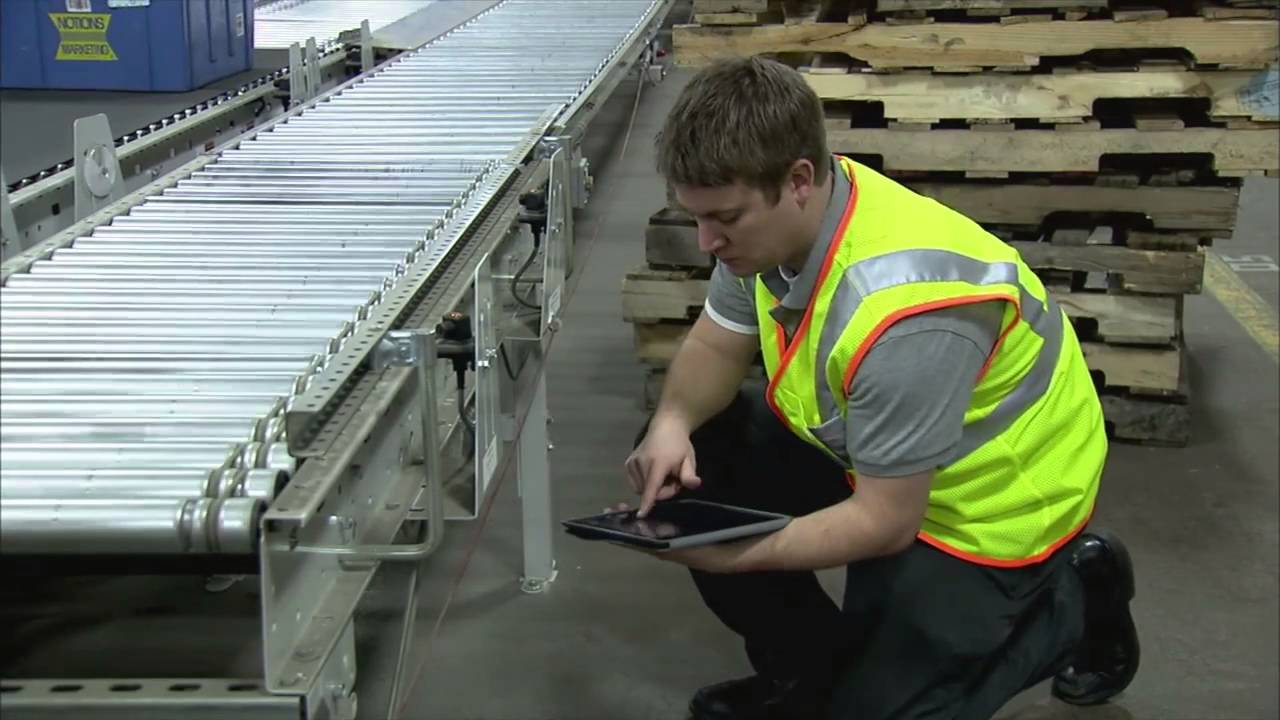
Notions Marketing Distribution Center with Dematic CMMS - Grand Rapids
A 75-year-old distribution company transformed maintenance operations with Dematic CMMS, reducing reactive repairs by 50% while managing extensive conveyor and sorter networks for big-box retail fulfillment.
Related Knowledge
Robotic Case Picking
Advanced robotic case picking systems that combine industrial robotics with intelligent vision systems to automate the handling of full cases and cartons, delivering exceptional speed, precision, and reliability in high-volume distribution operations.
Robotic Piece Picking
Advanced robotic systems that use AI and computer vision to automatically select and pick individual items from diverse inventory, revolutionizing warehouse fulfillment operations with human-like dexterity and intelligence.
Voice Picking Systems
Voice picking systems revolutionize warehouse operations by enabling hands-free, eyes-free order fulfillment through speech recognition technology. Workers receive spoken instructions through wireless headsets and confirm actions verbally, dramatically improving productivity, accuracy, and safety while reducing training time.
Vendor
DematicRelated Technologies
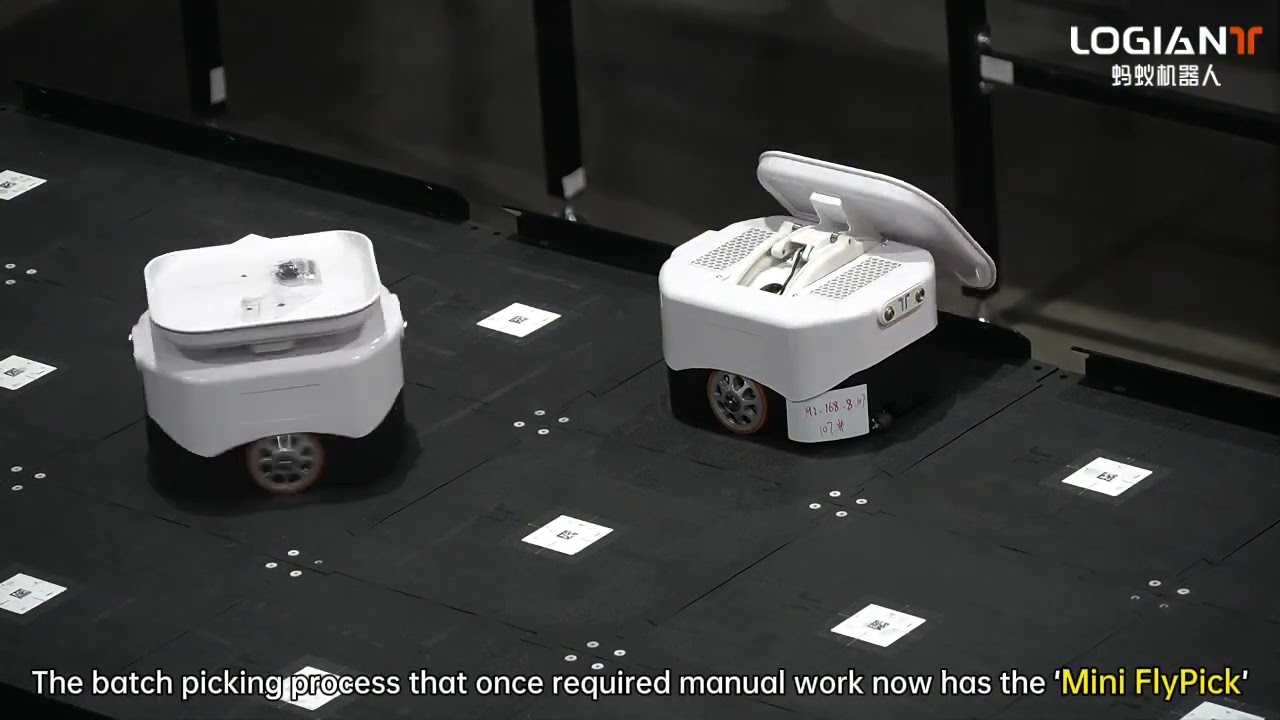
Mini FlyPick Robot: Compact High-Speed Sorting AMR
Others
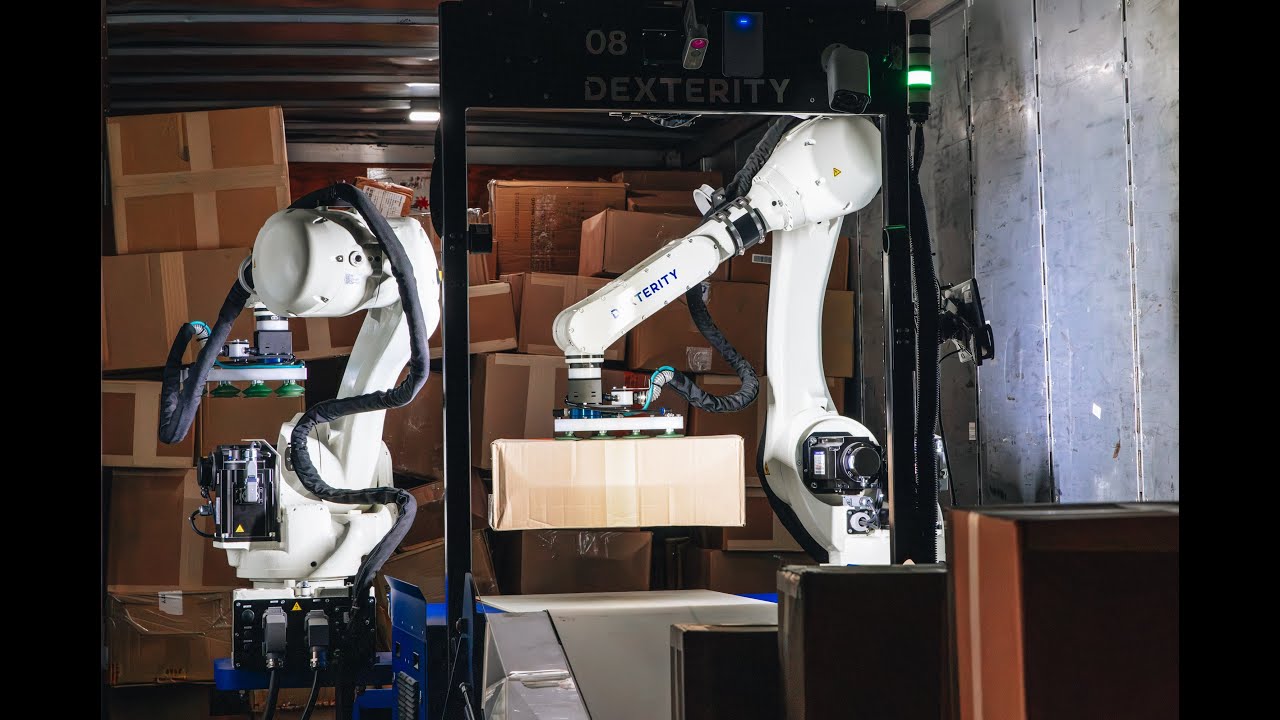
AI-Powered Robotic Truck Loading System
Others

TiltSort-Bot: Autonomous Mobile Robot (AMR) for Sortation
Conveyco