Grocery Distribution
Grocery distribution centers handle multi-temperature operations serving retail stores and e-commerce channels, requiring sophisticated automation to manage diverse products, high volumes, and tight delivery windows across ambient, chilled, and frozen zones.
Grocery Distribution Ecosystem
Operations Profile
- •Multi-temperature zones
- •Store replenishment (daily)
- •Cross-docking operations
- •20K-100K+ SKUs
Key Challenges
- •Short shelf life products
- •Tight delivery windows
- •High product variety
- •Seasonal demand spikes
Storage Technologies
- •Pallet flow racking (FIFO)
- •Push-back racking
- •Selective pallet racking
- •Cold storage chambers
Picking Solutions
- •Voice-directed picking
- •Layer picking systems
- •Case picking automation
- •Batch picking for stores
Transport & Sortation
- •Conveyor systems
- •Sortation by store
- •AGVs for pallet moves
- •Automated loading systems
Software Systems
- •WMS with FEFO logic
- •Route optimization
- •Demand forecasting
- •Store inventory sync
🌐 Industry Overview
Grocery distribution centers are among the most complex warehouse operations, managing three distinct temperature zones (ambient, chilled, frozen) within a single facility while serving multiple channels—traditional store replenishment, growing e-commerce fulfillment, and emerging rapid delivery services. These facilities process thousands of pallets and tens of thousands of cases daily, handling everything from shelf-stable packaged goods to highly perishable fresh produce.
The industry is undergoing dramatic transformation driven by e-commerce growth. Online grocery penetration has accelerated from 3-5% pre-pandemic to 10-15% currently, with continued growth expected. This creates dual operational requirements: efficient case-level picking for store replenishment alongside piece-level picking for individual consumer orders. Many facilities now operate micro-fulfillment centers or dark stores to support rapid delivery in urban markets.
🏭 Warehouse Operations Characteristics
Grocery distribution centers operate 24/7 with receiving, storage, and shipping activities carefully orchestrated across temperature zones. The ambient zone handles dry goods, canned items, and beverages—typically 50-60% of total volume. The chilled zone (0-4°C) processes dairy, deli, prepared foods, and some produce, requiring strict temperature control and rapid throughput to maintain freshness. The frozen zone (-18°C or colder) handles ice cream, frozen meals, and vegetables with specialized cold-rated equipment.
Store replenishment remains the dominant channel, with full pallets or mixed-case pallets built to store-specific planograms and delivery schedules. Orders are typically organized by department (grocery, dairy, frozen, produce) to facilitate efficient store receiving. E-commerce fulfillment operates differently, requiring piece-level picking of individual items into totes or bags, often with 2-4 hour fulfillment windows for same-day delivery. Some operations use separate micro-fulfillment centers with automated storage and robotic picking to handle online orders.
Product diversity creates significant complexity—a typical grocery DC handles 20,000-40,000 SKUs ranging from small spice jars to bulk beverage pallets. Velocity distribution is extreme, with top-selling items turning 50+ times annually while slow movers may sit for weeks. Seasonal patterns (holidays, summer grilling, back-to-school) create predictable volume spikes, while promotional events drive unpredictable surges in specific products.
⚠️ Key Challenges
Multi-temperature operations create significant complexity and cost. Each temperature zone requires separate infrastructure, specialized equipment, and careful workflow design to minimize temperature transitions. Workers moving between zones need time to acclimate, reducing productivity. Energy costs for refrigeration are substantial—frozen storage alone can consume 30-40% of facility operating expenses. Maintaining temperature integrity during receiving, storage, picking, and loading is critical for food safety and quality.
E-commerce fulfillment economics remain challenging. Piece-level picking is 3-5x more labor-intensive than case picking for stores. Customers expect same-day or next-day delivery, requiring rapid fulfillment and expensive last-mile delivery. Substitution management when items are out of stock requires real-time communication with customers. Fresh and frozen items have limited delivery windows, complicating route optimization. Many grocers struggle to achieve profitability on online orders despite growing demand.
Labor challenges are acute in grocery distribution. Cold environment work (especially frozen zones) is physically demanding and difficult to staff. High turnover rates increase training costs and reduce productivity. Peak periods (holidays, weekends) require significant temporary labor that must be trained quickly. Food safety requirements demand careful attention to hygiene and handling procedures. Thin profit margins (1-3% typical for grocery retail) leave little room for operational inefficiency.
🤖 Suitable Technologies
Storage Solutions: Pallet AS/RS systems provide high-density storage across all temperature zones, maximizing cubic utilization to reduce energy costs per pallet. Shuttle systems offer deep-lane storage for high-volume SKUs with excellent throughput. Flow racking enables automatic FIFO rotation for perishables. Mobile racking maximizes frozen storage capacity in existing buildings. For e-commerce, goods-to-person systems like AutoStore or shuttle-based solutions enable efficient piece-picking in controlled temperature environments.
Transport Systems: AGVs and AMRs transport pallets between temperature zones and from storage to picking areas, reducing manual forklift traffic and improving safety. Conveyor networks with accumulation provide automated flow between receiving, storage, picking, and shipping. Spiral conveyors enable vertical transport with minimal footprint while maintaining temperature control. High-speed sortation systems route cases to specific stores or delivery routes.
Picking Technologies: Layer picking robots automate pallet building for store orders, selecting full layers from source pallets and building mixed-SKU pallets to store specifications. Voice picking systems guide workers through case selection in ambient and chilled zones, keeping hands free for product handling. For e-commerce, goods-to-person systems bring products to ergonomic picking stations where workers select individual items into totes. Robotic piece-picking using AI vision is emerging for certain product categories.
Software Systems: Advanced WMS with multi-temperature inventory management, FIFO/FEFO logic for perishables, and sophisticated slotting optimization. Transportation management systems (TMS) optimize delivery routes considering multiple stops, time windows, and vehicle capacity. Order management systems (OMS) orchestrate omnichannel fulfillment, allocating inventory between stores and e-commerce. Demand forecasting and inventory planning tools predict needs across thousands of SKUs with seasonal and promotional patterns.
🎯 Technology Selection Criteria
Multi-temperature capability is essential—automation must function reliably across ambient, chilled, and frozen environments. Cold-rated components, moisture-resistant electronics, and appropriate lubrication are required for refrigerated zones. Energy efficiency should be a primary consideration given high refrigeration costs—automation that increases storage density or reduces door openings provides ongoing operational savings beyond labor reduction.
Flexibility to handle both store replenishment and e-commerce fulfillment is increasingly important. Systems should support case-level picking for stores and piece-level picking for online orders, ideally from shared inventory. Scalability must accommodate e-commerce growth without disrupting store operations. Consider modular approaches that allow phased expansion of e-commerce capacity.
Food safety compliance is non-negotiable. Systems must support lot tracking for recalls, maintain temperature integrity, and facilitate sanitation procedures. Integration with food safety management systems (HACCP, FSMA compliance) is essential. Automation should enhance rather than complicate traceability and quality control.
💡 Implementation Considerations
Start with the highest-volume, most labor-intensive operations—typically case picking for store replenishment in the ambient zone. This provides clear ROI and allows learning before tackling more complex refrigerated zones or e-commerce operations. Implement robust slotting optimization and wave planning software before adding physical automation—software improvements often deliver significant benefits with lower investment.
Plan for e-commerce growth from day one, even if current volumes are small. Reserve space for future micro-fulfillment capabilities or goods-to-person systems. Consider separate processing areas for e-commerce to avoid conflicts with store replenishment operations. Test thoroughly with actual products across all temperature zones—performance in ambient conditions may not translate to frozen environments.
Energy efficiency should be designed in from the start. Maximize storage density to reduce refrigeration costs per pallet. Minimize door openings and temperature transitions. Use LED lighting and variable-speed drives throughout. Monitor energy consumption in real-time and optimize continuously. Consider heat recovery from refrigeration systems to offset heating costs in other areas.
Change management is critical given the complexity of multi-temperature, omnichannel operations. Store replenishment teams must adapt to sharing resources with e-commerce. Workers need training for food safety, temperature zone protocols, and new automation systems. Plan for 12-18 months from project start to full operation for significant automation projects—longer than ambient-only facilities due to refrigeration complexity and food safety requirements.
Related Technologies (6)
Mini FlyPick Robot: Compact High-Speed Sorting AMR
byOthers
Smart Sequencing for Mixed Palletizing: Vertical Buffer Solutions
byKardex
AMCAP: Automated Mixed Case Palletizing System
byDematic
MXRP (Mixed Row Palletizer): Integrated Mixed Case Palletizing
byOthers
Robotic Layer Mixed Palletizer: High-Throughput Mixed Case Palletizing
byOthers
RackBot™ Tote ASRS: Flexible Goods-to-Person Automation
byOthers
Related Topics
Food & Beverage Warehousing
Food and beverage warehousing requires specialized automation that addresses unique challenges including temperature control, food safety compliance, and rapid order fulfillment for both retail and foodservice channels.
Fresh Food Distribution
Fresh food distribution handles highly perishable products including produce, dairy, meat, and bakery items, requiring precise temperature control, rapid throughput, and sophisticated shelf life management to maintain quality and minimize waste.
Frozen Storage & Distribution
Frozen storage facilities operate at -18°C to -25°C, requiring specialized cold-rated automation, energy-efficient design, and careful worker safety protocols while handling ice cream, frozen meals, vegetables, meat, and seafood with long shelf lives.
Food & Beverage Segment Comparison
Understanding the differences between food and beverage segments helps in selecting the right cold chain technologies and temperature-controlled automation strategies for your specific operation.
| Aspect | Food & Beverage | Grocery Distribution | Fresh Food | Frozen Storage |
|---|---|---|---|---|
| Product Type | Diverse: Ambient, chilled, frozen | Multi-temperature: Produce, dairy, frozen | Perishables: Produce, meat, dairy, bakery | Deep-freeze products: -18°C to -25°C |
| Temperature Zones | 3 zones: Ambient, chilled (0-4°C), frozen (-18°C) | 3+ zones with produce climate control | Chilled (0-4°C) + ripening rooms | Single zone: -18°C to -25°C |
| Shelf Life | Varies: Days to years | Mixed: 1 day to 6 months | Ultra-short: Hours to 7 days | Long: 6-24 months |
| Inventory Rotation | FIFO/FEFO by zone | Strict FEFO for perishables | Critical FEFO, quality checks | FIFO, less time-critical |
| Order Profile | Store replenishment + e-commerce | Store orders + online grocery | Small orders, rapid fulfillment | Full pallets + case picking |
| Throughput | High volume, mixed handling | Very high: 1000s pallets/day | Medium-high with quality focus | High pallet throughput |
| Return Rate | 5-15% (varies by category) | 10-20% (higher for online) | 15-25% (quality issues) | 2-5% (lowest) |
| Storage Density | Multi-level, zone-specific | High-density AS/RS + flow racking | Flow racking, mobile racking | Maximum density AS/RS |
| Picking Method | Case + piece picking by zone | Layer picking + piece picking | Gentle manual + automated | Pallet + case (minimize exposure) |
| Automation Level | Medium-High (40-60%) | High (50-70%) | Medium (30-50%) | Very High (60-80%) |
| Key Technologies | Multi-temp AS/RS, WMS, cold chain monitoring | AutoStore, shuttle systems, micro-fulfillment | Flow racking, vision AI, quality systems | Pallet AS/RS, AGV, layer picking |
| Energy Consumption | High (30-40% of costs) | Very high (multiple zones) | Medium-high (chilled only) | Highest (40-50% of costs) |
| Labor Conditions | Mixed: Ambient + cold work | Challenging (multi-temp) | Moderate (chilled) | Extreme (15-20 min shifts) |
| Food Safety | HACCP, FSMA compliance | Strict traceability, sanitation | Critical quality control | Temperature monitoring |
| Primary Challenge | Multi-temp complexity | E-commerce + store balance | Waste minimization | Energy efficiency |
| Investment Priority | Cold chain automation, WMS | Micro-fulfillment, G2P systems | Quality systems, FEFO automation | High-density AS/RS, energy optimization |
Food & Beverage
Grocery Distribution
Fresh Food
Frozen Storage
Key Insights
Food & Beverage operations require sophisticated multi-temperature zone management with strict food safety compliance. The complexity lies in handling ambient, chilled, and frozen products simultaneously while maintaining HACCP and FSMA standards throughout the supply chain.
Grocery Distribution centers are the most complex, balancing store replenishment with growing e-commerce demand across multiple temperature zones. Micro-fulfillment and dark store strategies are emerging to serve urban markets with rapid delivery capabilities.
Fresh Food distribution demands ultra-fast throughput with strict FEFO rotation and quality control. Waste minimization is critical given short shelf lives, requiring sophisticated demand forecasting and inventory management to balance availability with spoilage risk.
Frozen Storage achieves the highest automation levels due to harsh working conditions and energy efficiency requirements. High-density AS/RS systems maximize storage while minimizing refrigeration costs, with lights-out operations becoming increasingly common.
Quick Navigation
Overview
Related Projects(6)
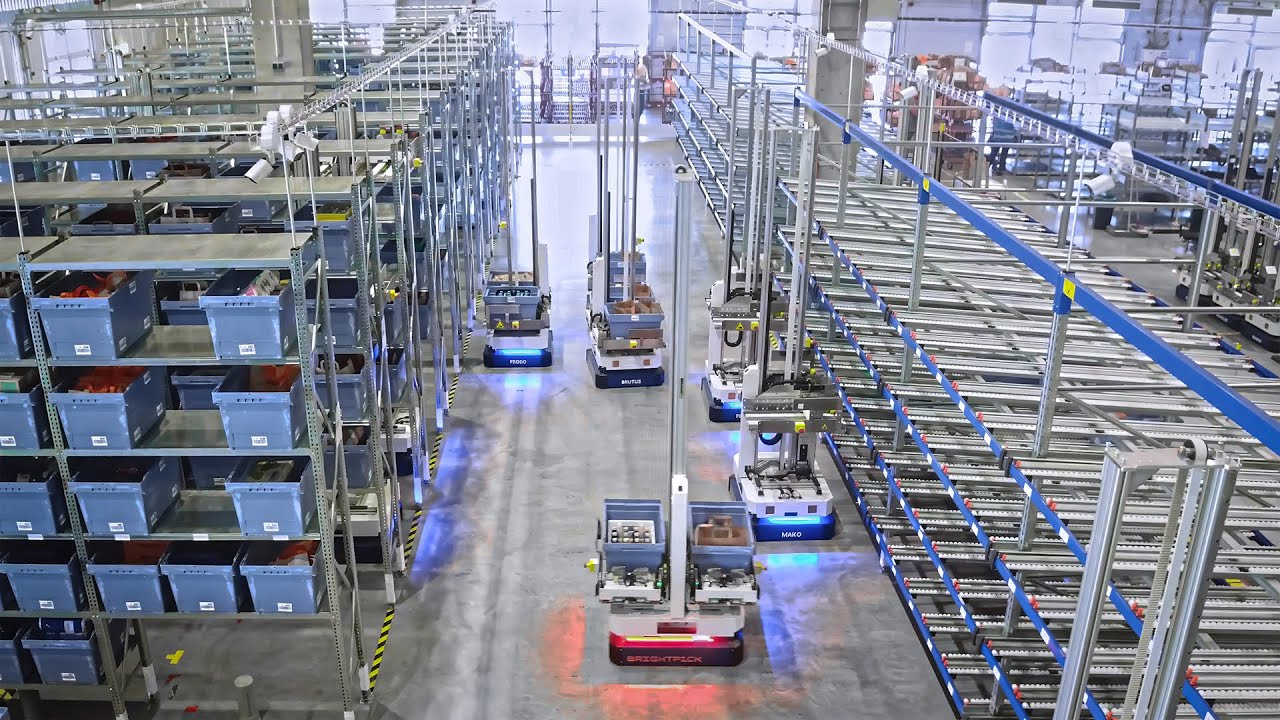
Knuspr Germany Micro Fulfillment Center
Brightpick
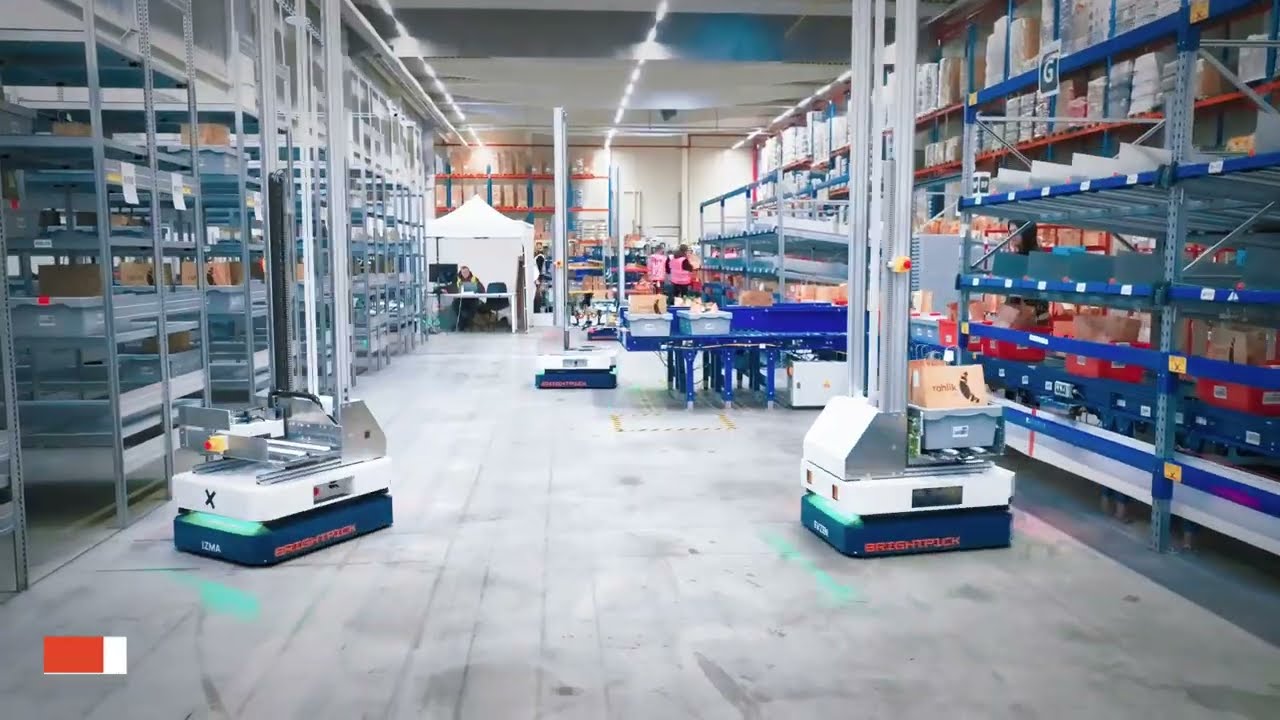
Rohlik.cz Prague Fulfillment Center
Brightpick
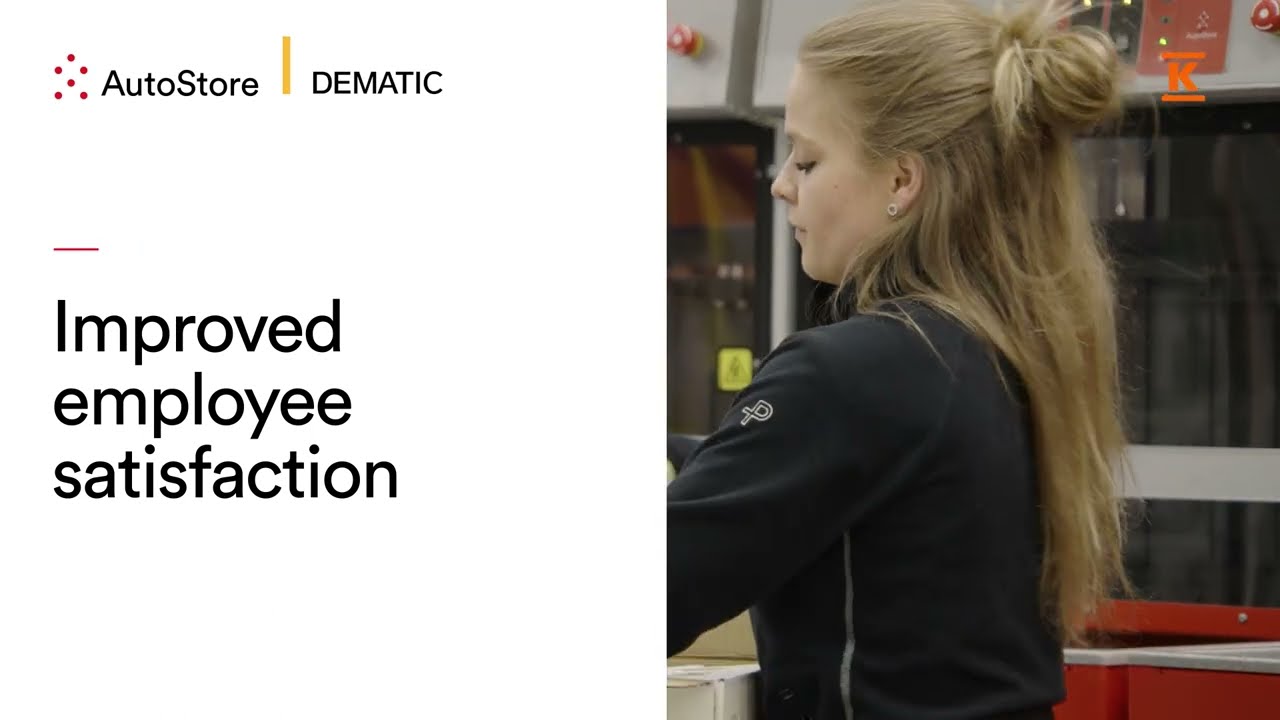
Kesko Helsinki Micro-Fulfillment Center (MFC)
Dematic
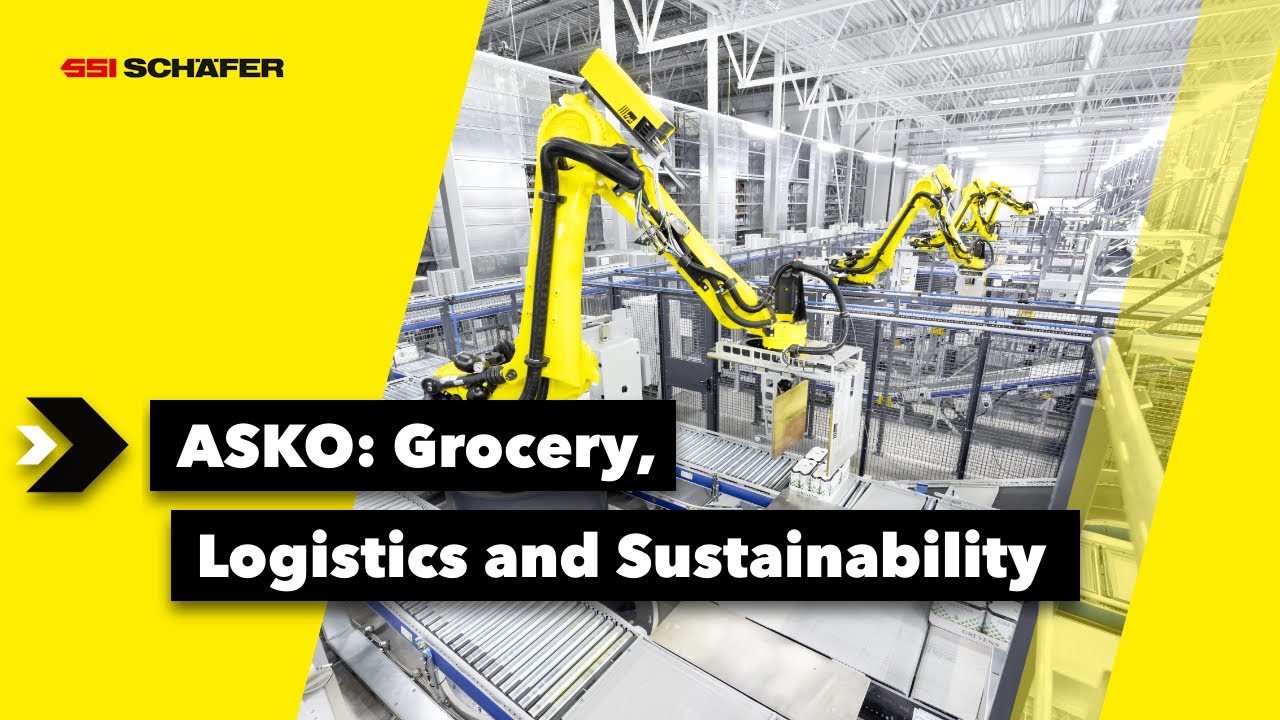
ASKO Oslofjord Automated Distribution Center
SSI Schaefer
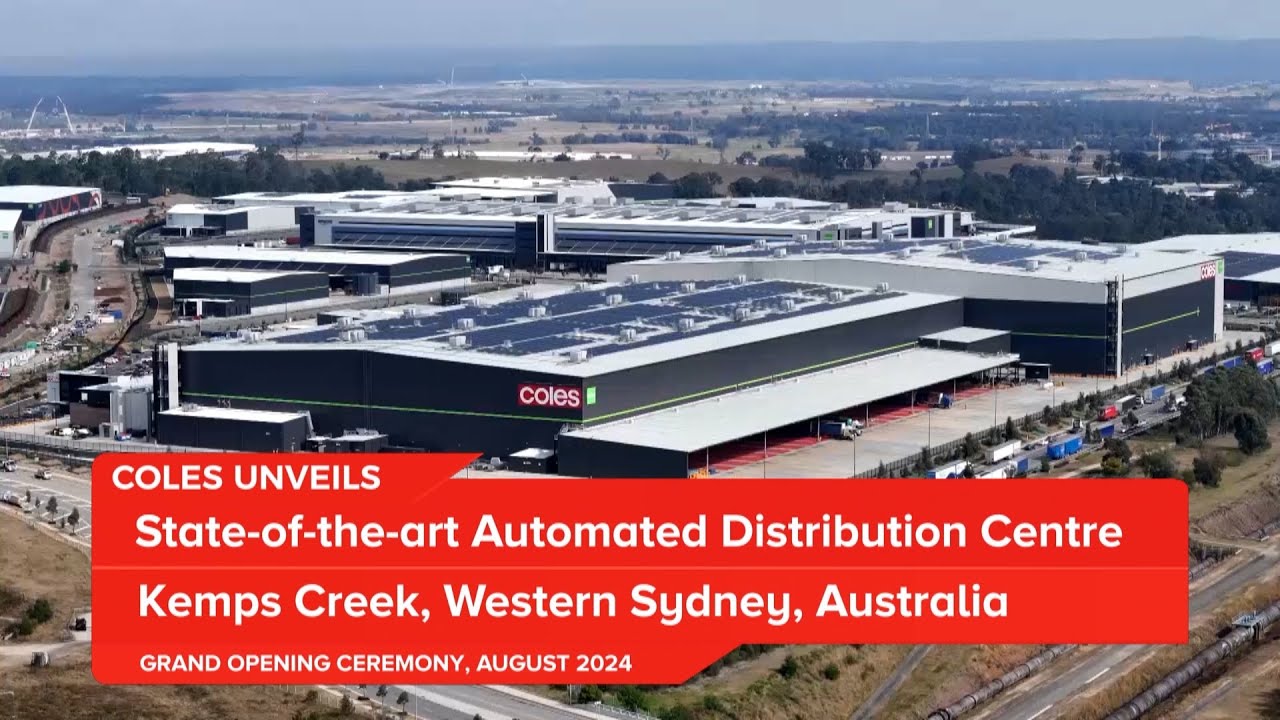
Coles Kemps Creek Automated Distribution Center
Witron
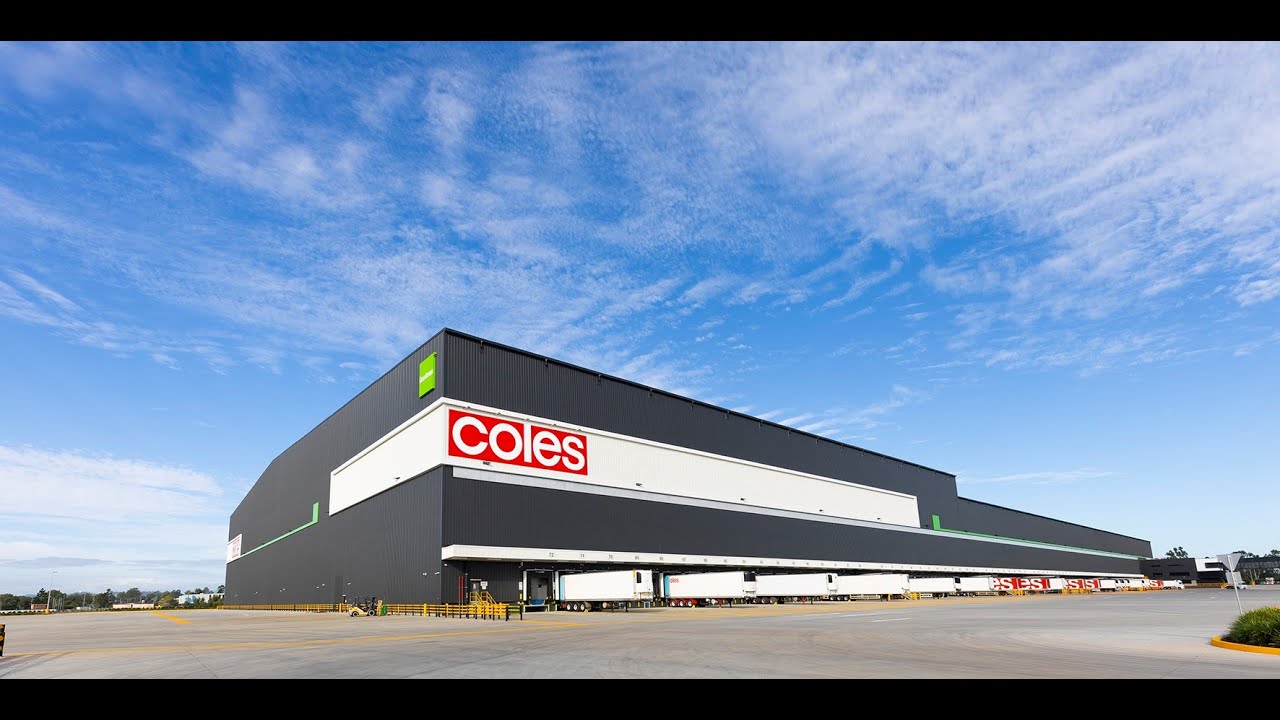
Coles Redbank Automated Distribution Center
Witron
Related Suppliers(3)

Berkshire Grey
AI-Enabled Robotic Solutions for Fulfillment Automation

Exotec
Elegant Solutions to Simplify Logistic Operations