Robotic Palletizing with Multi-Pick End Effector
Quick Facts
Technology Performance Metrics
⭐Key Features
Benefits
Applications
Detailed Information
Technology Overview
This demonstration highlights an advanced application of robotic palletizing focused on maximizing cycle efficiency. While single-pick robots are common, this technology utilizes a specialized end-of-arm tool (EOAT) designed to pick up multiple items in one robot movement. This approach is particularly effective for palletizing uniform, stable cases, boxes, or bags that arrive in a predictable pattern on the infeed conveyor. By reducing the number of travel cycles required to build a pallet layer, the system significantly increases throughput. The core challenge it solves is balancing high-speed operation with the ability to create a dense, stable pallet suitable for shipping and storage.
How It Works
Core Principles
The core principle is batch picking. Instead of the robot picking and placing one item per cycle, a clamp-style gripper is engineered to securely hold two, three, or more items simultaneously. The robot then transports this batch to the pallet and places all items in their predetermined positions within the pallet pattern in a single operation.
Key Features & Capabilities
Multi-Pick Clamp End Effector: This is the defining feature. The clamp is designed to apply even, sufficient force to hold multiple items without damaging them, and to release them cleanly onto the pallet.
High-Speed Batch Processing: By moving multiple items per cycle, the system reduces the total number of robot trips between the pick point and the pallet, which is often the most time-consuming part of the cycle, leading to substantial gains in items palletized per hour.
Precision Placement for Tight Loads: The system is programmed not just for speed, but for accuracy. Placing multiple items simultaneously in a precise pattern is essential for creating the advertised "tight pallet load," which minimizes load shifting and maximizes trailer space utilization.
Advantages & Benefits
The primary advantage is a direct increase in throughput and efficiency, allowing a single robot to handle the output of higher-speed production or packaging lines. This translates to a lower cost per palletized case and a faster return on investment. Automation with consistent robotic placement also drastically reduces product damage from mishandling and improves workplace safety by removing personnel from repetitive heavy lifting. The tight, uniform pallets produced improve downstream logistics efficiency.
Implementation Considerations
Successful implementation requires highly consistent product presentation on the infeed. Products must be uniformly sized and oriented for the multi-pick gripper to engage reliably. Changes in product dimensions or packaging may require gripper adjustment or reprogramming. The initial engineering for the custom multi-pick end effector is more complex and costly than for a simple single-pick gripper. The infeed conveyor system must be designed to present products in the correct grouped arrangement for the robot.
Use Cases & Applications
Ideal For
This technology is ideal for high-volume palletizing operations where the product mix is relatively stable and consists of uniformly sized boxes, cases, or bundles, such as in beverage, canned food, or consumer packaged goods (CPG) distribution.
Performance Metrics
The key performance metric is the throughput gain compared to a single-pick system, often measured in cases per hour (CPH). A multi-pick system can potentially double or triple the effective cycle rate, depending on the number of items picked per cycle and travel distances. Other metrics include pallet load density (cases per pallet) and placement accuracy for load stability.
Conclusion
Robotic palletizing with a multi-pick end effector represents an optimization of a well-established automation technology. For suitable applications with uniform products, it offers a compelling path to significantly higher productivity without the need for additional robots. By investing in this specialized tooling and system design from integrators like Columbia/Okura, companies can achieve superior palletizing speeds, enhance load quality, and strengthen the economic justification for automation in their shipping operations.
Related Knowledge
Robotic Case Picking
Advanced robotic case picking systems that combine industrial robotics with intelligent vision systems to automate the handling of full cases and cartons, delivering exceptional speed, precision, and reliability in high-volume distribution operations.
Robotic Piece Picking
Advanced robotic systems that use AI and computer vision to automatically select and pick individual items from diverse inventory, revolutionizing warehouse fulfillment operations with human-like dexterity and intelligence.
Voice Picking Systems
Voice picking systems revolutionize warehouse operations by enabling hands-free, eyes-free order fulfillment through speech recognition technology. Workers receive spoken instructions through wireless headsets and confirm actions verbally, dramatically improving productivity, accuracy, and safety while reducing training time.
Vendor
Columbia/Okura LLCRelated Technologies
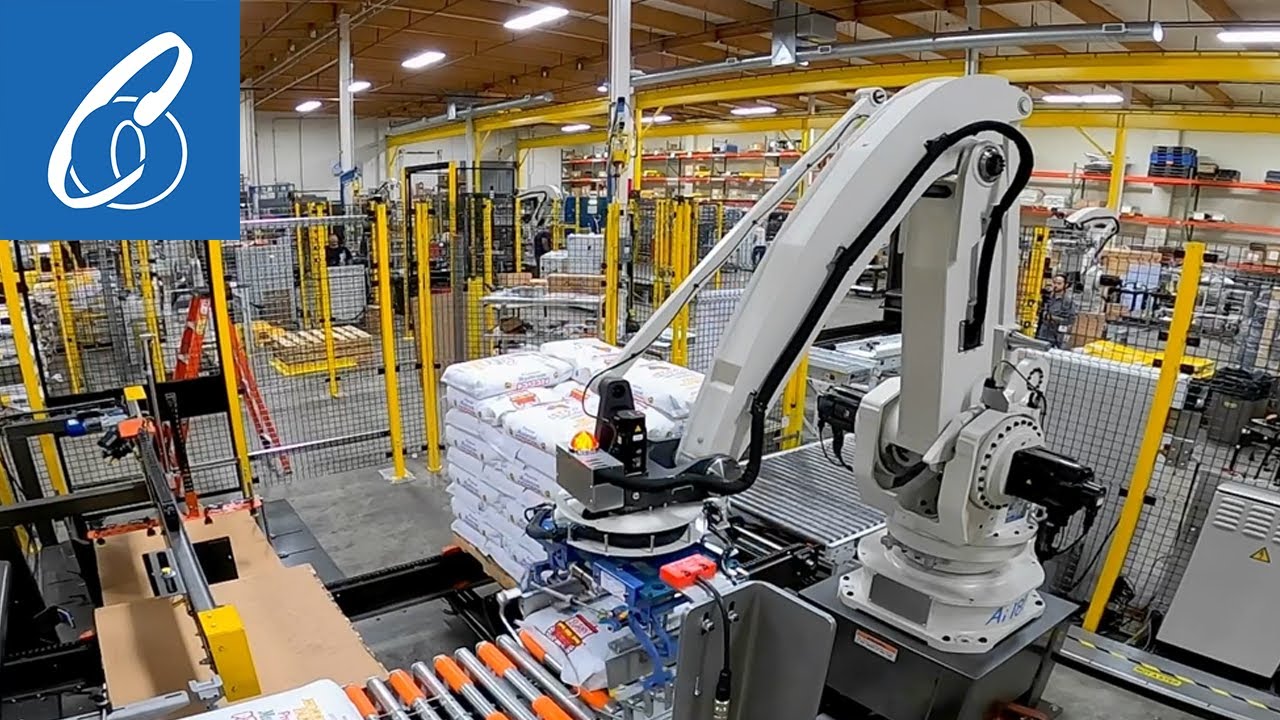
Industrial Robotic Palletizing System for Bulk Bags
Columbia/Okura LLC
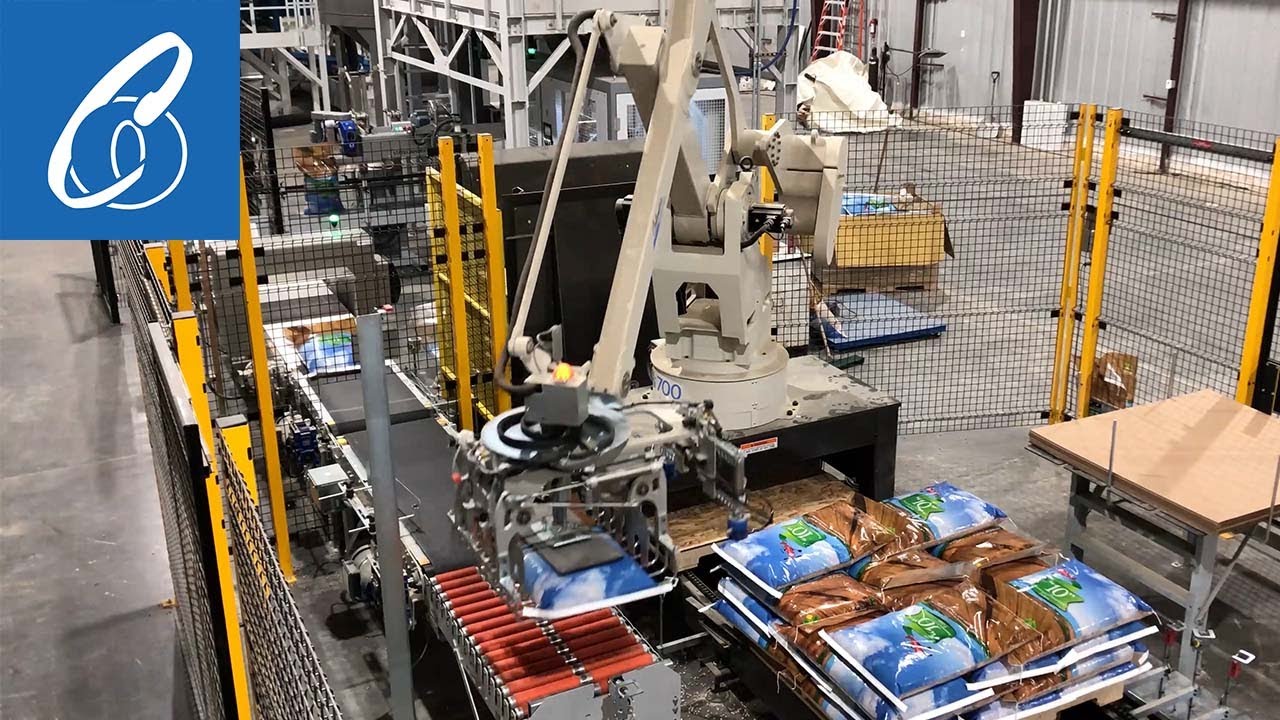
Automated Bagging Line with Robotic Palletizing: Integrated Solution
Columbia/Okura LLC
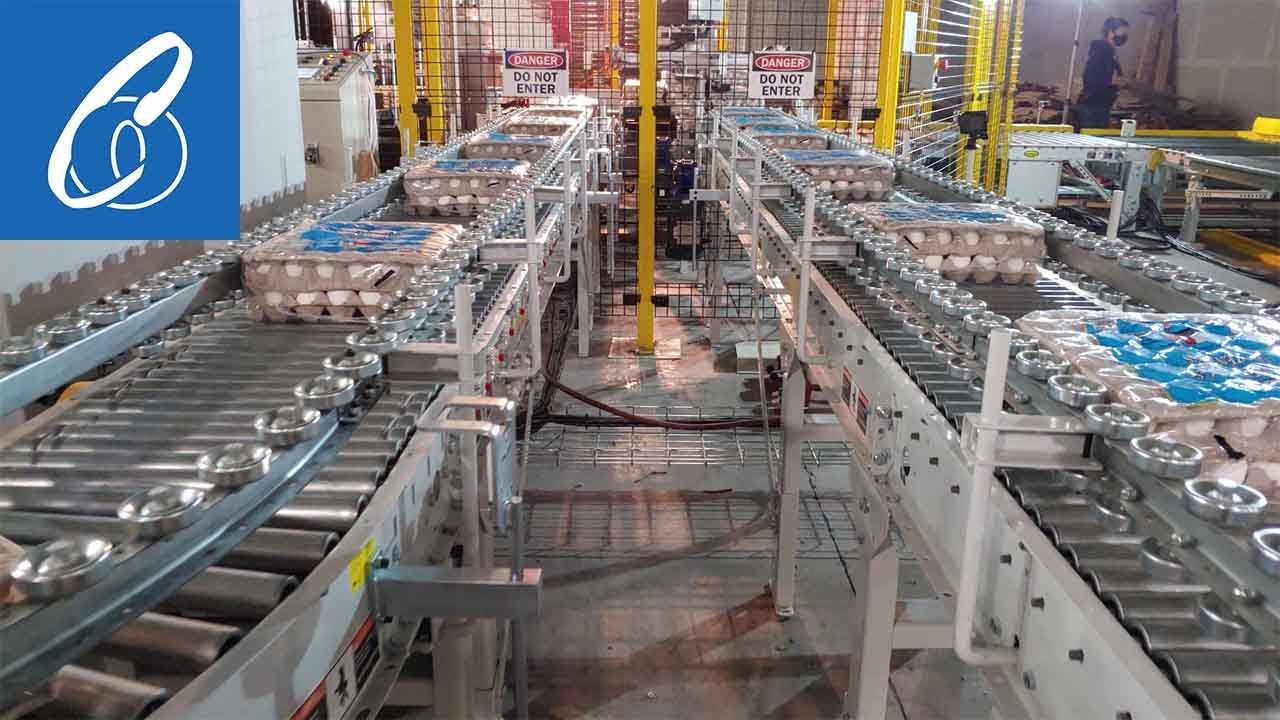
Automated Robot Palletizing System for Egg Producers
Columbia/Okura LLC