Push-Back Pallet Rack: High-Density LIFO/FIFO Storage
Quick Facts
Technology Performance Metrics
⭐Key Features
Benefits
Applications
Detailed Information
Technology Overview
Push-back pallet rack is an innovative high-density storage solution designed to bridge the gap between maximum density and individual pallet accessibility. It ingeniously combines the space-saving depth of drive-in racking with the immediate selectivity of standard single-deep racking. The system's uniqueness lies in its use of nested mobile carts that glide on rails within each storage lane. This design allows multiple pallets to be stored deep within a single lane while ensuring that each pallet remains individually accessible from the aisle. While inherently a Last-In/First-Out (LIFO) system, its flexibility allows it to be adapted for First-In/First-Out (FIFO) operations in specific scenarios, making it a versatile choice for high-volume warehouses with various inventory rotation needs.
How It Works
Core Principles
The system operates on a dynamic cart-and-rail principle within each storage lane. Pallets are placed on individual carts. Loading a new pallet pushes the existing pallets (on their carts) further back into the lane. Unloading the front pallet allows the next cart to roll forward to the pick position.
Key Features & Capabilities
Cart-Based Density allows multiple pallets (3-4 deep) to be stored in a single lane while resting on individual carts. Automatic Pallet Presentation brings the next pallet to the pick face as the front one is removed, speeding up retrieval. Selective Accessibility means every pallet position is accessible and identifiable, unlike in drive-in systems. Rotation Flexibility can support both LIFO and, with specific operational practices, FIFO inventory management.
Advantages & Benefits
The primary benefit is achieving high-density storage without sacrificing selectivity, offering the best of both worlds. It drastically reduces the number of aisles needed, freeing up valuable floor space for storage. The system minimizes forklift travel time for both put-away and picking, boosting overall productivity. It is ideal for high-volume, low-SKU operations where space is premium but every pallet needs to be accessible. The automatic forward flow upon retrieval enables highly productive pallet picking.
Implementation Considerations
Implementing push-back racking requires additional vertical space per storage level to accommodate the height of the stacked carts, which can reduce the total number of vertical tiers in a given building height. While adaptable, its most efficient and common use is for LIFO inventory. Careful planning is needed to match lane depth (2-4 deep) with inventory turnover rates to prevent older stock from being trapped. It is most effective for high-volume, consistent SKUs.
Use Cases & Applications
Ideal For
This system is ideal for distribution centers and warehouses that need to store multiple pallets of the same product efficiently but require the ability to access any specific pallet at the aisle face.
Conclusion
Push-back pallet rack presents a highly effective and intelligent solution for warehouses seeking to maximize storage density while maintaining essential selectivity. Its unique cart-based system offers a superior alternative to drive-in racking by preserving direct access to every stored SKU. The added flexibility to support FIFO flows in certain configurations further broadens its applicability. For operations with high-volume, low-SKU profiles and a need to optimize both space and retrieval productivity, push-back racking is a compelling investment that smartly balances density with accessibility.
Related Knowledge
Storage
Storage is the warehouse process of holding inventory in organized locations until needed, balancing space utilization, accessibility, and inventory control to support efficient operations.
Cold Storage Strategy
Cold storage and temperature-controlled warehousing are critical for preserving perishable goods throughout the supply chain. From frozen foods to pharmaceuticals, these specialized facilities maintain precise temperature conditions while optimizing energy efficiency and operational performance.
Vendor
OtherRelated Technologies
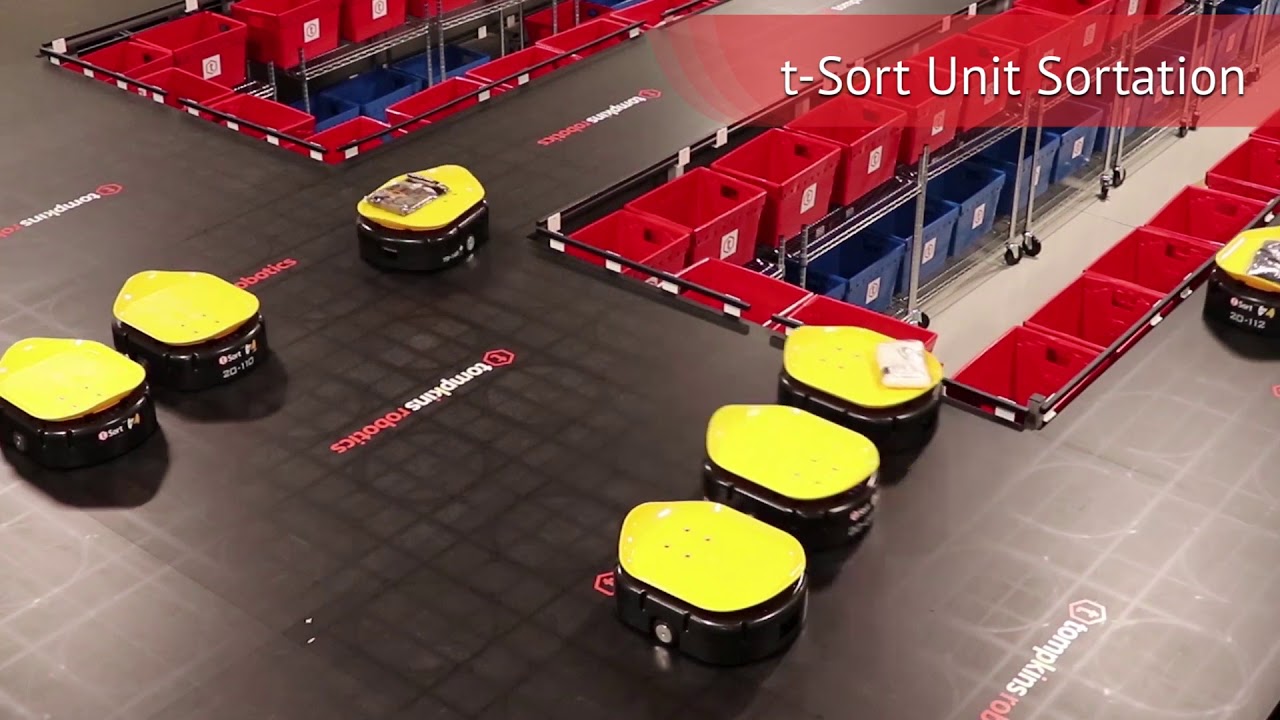
t-Sort Robotic Unit and Parcel Sortation System: Next-Generation E-commerce Order Fulfillment
Other
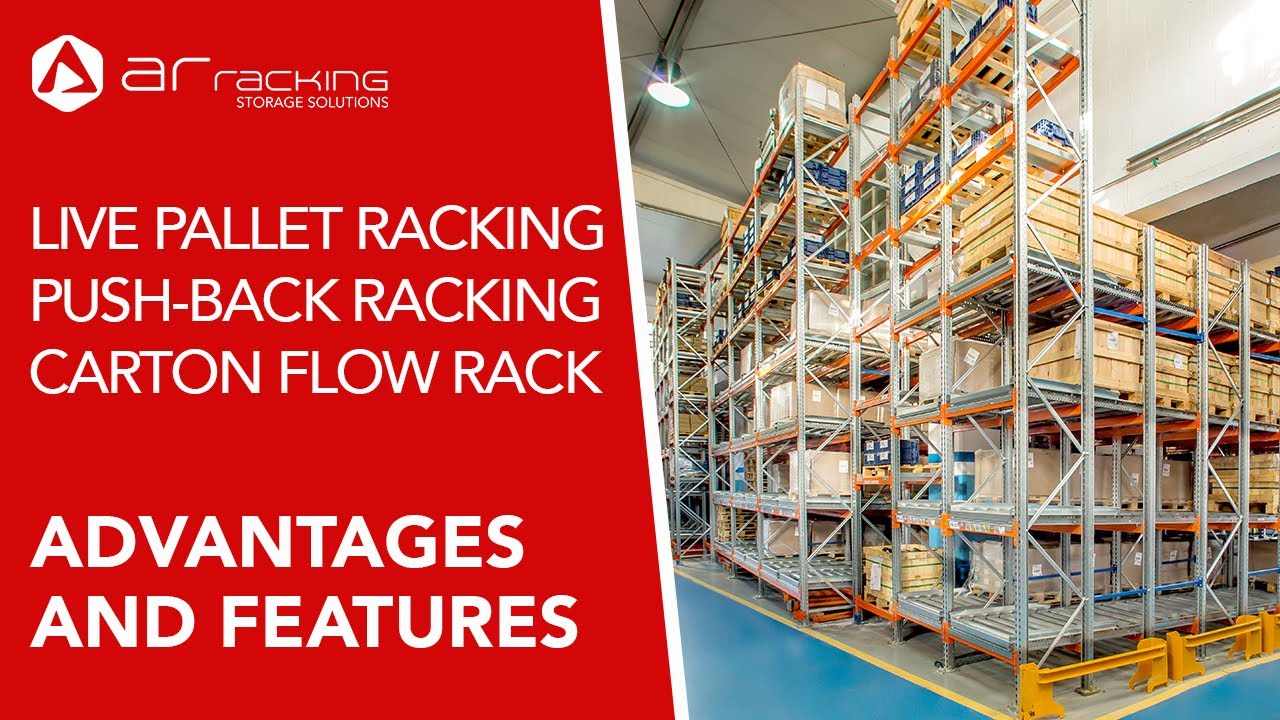
Live Storage Systems: Gravity-Flow High-Density Storage
AR Racking

Pushback Pallet Rack: High-Density Multi-SKU Storage
Others