Collaborative Autonomous Mobile Robots for Picking
Quick Facts
Technology Performance Metrics
⭐Key Features
Benefits
Applications
Detailed Information
Technology Overview
Locus Robotics offers a solution centered on collaborative Autonomous Mobile Robots (AMRs) designed to revolutionize warehouse order picking. By introducing mobile robotics into the existing workforce, the system tackles the fundamental inefficiency of manual picking: extensive walking. The "goods-to-person" principle is implemented dynamically, where robots transport items or order totes to stationary or zone-based pickers. This approach is particularly suited for modern e-commerce and omnichannel fulfillment centers that require high flexibility and the ability to scale operations rapidly in response to market demands.
How It Works
Core Principles
The core principle is human-robot collaboration in a shared workspace. The system augments human pickers by offloading the transportation task to a fleet of autonomous mobile robots (LocusBots), allowing workers to focus solely on the cognitive and dexterous task of picking items.
Key Features & Capabilities
The collaborative nature of the LocusBots is a standout feature, as they are engineered to operate safely in dynamic environments shared with people and other equipment without the need for extensive facility modifications. The system's on-demand scalability is a critical capability; warehouses can start with a small fleet and add more robots as needed to handle daily spikes, seasonal peaks, or business growth, offering a pay-as-you-grow model. The productivity-focused design directly attacks the waste of walking, reallocating that time to value-added picking activities, which is the foundation of the documented efficiency gains.
Advantages & Benefits
The most significant benefit is the substantial increase in productivity, with documented gains of 3 to 5 times compared to traditional cart-based picking. This translates directly into higher throughput and the ability to handle volume increases without proportionally increasing labor. The solution offers operational flexibility and resilience, as the robot fleet can be easily reconfigured for different zones or tasks. It also contributes to improved worker ergonomics and job satisfaction by reducing physical fatigue associated with walking miles each day.
Implementation Considerations
Successful implementation requires evaluating warehouse infrastructure, such as aisle widths, floor conditions, and Wi-Fi coverage, to ensure robust robot navigation. Integration with the existing WMS is crucial for seamless order and inventory data flow. While scalable, there is an initial capital outlay for the robots and software, and a plan for change management and staff training is needed to foster effective human-robot collaboration.
Use Cases & Applications
Ideal For
This solution is ideal for high-volume, multi-SKU fulfillment operations where picking is the primary labor-intensive process, especially those with variable or growing order volumes.
Performance Metrics
The provided content highlights a key performance metric: a documented 3 to 5 times increase in picking productivity. This is primarily achieved by drastically reducing walking time and optimizing picker "time on task." The scalability feature implies metrics related to incremental throughput gains per added robot and the ability to meet specific peak period service level agreements.
Conclusion
Locus Robotics presents a compelling, scalable automation solution for warehouses seeking immediate and significant productivity improvements in picking. Its collaborative model allows for rapid deployment and integration with existing workflows, minimizing disruption. For operations challenged by labor constraints, high growth, or variable demand, implementing a fleet of LocusBots can be a strategic move to "simply pick faster," enhance operational agility, and maintain a competitive edge in fast-paced fulfillment environments.
Related Knowledge
Robotic Case Picking
Advanced robotic case picking systems that combine industrial robotics with intelligent vision systems to automate the handling of full cases and cartons, delivering exceptional speed, precision, and reliability in high-volume distribution operations.
Robotic Piece Picking
Advanced robotic systems that use AI and computer vision to automatically select and pick individual items from diverse inventory, revolutionizing warehouse fulfillment operations with human-like dexterity and intelligence.
Voice Picking Systems
Voice picking systems revolutionize warehouse operations by enabling hands-free, eyes-free order fulfillment through speech recognition technology. Workers receive spoken instructions through wireless headsets and confirm actions verbally, dramatically improving productivity, accuracy, and safety while reducing training time.
Vendor
Locus RoboticsRelated Technologies

Dark Warehouse: Fully Automated Warehouse Operations
Addverb
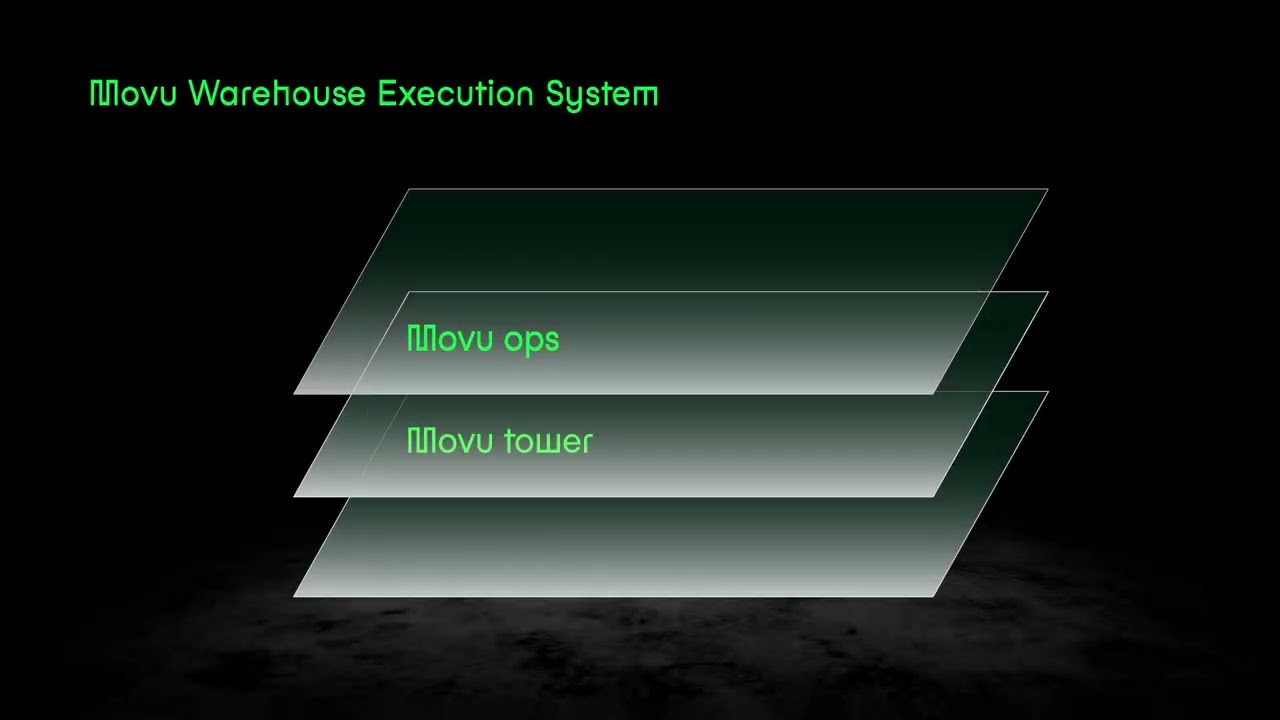
Movu Warehouse Execution System (WES): For Shuttle and AMR Management
Movu Robotics
Momentum WES: Next-Generation Warehouse Execution and Control
Honeywell Intelligrated