Vertical Lift Module (VLM): Space Optimization and Ergonomic Retrieval
Quick Facts
Technology Performance Metrics
⭐Key Features
Benefits
Applications
Detailed Information
Technology Overview
The Kardex Shuttle is a fully automated Vertical Lift Module (VLM) system designed to address modern warehouse challenges of space constraints, operational efficiency, and worker safety. By utilizing vertical space, it transforms storage areas into high-density, organized systems. Its core principle involves an automated extractor that travels vertically and horizontally within a tall structure to store and retrieve trays containing items, delivering them to an ergonomic pick window. This technology is widely applied across manufacturing, distribution, and retail sectors for managing a vast array of small parts, components, and inventory items.
How It Works
Core Principles
The system operates on the principle of "goods-to-person" automation. Inventory is stored in trays stacked vertically within a closed cabinet. A centrally located, computer-controlled extractor shuttle automatically retrieves the required tray and brings it directly to the operator at an ergonomic workstation, eliminating manual searching and walking.
Key Features & Capabilities
The High-Density Vertical Storage capability allows the system to make full use of a facility's clear height, storing a large number of items in a footprint significantly smaller than traditional shelving. The Ergonomic Workstation is a critical feature, positioning the delivered tray at an optimal height to prevent bending, stretching, or lifting, thereby reducing fatigue and the risk of injury. Secure Inventory Management is achieved through controlled access, with items stored safely inside the enclosed system, reducing loss, damage, and improving inventory accuracy via software tracking.
Advantages & Benefits
The primary benefit is a dramatic increase in storage density, often freeing up to 90% of floor space compared to static shelving. This leads to better space utilization or the ability to consolidate operations. By bringing items to the operator, the system improves ergonomics, leading to higher productivity, fewer errors, and improved worker satisfaction. Furthermore, it enhances inventory control and security, as all transactions are logged, and physical access is restricted.
Implementation Considerations
Implementing a VLM like the Kardex Shuttle requires sufficient ceiling height to accommodate the system's vertical structure. The initial capital investment is higher than for passive storage solutions, necessitating a cost-benefit analysis focused on space savings and labor efficiencies. The system is ideal for handling a high volume of small to medium-sized items but is not designed for large palletized goods.
Use Cases & Applications
Ideal For
This technology is ideal for operations with high-value or high-mix inventory that need to maximize storage in a limited space while ensuring fast, accurate, and ergonomic order fulfillment.
Conclusion
The Kardex Shuttle Vertical Lift Module presents a compelling automation solution for businesses looking to optimize their storage footprint and improve operational ergonomics. By automating storage and retrieval, it delivers tangible benefits in space savings, productivity, accuracy, and workplace safety. For facilities handling a high volume of small items within manufacturing, distribution, or retail, implementing a VLM can be a strategic step towards a more efficient and organized logistics operation.
Related Projects

Balluff Inc. Sensor Solutions Automated Warehouse
Balluff Inc. achieved a 177% throughput increase with an AutoStore system implemented by Kardex, featuring an innovative cross-building design installed in just 6 months.
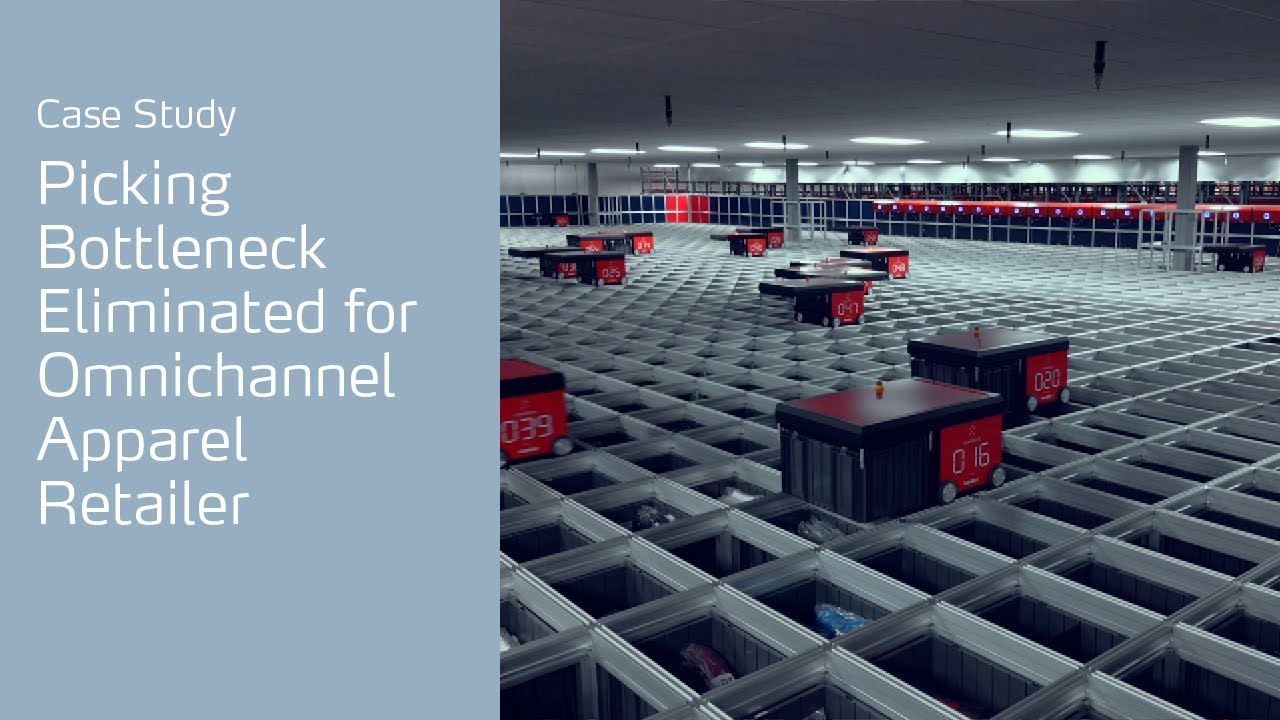
Cutter & Buck Seattle Apparel Fulfillment Center
Cutter & Buck deployed an AutoStore system with 34,000 bins and 54 robots, implemented by Kardex, to streamline apparel fulfillment, reduce storage footprint by 50%, and achieve order turnaround in under 10 minutes.
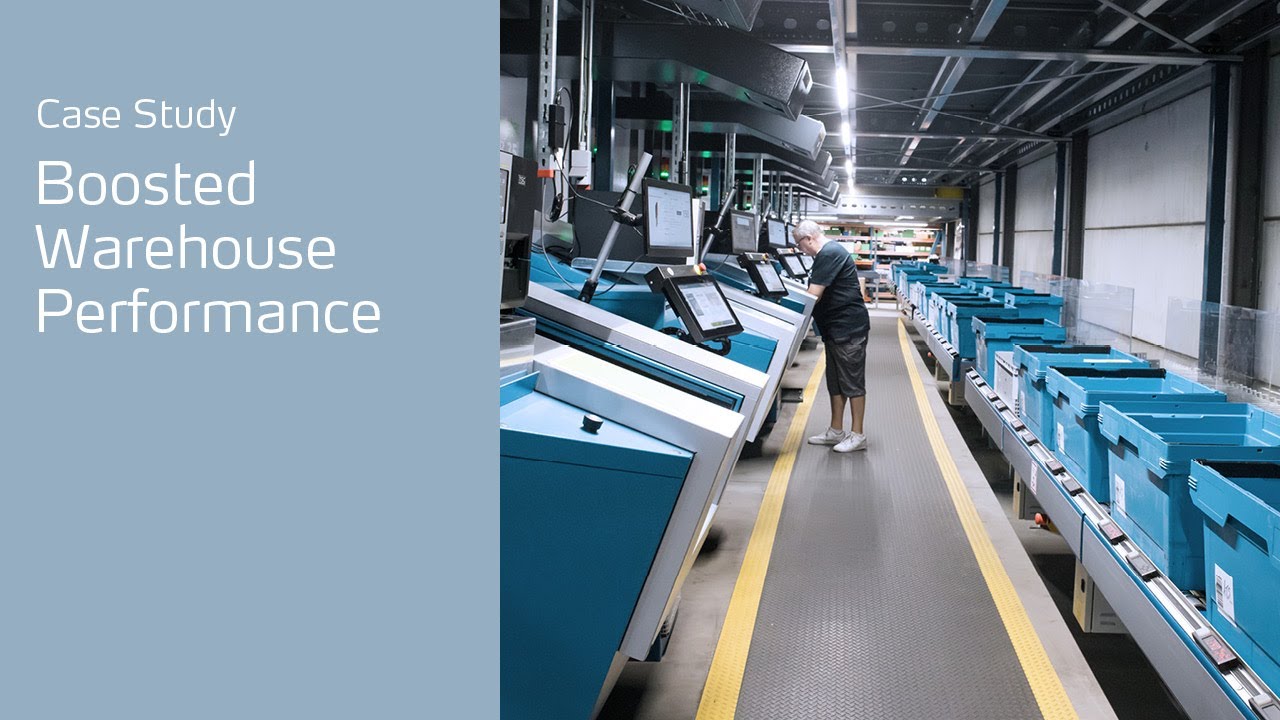
ATS Group - Merelbeke Belgium Electrical Components Automated Warehouse
ATS Group implemented Kardex's 8 Vertical Buffer Module system with automated inbound and conveyor integration, saving over 50% floor space while increasing throughput from 500 to 900 orders.
Related Knowledge
Storage
Storage is the warehouse process of holding inventory in organized locations until needed, balancing space utilization, accessibility, and inventory control to support efficient operations.
Cold Storage Strategy
Cold storage and temperature-controlled warehousing are critical for preserving perishable goods throughout the supply chain. From frozen foods to pharmaceuticals, these specialized facilities maintain precise temperature conditions while optimizing energy efficiency and operational performance.
Vendor
KardexRelated Technologies
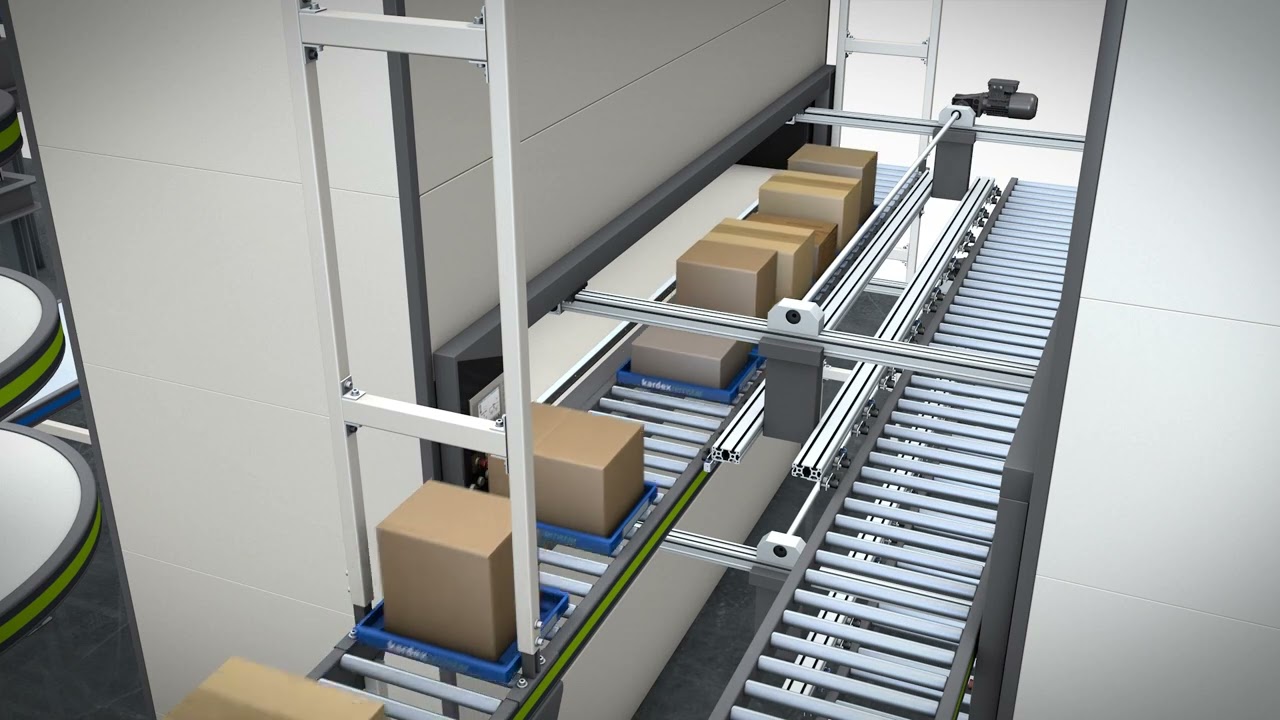
Smart Sequencing for Mixed Palletizing: Vertical Buffer Solutions
Kardex
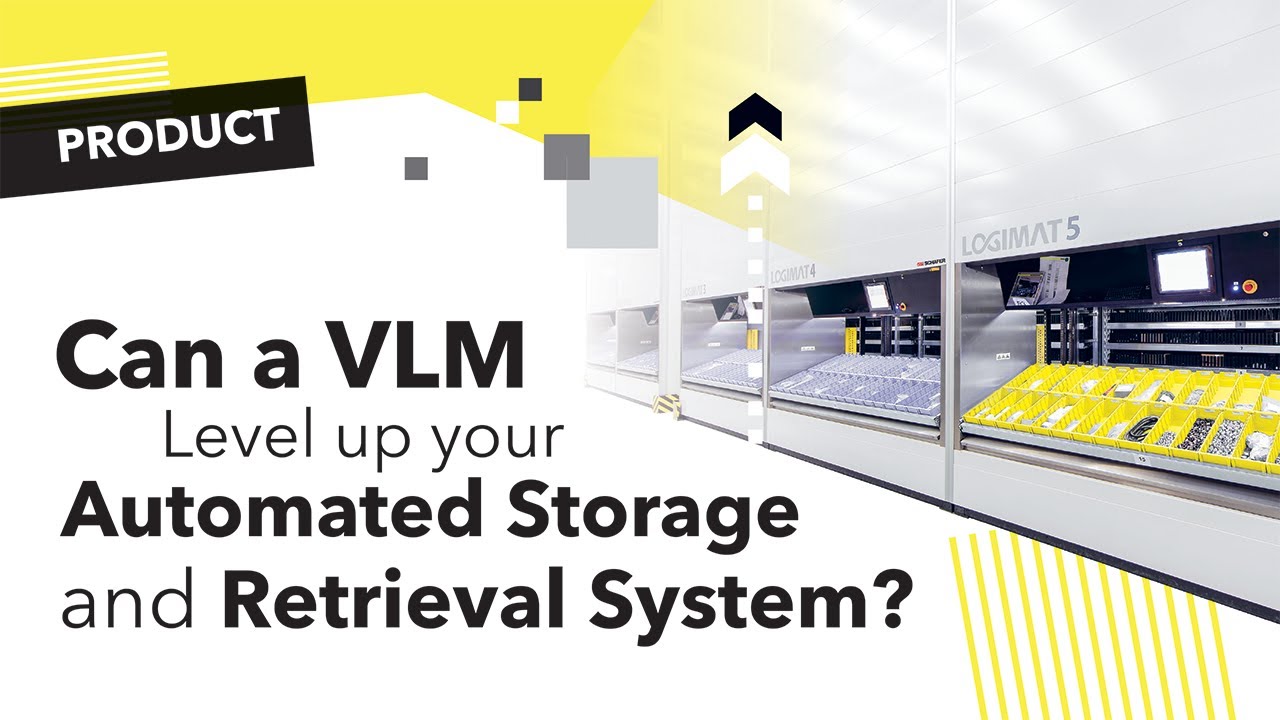
Vertical Lift Module (VLM): Rack & Pinion ASRS
SSI Schaefer
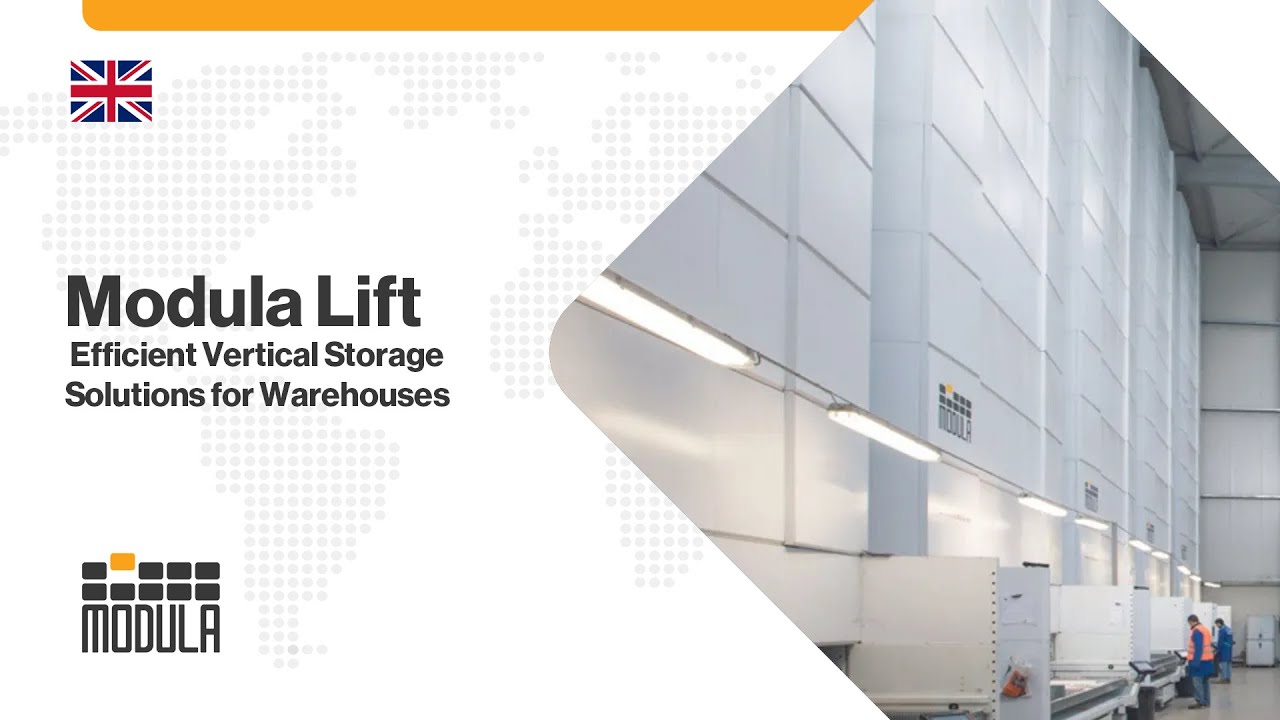
Automated Vertical Storage Solutions
Modula