Vertical Carousel System: Automated Storage Solution
Quick Facts
Technology Performance Metrics
⭐Key Features
Benefits
Applications
Detailed Information
Technology Overview
The Jungheinrich Vertical Carousel System is an automated storage and retrieval solution designed to optimize space and streamline item access. Functioning as a self-contained unit, it automates the storage and delivery of goods housed in various container types. Its core operation relies on a vertical, rotating carousel mechanism that brings stored items directly to a fixed, ergonomic workstation. This technology is particularly suited for applications requiring high-density storage of small to medium-sized items and efficient order picking, commonly found in manufacturing, distribution, and service parts operations.
How It Works
Core Principles
The system operates on the "goods-to-person" principle. Inventory is stored on carriers attached to a vertically rotating loop. Upon a retrieval request, the carousel rotates automatically to bring the required carrier to a designated access opening, following the shortest possible path.
Key Features & Capabilities
The Automated Vertical Rotation is the core feature, enabling high-density storage by utilizing vertical space and automating item delivery. Its Self-Contained Design means the system is a fully integrated unit, simplifying installation and integration into existing facilities. Compatibility with Various Containers allows it to handle bins, totes, or trays, offering flexibility for different inventory types. The Ergonomic Operating Opening provides a fixed, waist-level point of access, improving worker comfort and safety.
Advantages & Benefits
The primary benefit is exceptional space savings, as the system can store a large number of items in a very small floor footprint by building upwards. It significantly improves operator productivity by eliminating walking and manual searching, as items are delivered directly to the operator. This also leads to enhanced accuracy in picking and inventory control. The system's automation reduces physical strain, contributing to a better ergonomic work environment.
Implementation Considerations
Implementing a vertical carousel requires adequate ceiling height to accommodate the full system height. It is most effective for storing a high volume of small to medium-sized, relatively lightweight items. While throughput is high for a single operator, it may be limited compared to systems with multiple access points. The initial investment must be weighed against long-term savings in space, labor, and accuracy.
Use Cases & Applications
Ideal For
This system is ideal for operations with high-SKU, small-parts inventory that need to maximize storage density, improve picking speed and accuracy, and create an ergonomic workstation.
Conclusion
The Jungheinrich Vertical Carousel System offers a robust and efficient solution for automated small-parts storage and retrieval. By combining high-density vertical storage with an ergonomic goods-to-person delivery model, it effectively addresses challenges of space constraints, labor efficiency, and picking accuracy. For facilities managing a diverse range of small items, implementing this vertical carousel can lead to significant operational improvements and a strong return on investment through space optimization and productivity gains.
Related Knowledge
Robotic Case Picking
Advanced robotic case picking systems that combine industrial robotics with intelligent vision systems to automate the handling of full cases and cartons, delivering exceptional speed, precision, and reliability in high-volume distribution operations.
Robotic Piece Picking
Advanced robotic systems that use AI and computer vision to automatically select and pick individual items from diverse inventory, revolutionizing warehouse fulfillment operations with human-like dexterity and intelligence.
Voice Picking Systems
Voice picking systems revolutionize warehouse operations by enabling hands-free, eyes-free order fulfillment through speech recognition technology. Workers receive spoken instructions through wireless headsets and confirm actions verbally, dramatically improving productivity, accuracy, and safety while reducing training time.
Vendor
JungheinrichRelated Technologies

Dark Warehouse: Fully Automated Warehouse Operations
Addverb
Momentum WES: Next-Generation Warehouse Execution and Control
Honeywell Intelligrated
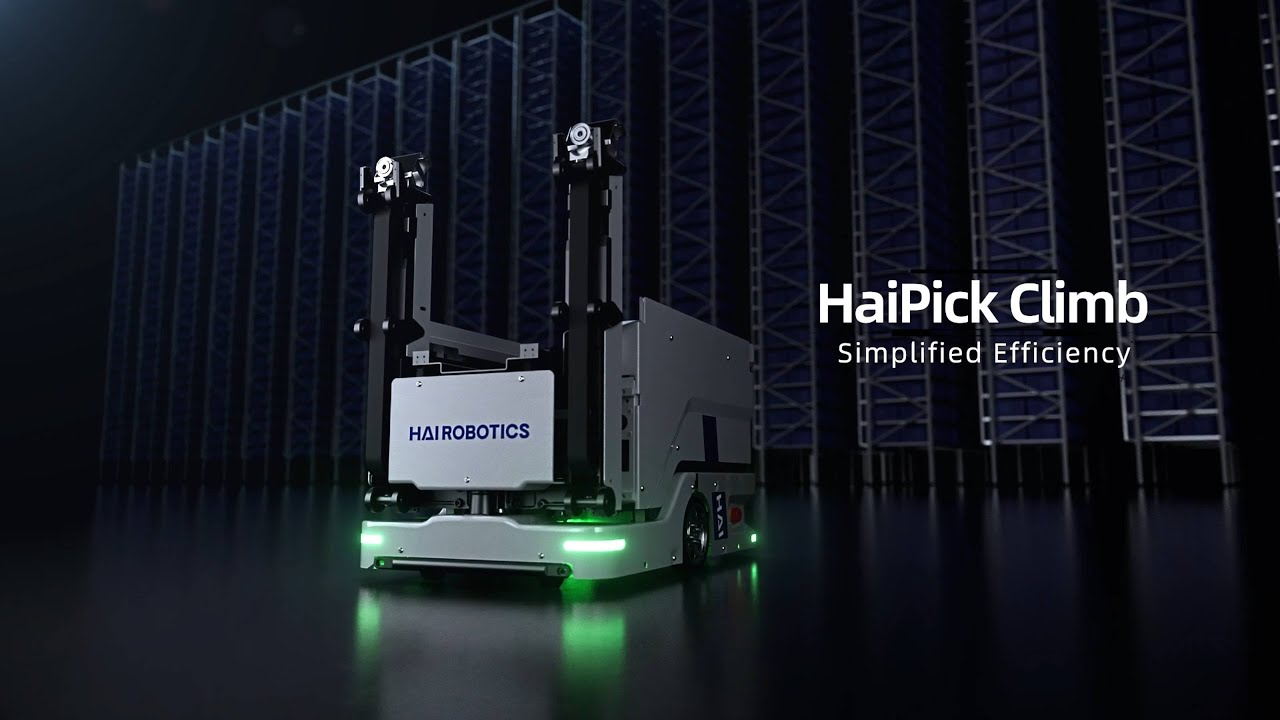
HaiPick Climb System: Goods-to-Person Warehouse Automation
Hai Robotics