HaiPick Climb (Upgraded): High-Density Storage with Rack-Climbing ACR Technology
Quick Facts
Technology Performance Metrics
⭐Key Features
Benefits
Applications
Detailed Information
Technology Overview
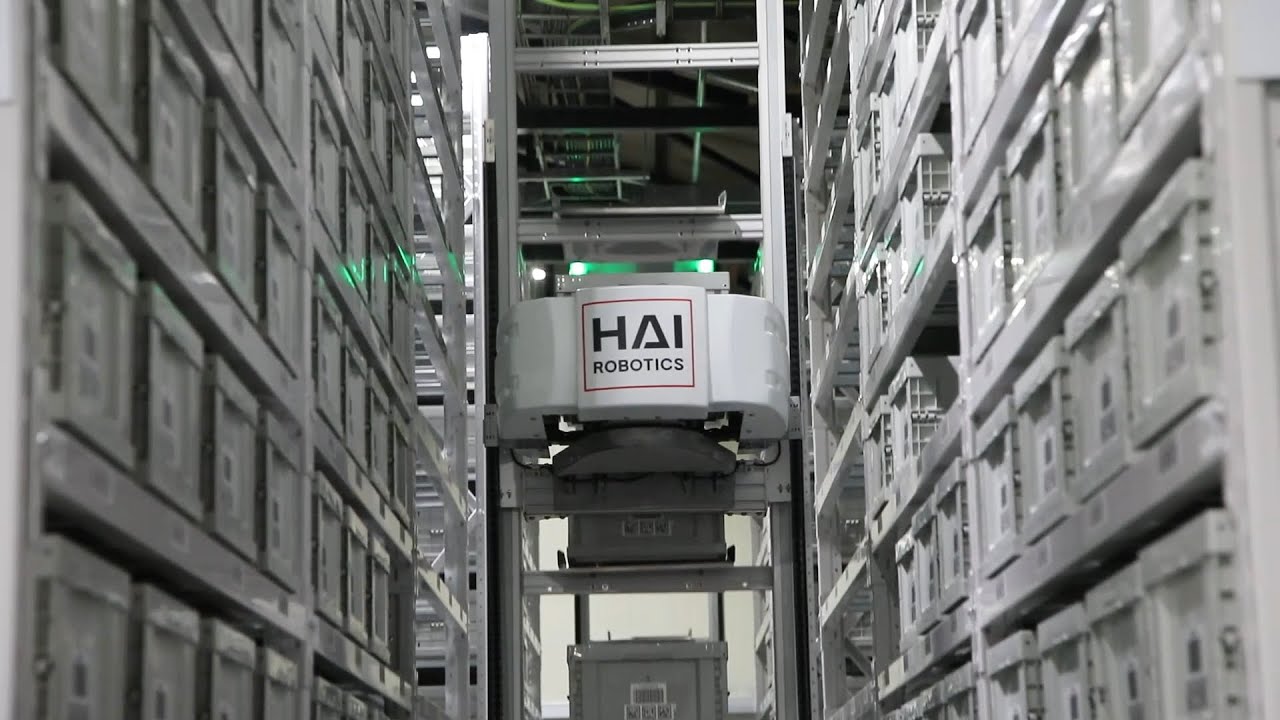
HaiPick Climb is Hai Robotics' rack-climbing Autonomous Case-handling Robot (ACR) system, designed to deliver goods-to-person automation in a compact, low-complexity package. Unlike conventional ACR systems where robots navigate on the floor between racks, the HaiClimber robot physically climbs the racking structure itself — accessing storage locations at height and retrieving totes or full cases directly from the shelf face. This climbing mechanism allows the system to exploit vertical warehouse space without requiring the overhead conveyor networks or complex lift infrastructure associated with traditional high-bay AS/RS solutions.
The upgraded version of HaiPick Climb, featured in this April 2026 video, introduces two primary enhancements over the original system: faster side-to-side picking enabled by improved lateral movement in the robot, and support for flexible full case in/out workflows that eliminate the decanting step required by many tote-based systems. Together, these upgrades address the two most common friction points cited by operations evaluating the original HaiPick Climb — throughput speed and handling flexibility — while preserving the system's core value proposition of simplicity and density within an existing footprint.
The system is explicitly positioned for warehouses that are running out of space but are not ready to take on the complexity, cost, or lead time associated with large-scale automation projects. This positioning reflects a growing segment of the market: mid-sized operations that need meaningful density and throughput improvements but cannot justify or absorb the disruption of a full AS/RS installation.
How It Works
Core Principles
HaiPick Climb operates on the goods-to-person principle: rather than sending operators to walk aisles and pick items, the HaiClimber robot retrieves the required storage unit and brings it to an ergonomic operator workstation. The key differentiator from floor-based ACR systems is that the robot climbs the rack itself, using the racking structure as its travel path rather than requiring a separate floor-level navigation lane in front of each rack row. This eliminates the aisle space typically reserved for robot travel, allowing the storage grid to be denser and more space-efficient.
Key Features & Capabilities
Higher Storage Density in the Same Footprint The rack-climbing design removes the need for dedicated robot travel aisles in front of each rack row, allowing storage rows to be positioned closer together than in floor-based ACR or traditional shelving configurations. The upgraded system further optimizes storage location utilization through improved slotting and retrieval logic, delivering more stored units per square meter of warehouse floor without requiring building expansion or significant structural modification.
Faster Side-to-Side Picking (New in Upgraded Version) The upgraded HaiClimber robot features enhanced lateral movement capability, reducing the time required to travel between horizontally adjacent storage locations on the same rack level. In practice, this translates to shorter cycle times per pick — particularly in operations where consecutive order lines are stored in nearby locations, which is the common case in well-slotted warehouses. This speed improvement increases effective throughput without requiring additional robots or workstations.
No Decanting — Full Case In/Out (New in Upgraded Version) Traditional tote-based goods-to-person systems require all inventory to be stored in a standard tote format, which means full cases arriving from suppliers must be manually unpacked and repacked into system totes before putaway. HaiPick Climb's upgraded full case in/out capability eliminates this step by allowing the system to store and retrieve full supplier cases directly. This reduces inbound handling labor, speeds up putaway, and simplifies the replenishment workflow.
Low Complexity, Fast Deployment A consistent theme in Hai Robotics' positioning of HaiPick Climb is its relative simplicity compared to traditional high-density automation systems. The system does not require a dedicated building design, specialized floor specifications, or extensive conveyor infrastructure. This makes it deployable in existing facilities with standard racking and a relatively short implementation timeline — a critical factor for operations that need to increase capacity quickly without committing to a multi-year infrastructure project.
Advantages & Benefits
The most direct commercial benefit of the upgraded HaiPick Climb is the ability to store more inventory in the same physical space. For warehouses that have run out of floor area but face growing SKU counts or order volumes, this density improvement can defer or eliminate the need for facility expansion — a capital-intensive and operationally disruptive undertaking.
The elimination of decanting delivers a labor saving that compounds over time. In operations receiving large volumes of full-case supplier shipments, the manual decanting process can consume significant inbound labor hours daily. Removing this step frees those hours for higher-value tasks and reduces the headcount required to sustain inbound operations at a given throughput level.
The faster side-to-side picking speed improves throughput without a proportional increase in system cost. Adding throughput capacity through additional robots or workstations is a common but expensive scaling path; improving the cycle efficiency of existing robots through faster lateral movement achieves a similar outcome at lower incremental cost.
Finally, the system's low-complexity design lowers the barrier to automation adoption for operations that have historically been priced out of or intimidated by large-scale AS/RS projects. By delivering meaningful density and throughput improvements without requiring a full facility redesign, HaiPick Climb makes automation accessible to a broader range of warehouse operators.
Implementation Considerations
The full case in/out capability and faster lateral speed are new features in the upgraded system, and while they are supported by the underlying HaiClimber hardware and software platform, operations should confirm compatibility with their specific product dimensions and case formats during the scoping phase. The density gains achievable in a given facility will depend on ceiling height, existing racking configuration, and floor load capacity — a site assessment is essential before committing to a target storage location count.
As with all goods-to-person systems, the software slotting strategy has a significant impact on realized throughput. Frequently picked SKUs should be positioned to minimize robot travel distance and maximize pick face utilization. Hai Robotics' warehouse execution software supports dynamic slotting optimization, but initial configuration and ongoing tuning require attention during and after deployment.
Use Cases & Applications
Ideal For
HaiPick Climb is best suited for warehouses that need to increase storage density and picking efficiency within an existing building, without the lead time, cost, or complexity of a traditional high-bay AS/RS project. It is particularly well-matched to operations handling full cases or standardized totes, where the no-decanting capability delivers immediate labor savings.
Performance Metrics
Specific quantitative throughput figures for the upgraded HaiPick Climb were not disclosed in this video's source material. Performance data from related Hai Robotics deployments on the same channel provides directional context:
- Storage capacity improvement: Up to 300% increase reported in customer deployments (Anta, Mettler Toledo/Arvato)
- Deployment speed: As fast as 4 weeks from concept to live operation (Li-Ning case study)
- Throughput reference (HaiPick System 1, St. Luke's): 650+ outbound totes/hour in a healthcare fulfillment context
Specific cycle time improvements from the upgraded lateral speed capability were not quantified in the source material.
Future Trends
The upgraded HaiPick Climb reflects a broader product evolution trend at Hai Robotics: iterative capability expansion that addresses specific operational friction points (decanting elimination, lateral speed) without redesigning the core system architecture. This approach allows existing customers to benefit from upgrades without full system replacement, and lowers the adoption risk for new customers evaluating the platform. The emphasis on full case handling flexibility also signals Hai Robotics' intent to compete more directly in the inbound and replenishment workflows that have traditionally been dominated by manual or conveyor-based systems.
Conclusion
The upgraded HaiPick Climb represents a meaningful step forward for Hai Robotics' rack-climbing ACR platform. By adding faster lateral picking speed and full case in/out capability to the system's existing density advantage, the upgrade addresses the most common operational limitations of the first-generation system and broadens the range of warehouses and workflows it can serve. For operations facing space constraints, high decanting labor costs, or the need for a fast and low-complexity automation deployment, the upgraded HaiPick Climb is a compelling option that deserves evaluation alongside more traditional high-density storage solutions.
Related Projects
St. Luke's Transforms Healthcare Fulfillment from the Ground Up
St. Luke's, a leading healthcare provider, partnered with Hai Robotics to transform its healthcare fulfillment operations from the ground up. The deployment addresses fulfillment speed, operational control, and supply chain reliability — three of the most critical performance dimensions in healthcare logistics — through automated goods-to-person technology tailored to the unique compliance and accuracy requirements of the healthcare sector.
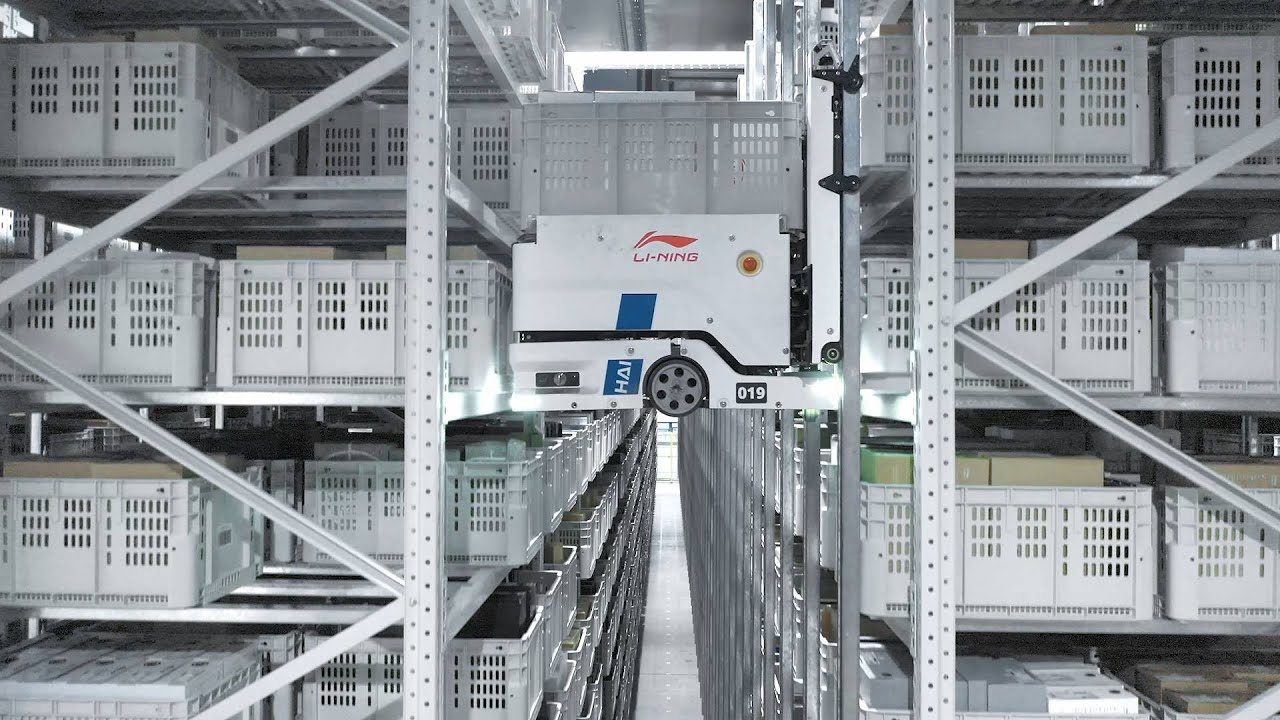
Li-Ning – Fulfillment Center Transformation in 1 Month with HaiPick Climb
Li-Ning, a global sportswear leader, transformed its fulfillment center with HaiPick Climb in just one month from installation to go-live. The deployment achieved a 3× increase in storage capacity with 96% vertical space utilization, 800+ pieces outbound per hour, and 99%+ order picking accuracy — while handling both footwear and apparel categories within a single flexible automated system.
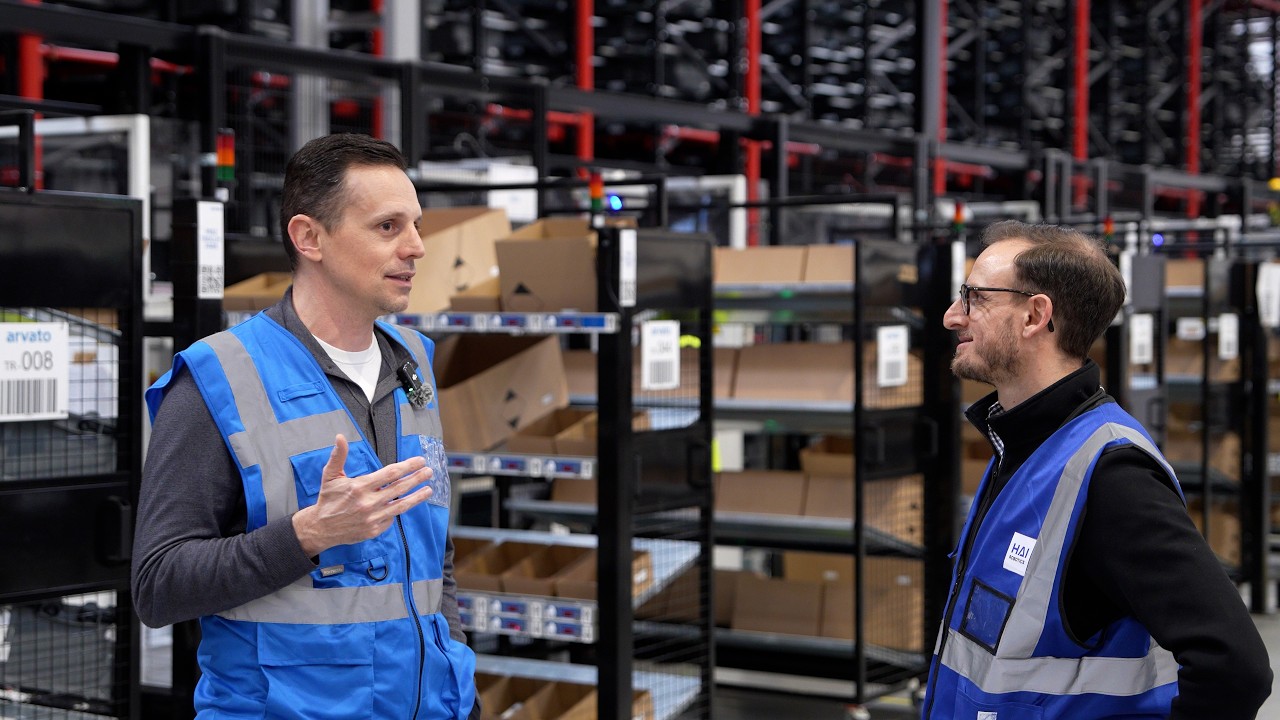
European Premium Beauty Retailer – Omnichannel Fulfillment Transformation with HaiPick System 3
A leading European premium beauty retailer partnered with Arvato and Hai Robotics to transform its warehouse operations using HaiPick System 3 (HPS 3). The automated solution supports simultaneous B2C e-commerce and B2B retail distribution from a single facility, delivering the speed, accuracy, and operational agility required by the beauty industry's high-SKU, high-service-level fulfillment environment.
Related Knowledge
Robotic Case Picking
Advanced robotic case picking systems that combine industrial robotics with intelligent vision systems to automate the handling of full cases and cartons, delivering exceptional speed, precision, and reliability in high-volume distribution operations.
Robotic Piece Picking
Advanced robotic systems that use AI and computer vision to automatically select and pick individual items from diverse inventory, revolutionizing warehouse fulfillment operations with human-like dexterity and intelligence.
Voice Picking Systems
Voice picking systems revolutionize warehouse operations by enabling hands-free, eyes-free order fulfillment through speech recognition technology. Workers receive spoken instructions through wireless headsets and confirm actions verbally, dramatically improving productivity, accuracy, and safety while reducing training time.
Vendor
Hai RoboticsRelated Technologies
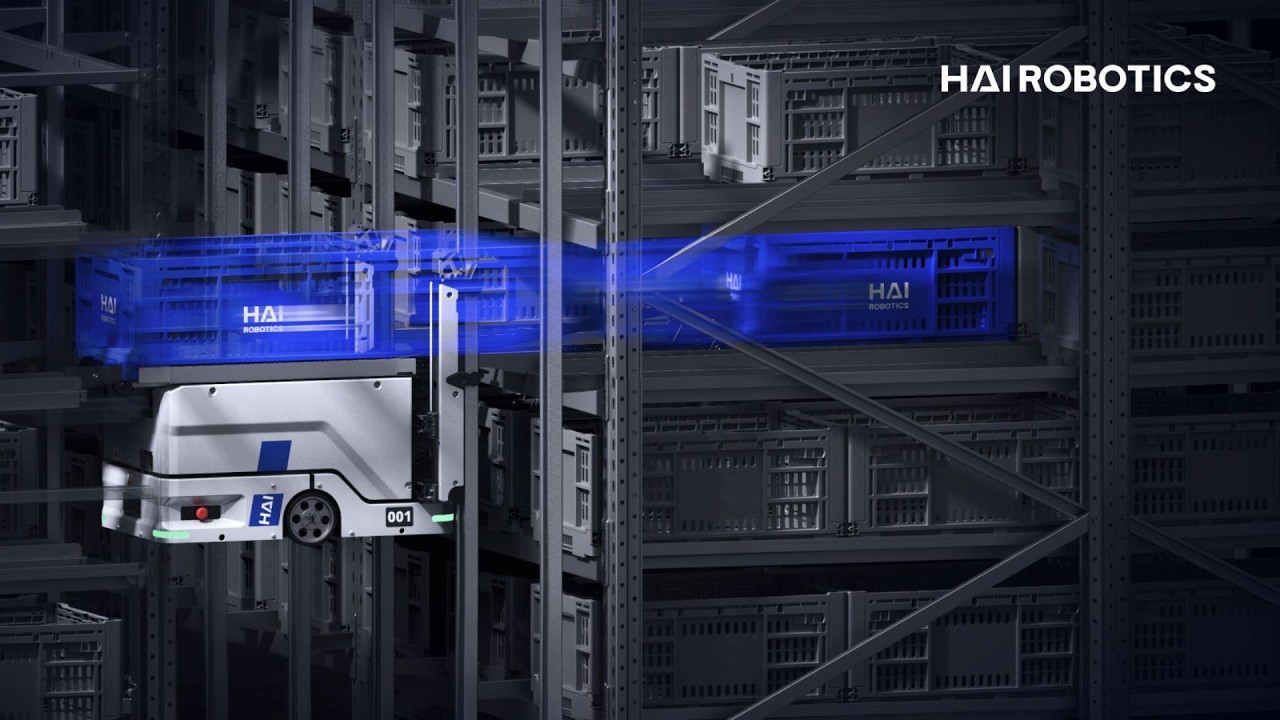
HaiPick Climb Evolved – Compact Double-Deep Storage for Modern Warehouse Demands
Hai Robotics
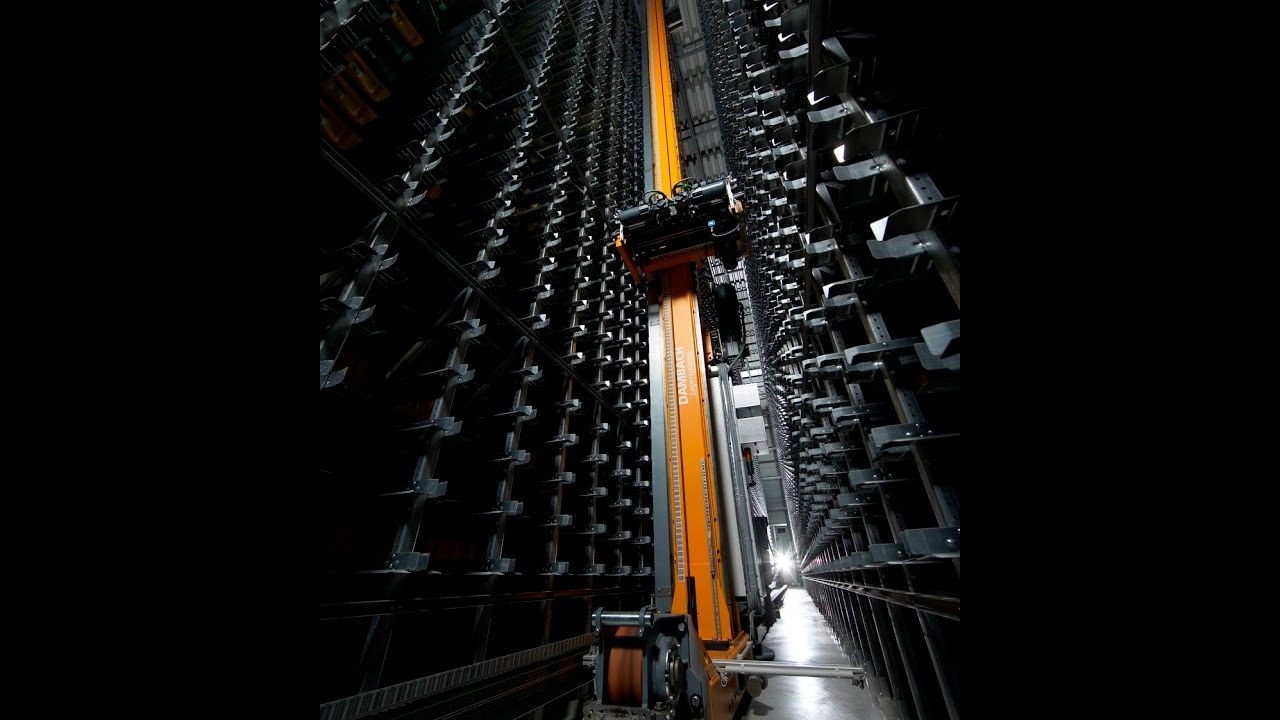
MINI-LOAD Automated Small-Parts Storage System
DAMBACH
Piolax Canton Georgia Automotive Parts Distribution Center
Daifuku