AMR Sorter: Flexible and Compact Robotic Sorting Solution
Quick Facts
Technology Performance Metrics
⭐Key Features
Benefits
Applications
Detailed Information
Technology Overview
The Fives GENI-Ant AMR Sorter is a robotic sorting solution designed to bring smart automation to material handling and intralogistics processes. It represents a shift from traditional fixed or conveyor-based sortation to a more agile, mobile robotic approach. The system is built around Autonomous Mobile Robot (AMR) technology, which provides the core flexibility to adapt to different object types and changing operational demands. Fives positions this sorter as an accessible entry point into automation—it can be deployed as a standalone solution for operations taking their first automation step, or it can be seamlessly integrated into existing material handling lines to enhance capacity and intelligence. A key focus of the design is minimizing the physical footprint and fixed infrastructure, making it an attractive option for facilities looking to optimize space while adding sophisticated sorting capabilities.
How It Works
Core Principles
The core principles are Mobile, Adaptive Robotic Sortation and Infrastructure-Light Deployment. Instead of items traveling on a fixed conveyor network past static induction points, the GENI-Ant system likely uses a fleet of AMRs that either carry items directly or transport containers (totes, trays) to designated sortation destinations. The "AMR technology handles any type of object" suggests the robots are equipped with versatile gripping mechanisms or platforms that can accommodate diverse shapes and sizes. The system's intelligence lies in dynamically assigning sortation tasks to the robot fleet based on real-time order data.
Key Features & Capabilities
AMR-Based Flexibility for Diverse Objects is a foundational capability. The use of AMRs as the sorting medium inherently allows the system to handle a wide mix of item sizes, weights, and shapes that might challenge traditional tilt-tray or cross-belt sorters, provided the AMR has an appropriate carrying surface or attachment.
Compact and Infrastructure-Light Design maximizes space utilization. By minimizing fixed conveyors, rails, and structures, the system can be installed in existing facilities with less disruption and a smaller permanent footprint. The AMRs only require open floor space to navigate.
Scalability and Ease of Integration lowers the barrier to automation. The ability to function as a stand-alone "first step" allows businesses to start small. Its design for integration means it can later be connected to upstream (e.g., receiving) and downstream (e.g., packing) processes as the automation strategy expands.
Advantages & Benefits
The primary benefit is Operational Transformation with Low Commitment. The system offers a path to automate sorting without the massive capital project and rigid layout typically associated with conventional sortation systems, making automation accessible for a broader range of businesses.
It provides Exceptional Adaptability to Change. The system's flexibility in handling various objects and its scalability mean it can easily adapt to seasonal peaks, new product lines, or changes in order profiles, providing a future-proof investment.
The technology delivers Space and Efficiency Optimization. The compact design recovers valuable floor space. The intelligent, software-driven orchestration of the AMR fleet ensures efficient sorting paths and high throughput, especially during variable volumes, by dynamically allocating robots where they are needed most.
Implementation Considerations
Defining the "Object Handling" Scope is important. While marketed as handling "any type of object," practical limits on dimensions, weight, and fragility will exist based on the AMR's physical design. A clear understanding of the current and future item mix is necessary.
Integration Strategy must be chosen. Deciding whether to deploy it as a stand-alone island of automation or to integrate it deeply with WMS and other conveyors will significantly impact the project's scope, cost, and ultimate value.
Facility Readiness for AMRs is required. Although requiring minimal fixed infrastructure, the facility must have adequate and clear floor space for AMR navigation, appropriate charging locations, and a robust wireless network for communication.
Conclusion
The Fives GENI-Ant AMR Sorter is a modern and adaptable solution for businesses seeking to introduce or enhance automated sortation in their logistics operations. It is particularly well-suited for operations with diverse SKUs, fluctuating volumes, space limitations, or those taking a cautious, step-by-step approach to automation. Its strengths are its flexibility, compact footprint, and the lower infrastructure barrier compared to traditional sorters. Potential adopters should carefully evaluate their item characteristics and desired level of integration to ensure a good fit. For companies looking to make the transition from manual sorting to a smart, scalable, and efficient automated process, the GENI-Ant AMR Sorter presents a compelling and forward-thinking option.
Related Knowledge
Transport
Transport is the warehouse process of moving materials, products, and equipment between locations within the facility to support receiving, storage, picking, and shipping operations.
AMR Sortation
AMR sortation systems use autonomous mobile robots to transport and sort items, providing flexible, scalable alternatives to traditional conveyor-based sortation infrastructure.
Vendor
Fives GroupRelated Technologies
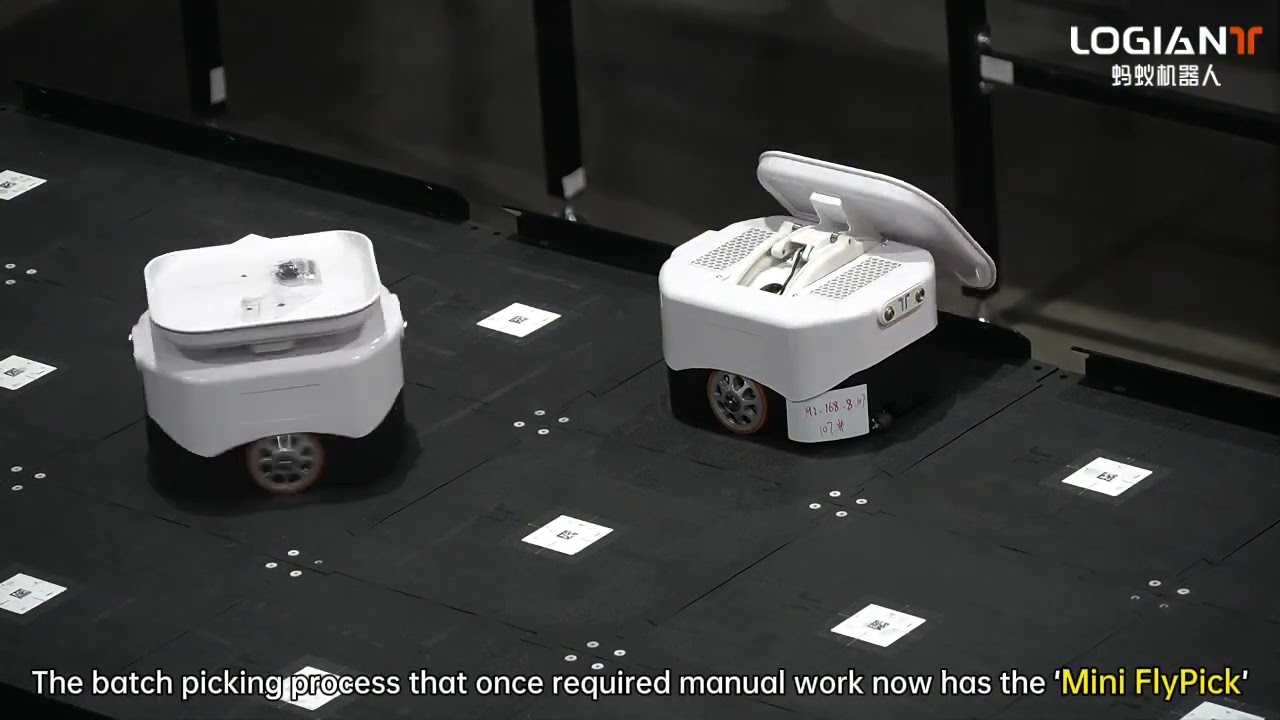
Mini FlyPick Robot: Compact High-Speed Sorting AMR
Others
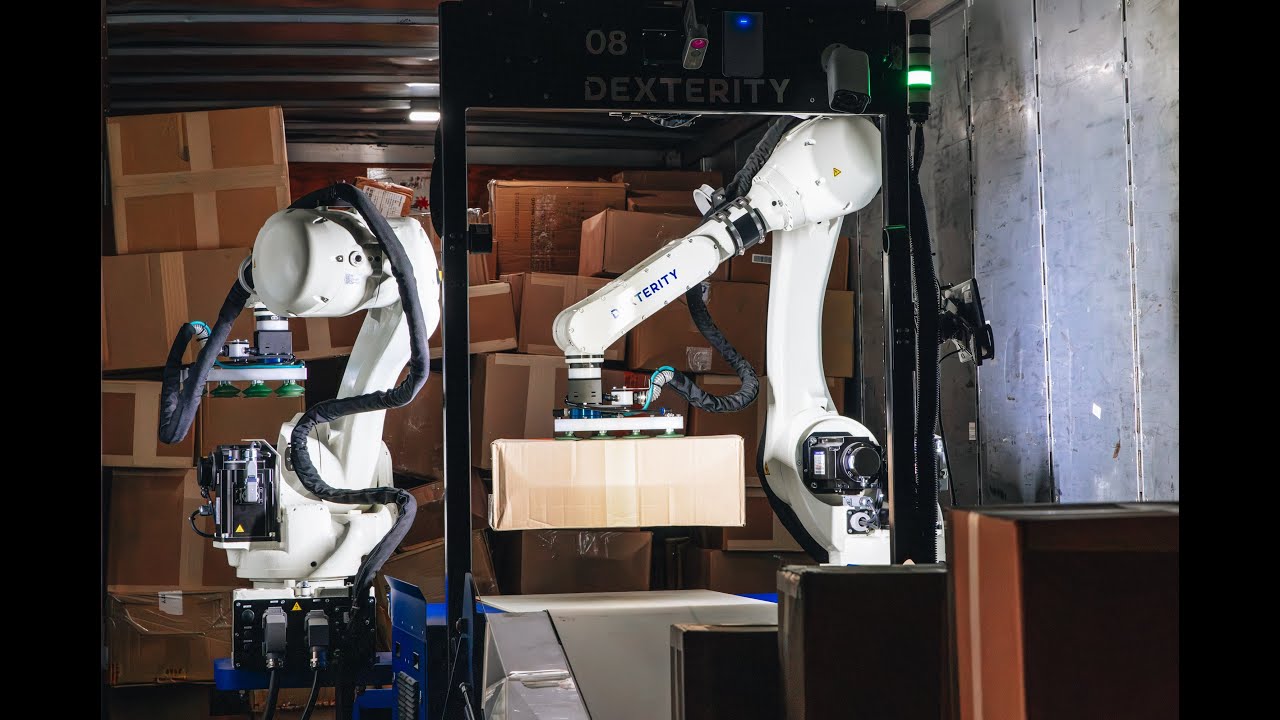
AI-Powered Robotic Truck Loading System
Others

TiltSort-Bot: Autonomous Mobile Robot (AMR) for Sortation
Conveyco