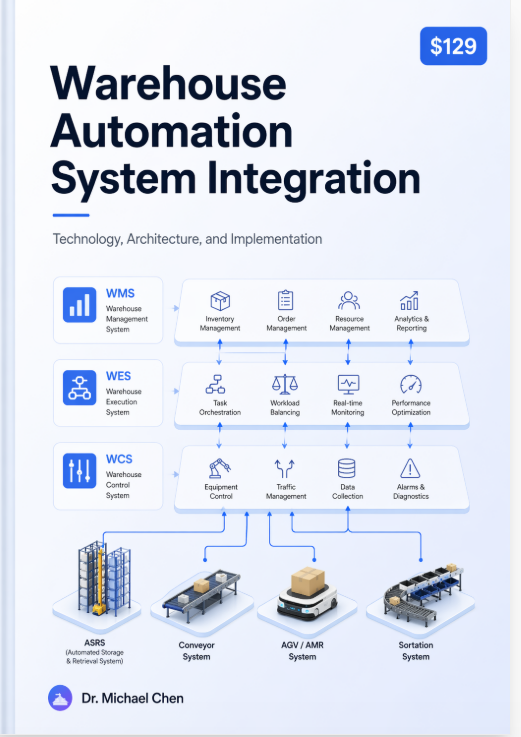
Cross Belt Sorter (Loop): High-Capacity Sorting System
Quick Facts
Technology Performance Metrics
⭐Key Features
Benefits
Applications
Detailed Information
Technology Overview
Falcon Autotech's Cross Belt Sorter (Loop) is a high-performance automated sortation system designed for applications demanding maximum throughput. Engineered as a continuous loop, this system utilizes a series of independently controlled cross-belt carriers that circulate on a track to sort items at very high speeds. It is built to handle a substantial weight capacity of up to 20 kilograms per individual belt, allowing it to sort a broad range of parcels and packages common in logistics, e-commerce, and parcel distribution. The system's standout feature is its impressive sorting capacity, which can reach up to 24,000 sorts per hour depending on the carrier configuration. This makes it a suitable solution for large-scale sorting hubs where volume and speed are critical operational metrics.
How It Works
Core Principles
The system operates on the cross-belt sorter principle within a loop (or continuous) layout. Items are inducted onto small, motorized conveyor belts (the "cross-belts") that are mounted on carriers. These carriers travel in a continuous loop. A central control system identifies each item (via barcode or other scanning), assigns it a destination chute or lane, and commands the appropriate cross-belt to discharge the item at the precise location as it passes by.
Key Features & Capabilities
High Weight Capacity: The ability to handle items up to 20 kg per belt is a significant feature, allowing the sorter to manage a wide spectrum of parcel sizes and weights, from envelopes to medium-sized boxes.
Ultra-High Sorting Capacity: With a potential maximum of 24,000 sorts per hour, this system is engineered for the most demanding sorting applications, such as national parcel hubs or mega e-fulfillment centers.
Loop Configuration: The continuous loop design allows for efficient use of space and provides a constant, circulating stream of carriers, which is key to achieving and sustaining high throughput rates.
Advantages & Benefits
The primary advantage is exceptional sorting speed and volume handling, which can dramatically increase the processing capability of a distribution center. Automation of a labor-intensive process reduces reliance on manual sorting and minimizes errors. The ability to handle heavier items expands the range of products that can be automated through the sorter. For large-scale operations, this technology can be a critical enabler for meeting service-level agreements and scaling operations.
Implementation Considerations
Achieving the maximum stated throughput of 24,000 sorts per hour is contingent on using the appropriate carrier type and having a perfectly tuned induction and control system. Implementing such a high-capacity sorter is a major project requiring substantial floor space, high ceilings, and integration with comprehensive conveyor networks upstream and downstream. The investment is significant and is typically justified only by very high daily volumes.
Use Cases & Applications
Ideal For
This sorter is ideal for national or regional parcel sorting centers for major courier companies, large third-party logistics (3PL) providers, and giant e-commerce fulfillment centers that process millions of items daily.
Conclusion
Falcon Autotech's Cross Belt Sorter (Loop) represents a high-end solution in the world of automated sortation, targeting operations where volume is the paramount concern. Its high weight capacity and potential for extremely high throughput make it a powerful tool for large logistics players. While the system requires a major capital commitment and significant physical infrastructure, for facilities processing tens of thousands of items per hour, it offers a path to achieving levels of efficiency and speed that are unattainable with manual or lower-throughput automated systems. Success depends on careful system design, carrier selection, and seamless integration into the broader material handling workflow.
Vendor
Falcon AutotechRelated Technologies

Sorting Technology Demonstration and Testing
EuroSort

TiltSort-Bot: Autonomous Mobile Robot (AMR) for Sortation
Conveyco
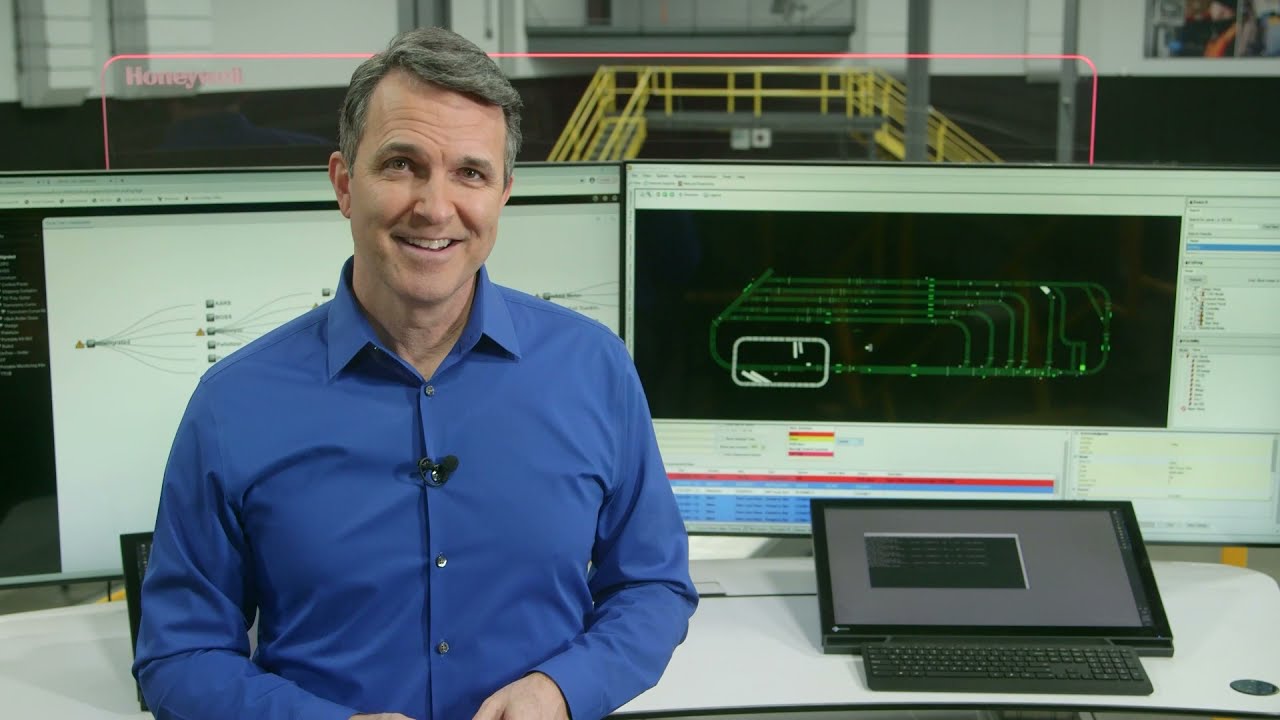
Momentum WES: Next-Generation Warehouse Execution and Control
Honeywell Intelligrated