Dematic Goods-to-Person AMR: Next-Generation Autonomous Mobile Robot
Quick Facts
Technology Performance Metrics
⭐Key Features
Benefits
Applications
Detailed Information
Technology Overview
In today's demanding logistics environment, warehouses face persistent challenges such as labor shortages, pressure to accelerate order fulfillment, and the inefficiencies of legacy manual workflows. Dematic's Goods-to-Person Autonomous Mobile Robot (AMR) is presented as a next-generation solution designed to directly address these issues and transform warehouse productivity. As an evolution of goods-to-person automation, this AMR system leverages autonomous mobility to bring storage units directly to stationary pickers, but with enhanced intelligence, flexibility, and scalability. It aims to modernize operations by replacing outdated processes with a dynamic, robot-driven workflow that can adapt in real-time, making it a strategic tool for supply chains across diverse industries, from automotive to retail, seeking to do more with less.
How It Works
Core Principles
The core principle is goods-to-person picking enabled by autonomous mobile robots. Instead of workers walking to storage locations, fleets of AMRs autonomously retrieve mobile shelving units or totes from a storage area and transport them to fixed ergonomic picking workstations.
Key Features & Capabilities
Next-Generation AMR Design: The system is built on advanced AMR technology, implying improvements in navigation intelligence, reliability, and integration capabilities over earlier models. This allows for more seamless operation in complex warehouse environments.
Real-Time Flexibility: A key capability is the system's ability to adapt to changes in real-time. The AMR fleet can be dynamically re-tasked based on shifting order priorities, peaks in demand, or changes in workflow, providing operational agility that fixed automation or rigid processes lack.
Broad Industry Scalability: The design is emphasized as scalable and suitable for "any industry," from automotive to retail. This suggests the system can be configured with different storage pod types (for parts, apparel, etc.) and scaled in terms of the number of robots and workstations to match the specific throughput and space requirements of diverse operations.
Advantages & Benefits
Accelerated Picking Speeds and Productivity: By eliminating worker travel time and presenting items directly to the picker, the system significantly increases picks per hour per worker. This directly addresses the problem of slow order fulfillment, helping to meet faster delivery promises.
Mitigation of Labor Shortages and Optimization of Resources: The system reduces the dependency on a large, mobile picking labor force. It allows existing staff to be more productive and can help operations maintain or increase output levels even in tight labor markets, enabling supply chains to run "with fewer resources."
Modernization of Outdated Workflows: For warehouses relying on paper-based picking, extensive walking, or inefficient layouts, implementing this AMR system represents a leap into modern, data-driven automation. It transforms chaotic workflows into a streamlined, software-controlled process.
Implementation Considerations
Implementing a goods-to-person AMR system requires evaluating the current warehouse layout and storage media to ensure compatibility with the mobile pods. The warehouse management software must be capable of integrating with the AMR fleet management system for seamless order routing. While scalable, the initial deployment should be sized appropriately, with a plan for expanding the robot fleet and workstation count as volumes grow.
Use Cases & Applications
Ideal For
This technology is ideal for distribution centers, third-party logistics (3PL) providers, and retail fulfillment centers handling a high volume of small-item orders where picking efficiency is a critical bottleneck.
Conclusion
Dematic's Goods-to-Person AMR system offers a compelling, flexible, and scalable automation path for warehouses seeking to overcome contemporary challenges. By combining the productivity gains of goods-to-person methodology with the adaptability of modern autonomous mobile robots, it provides a tool to dramatically increase picking speed, make better use of available labor, and modernize outdated operations. Its emphasis on real-time flexibility and cross-industry applicability makes it a versatile solution for supply chains under pressure to become more responsive and efficient. For businesses in automotive, retail, and beyond, looking to move smarter and faster, this next-generation AMR system represents a strategic investment in building a more resilient and productive fulfillment operation.
Related Projects
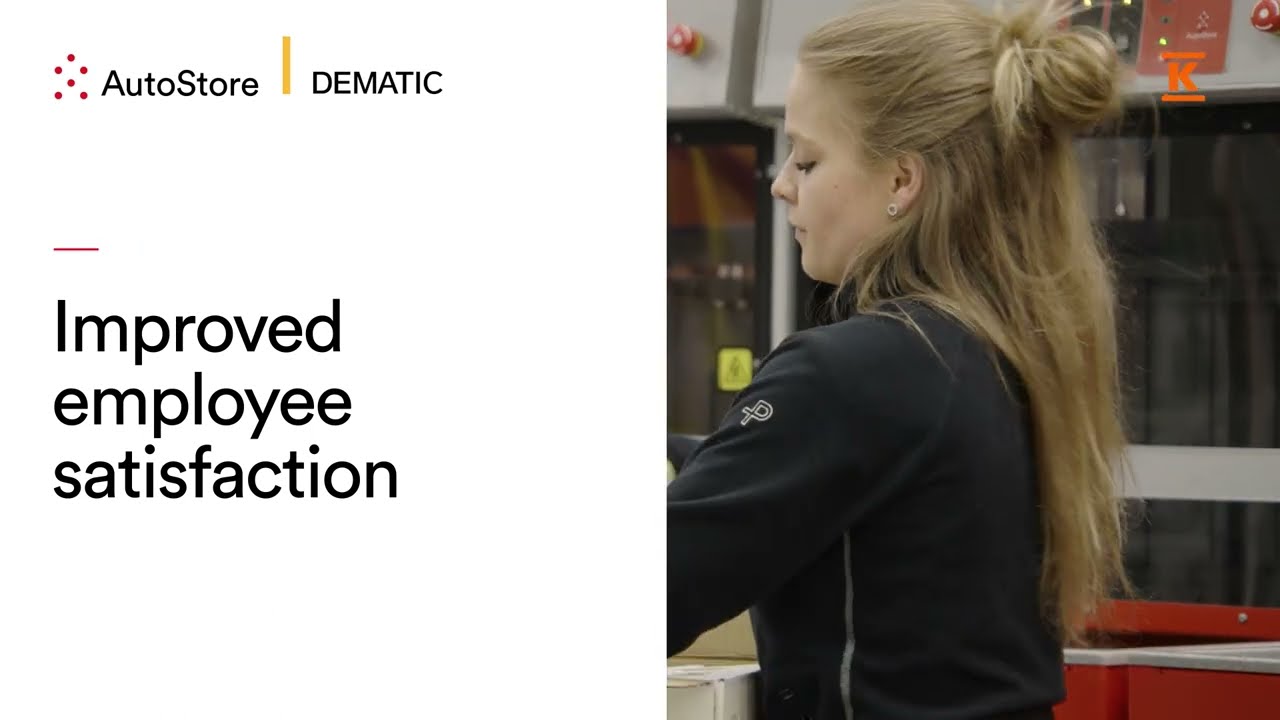
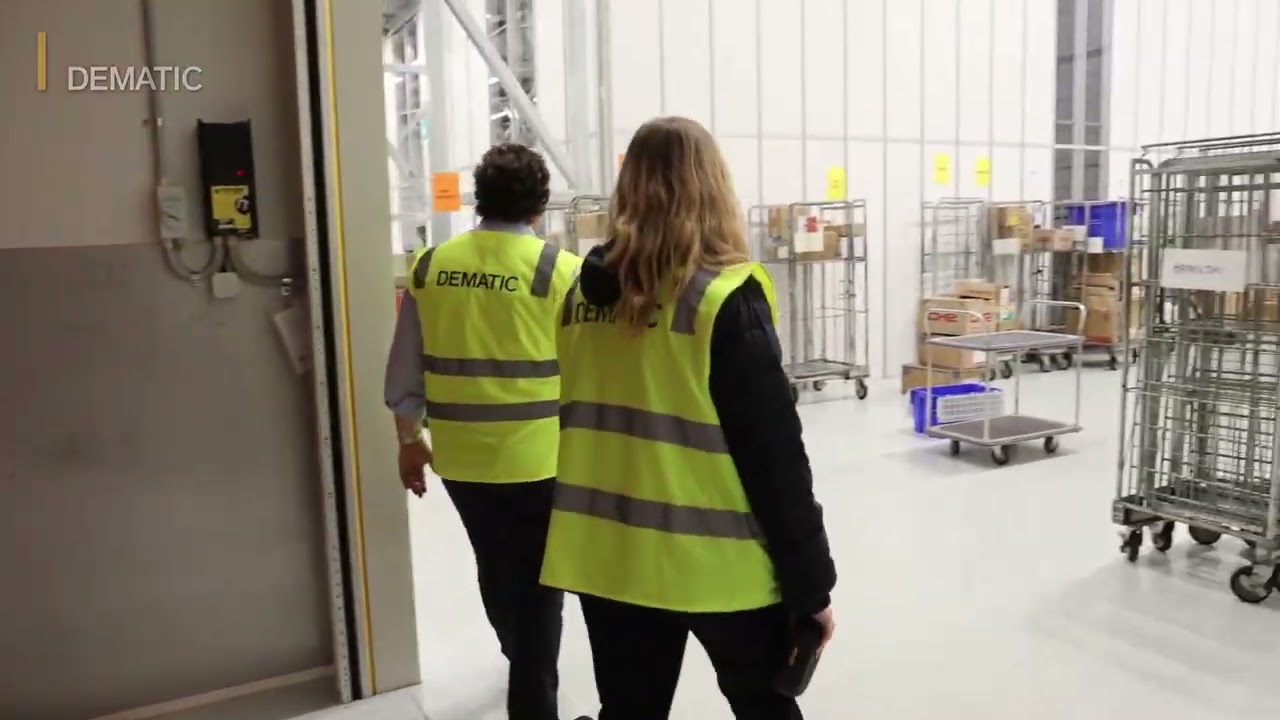
Kesko Helsinki Micro-Fulfillment Center (MFC)
Kesko deployed Finland's first grocery micro-fulfillment center featuring a Dematic AutoStore system in a chilled environment, doubling daily volumes and enabling 6-hour delivery.
South West Healthcare Warrnambool Regional Logistics Distribution Centre
South West Healthcare deployed a Dematic AutoStore system to boost inventory capacity by 500% for its regional medical supply network, storing 6-8 weeks of stock in a reduced footprint.
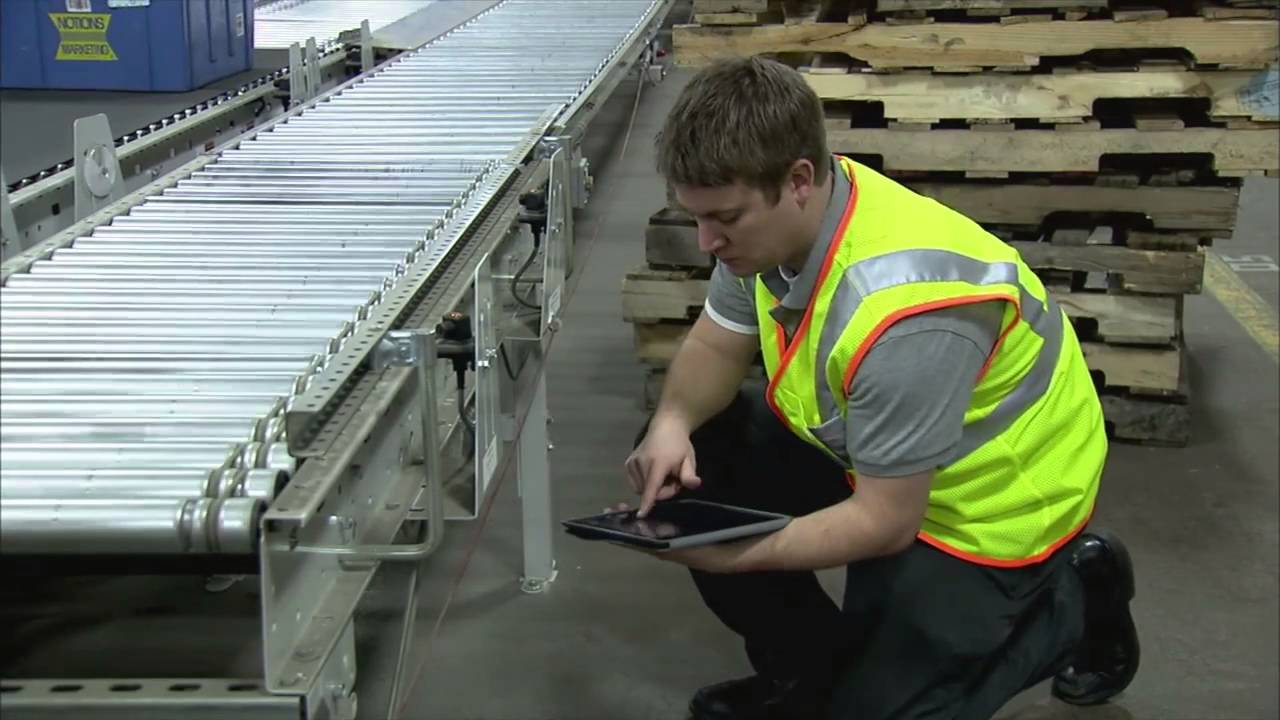
Notions Marketing Distribution Center with Dematic CMMS - Grand Rapids
A 75-year-old distribution company transformed maintenance operations with Dematic CMMS, reducing reactive repairs by 50% while managing extensive conveyor and sorter networks for big-box retail fulfillment.
Related Knowledge
Robotic Case Picking
Advanced robotic case picking systems that combine industrial robotics with intelligent vision systems to automate the handling of full cases and cartons, delivering exceptional speed, precision, and reliability in high-volume distribution operations.
Robotic Piece Picking
Advanced robotic systems that use AI and computer vision to automatically select and pick individual items from diverse inventory, revolutionizing warehouse fulfillment operations with human-like dexterity and intelligence.
Voice Picking Systems
Voice picking systems revolutionize warehouse operations by enabling hands-free, eyes-free order fulfillment through speech recognition technology. Workers receive spoken instructions through wireless headsets and confirm actions verbally, dramatically improving productivity, accuracy, and safety while reducing training time.
Vendor
DematicRelated Technologies
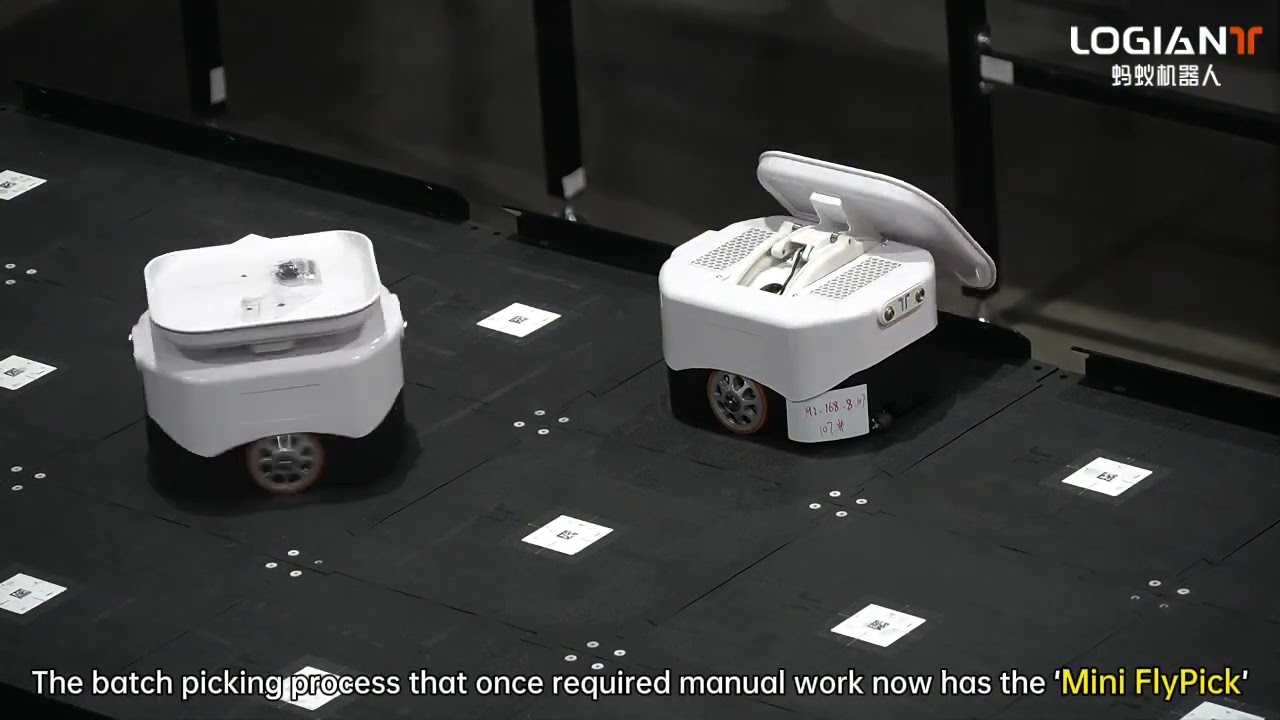
Mini FlyPick Robot: Compact High-Speed Sorting AMR
Others
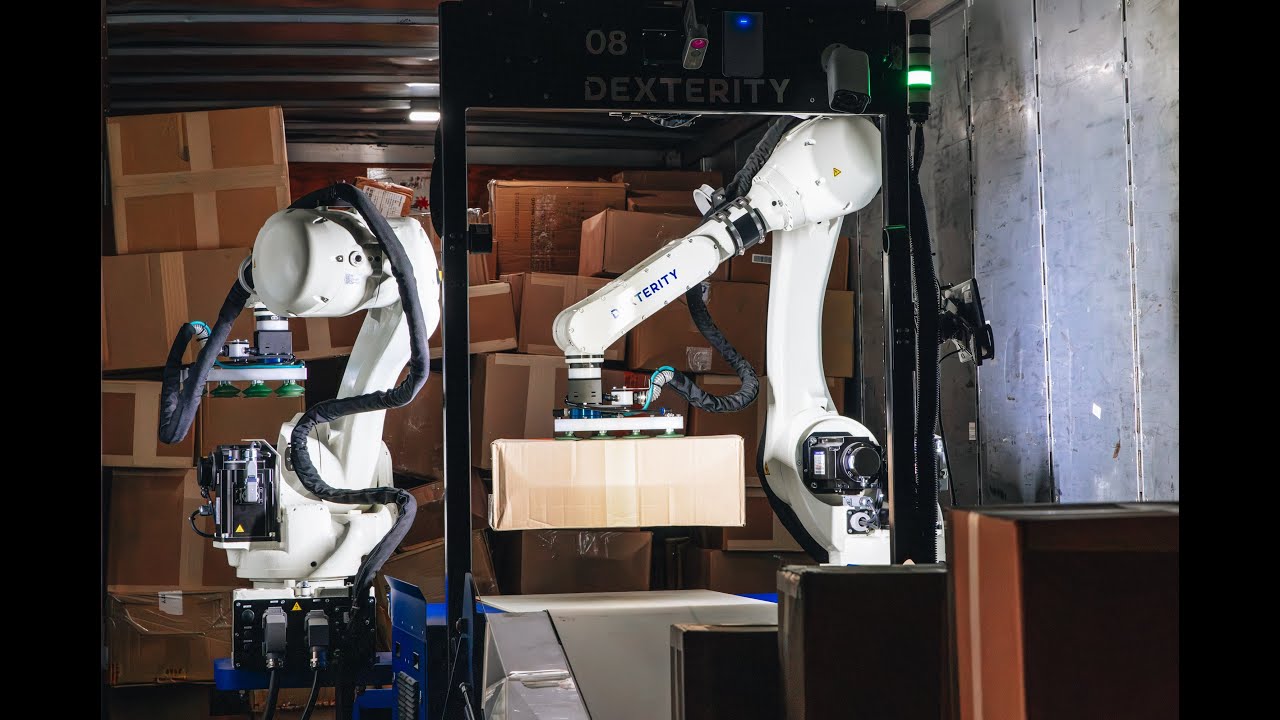
AI-Powered Robotic Truck Loading System
Others

TiltSort-Bot: Autonomous Mobile Robot (AMR) for Sortation
Conveyco