Unit Load AGV: Automated Transport for Pallets & Loads
Quick Facts
Technology Performance Metrics
⭐Key Features
Benefits
Applications
Detailed Information
Technology Overview
The Unit Load AGV by Egemin Automation represents a key automation technology for the horizontal transport of palletized goods and other unit loads within industrial environments. Moving beyond manual forklifts or fixed conveyors, this Automated Guided Vehicle (AGV) provides flexible, driverless transportation between critical points in a facility. Its defining feature is the integrated conveyor or shuttle deck, which allows it not only to move loads but also to automatically pick them up and set them down at designated stands or conveyor interfaces. Equipped with advanced laser and inertial guidance, it navigates precisely through manufacturing plants, assembly lines, and distribution centers, forming a vital link in automated material flow systems for industries ranging from automotive to consumer goods distribution.
How It Works
Core Principles
The AGV operates by following a predefined virtual or physical path using its guidance system. Upon receiving a transport order, it navigates to the pick-up location, aligns itself, uses its onboard mechanism (conveyor/shuttle) to acquire the load, transports it along the route, and then transfers the load at the drop-off point—all without human intervention.
Key Features & Capabilities
Integrated Load Transfer Mechanism (conveyor or shuttle) is the key differentiator, enabling fully automated handoff without external equipment. Dual-Mode Guidance using both laser navigation (for flexible path planning) and inertial/magnet systems (for precise positioning) ensures reliable operation. Automated Interfacing allows seamless connection with other automated systems like conveyors and workstations.
Advantages & Benefits
The primary benefit is the automation of repetitive, heavy transport tasks, freeing up human labor for higher-value activities and reducing operational costs. It enables continuous, 24/7 material flow, increasing overall facility throughput. By integrating directly with conveyors and stands, it eliminates manual transfer points, reducing handling time and potential damage. The system offers high flexibility as routes can be easily reprogrammed to adapt to layout changes.
Implementation Considerations
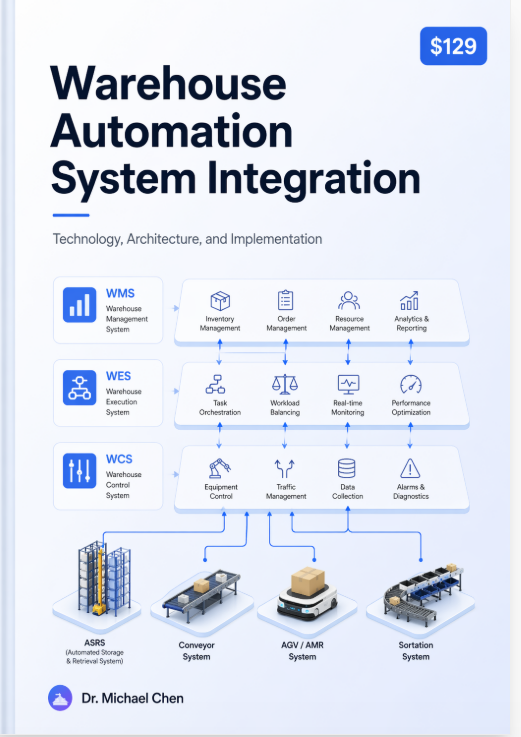
Implementing a Unit Load AGV system requires careful planning of traffic routes and integration points with existing material handling equipment. The facility floor needs to be suitable for AGV travel (smooth, level). Integration with a Warehouse Management System (WMS) or Warehouse Execution System (WES) is typically required for efficient task orchestration. The total cost of ownership includes the vehicles, guidance infrastructure, software, and maintenance.
Use Cases & Applications
Ideal For
This solution is ideal for facilities with high-volume, repetitive transport needs for pallets or large containers between fixed points, especially where integrating with conveyor systems or automated workstations is desired.
Conclusion
The Egemin Unit Load AGV is a robust and intelligent automation solution for streamlining the movement of palletized goods in modern industrial settings. By combining reliable autonomous navigation with automated load transfer capabilities, it effectively bridges gaps in material flow, enhances productivity, and reduces reliance on manual forklift operations. For manufacturing and distribution operations looking to increase efficiency, ensure consistent material delivery, and integrate transport into a broader automation strategy, implementing a Unit Load AGV system represents a significant step towards a more connected and productive facility.
Vendor
EgeminRelated Technologies
Piolax Canton Georgia Automotive Parts Distribution Center
Daifuku

Meyer Corporation USA Cookware Distribution Center
Daifuku
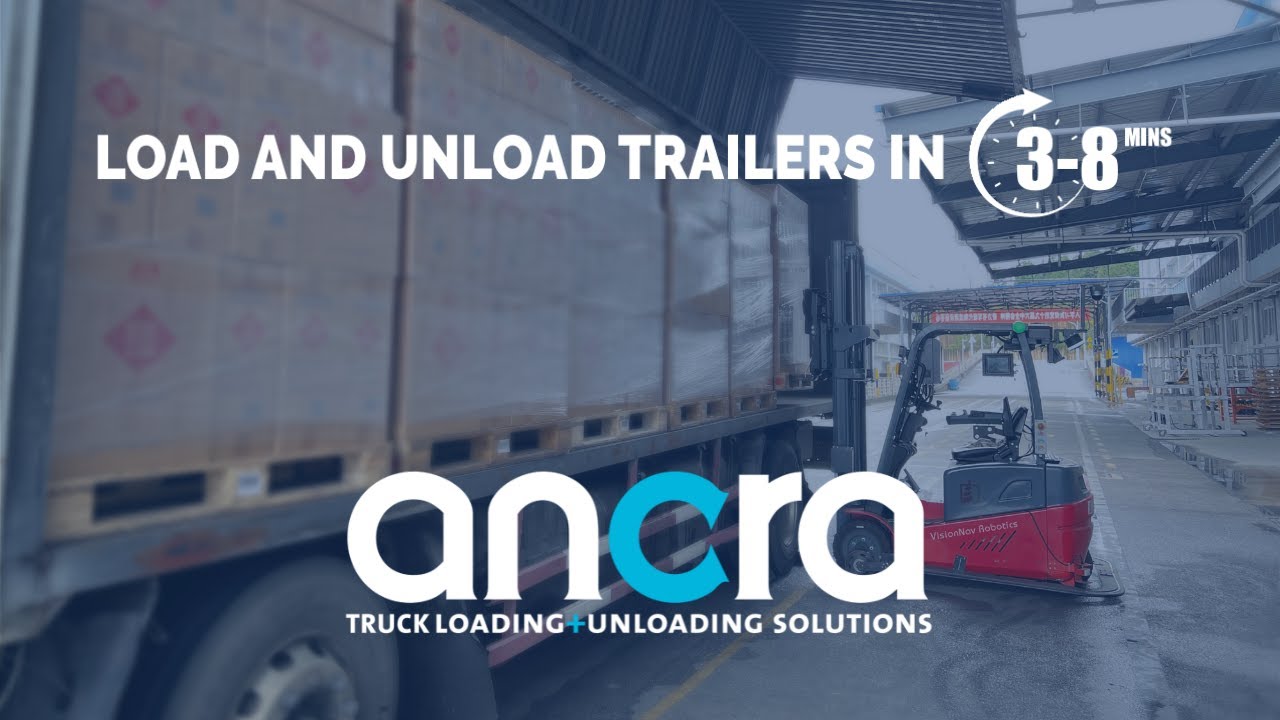
Side Loading & Unloading AGV: Strategic Partnership Announcement
Ancra Systems