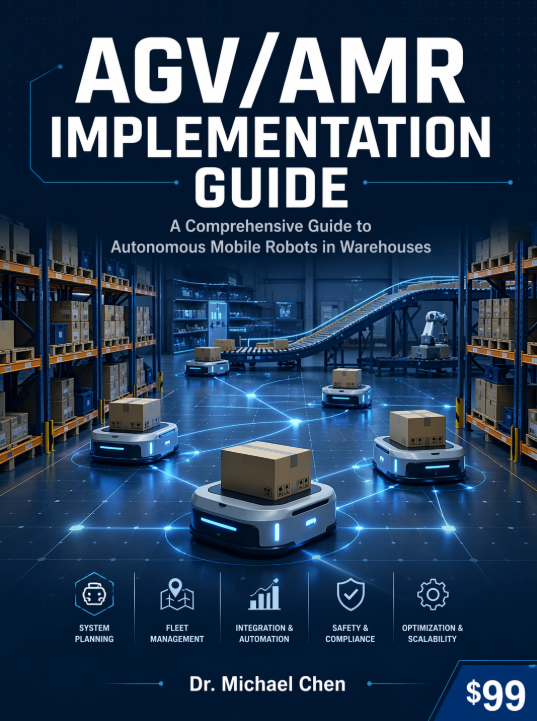
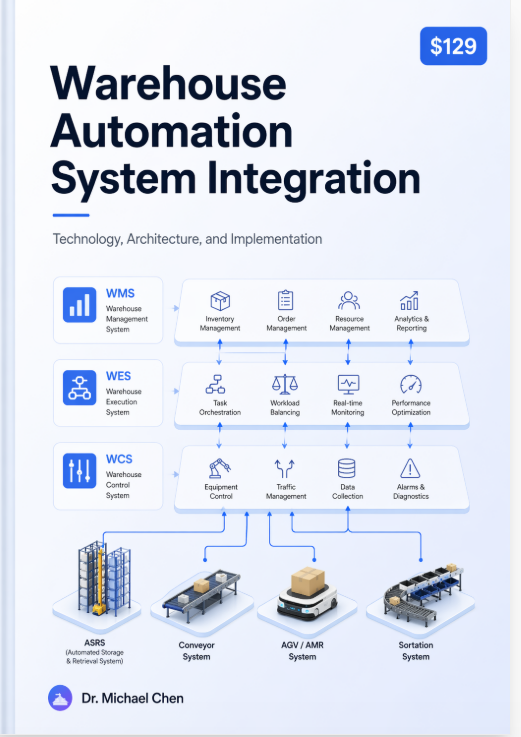
Swisslog Heavy Payload AMR: Flexible Horizontal Transport up to 3,000 kg
Quick Facts
Technology Performance Metrics
⭐Key Features
Benefits
Applications
Detailed Information
Technology Overview
In modern industrial and logistics settings, the need for flexible and reliable horizontal transport of heavy unit loads is paramount. Swisslog's Autonomous Mobile Robot (AMR) series addresses this challenge by providing a versatile automated solution designed for demanding and dynamic environments. Unlike fixed conveyor systems or guided vehicles that require extensive infrastructure, these AMRs are built to adapt. They are engineered to handle substantial payloads up to 3,000 kg, making them suitable for moving palletized goods, large components, or heavy carts. Their core strength lies in their ability to adjust to volatile operational conditions and changing transport demands, offering a future-ready approach to material movement that prioritizes flexibility and integration.
How It Works
Core Principles
The core principle is autonomous, flexible horizontal transportation using mobile robots. The AMRs navigate freely within a facility using a hybrid navigation system that maps and references fixed environmental features, allowing them to calculate optimal routes and adjust to obstacles or changes in real-time.
Key Features & Capabilities
High Payload Capacity and Versatility: A standout feature is the ability to transport payloads up to 3,000 kg. This capacity covers a broad spectrum of industrial and logistics needs, from standard pallets to heavy machinery components, making it a versatile alternative to forklifts or fixed transport systems.
Hybrid Navigation for Precision and Adaptability: The use of hybrid navigation is a key capability. By relying on the existing environment (walls, columns, machinery) as reference points, the AMRs achieve a high degree of position accuracy without requiring extensive and costly floor-installed guides (like magnetic tape or reflectors). This also allows for easier re-routing and layout adjustments.
Designed for Volatility and Fast Deployment: The AMRs are explicitly engineered for environments with high demand for flexibility. They can quickly adapt to new transport tasks, route changes, or shifts in production schedules. This design philosophy extends to implementation, where the navigation system supports fast commissioning, reducing the time to operational readiness.
Advantages & Benefits
Unmatched Operational Flexibility: The system's greatest benefit is its adaptability. It can efficiently respond to peak demands, seasonal fluctuations, or complete reconfigurations of the production or warehouse layout without the need for physical changes to infrastructure.
Reduced Implementation Complexity and Time: The hybrid navigation system minimizes the need for installing and maintaining fixed guide paths. Combined with fast commissioning, this significantly reduces the complexity, cost, and downtime associated with deploying automated transport solutions.
Enhanced Safety and System Integration: By automating the movement of heavy loads, the AMRs reduce the risks associated with manual forklift operation. Furthermore, Swisslog's emphasis on system integration ensures that the AMR fleet works seamlessly as a component within a larger automated ecosystem (e.g., connecting production lines to AS/RS or packaging stations), delivering high added value.
Implementation Considerations
Successful implementation requires a stable physical environment with consistent reference features for the hybrid navigation to function optimally. The choice of load-handling interface (forks, lift deck, etc.) must match the specific unit loads used in the facility. While flexible, the overall efficiency of the fleet is dependent on the sophistication of the task management and traffic coordination software.
Use Cases & Applications
Ideal For
This AMR series is ideal for manufacturing facilities (automotive, aerospace, heavy equipment), large distribution centers, and production logistics where the transport of heavy unit loads is frequent and routes may need to change.
Conclusion
Swisslog's heavy-payload AMR series offers a powerful and intelligent solution for automating horizontal transport in complex, dynamic environments. By combining substantial load capacity with advanced hybrid navigation and a design philosophy centered on flexibility, it addresses the core challenges of modern intralogistics: adaptability, efficiency, and integration. For operations seeking to move beyond fixed automation or manual forklift fleets to a more responsive and scalable transport layer, these AMRs provide a future-ready path. They enable businesses to adjust quickly to changing demands, optimize floor space, improve safety, and seamlessly integrate transport into a broader automated workflow, ultimately delivering significant operational and strategic value.
Related Projects
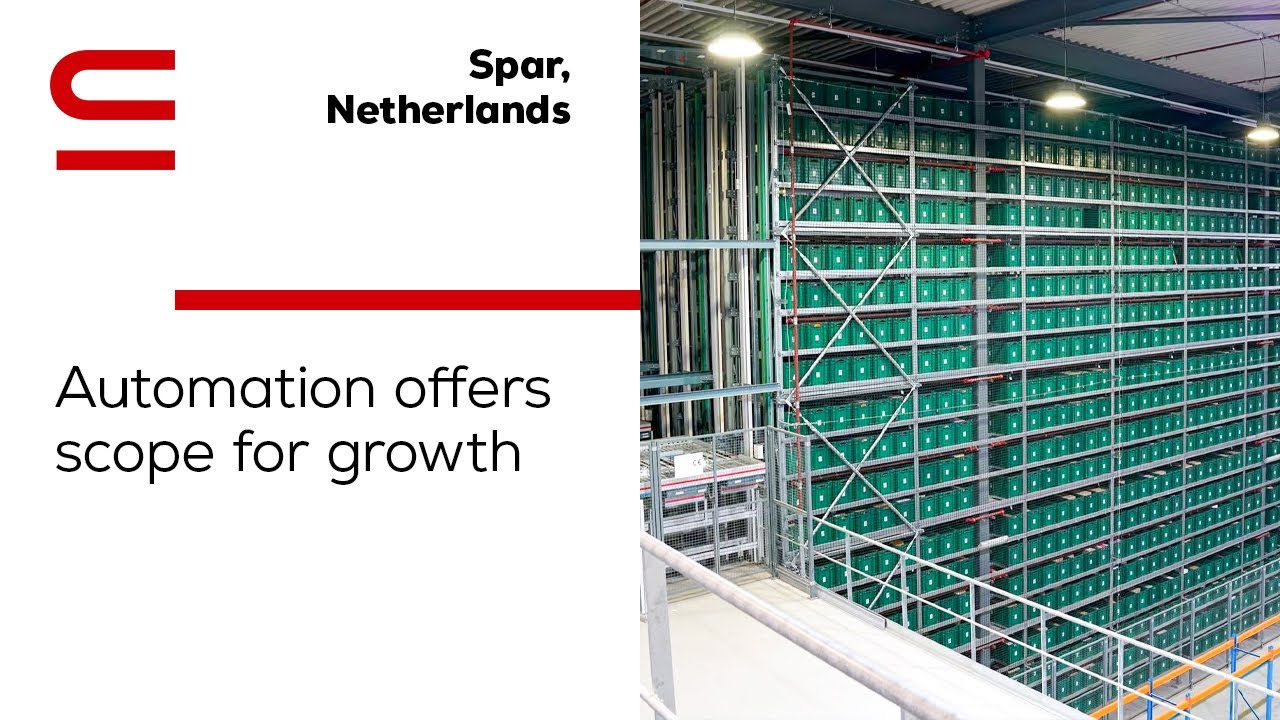
Spar Waalwijk Distribution Center
Spar's mechanized distribution solution handling slow and medium moving items with Swisslog automation, supporting rapid retail expansion of 3 new stores weekly.
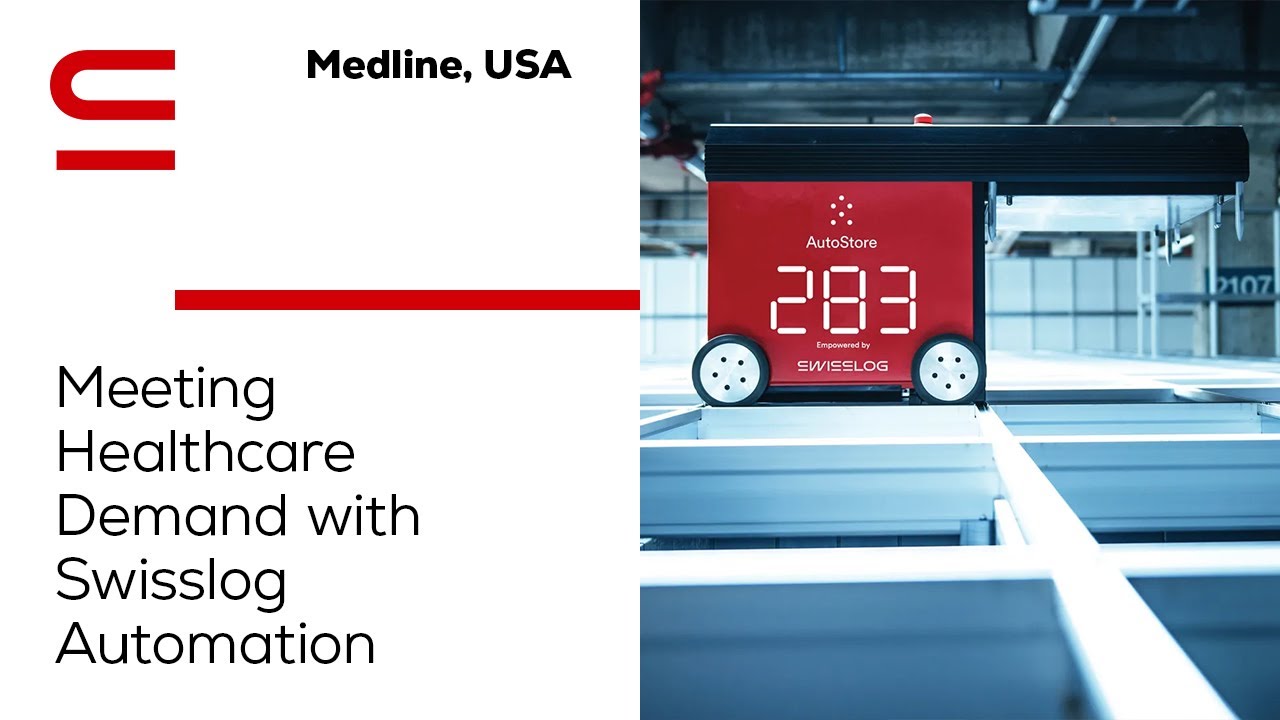
Medline Industries Healthcare Distribution Center
First US deployment of Swisslog AutoStore system achieving 1,000 picks per hour per person, five times faster than traditional manual picking for healthcare supply distribution.
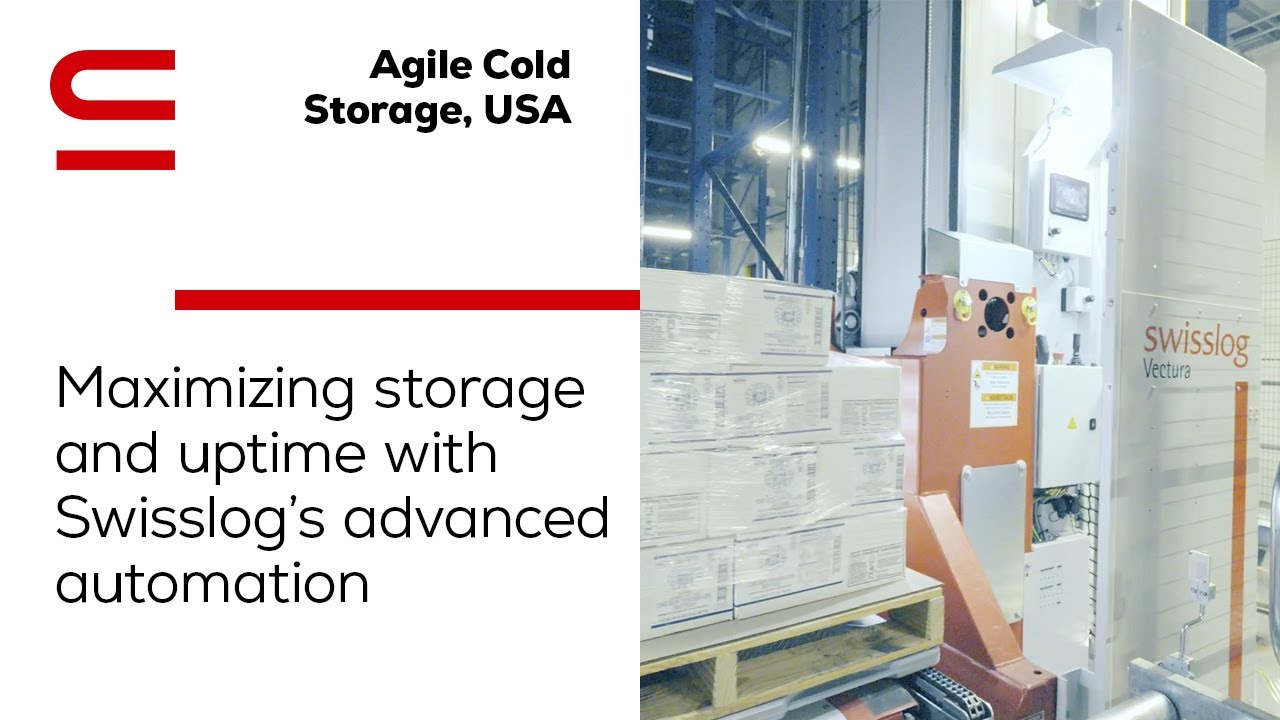
Agile Cold Storage Distribution Center
Third-party cold storage facility tripling pallet capacity to 48,000 in 110,000 sq ft using Swisslog ASRS with SynQ software, serving food manufacturers and global export markets.
Vendor
SwisslogRelated Technologies
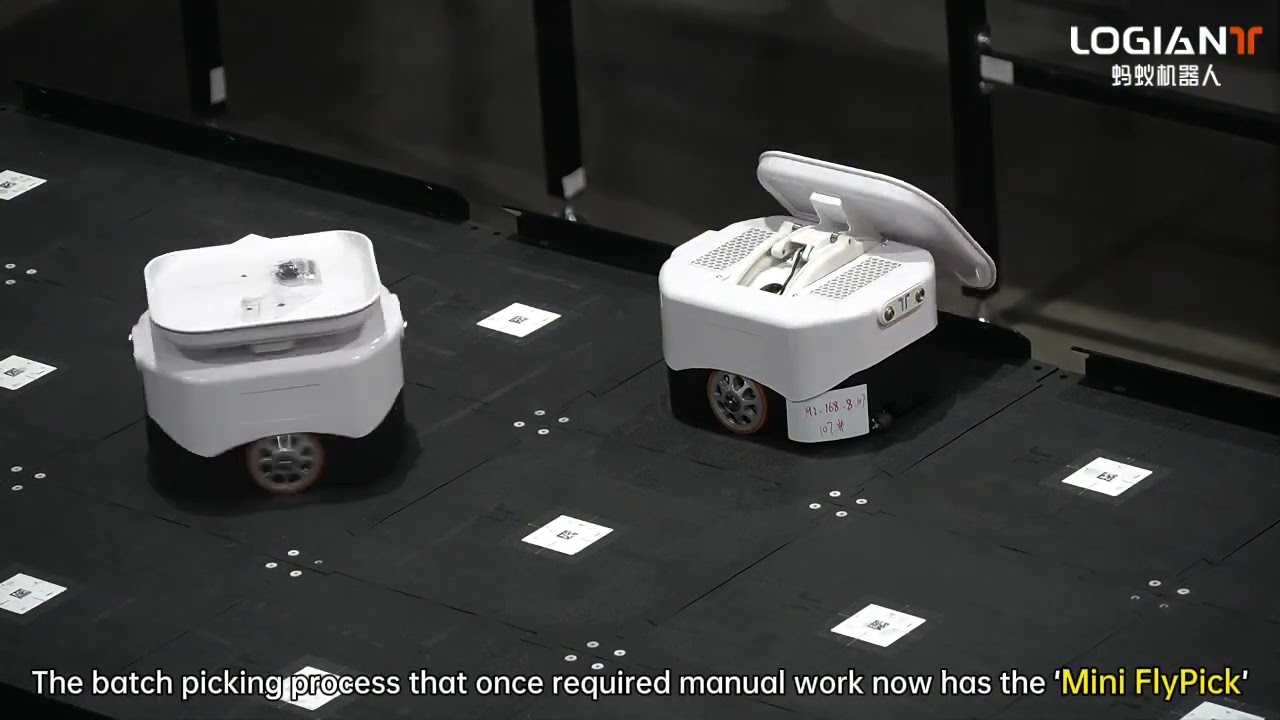
Mini FlyPick Robot: Compact High-Speed Sorting AMR
Others
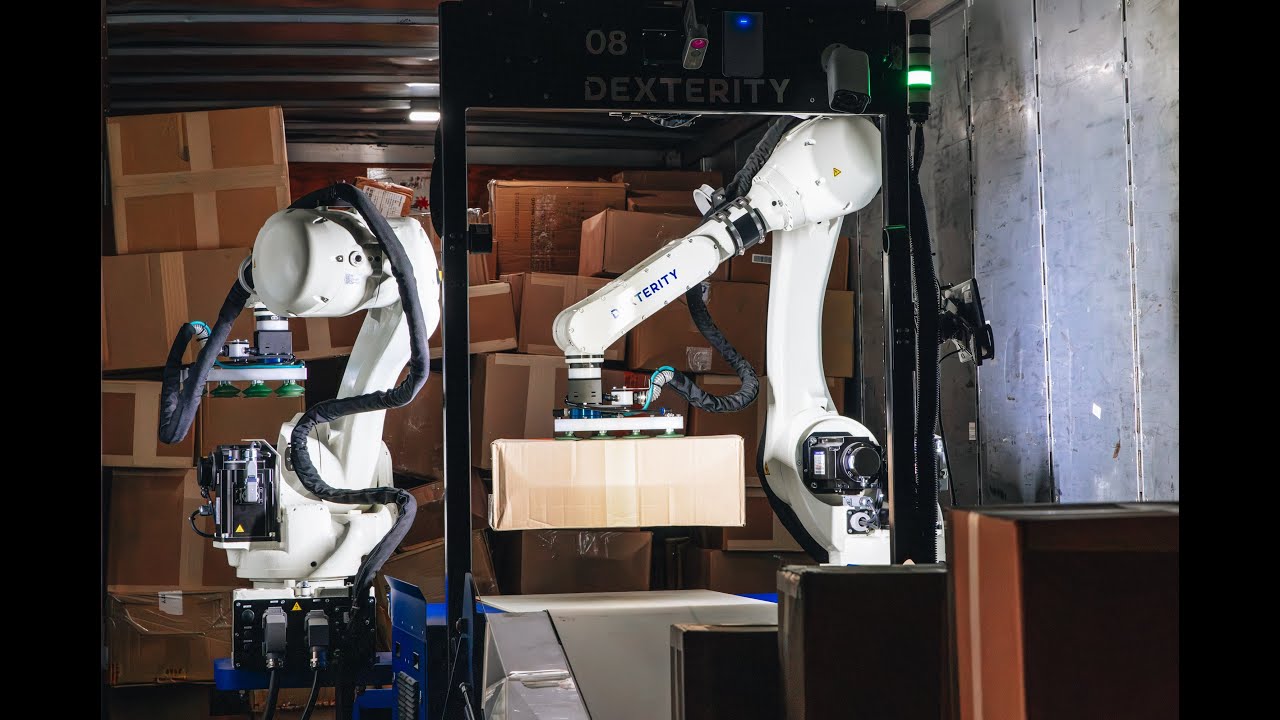
AI-Powered Robotic Truck Loading System
Others
Piolax Canton Georgia Automotive Parts Distribution Center
Daifuku