Selective Pallet Racking: Universal Warehouse Storage System
Quick Facts
Technology Performance Metrics
⭐Key Features
Benefits
Applications
Detailed Information
Technology Overview
Selective pallet racking is the foundational and most prevalent storage system found in warehouses globally. Its simplicity, versatility, and efficiency make it the go-to solution for a vast range of industries. The system is based on a straightforward design of vertical upright frames connected by horizontal load beams, creating accessible storage bays for individual pallets. This configuration is specifically engineered to support operations with diverse product ranges and high turnover rates, where immediate and unimpeded access to every unit load is critical. It forms the backbone of organized storage, enabling systematic inventory management and streamlined material handling.
How It Works
Core Principles
The system operates on the principle of direct accessibility. Each pallet is stored in its own dedicated location within a single-deep row. Forklifts can drive directly up to any specific pallet position to store or retrieve it without having to move other pallets, following a "first-in, first-out" (FIFO) or "first-in, last-out" (FILO) access pattern.
Key Features & Capabilities
Direct Pallet Access is the defining feature, ensuring every single pallet is immediately available, which is paramount for operations with many SKUs. Full Customizability allows the system to be tailored to any building dimension, pallet size, and weight requirement by adjusting bay widths, depths, and beam heights. Simple and Robust Construction using standardized components makes it highly reliable and easy to understand. Ease of Installation and Reconfiguration means layouts can be modified as operational needs change.
Advantages & Benefits
The primary advantage is its unmatched flexibility for high-SKU environments, making it ideal for e-commerce fulfillment, omnichannel retail, and consumer goods distribution. It enables fast picking and high throughput because there are no access delays. The system is highly scalable; additional racking can be added incrementally. It represents a cost-effective storage solution with a favorable balance of upfront investment, functionality, and operational efficiency. It also organizes the warehouse floor for safer and more predictable forklift traffic.
Implementation Considerations
While highly efficient for access, selective racking requires wider aisles compared to drive-in or push-back systems, which affects overall storage density. The choice of forklift (counterbalance, reach truck) dictates the minimum required aisle width and influences the system's space efficiency. Proper design by specialists is crucial to ensure load capacities, seismic requirements, and operational workflows are optimally addressed.
Use Cases & Applications
Ideal For
This system is ideal for virtually any warehouse storing palletized goods, especially those with a large number of different products, high turnover rates, and a need for random access to all inventory.
Conclusion
Selective pallet racking remains the workhorse of the warehousing world for good reason. Its simple, accessible, and flexible design solves the fundamental storage challenge for a multitude of businesses. By providing direct access to every pallet, it supports efficient operations, high inventory turnover, and easy adaptation to changing product mixes. For companies seeking a reliable, cost-effective, and highly functional storage foundation, selective racking is an excellent and proven choice that maximizes space utility and operational efficiency.
Related Knowledge
Storage
Storage is the warehouse process of holding inventory in organized locations until needed, balancing space utilization, accessibility, and inventory control to support efficient operations.
Cold Storage Strategy
Cold storage and temperature-controlled warehousing are critical for preserving perishable goods throughout the supply chain. From frozen foods to pharmaceuticals, these specialized facilities maintain precise temperature conditions while optimizing energy efficiency and operational performance.
Vendor
OthersRelated Technologies
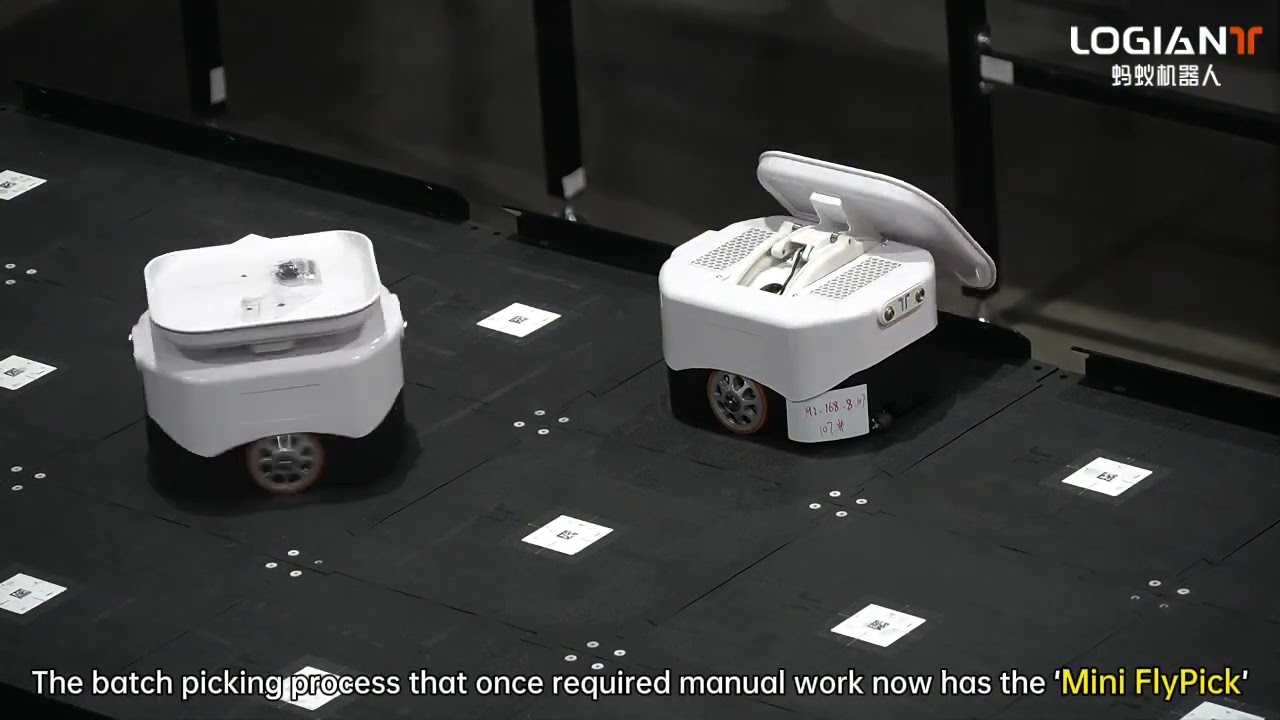
Mini FlyPick Robot: Compact High-Speed Sorting AMR
Others

Split Tray (Bomb Bay) Sorter Compilation: Versatile High-Speed Sortation
Others
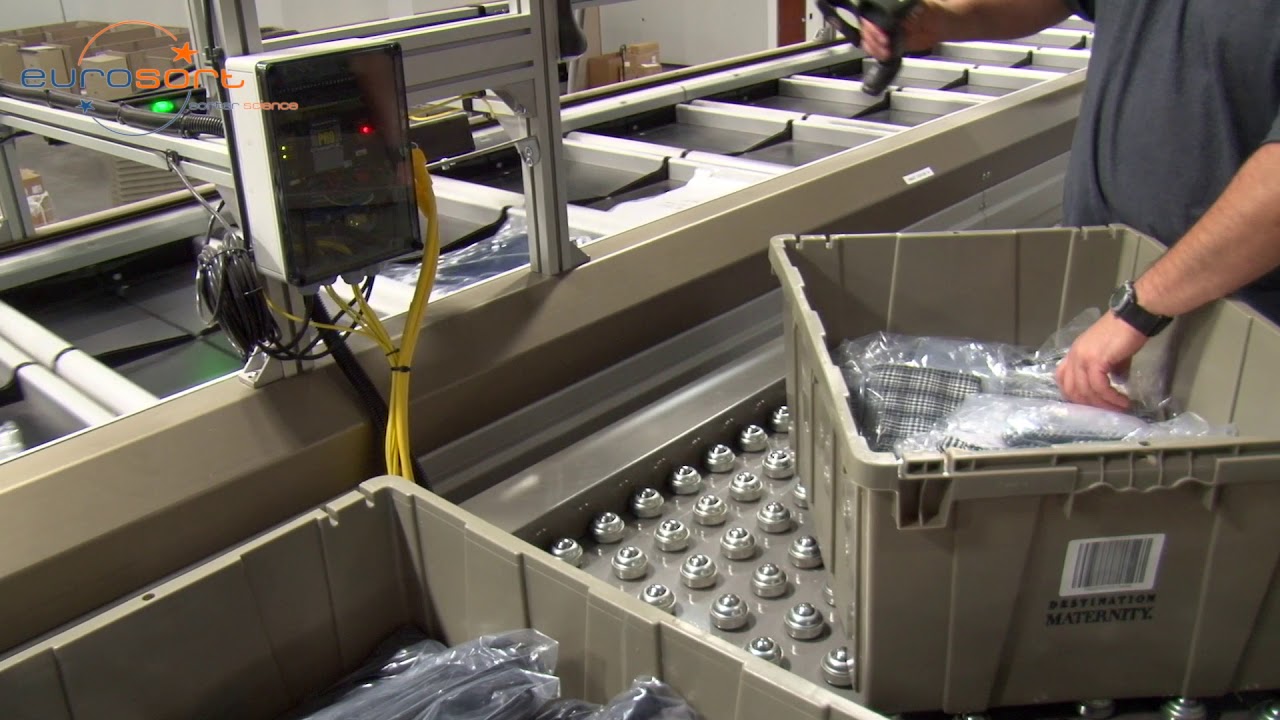
Patented Dual Split Tray (Bomb Bay) Sorter with Batch Induction
Others