Robo-Putwall Sortation System: AMR-Powered Tilt-Bot Sorting
Quick Facts
Technology Performance Metrics
⭐Key Features
Benefits
Applications
Detailed Information
Technology Overview
The Robo-Putwall sortation system, highlighted by Conveyco, is an automated solution designed to streamline the order consolidation process commonly handled by manual put-walls. This system combines the flexibility of Autonomous Mobile Robots (AMRs) with a specialized robotic arm—referred to as an "inserter/extractor" or "TiltSort Bot"—to automate the sorting of individual items (SKUs) into their respective customer order locations on a put-wall structure. The goal is to "supercharge" order sortation by removing the manual labor of walking, finding, and placing items, thereby increasing speed, reducing errors, and improving ergonomics. It is particularly suited for operations where batches of items for multiple orders need to be sorted simultaneously, a common scenario in e-commerce and retail fulfillment.
How It Works
Core Principles
The core principle is AMR-Fed, Robotic Put-Wall Sortation. The system automates the two main tasks of a manual put-wall: transporting items to the wall and accurately placing them into the correct bin. AMRs handle the transportation, while a stationary robotic arm performs the precise insertion. This creates a continuous, automated loop for sorting batch-picked items into discrete orders.
Key Features & Capabilities
AMR-Based Item Delivery provides flexibility. AMRs can bring items from various pick stations or storage areas to a central sortation point (the Robo-Putwall) without fixed conveyor paths, adapting to dynamic layouts and pick locations.
Robotic Inserter/Extractor (TiltSort Bot) ensures accuracy and speed. This robot replaces the human arm in the final placement, performing repetitive, precise movements quickly and without fatigue, which is critical for maintaining high throughput and order accuracy.
Integrated System for Batch Order Fulfillment creates a closed-loop automation cell. The seamless integration of mobile transport and fixed robotic manipulation is specifically designed for the put-wall workflow, turning a manual, labor-intensive process into a continuous automated one.
Advantages & Benefits
The primary benefit is Significant Labor Savings and Productivity Gain. By automating the walking and placing tasks of put-wall sorting, the system allows a single operator to potentially manage multiple stations or be redeployed to higher-value tasks, while the robotic system works continuously.
It enhances Order Accuracy and Process Consistency. Robotic placement minimizes mis-sorts. The system-driven process ensures every item is scanned and directed to the correct bin, virtually eliminating the errors common in manual put-wall operations.
The system offers Improved Ergonomics and Workforce Management. It removes the repetitive bending, reaching, and walking associated with manual put-walls, reducing physical strain and potential for injury. It also creates a more predictable and manageable workflow.
It provides Scalable Throughput. Multiple Robo-Putwall stations can be deployed in parallel. The use of AMRs means the feeding of these stations can be scaled by adding more robots, allowing the sortation capacity to grow with demand.
Implementation Considerations
Put-Wall Design and Integration is fundamental. The physical put-wall structure must be designed to interface reliably with the inserter/extractor robot. The size, spacing, and depth of the bins must be compatible with the robot's reach and the items being handled.
Item Handling and Presentation must be consistent. The system requires that items can be reliably transferred from the AMR to the robot and that they are presented in a way the robot can grip or push (e.g., not overly tangled or fragile). Standardized totes may be used.
Software Orchestration and Exception Handling is key. The control software must flawlessly manage the coordination between the WMS (providing order data), the AMR fleet management, and the robotic arm. Robust error recovery procedures (e.g., for missed scans, robot misses) are necessary to maintain system uptime.
Conclusion
The Conveyco Robo-Putwall system is a targeted and effective automation solution for operations heavily reliant on put-walls for order consolidation, such as e-commerce fulfillment and retail distribution centers. It is ideal for businesses looking to automate a known bottleneck, reduce labor costs, and improve order accuracy in their batch-pick-and-sort process. Its strength lies in its focused application of AMRs and robotics to a very specific and common workflow. Potential adopters should have a stable put-wall process and volume that justifies the automation investment. For facilities struggling with the scalability and labor intensity of manual put-walls, this system offers a clear path to a more efficient, accurate, and manageable order fulfillment operation.
Related Knowledge
Robotic Case Picking
Advanced robotic case picking systems that combine industrial robotics with intelligent vision systems to automate the handling of full cases and cartons, delivering exceptional speed, precision, and reliability in high-volume distribution operations.
Robotic Piece Picking
Advanced robotic systems that use AI and computer vision to automatically select and pick individual items from diverse inventory, revolutionizing warehouse fulfillment operations with human-like dexterity and intelligence.
Voice Picking Systems
Voice picking systems revolutionize warehouse operations by enabling hands-free, eyes-free order fulfillment through speech recognition technology. Workers receive spoken instructions through wireless headsets and confirm actions verbally, dramatically improving productivity, accuracy, and safety while reducing training time.
Vendor
OthersRelated Technologies
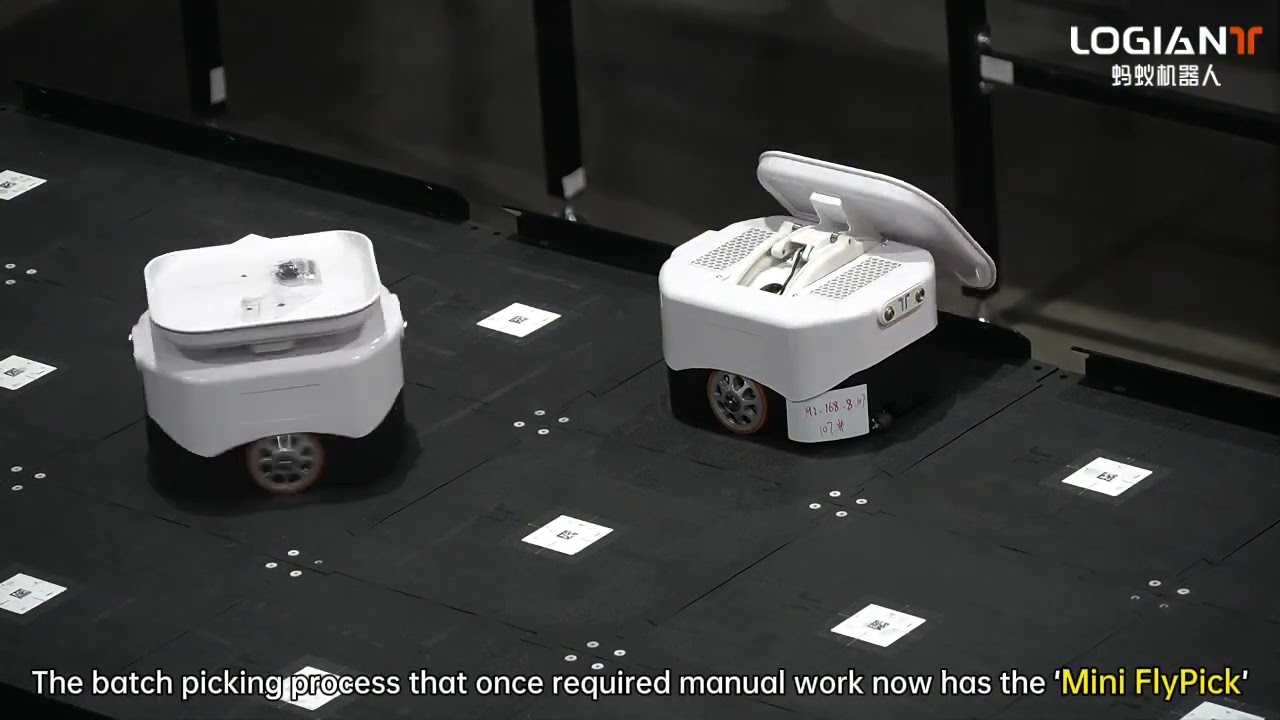
Mini FlyPick Robot: Compact High-Speed Sorting AMR
Others

Split Tray (Bomb Bay) Sorter Compilation: Versatile High-Speed Sortation
Others
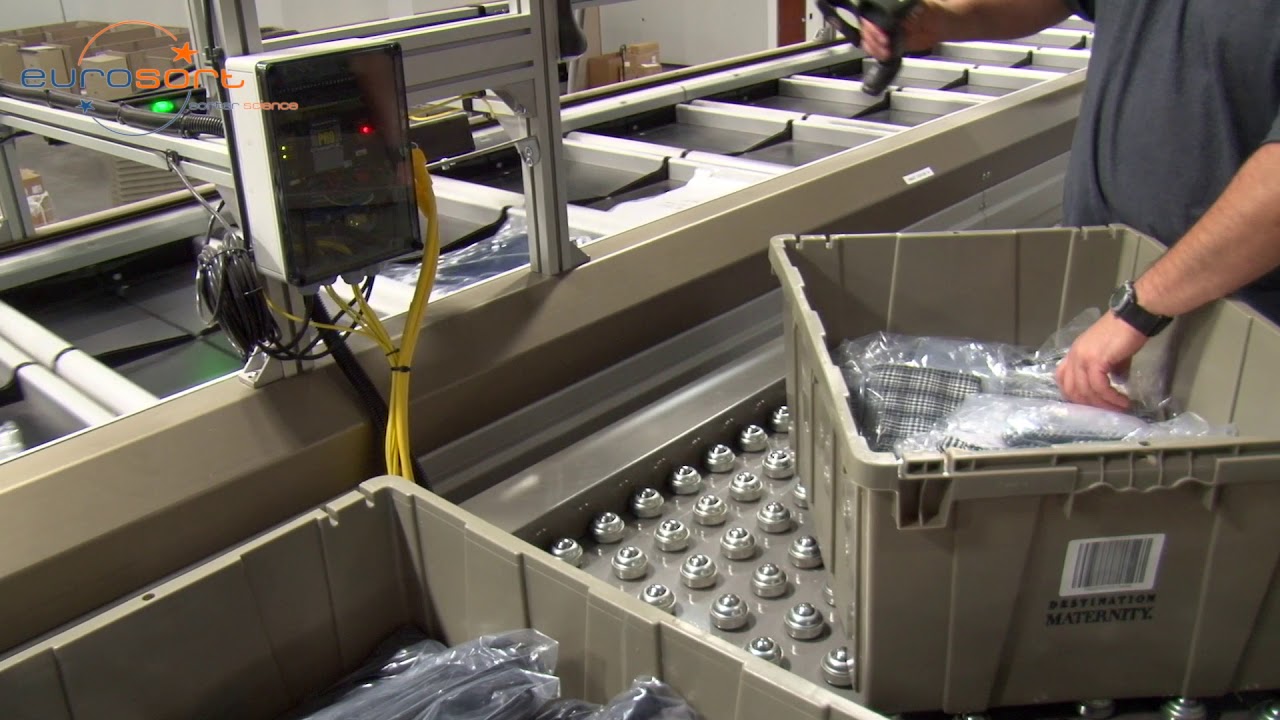
Patented Dual Split Tray (Bomb Bay) Sorter with Batch Induction
Others