AMR System: High-Density Bin-to-Person Fulfillment
Quick Facts
Technology Performance Metrics
⭐Key Features
Benefits
Applications
Detailed Information
Technology Overview
The QuickBin system represents a large-scale implementation of the Goods-to-Person (G2P) automation paradigm, specifically designed for bin-handling operations. Developed by Quicktron, this technology is engineered for massive fulfillment centers that manage an extensive inventory of small to medium-sized items. By storing goods densely in tens of thousands of portable bins and using a coordinated fleet of Autonomous Mobile Robots (AMRs) to retrieve and deliver these bins to stationary pickers, the system transforms order fulfillment into a highly efficient, ergonomic, and scalable process. It is a leading solution for businesses facing the challenges of e-commerce growth, SKU proliferation, and labor optimization.
How It Works
Core Principles
The core principle is Bin-to-Person automation. Instead of pickers walking through aisles to find items, the system brings the inventory—housed in standardized bins—directly to the picker at a workstation. This is achieved through a dense grid-based storage area and a fleet of AMRs that navigate underneath the storage racks to lift and transport specific bins to and from the workstations.
Key Features & Capabilities
The Massive Storage Density is a standout feature, with systems capable of managing over 80,000 bins. This high-density design maximizes the use of available cubic space within a facility, allowing for a vast inventory to be stored in a relatively compact footprint compared to traditional shelving.
Large-Scale Robot Fleet Orchestration is critical to the system's performance. Coordinating the movements of 180+ AMRs in real-time to avoid traffic jams and optimize travel paths requires sophisticated algorithms, ensuring high system throughput and responsiveness even during peak order volumes.
The True Bin-to-Person Model ensures that workers remain at ergonomic workstations. This not only boosts picking speed and accuracy by reducing walking and searching but also improves worker comfort and reduces fatigue, which can lower turnover and training costs.
Advantages & Benefits
The primary benefit is Exceptional Picking Productivity. By eliminating picker travel, studies show that Goods-to-Person systems can increase picks per hour by 3-5 times compared to traditional manual picking methods, making it a powerful tool for meeting tight delivery SLAs.
It offers Superior Space Utilization. The dense storage grid often allows for 2-3 times more inventory to be stored in the same floor area compared to conventional wide-aisle shelving or carton flow rack, effectively increasing warehouse capacity without expansion.
The system provides Inherent Scalability and Flexibility. Operations can start with a certain number of robots and bins and scale up the fleet and storage modules as business grows. The software-driven system can also adapt to changing product profiles and order patterns more easily than fixed automation.
Implementation Considerations
Implementing a system of this scale requires significant Capital Investment for the robots, storage infrastructure, and software. A thorough ROI analysis based on labor savings, space savings, and throughput gains is essential. The Facility Requirements are specific: the floor needs to be extremely level for the AMRs to operate precisely, and the entire storage grid area must be clear of obstructions. Integration with upstream and downstream processes (receiving, packing, shipping) is crucial to ensure the high-speed picking station doesn't become a bottleneck.
Conclusion
The QuickBin AMR system is a top-tier solution for large-scale, high-velocity fulfillment operations where order accuracy, speed, and density are paramount. It is ideally suited for e-commerce giants, large 3PLs, and omnichannel retailers dealing with a massive number of SKUs. While the upfront investment and infrastructure requirements are substantial, the potential returns in productivity, accuracy, and space savings can be transformative. Success hinges on careful planning of the storage grid layout, robust integration with the WMS, and effective change management to optimize the new bin-to-person workflow.
Vendor
QuicktronRelated Technologies
Mini FlyPick Robot: Compact High-Speed Sorting AMR
Others
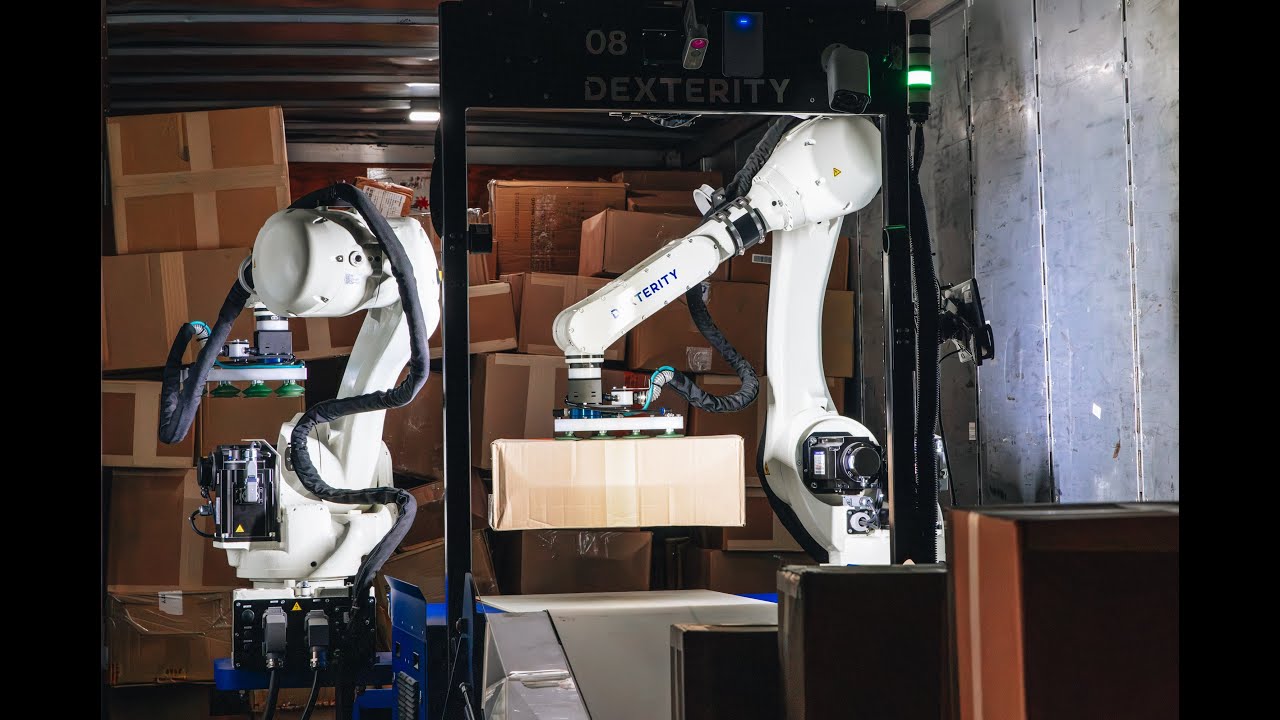
AI-Powered Robotic Truck Loading System
Others

TiltSort-Bot: Autonomous Mobile Robot (AMR) for Sortation
Conveyco