Multi-Line Robotic Palletizing Systems by Omni Automation
Quick Facts
Technology Performance Metrics
⭐Key Features
Benefits
Applications
Detailed Information
Technology Overview
Omni Automation, Inc. provides advanced, turnkey robotic palletizing solutions, with a specific example being a four-lane system utilizing FANUC robots. With experience dating back to 1961, the company specializes in integrating complete automation systems tailored to the specific needs of various industrial environments. Their approach combines the latest automation hardware and software with deep integration expertise to deliver high-quality palletizing systems that automate the end-of-line process for manufacturing and distribution facilities. These systems are designed to handle multiple production lines simultaneously, optimizing floor space and throughput.
How It Works
Core Principles
The core principle is the use of industrial robotic arms, specifically FANUC models, to automate the palletizing of products from multiple parallel production lines. A single or coordinated set of robots services several infeed conveyors, picking products and stacking them onto pallets according to programmed patterns.
Key Features & Capabilities
Multi-Lane Configuration: The system is designed to palletize products from four separate production lines using robotic automation. This configuration maximizes the utility of a single robotic workcell, reducing the need for multiple standalone palletizers and saving valuable floor space.
FANUC Robotic Integration: The use of FANUC industrial robots provides a reliable, high-speed, and precise automation core. These robots are known for their durability and performance in demanding industrial environments, suitable for handling various package types and weights.
Complete Turnkey Integration: Omni Automation acts as a full-service systems integrator. They manage the entire project lifecycle—from initial engineering and design, through UL control panel fabrication, mechanical and electrical installation, to programming, startup, and operator training. This provides clients with a single point of responsibility.
Advantages & Benefits
The primary benefit is operational efficiency and space savings achieved by consolidating multiple palletizing lines into one automated cell. Reduced labor costs and improved safety are realized by automating a manual, repetitive, and potentially strenuous task. Clients benefit from customized, cost-effective solutions because Omni Automation tailors the system to precise needs rather than offering an off-the-shelf product. The turnkey approach simplifies project management for the client and ensures all system components are properly integrated and validated.
Implementation Considerations
Implementing a custom multi-line robotic palletizing system requires close collaboration between the integrator and the client to thoroughly understand production rates, product mix, floor layout, and future growth plans. The project encompasses a significant scope including mechanical, electrical, and software disciplines, necessitating clear planning and timelines. The custom nature means the solution is optimized for the client's current needs but may require re-engineering for major future process changes.
Use Cases & Applications
Ideal For
This type of system is ideal for medium to large-scale manufacturing plants in food & beverage, consumer packaged goods, chemicals, or building materials where multiple production lines output products that need to be palletized for shipment.
Conclusion
Omni Automation's multi-line robotic palletizing systems offer a comprehensive solution for manufacturers looking to automate a critical and space-intensive part of their operation. By leveraging FANUC robotics and providing end-to-end integration services, they deliver tailored systems that improve throughput, safety, and floor space utilization. For companies with multiple production lines, this integrated approach can provide a more efficient and manageable automation investment compared to deploying several independent palletizers. The success of such a project hinges on the expertise of the integrator and a well-defined collaboration with the client from the initial design phase.
Related Knowledge
Robotic Case Picking
Advanced robotic case picking systems that combine industrial robotics with intelligent vision systems to automate the handling of full cases and cartons, delivering exceptional speed, precision, and reliability in high-volume distribution operations.
Robotic Piece Picking
Advanced robotic systems that use AI and computer vision to automatically select and pick individual items from diverse inventory, revolutionizing warehouse fulfillment operations with human-like dexterity and intelligence.
Voice Picking Systems
Voice picking systems revolutionize warehouse operations by enabling hands-free, eyes-free order fulfillment through speech recognition technology. Workers receive spoken instructions through wireless headsets and confirm actions verbally, dramatically improving productivity, accuracy, and safety while reducing training time.
Vendor
OthersRelated Technologies
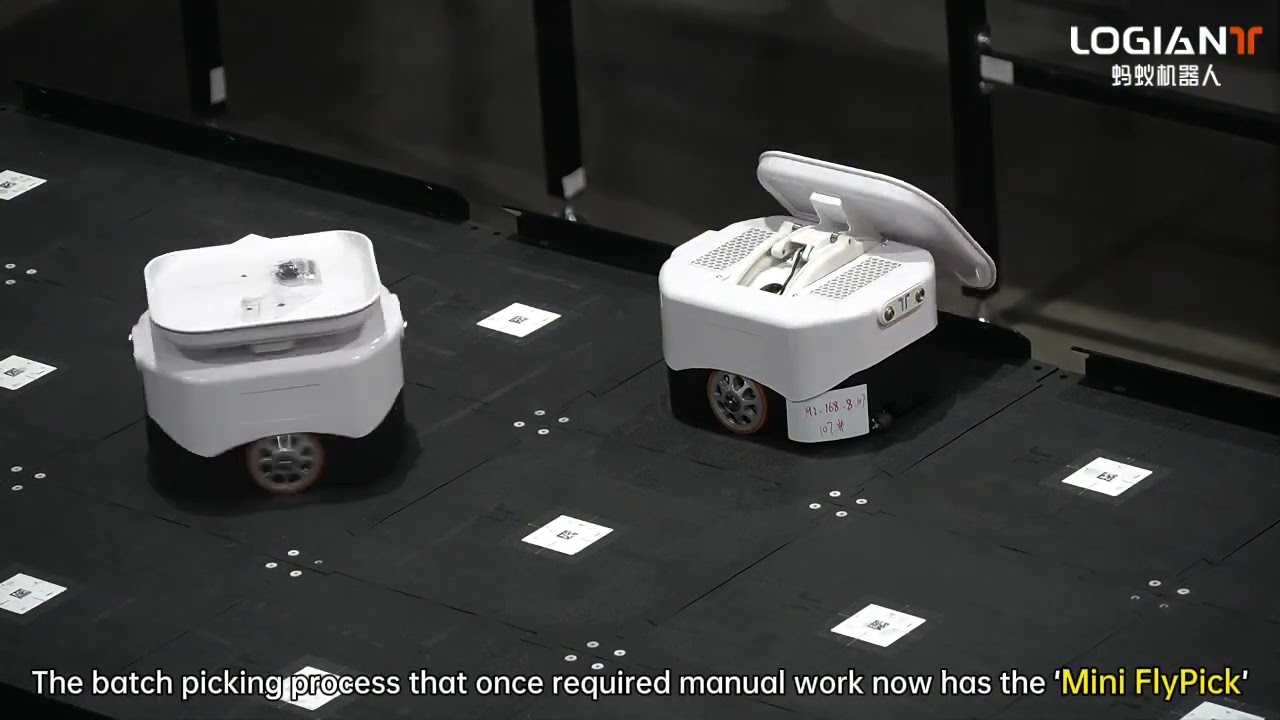
Mini FlyPick Robot: Compact High-Speed Sorting AMR
Others

Split Tray (Bomb Bay) Sorter Compilation: Versatile High-Speed Sortation
Others
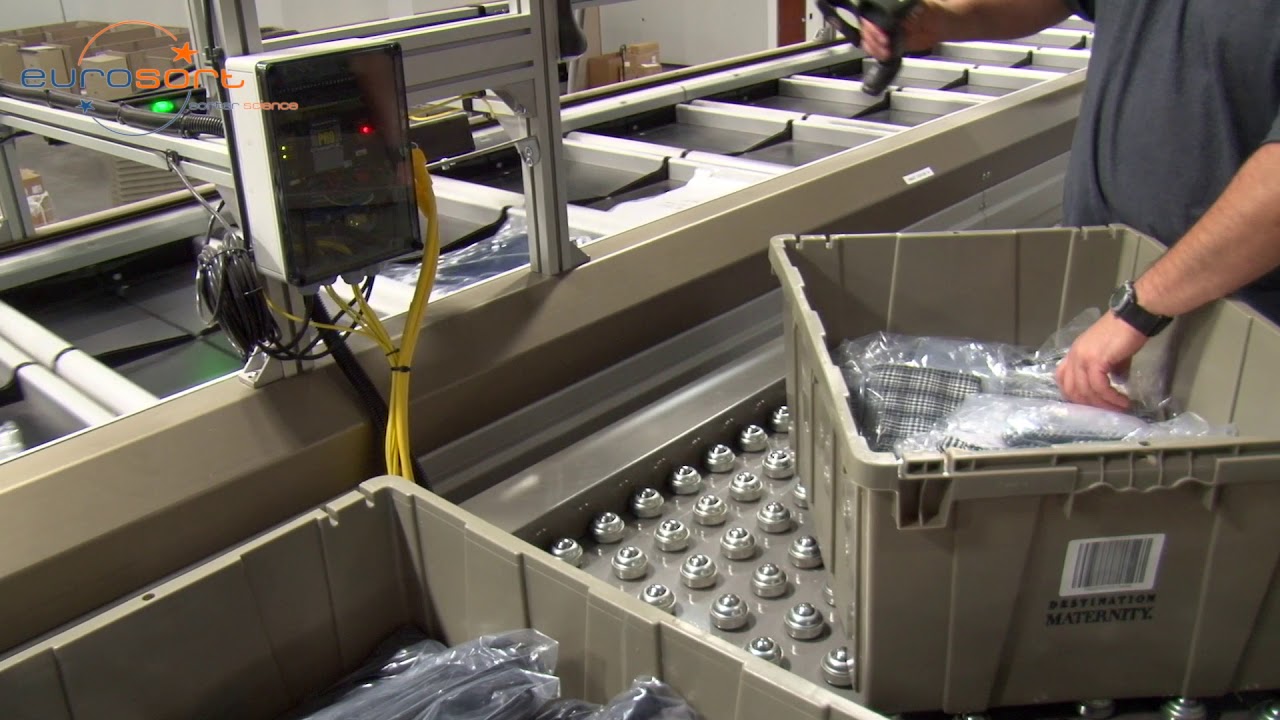
Patented Dual Split Tray (Bomb Bay) Sorter with Batch Induction
Others