Monorail Systems for High-Volume Commercial Laundry
Quick Facts
Technology Performance Metrics
⭐Key Features
Benefits
Applications
Detailed Information
Technology Overview
Monorail systems are a specialized form of overhead material handling that have found a critical niche in automating high-volume commercial laundry operations. In an industry characterized by the continuous flow of heavy, soiled linens from collection through washing, drying, and finishing, efficient transport is paramount. These systems replace manual cart pushing and chaotic floor movements with a structured, overhead network that guides laundry loads on a fixed, optimized path. By utilizing vertical space and gravity, they dramatically increase throughput, reduce physical labor, and minimize the facility footprint dedicated to transport. For large-scale laundries serving hospitals, hotels, and industrial clients, such automation is not just a luxury but a necessity for competitiveness and profitability.
How It Works
Core Principles
The system operates as an overhead network of fixed tracks. Laundry is loaded into bags or cages which are suspended from trolleys. These trolleys travel along the monorail track, which is configured with straight sections, curves, switches, and sometimes lift sections for changes in elevation. The movement can be powered (electric or pneumatic) or use gravity on inclined sections, and is controlled to route loads through various process stations (soiled sort, wash, dry, iron, finish) in a predetermined sequence.
Key Features & Capabilities
The system is an overhead material handling system constructed from straight rails, curves, and switches, creating a dedicated transport highway. It employs gravity flow designs with multiple elevations and programmed stagings to efficiently move loads between different process levels without external power on certain segments. The network includes integrated accumulation and storage areas, which are essential for buffering and managing workflow between batch processes like washing and continuous processes like ironing. It offers control flexibility by utilizing a combination of air, electric, or hybrid controls. The system is built with laundry-specific components such as long-life trolleys, suspension hangers, switches, curves, and lift sections, many of which can be customized.
Advantages & Benefits
The system enables a fast and efficient flow of laundry from start to finish, acting as the circulatory system of the laundry plant. It delivers significant operational savings by using less floor space, requiring less hand labor, and reducing total processing time. The customizable design provides flexibility to adapt to different facility layouts and process requirements. It is engineered to support exceptionally high-volume processing, with examples cited of processing 40,000 pounds of healthcare linen or 64,000 pounds of hospitality linen in an 8-hour shift. Being designed specifically for the commercial laundry industry with available customization ensures the system addresses the unique challenges of handling heavy, wet, and varied linen loads.
Implementation Considerations
Successful implementation requires expertise in laundry-specific layout and system design to ensure the monorail path optimally connects all critical process points. While standard components exist, customization is often needed for maximum operating efficiency, requiring close collaboration with an experienced supplier like TC/American, which has deep industry knowledge.
Use Cases & Applications
Ideal For
This technology is ideal for large-scale commercial, industrial, and institutional laundries (Central Laundry Facilities) that process tons of linen daily for the healthcare, hospitality (hotels), and industrial uniform sectors.
Performance Metrics
The provided data highlights exceptional throughput: processing up to 43 tons (86,000 lbs) of laundry in an 8-hour shift across different sectors. This demonstrates the system's core capability to dramatically increase processing capacity while reducing labor and space requirements, directly impacting profitability.
Conclusion
TC/American's monorail systems represent a transformative automation solution for the commercial laundry industry. By providing a high-capacity, overhead transport backbone, they solve the fundamental challenge of moving massive volumes of linen efficiently through a complex multi-stage process. The results are clear: significantly higher throughput, reduced labor costs, better space utilization, and a more controlled, professional operation. For any high-volume laundry aiming to be competitive, profitable, and capable of meeting growing demand, investing in a tailored monorail material handling system is a strategic decision that delivers a compelling return on investment.
Vendor
OthersRelated Technologies
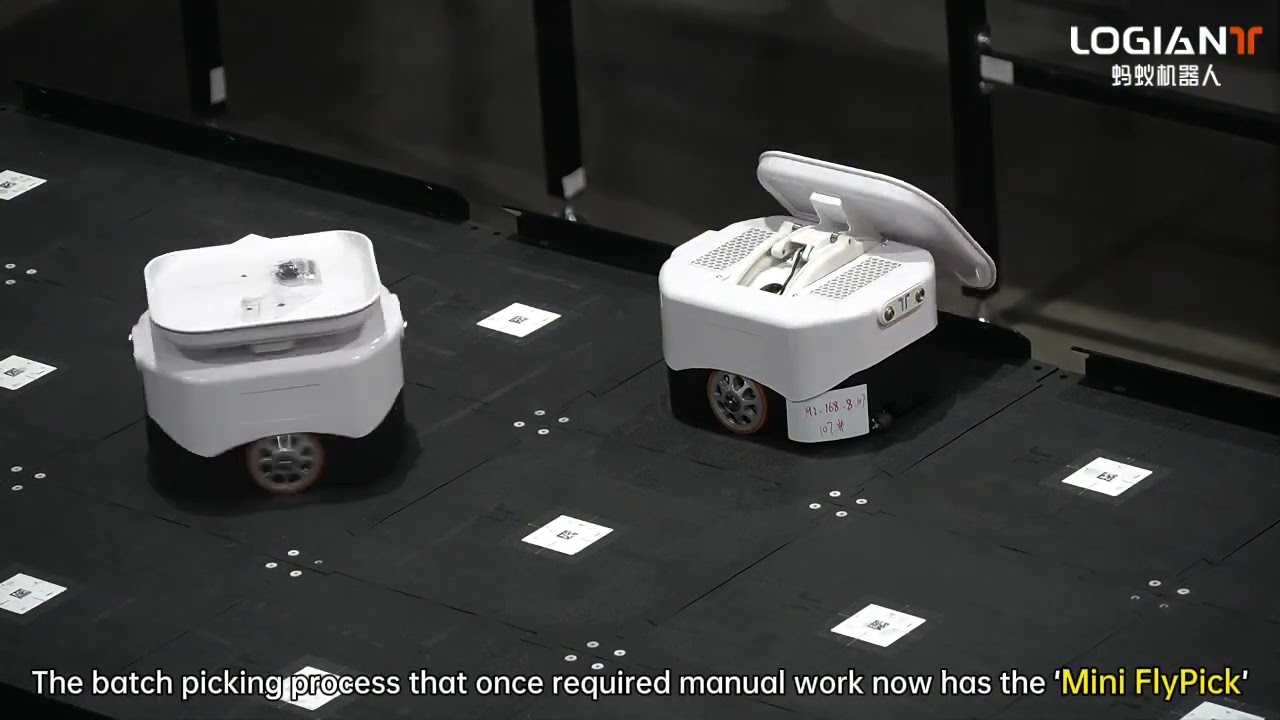
Mini FlyPick Robot: Compact High-Speed Sorting AMR
Others

Split Tray (Bomb Bay) Sorter Compilation: Versatile High-Speed Sortation
Others
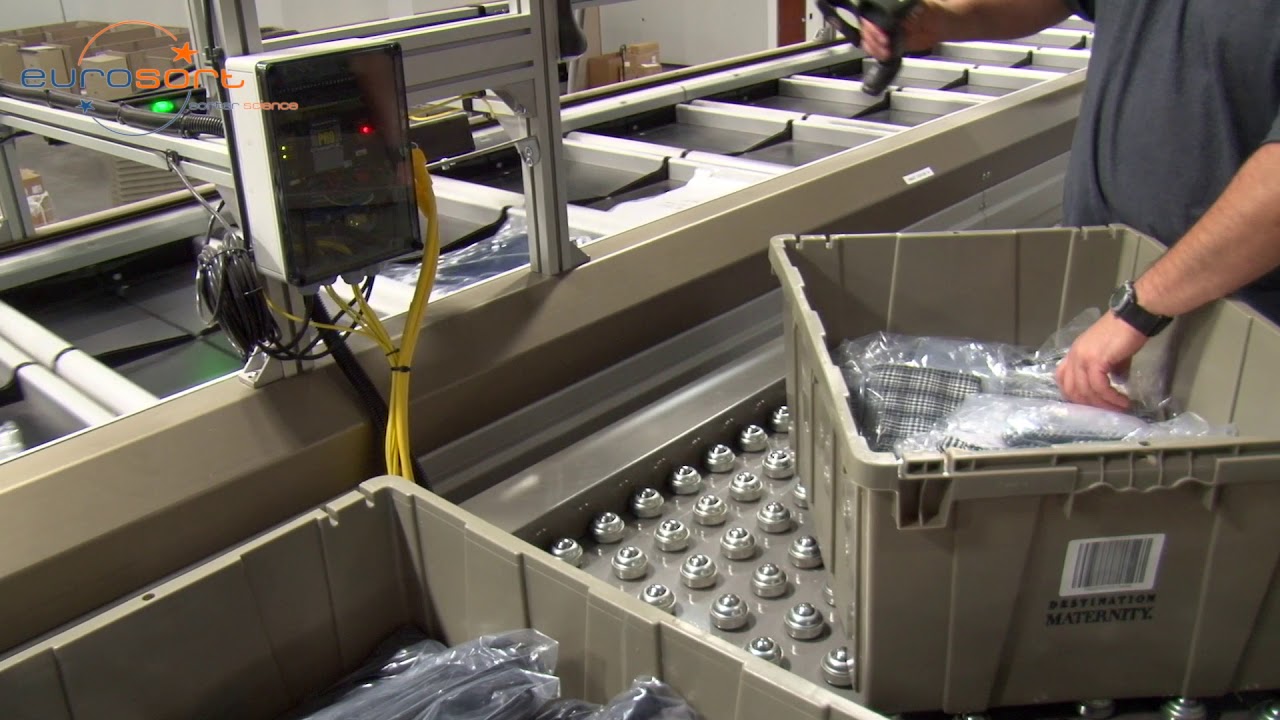
Patented Dual Split Tray (Bomb Bay) Sorter with Batch Induction
Others