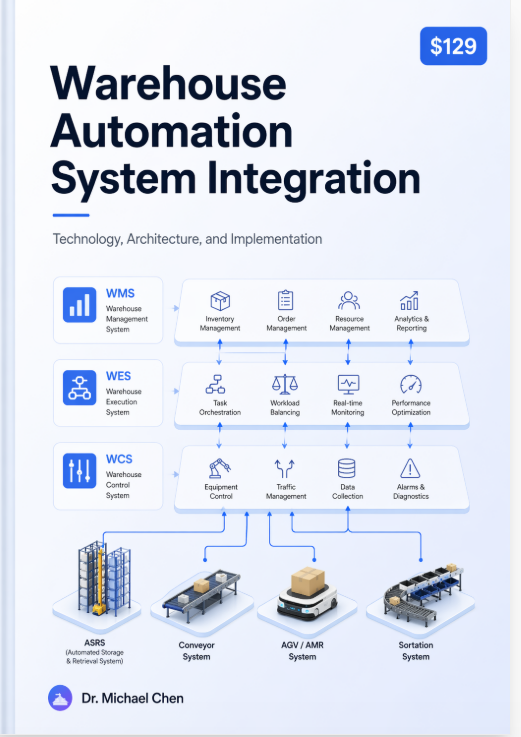
Modular Conveyor Platform: Smart and Flexible Conveyor Modules
Quick Facts
Technology Performance Metrics
⭐Key Features
Benefits
Applications
Detailed Information
Technology Overview
Interroll's Modular Conveyor Platform (MCP) represents a modern, systemized approach to conveyor technology designed to address the needs of dynamic material handling environments. Moving away from custom-engineered, one-off solutions, this platform is built on the principle of standardized, interoperable modules. It aims to simplify the entire lifecycle of a conveyor system—from initial design and planning through installation, operation, and future modification. By offering a comprehensive kit of smart, pre-engineered components, the MCP enables the rapid assembly of efficient, reliable, and scalable conveyor networks for transporting boxes, totes, and lightweight packages in warehouses, distribution centers, and production facilities.
How It Works
Core Principles
The core principle is modularity and standardization. The platform consists of a range of pre-defined conveyor modules (straight sections, curves, merges, drives, etc.) with standardized mechanical and electrical interfaces. These "building blocks" can be combined in various configurations to create a complete conveyor circuit tailored to specific layout requirements.
Key Features & Capabilities
The foundation is the modular platform using standardized components, which transforms conveyor system design from a custom engineering task into a configuration exercise. This leads to a smart, economical, and flexible design that can adapt to changing needs. A major operational benefit is its nature as a plug-and-play system for simple on-site installation, drastically reducing mechanical and electrical integration time and complexity. The platform is engineered for high durability and availability, ensuring reliable performance in demanding 24/7 environments. Furthermore, it is designed to be cost and energy efficient in operation, utilizing efficient drives and allowing zones to be powered down when not in use.
Advantages & Benefits
The modular approach significantly reduces planning effort and installation time compared to traditional conveyor projects, leading to faster time-to-operation. The use of proven, standardized components assures high system availability and reliability, minimizing unplanned downtime. The inherent design provides excellent scalability for future growth, as new modules can be added or the layout reconfigured with relative ease. Over the long term, the efficient design and operational control offer cost and energy savings, contributing to a lower total cost of ownership.
Implementation Considerations
While the platform simplifies many aspects, it still requires initial system design to select the appropriate modules (lengths, curves, drives) to achieve the desired material flow. When integrating with existing legacy systems, a compatibility assessment is required to ensure smooth interconnection at transfer points.
Use Cases & Applications
Ideal For
This platform is ideal for e-commerce fulfillment centers, parcel sorting hubs, and manufacturing operations that require fast deployment of conveyor systems, need to scale quickly, or anticipate frequent layout changes to adapt to process evolution.
Conclusion
Interroll's Modular Conveyor Platform is a compelling solution for businesses seeking to modernize and simplify their material handling infrastructure. By delivering smart, flexible, and efficient conveyor technology in a pre-engineered, modular format, it addresses key industry pain points related to cost, deployment speed, and adaptability. Its plug-and-play nature and global support make it a low-risk, high-reward choice for building reliable and scalable conveyor systems. For operations prioritizing future growth, operational efficiency, and ease of maintenance, this platform represents a strategic investment in flexible automation.

Vendor
InterrollRelated Technologies

Dual Split Tray Sorter: Over-Under Apparel Store Replenishment
EuroSort
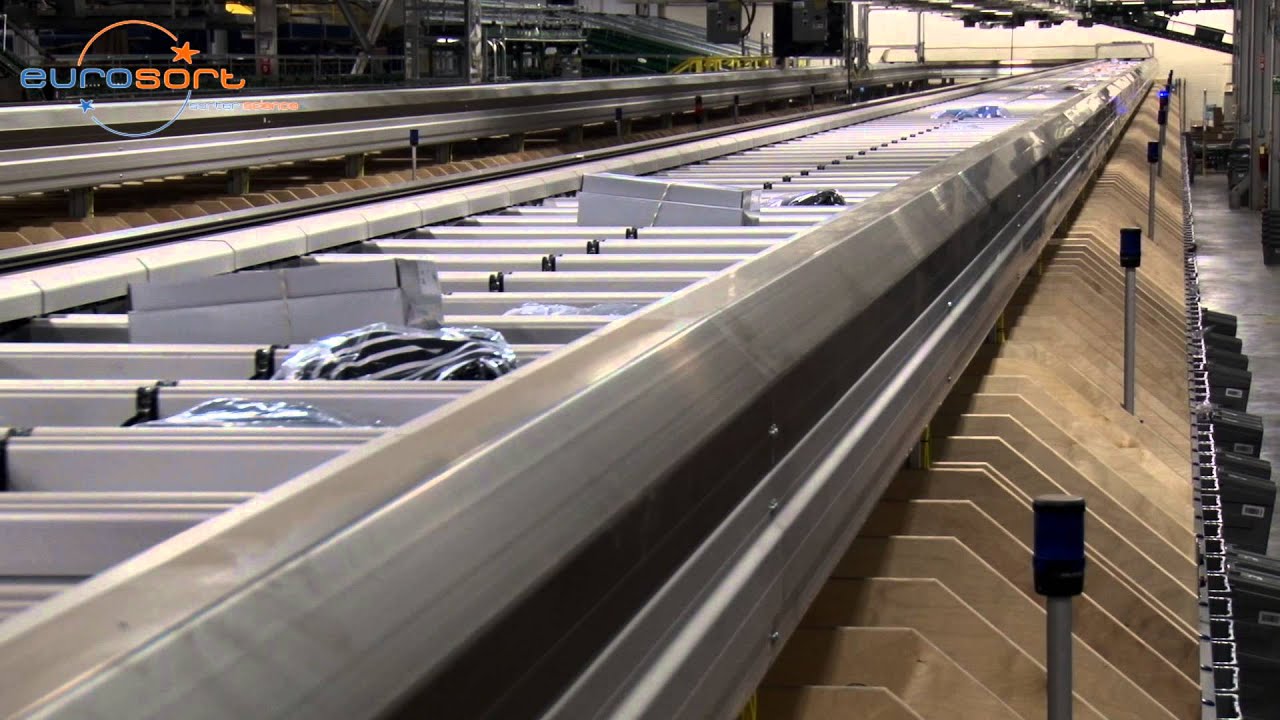
Dual Split Tray (Bomb Bay) Sorter for 3PL E-commerce
EuroSort
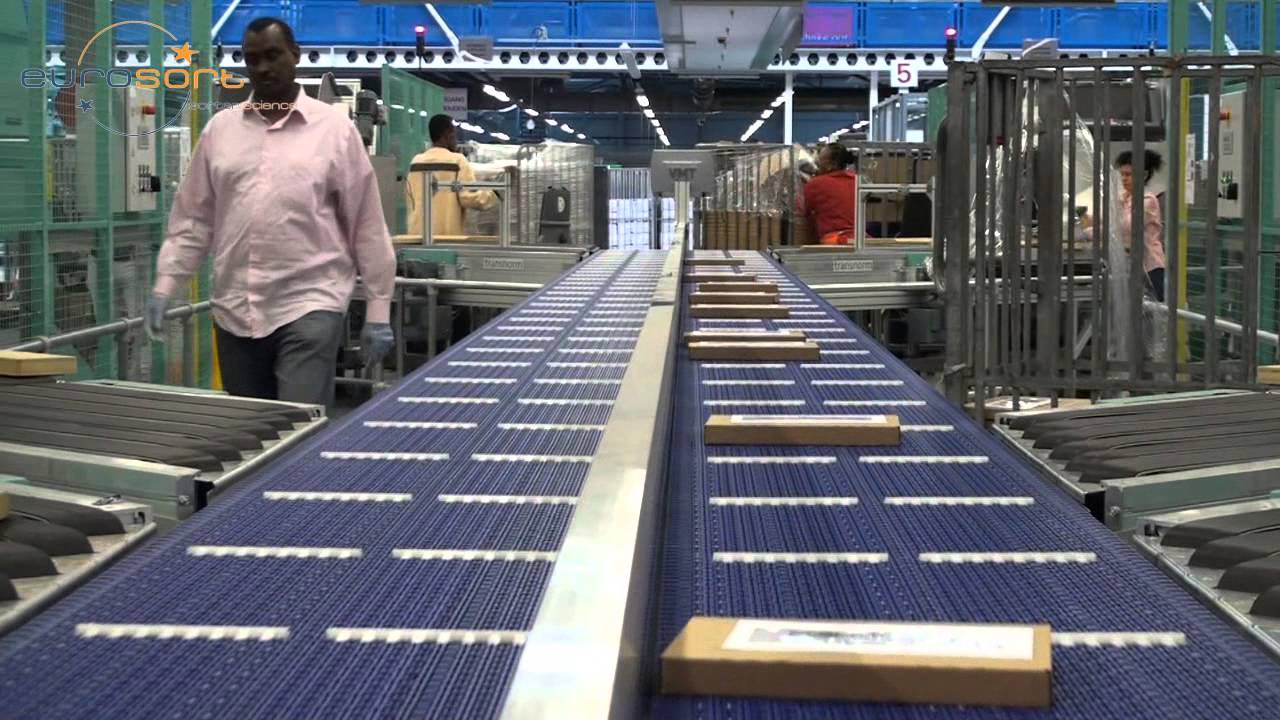
Dual Split Tray (Bomb Bay) Sorter: High-Speed Postal Sorting
EuroSort