Mobile Sort Stations: Smart Kiosks with Put-to-Light and Collaborative Robots
Quick Facts
Technology Performance Metrics
⭐Key Features
Benefits
Applications
Detailed Information
Technology Overview
Mobile Sort Stations represent an innovative approach to sortation automation, combining the established efficiency of put-to-light systems with the flexibility of mobility and robotic collaboration. Developed by 6RS, this solution transforms traditional fixed sortation walls into intelligent, movable "smart kiosks." Each station is a self-contained unit featuring a put-to-light display panel, validation sensors, and integration with 6RS's collaborative robots, known as "Chucks." The entire system is orchestrated by cloud-based software, allowing for dynamic task assignment, real-time monitoring, and easy reconfiguration. This design is particularly suited for operations that require sorting capacity to be flexible, scalable, and deployable in different areas of a warehouse without permanent infrastructure, such as during peak seasons or for processing specific order batches.
How It Works
Core Principles
The core principle is Mobile, Robot-Assisted Put-to-Light Sortation. The system decentralizes and mobilizes the sorting process. Instead of a large, fixed sorter or a stationary put wall, multiple mobile kiosks can be positioned as needed. Items are delivered to an operator at a kiosk (potentially by a Chuck robot). The put-to-light system on the kiosk guides the operator to place each item into the correct destination bin or tote. Validation sensors confirm the placement, and collaborative robots likely handle the transport of inbound items to the station and/or outbound sorted totes away from it.
Key Features & Capabilities
Mobile Put-to-Light Kiosks with Validation are the heart of the system. The mobility allows the sorting workforce to be dynamically allocated. The put-to-light technology ensures high accuracy and speed for human operators, while the sensors add a layer of verification.
Integration with Collaborative 'Chuck' Robots creates a hybrid human-robot workflow. The robots handle the horizontal transport of goods to and from the sorting stations, keeping operators supplied with work and removing completed sorts, which maximizes the operator's time spent on the value-added sorting task.
Cloud-Based Software Orchestration provides central intelligence. The software is the brain that connects everything: it receives order data, controls the kiosk lights, validates picks via sensor data, and dispatches the robot fleet. Being cloud-based facilitates scalability, remote management, and easier updates.
Advantages & Benefits
The primary advantage is Unparalleled Flexibility and Scalability. The mobile nature of the kiosks means sorting capacity can be easily added, removed, or relocated based on daily volume, specific campaigns, or layout changes, without construction or major capital projects.
It Enhances Sorting Accuracy and Productivity. The combined guidance of put-to-light and validation sensors minimizes errors. By using robots for transport, human operators can focus solely on the cognitive task of sorting, leading to higher picks-per-hour rates.
The system Reduces Fixed Infrastructure and Labor Costs. There is no need for a large, permanent sorter or conveyor network. The mobile units and robots can often be deployed with less installation effort. The system can also help optimize labor by concentrating sorting activity at efficient, well-supplied kiosks.
It enables Data-Driven Operations and Process Transparency. The cloud software captures detailed data on every sort, providing insights into operator performance, sortation rates, and bottlenecks, enabling continuous process improvement.
Implementation Considerations
Workflow Design and Station Balancing is critical. Determining how many kiosks are needed, how they are supplied by robots, and how sorted output is handled requires careful planning to ensure a smooth, balanced flow and avoid bottlenecks at the stations.
Network and Power Infrastructure must be addressed. The mobile kiosks and robots require reliable wireless network connectivity to communicate with the cloud software. The kiosks also need a power source, which may involve managed charging stations or long-life batteries.
Change Management and Training is important. Introducing a mobile, robot-assisted sortation system changes the traditional sorting role. Operators need training on the new put-to-light interface and how to interact safely and efficiently with the collaborative Chuck robots.
Conclusion
The 6RS Mobile Sort Station system is a modern, agile solution for sortation challenges in dynamic fulfillment environments. It is ideal for e-commerce, 3PL, and retail operations with fluctuating volumes, a need for rapid deployment, or a desire to avoid large fixed sortation investments. Its strength lies in its modularity and the synergistic combination of human dexterity (guided by light) and robotic mobility. Success depends on thoughtful integration of the kiosks, robots, and software into a cohesive material flow. For businesses prioritizing flexibility, accuracy, and the ability to scale sorting operations up and down with demand, this mobile, collaborative approach offers a compelling and future-proof alternative to traditional sortation systems.
Related Knowledge
Robotic Case Picking
Advanced robotic case picking systems that combine industrial robotics with intelligent vision systems to automate the handling of full cases and cartons, delivering exceptional speed, precision, and reliability in high-volume distribution operations.
Robotic Piece Picking
Advanced robotic systems that use AI and computer vision to automatically select and pick individual items from diverse inventory, revolutionizing warehouse fulfillment operations with human-like dexterity and intelligence.
Voice Picking Systems
Voice picking systems revolutionize warehouse operations by enabling hands-free, eyes-free order fulfillment through speech recognition technology. Workers receive spoken instructions through wireless headsets and confirm actions verbally, dramatically improving productivity, accuracy, and safety while reducing training time.
Vendor
6 River SystemsRelated Technologies
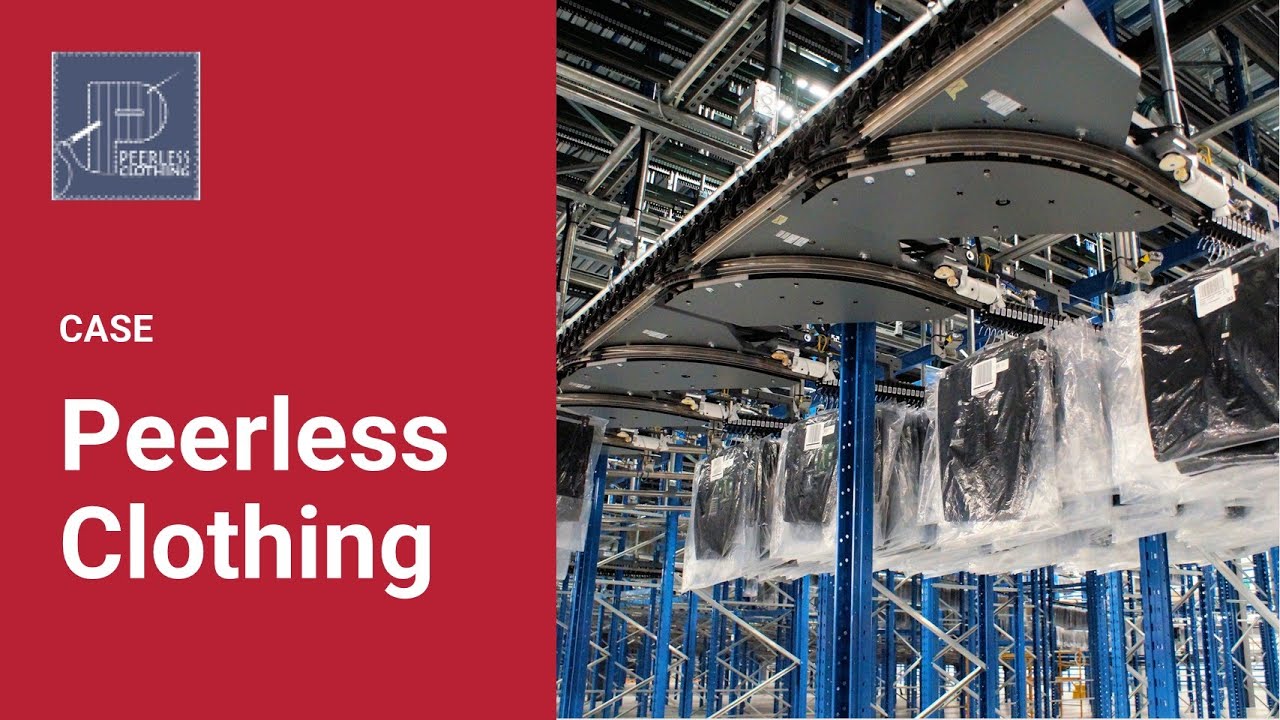
Peerless Clothing USA Apparel Distribution Warehouse
Element Logic
Automatic Parcel Singulator: Bulk Flow to Single File
Beumer Group

Dark Warehouse: Fully Automated Warehouse Operations
Addverb