Milvus Robotics SEIT: Autonomous Mobile Robots for Material Transport
Quick Facts
Technology Performance Metrics
⭐Key Features
Benefits
Applications
Detailed Information
Technology Overview
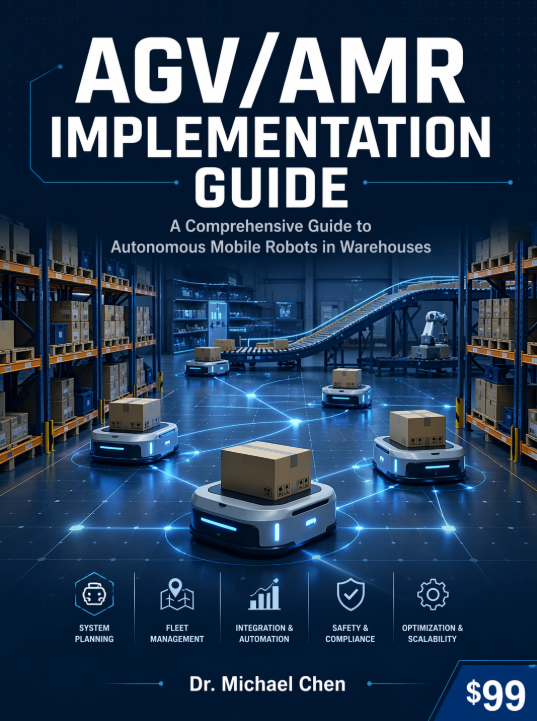
Milvus Robotics' SEIT Autonomous Mobile Robots (AMRs) represent a practical application of mobile robotics for industrial material transport. Positioned within the context of Industry 4.0 and smart factory evolution, these robots are designed to take over the repetitive and often manual task of moving materials, components, or finished goods from one point to another within a facility. Unlike traditional Automated Guided Vehicles (AGVs) that follow fixed paths, SEIT AMRs utilize autonomous navigation to move dynamically through environments, avoiding obstacles and optimizing routes. This technology aims to create a more flexible, efficient, and safe material flow, freeing human workers from mundane transport duties and allowing them to focus on higher-value tasks. The SEIT system is showcased as a key enabler for modernizing internal logistics and building more responsive production ecosystems.
How It Works
Core Principles
The core principle is Autonomous, Flexible Material Transport. SEIT AMRs use onboard sensors, such as LiDAR and cameras, to perceive their environment in real-time. They do not require fixed infrastructure like magnetic tapes or wires. Instead, they create a map of the facility and use it to navigate autonomously from point A to point B, dynamically planning the safest and most efficient path while avoiding both static and dynamic obstacles, including people.
Key Features & Capabilities
True Autonomous Navigation is the defining feature. The ability to operate without fixed guides allows for greater flexibility in facility layout and easier reconfiguration of robot routes as processes change, a key advantage over traditional AGVs.
Integrated Safety Systems ensure safe operation in dynamic human environments. The sensor suite allows the robot to detect and react to people and unexpected obstacles, coming to a safe stop or navigating around them, which is essential for collaborative workspaces.
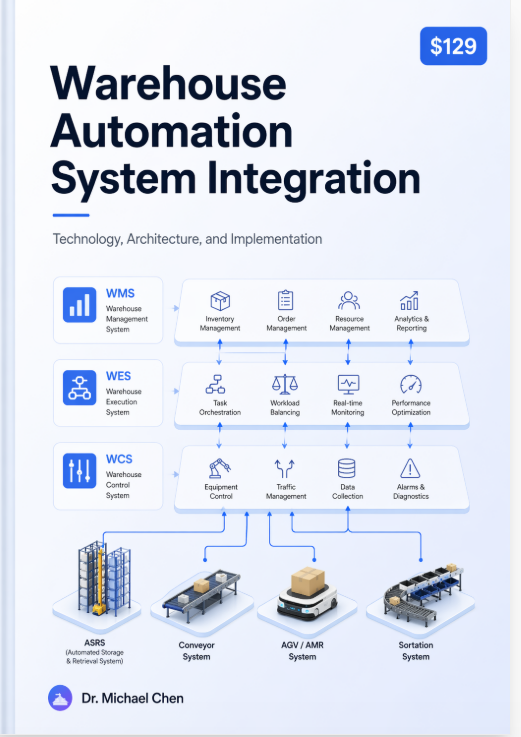
Smart Factory Integration is a core capability. As part of an Industry 4.0 strategy, SEIT AMRs are designed to be connected assets. They can receive tasks from Manufacturing Execution Systems (MES) or Warehouse Management Systems (WMS), and provide data on their status and completed missions, contributing to a digitized and optimized workflow.
Advantages & Benefits
The primary benefit is Labor Productivity and Optimization. By automating simple point-to-point transport, companies can reallocate human workers to tasks that require critical thinking, dexterity, or problem-solving, thereby improving overall workforce utilization and job satisfaction.
It enhances Operational Safety. Automating material transport reduces the risk of accidents associated with manual cart pushing, forklift operations, or workers crossing busy traffic lanes, creating a safer work environment.
The system provides Improved Process Efficiency and Flexibility. AMRs can operate nearly continuously, reducing wait times for materials. Their flexible routing allows them to adapt to changes in production schedules or facility layouts much more easily than fixed automation.
It supports Data-Driven Decision Making. As connected devices, AMRs generate data on transport times, routes, and delays. This data can be analyzed to identify bottlenecks, optimize material flow, and make informed decisions about process improvements.
Implementation Considerations
Facility Readiness and Pathway Design is crucial. While AMRs don't need physical guides, the facility must be evaluated for clear pathways, adequate aisle widths, ramp slopes, and door clearances. The initial mapping process is a key step.
Integration with Existing Systems determines the level of automation. The value of AMRs increases when they are seamlessly integrated with upstream and downstream processes (e.g., automatic docking with machines, task dispatch from ERP/WMS). This integration requires planning and potentially middleware.
Total Cost of Ownership vs. Traditional AGVs should be evaluated. While AMRs offer greater flexibility and easier installation, their initial cost may be higher. The ROI calculation should consider the savings from reduced installation time, reconfiguration ease, and potential productivity gains.
Conclusion
Milvus Robotics SEIT AMRs offer a practical and flexible solution for automating material transport in industrial and warehouse settings. They are particularly well-suited for companies embarking on smart factory initiatives or those with dynamic environments where fixed-path AGVs would be too restrictive. The technology's strengths lie in its autonomy, safety, and ease of deployment relative to traditional guided systems. Success depends on thoughtful implementation that considers facility layout, process integration, and change management. For businesses looking to improve safety, increase efficiency, and modernize their internal logistics as part of an Industry 4.0 journey, SEIT AMRs present a compelling automation step. The choice between AMRs and AGVs should be based on a clear understanding of the specific operational requirements and the value placed on flexibility versus lower initial cost.
Vendor
Milvus RoboticsRelated Technologies
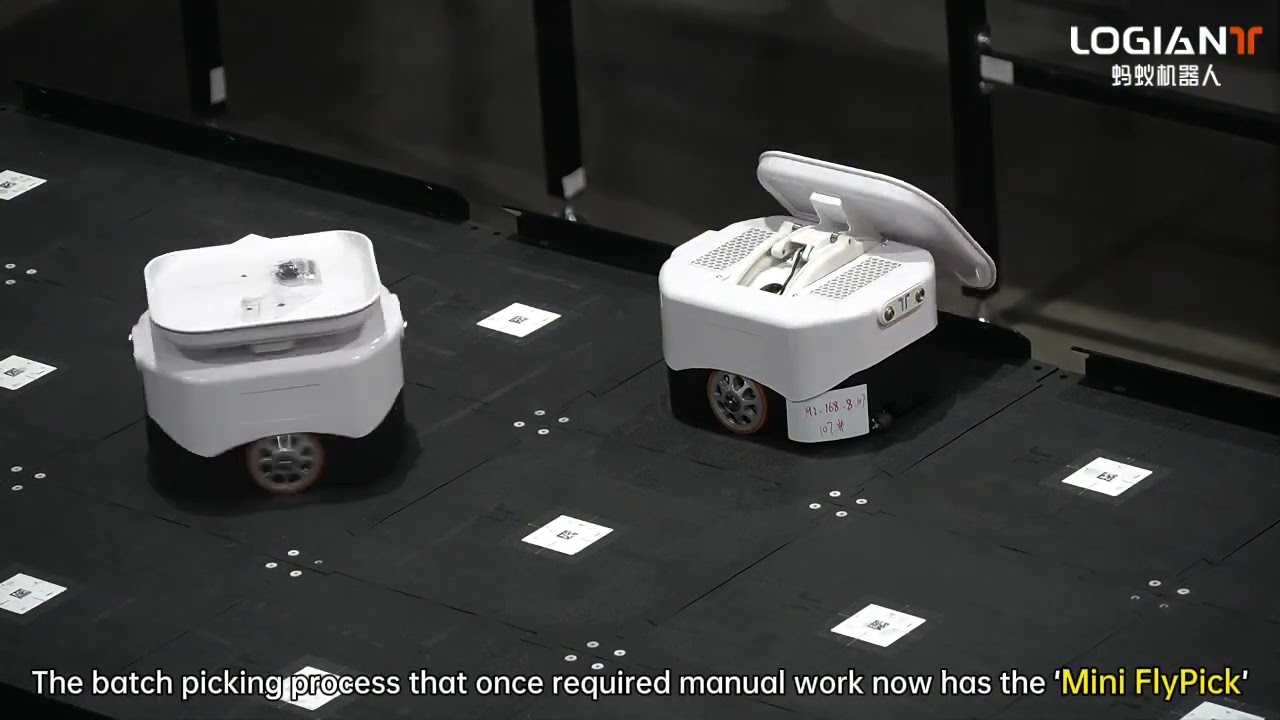
Mini FlyPick Robot: Compact High-Speed Sorting AMR
Others
AI-Powered Robotic Truck Loading System
Others

TiltSort-Bot: Autonomous Mobile Robot (AMR) for Sortation
Conveyco