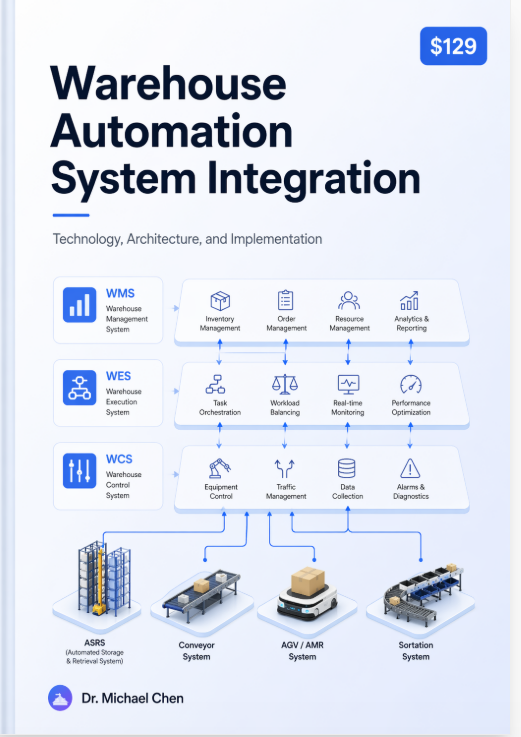
HL4200 High Level Palletizer: Layer Palletizing System
Quick Facts
Technology Performance Metrics
⭐Key Features
Benefits
Applications
Detailed Information
Technology Overview
The HL4200 High Level Palletizer is an automated system designed for the efficient palletizing of uniform products, such as cases or boxes, in complete layers. Unlike robotic arm palletizers that pick individual items, a high-level palletizer typically operates by forming a full layer of product on a plate or conveyor at an elevated height and then lowering or placing that entire layer onto the pallet below. This method is highly efficient for high-volume, single-SKU or uniform-SKU applications where product dimensions are consistent. The "high level" design refers to the machine's structure, which positions the layer-forming mechanism above the palletizing station, often allowing for space savings and a streamlined flow of empty pallets in and loaded pallets out at floor level.
How It Works
Core Principles
The core principle is layer-based palletizing. The system accumulates a predefined number of cases to form a complete layer pattern on a staging platform (a "layer plate" or "sweep plate") located at a high level. Once the layer is formed, it is transferred as a single unit and deposited onto the pallet (or the previous layer) waiting below.
Key Features & Capabilities
Layer-Forming Technology: The system's primary capability is accurately forming tight, interlocked layers of uniform cases. This ensures stable pallet loads suitable for transport and storage.
High-Level Design: The elevated working position allows for a compact footprint where the pallet handling (feeding and discharge) occurs at floor level, while the product accumulation and layer forming happen above. This can facilitate easier integration into existing conveyor lines.
Advantages & Benefits
The main advantage is high throughput for uniform products. By handling entire layers at once, these systems can achieve very high palletizing speeds, often exceeding those of single-case robotic systems for applicable products. They also offer consistent and stable pallet builds due to the precise layer formation. The design can contribute to efficient floor space utilization by stacking the process vertically.
Implementation Considerations
This technology is specialized for applications with consistent case sizes and patterns. It is less flexible than robotic systems for handling significant product variety or mixed-SKU pallets. The installation requires sufficient ceiling height and may involve significant structural considerations due to the elevated machinery and product weight. Integration with upstream case packing and downstream transport systems must be carefully planned.
Use Cases & Applications
Ideal For
The HL4200 High Level Palletizer is ideal for high-volume production environments in industries like food & beverage (bottles, cans), dairy, and consumer packaged goods where products are packed in uniform cases and palletized in large quantities.
Conclusion
The HL4200 High Level Palletizer is a proven, efficient solution for automating the palletizing of uniform cases at high speeds. Its layer-based approach offers significant throughput advantages in the right application. However, its suitability is conditional on product uniformity and facility constraints. For operations with a single, high-volume SKU or a family of similarly sized products, it represents a robust and reliable automation choice. When product diversity or frequent changeovers are required, a more flexible robotic solution may be more appropriate.
Related Knowledge
Robotic Case Picking
Advanced robotic case picking systems that combine industrial robotics with intelligent vision systems to automate the handling of full cases and cartons, delivering exceptional speed, precision, and reliability in high-volume distribution operations.
Robotic Piece Picking
Advanced robotic systems that use AI and computer vision to automatically select and pick individual items from diverse inventory, revolutionizing warehouse fulfillment operations with human-like dexterity and intelligence.
Voice Picking Systems
Voice picking systems revolutionize warehouse operations by enabling hands-free, eyes-free order fulfillment through speech recognition technology. Workers receive spoken instructions through wireless headsets and confirm actions verbally, dramatically improving productivity, accuracy, and safety while reducing training time.
Vendor
OthersRelated Technologies
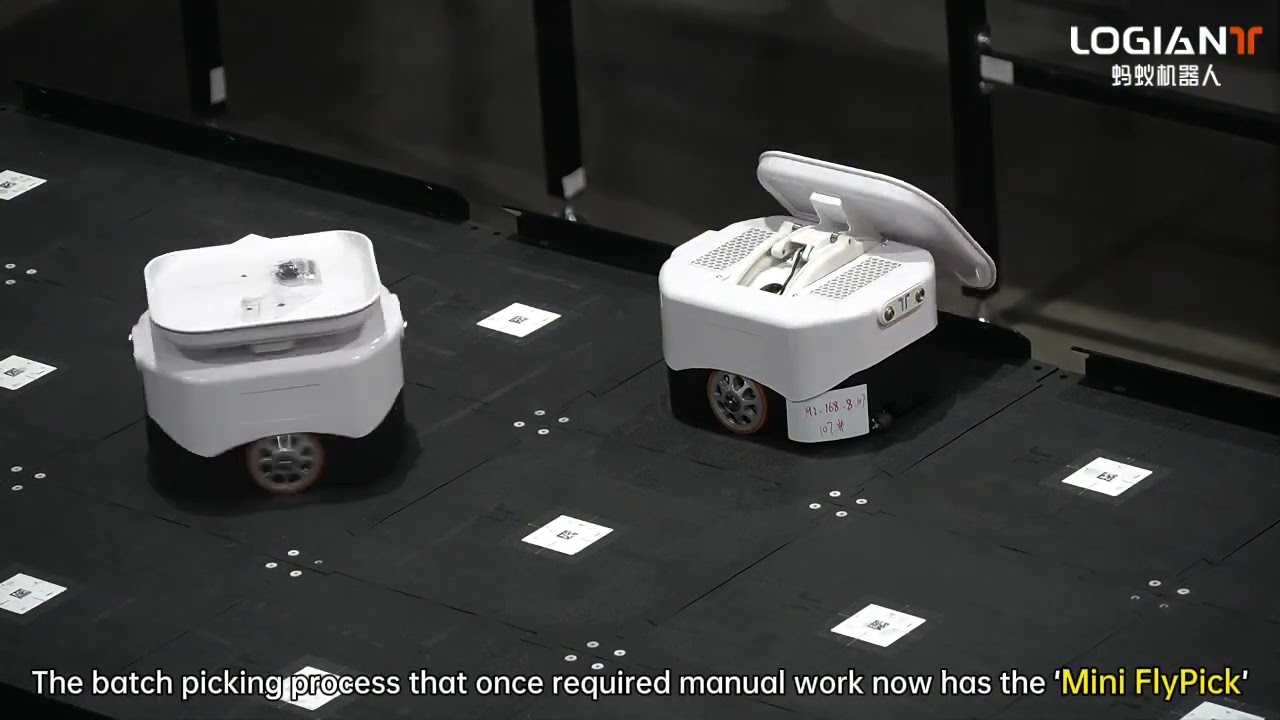
Mini FlyPick Robot: Compact High-Speed Sorting AMR
Others

Split Tray (Bomb Bay) Sorter Compilation: Versatile High-Speed Sortation
Others
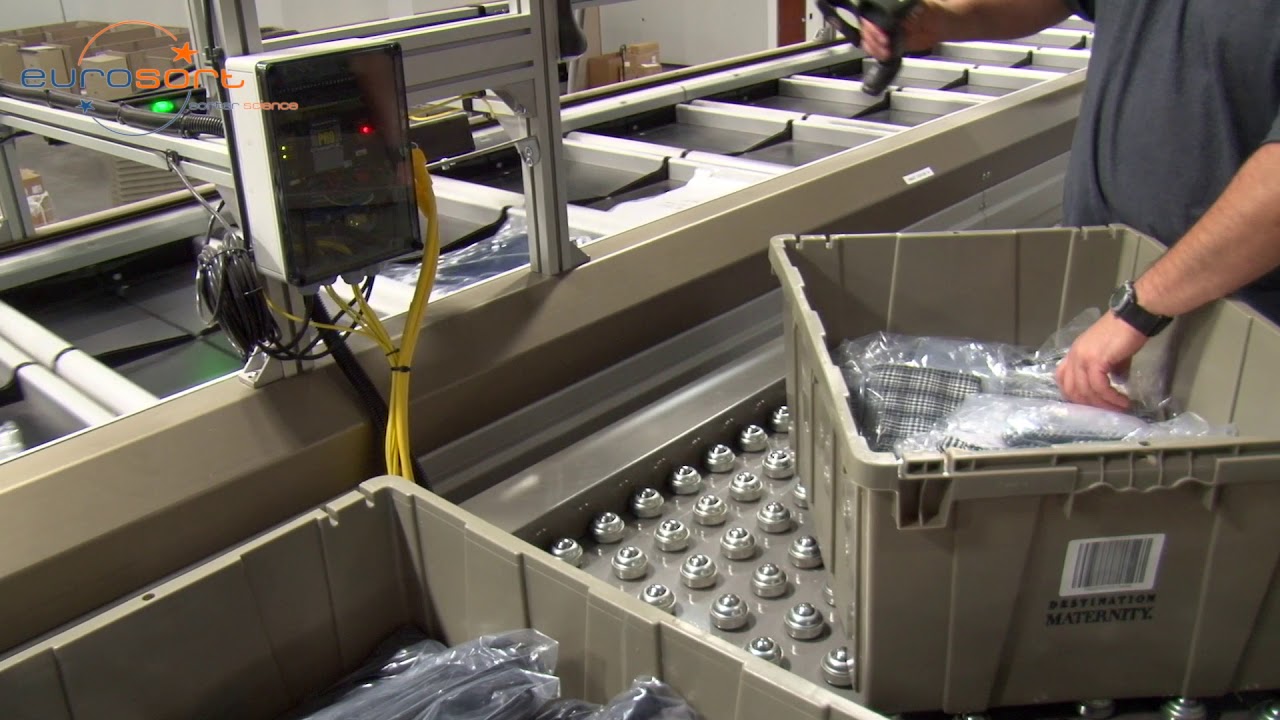
Patented Dual Split Tray (Bomb Bay) Sorter with Batch Induction
Others