Electrified Monorail Systems (EMS): Overhead Assembly Line Conveyors
Quick Facts
Technology Performance Metrics
⭐Key Features
Benefits
Applications
Detailed Information
Technology Overview
Electrified Monorail Systems (EMS), also known as Overhead Conveyor Systems, represent a sophisticated form of material handling designed for precise, automated part delivery in manufacturing environments. Moving beyond simple transport, these systems are integral to modern assembly line automation, particularly in industries with complex, sequenced builds like automotive manufacturing. By carrying parts on overhead carriers that travel along a fixed electrified track, EMS systems deliver components directly to the exact point of use at a workstation. This eliminates manual fetching, reduces floor clutter, and synchronizes part arrival with the assembly cycle, forming the backbone of a streamlined, efficient, and ergonomic production process.
How It Works
Core Principles
The core principle involves independent carriers (trolleys) moving along an overhead monorail track. The track is electrified, providing both propulsion power and communication/data signals to the carriers. Each carrier can be controlled individually to start, stop, and route itself to specific destinations based on commands from a central control system. This allows for asynchronous, just-in-time delivery of parts.
Key Features & Capabilities
EMS is fundamentally an overhead material handling system designed for feeding parts individually to specific workstations, enabling a highly organized and efficient assembly flow. It is available in various forms using different hanging/carrier devices to accommodate a wide range of part sizes, weights, and geometries, from small components to entire car bodies. A primary benefit is that it provides major ergonomic improvements in assembly lines by bringing parts to the worker at optimal height, eliminating lifting, bending, and searching. To achieve high levels of automation, these systems can be equipped with specialized electrification and control solutions that manage propulsion, routing, and communication.
Advantages & Benefits
The system delivers significant ergonomic improvements and enhances workflow in assembly line operations, leading to a safer workplace and reduced worker fatigue. It enables precise, automated delivery of parts to specific workstations, which minimizes errors, reduces work-in-process inventory, and improves line balancing and throughput. The technology is supported by specialized, industry-leading energy, data transmission, and control systems (such as from Conductix-Wampfler and LJU), ensuring reliability, scalability, and integration capability within a broader factory automation ecosystem.
Implementation Considerations
Key considerations include the need for substantial overhead structural support to bear the weight of the system and its loads, requiring careful integration into building design or retrofitting. The selection of appropriate electrification and control systems is critical for performance; choosing compatible and robust components from experienced suppliers like Conductix-Wampfler and LJU is essential for long-term reliability and functionality.
Use Cases & Applications
Ideal For
EMS is ideal for high-volume, mixed-model assembly lines where a large variety of parts must be delivered in a precise sequence to multiple workstations, such as in automotive, appliance, and heavy equipment manufacturing.
Conclusion
Electrified Monorail Systems (EMS) are a transformative technology for assembly line manufacturing, turning chaotic material delivery into a precisely orchestrated symphony. By leveraging overhead space and advanced electrification and control, they deliver unparalleled ergonomic benefits, efficiency gains, and production flexibility. For industries like automotive manufacturing, they are not just a convenience but a necessity for competitive, modern production. The availability of specialized components from leaders like Conductix-Wampfler and LJU ensures that these systems can be reliably implemented and integrated into comprehensive factory automation strategies, making EMS a cornerstone of Industry 4.0 assembly operations.
Vendor
OthersRelated Technologies
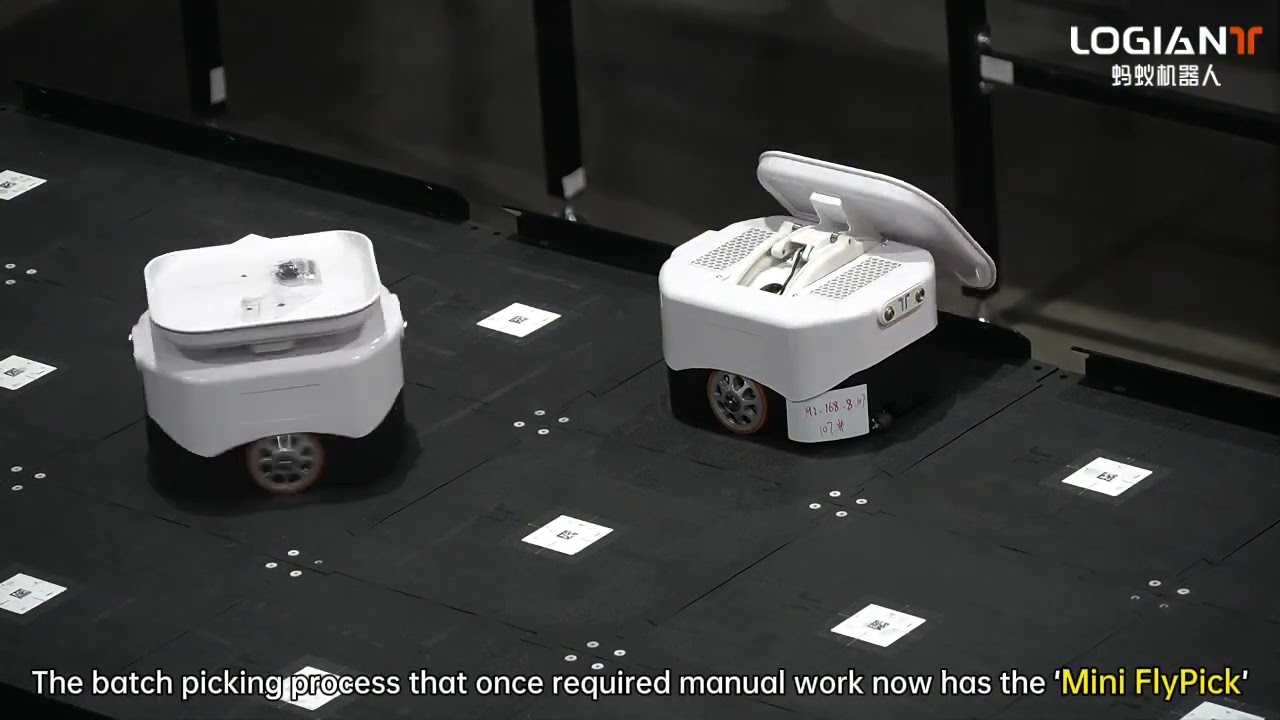
Mini FlyPick Robot: Compact High-Speed Sorting AMR
Others

Split Tray (Bomb Bay) Sorter Compilation: Versatile High-Speed Sortation
Others
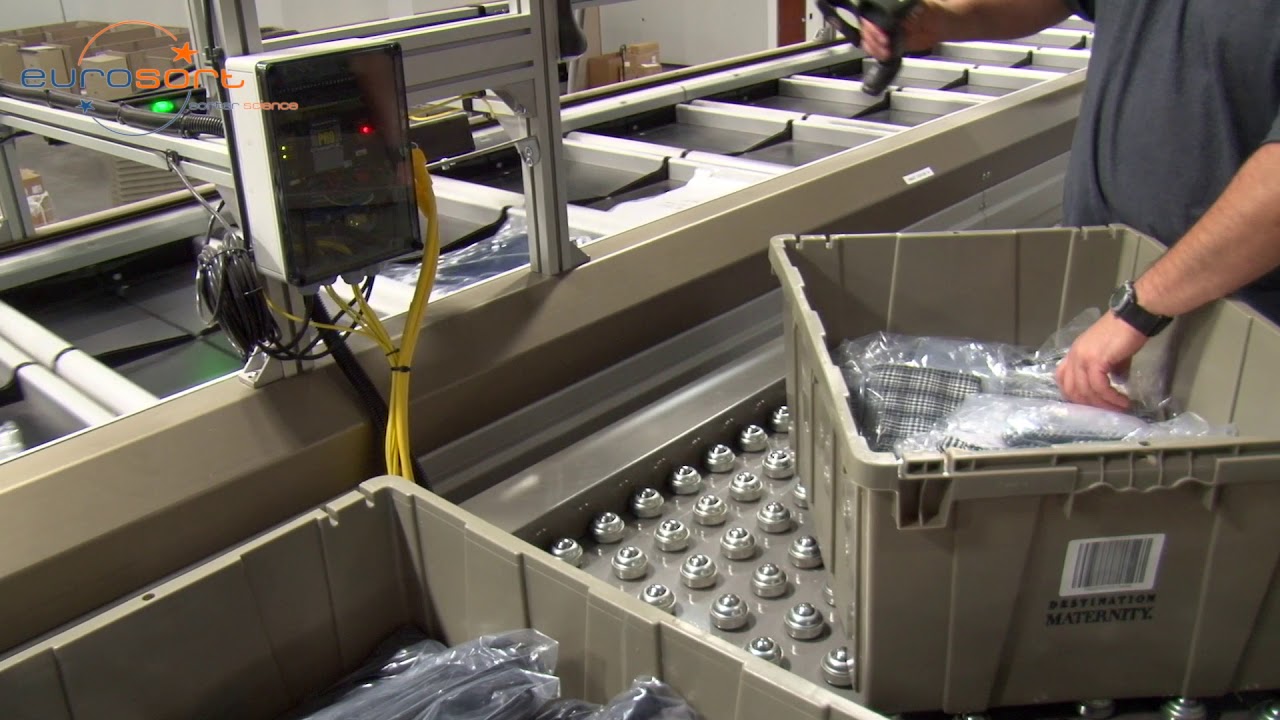
Patented Dual Split Tray (Bomb Bay) Sorter with Batch Induction
Others